What Is a Water Vapor Fireplace and How Does It Work?

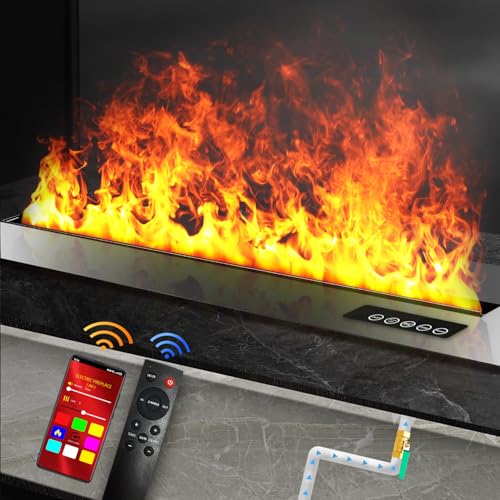
Most people assume that realistic flames require burning fuel or blistering heat. In reality, a water vapor fireplace produces no actual fire, creating three-dimensional flames and smoke using only fine cool mist and LED lights. The vapor stays completely cool to the touch, so kids or pets can reach directly into the glow without any burn risk.
How well one fits your home comes down to a few practical details. Some models are purely decorative visual features, while others add an auxiliary heater (a small heating element for gentle spot warmth). You will also need to decide between refilling a water tank by hand or connecting the unit straight to a plumbing line, and whether your tap water needs filtering to stop mineral buildup. Here is how the mist illusion works, what heat it delivers, and how to keep your walls safe.
The Short Version
- A water vapor fireplace creates flames using an atomizer (a small vibrating disk that shakes water into an ultra-fine cool mist) illuminated by bright LED lights.
- The simulated flame stays completely cold, eliminating burn hazards for children, pets, curious hands, and nearby furniture.
- These units serve primarily as visual art and light air humidifiers rather than primary heaters, though some models include a small auxiliary heater for gentle supplemental warmth.
- You supply the flame effect using either a manual fill tank or a direct link (hooked straight into a home water pipe), requiring filtered or distilled water to prevent white mineral scale buildup.
How the Mist Illusion Creates Realistic Flames
A water vapor fireplace produces one of the most convincing flame effects on the market without burning a single piece of wood or consuming any gas. At first glance, people often mistake the rolling orange plumes for actual combustion. When you step closer, you realize there is no smoke, no chimney, and no scorching heat rolling off the glass.
The illusion starts in the water basin hidden beneath the decorative grate or artificial log set. Inside this reservoir sits an atomizer (a vibrating disk that shakes water into fine mist). This tiny ceramic or metal disk vibrates at an extremely high speed. Rather than boiling the water into hot steam, the rapid motion breaks the liquid apart mechanically, turning ordinary room-temperature water into microscopic droplets that float like a gentle fog.
A whisper-quiet internal fan draws air into the base of the unit and pushes that cool mist upward through a narrow slot. As the vapor rises into the open air, a row of high-intensity LED light bars shines directly through the mist stream. The light catches the tiny, tumbling droplets at different heights and angles, mimicking the natural flicker, transparency, and shadow of genuine fire.
Because the mist is subject to natural room drafts, it never repeats the exact same pattern twice. The vapor twists, eddies, and floats upward just like hot air rising above burning split oak. The top of the mist plume thins out slightly, creating the convincing appearance of rising smoke before the moisture disappears into the room atmosphere. Unlike standard flat-screen electric units reviewed in a best quality electric fireplace guide, you can walk entirely around a water vapor unit and view true three-dimensional depth from any angle.
Safety and Touch: Zero Burn Risk for Children and Pets
Traditional wood stoves, vented gas inserts, and ethanol burners all rely on chemical combustion. Fire creates intense surface heat, dangerous fumes, and extreme glass temperatures that can cause severe contact burns in a split second. Even traditional electric fireplaces carry hot metal discharge grilles that get uncomfortably warm during winter operation.
Water vapor fireplaces eliminate burn risks completely. The mist that rises from the opening is completely cool to the touch. If a toddler walks up and sticks their hand straight into the middle of the flame, they feel nothing more dangerous than a cool, soothing draft of damp air. Their hand gets slightly moist, but there is zero heat, zero stinging, and zero danger of scorched skin.
This design makes water vapor systems uniquely suited for open floor plans, active family living rooms, and pet-friendly homes. Dogs and cats can brush directly against the decorative logs or sniff the vapor without singeing their whiskers or catching their tails on fire. You do not need protective hearth screens, baby gates, or heavy barriers to keep your household safe.
Safety also extends to the air your family breathes every day. Because nothing is burning, a water vapor unit produces zero carbon monoxide, zero nitrous dioxide, zero soot, and zero airborne particulates. There are no gas lines that could develop hidden leaks and no chimney flues that need annual sweeping to clear out combustible creosote. To keep the electrical setup just as safe as the flame, always plug the heavy three-prong power cord directly into a standard 120-volt wall outlet. Never run the fireplace through thin household extension cords or multi-plug power strips, which can overheat when carrying steady electrical current.
The Heat Reality: Visual Ambiance vs. Room Heating
One of the biggest mistakes buyers make is purchasing a water vapor fireplace and expecting it to heat an entire cold house. If you buy a base water vapor unit thinking it will replace your central furnace or blast out deep warmth during a January blizzard, you will end up disappointed. The core mist technology produces absolutely no thermal heat on its own.
Most water vapor fireplaces on the market are purely decorative ambient features. They are designed to bring the warm, relaxing atmosphere of a fireplace into rooms where extra heat is unwanted or impractical. That makes them perfect for warm southern climates, modern energy-efficient apartments, and commercial spaces like hotel lobbies or restaurants. You can run the flame effect on a hot July evening with your air conditioning running, enjoying the flickering ambiance without driving up your cooling bills or making the room stuffy.
Some models do feature auxiliary heat (a low-power heater meant only for light warmth near the unit). These hybrid units combine the ultrasonic mist system with a traditional electric heating element and a quiet blower fan. When turned on, the auxiliary heater typically pulls 750 watts on low or 1,500 watts on high, producing around 4,600 to 5,000 BTUs of warmth. That is enough supplemental heat to take the chill off an enclosed space up to 400 square feet, warming your immediate seating zone while your central heating runs at a lower setting.
If your primary goal is robust winter heating for a drafty basement or an open-concept living area, an ambient water vapor model is not the right tool. For heavy heating needs, you will get far better performance from a dedicated unit like a best electric fireplace insert for large room comfort, which uses powerful heating elements designed specifically to push steady warm air across wide living areas.
Moisture Control: TV Clearances and Wall Protection
Homeowners often worry that pumping continuous water vapor into their living room will cause peeling paint, mold growth, or electrical damage to an expensive mounted television. Fortunately, a water vapor fireplace releases a very modest amount of water. On average settings, a standard insert uses between one and two cups of water per hour. That is roughly the same output as a small bedroom cool-mist humidifier, and the moisture evaporates into normal room air long before it can soak into furniture or framing.
However, because the mist rises continuously straight up from the nozzle, you must plan your clearances carefully to prevent localized condensation. Follow this quick checklist when installing your unit beneath a television or wood mantel:
- Keep an 8 to 12 inch gap: Maintain at least 8 to 12 inches of open vertical space between the top of the mist discharge slot and the bottom of your television frame or soundbar.
- Install a solid deflector shelf: Place a sturdy mantel shelf between the fireplace and the television. A solid shelf acts as a physical barrier, catching the upward draft and directing the dispersing mist outward into the center of the room instead of letting it roll directly against the TV housing.
- Verify room airflow: Never seal a water vapor unit inside a tiny, unventilated closet or a completely closed alcove. Normal room air currents help the microscopic droplets disperse and evaporate naturally into the surrounding living area.
- Check home humidity levels: If your home already suffers from high humidity during humid summer months, monitor the room with a simple digital hygrometer. If ambient indoor relative humidity climbs above 60 percent, turn down the mist height setting or open an interior door to keep air moving.
- Wipe nearby surfaces during initial setup: When you first run the fireplace, observe the surrounding drywall and mantel underside for an hour. If you notice any wet beads forming on the wall, adjust the flame height lower or increase your mantel clearance.
Water Supply, Filtration, and Routine Maintenance
Operating a water vapor fireplace requires water, and the way you supply that water determines your day-to-day routine. Manufacturers design these systems with two primary filling methods, each carrying distinct setup requirements and lifestyle trade-offs.
The first option is a manual refill tank. These units feature a removable water reservoir hidden under the decorative media or an access door on top of the chassis. You lift the tank out, carry it to your sink or filtered water dispenser, fill it, and drop it back into place. A full tank typically provides between 8 and 20 hours of continuous flame effect depending on whether you set the flame height to low, medium, or high. Manual tanks require zero plumbing work, making them ideal for existing finished walls, drywall bump-outs, and rental properties.
The second option is a direct link (hooked straight into a home water pipe). Units with this feature connect directly to a dedicated 1/4-inch flexible water line, similar to the line that supplies a refrigerator ice maker. Built-in float switches and electric inlet valves automatically top off the internal reservoir whenever the water level drops. You never have to carry water jugs or worry about the flame cutting out mid-evening. However, this setup requires running plumbing lines inside your wall cavity, which increases upfront installation complexity and cost.
Regardless of how water enters the fireplace, water quality is critical to keeping the system running. Standard municipal tap water and well water often contain dissolved minerals like calcium and magnesium. When the atomizer disk vibrates water into mist, those heavy minerals do not disappear into thin air. Instead, they dry out inside the water tray and leave behind hard, chalky white crust known as limescale.
Over time, mineral buildup coats the surface of the vibrating disk, muffling its movement and causing the flame effect to sputter, thin out, or stop completely. To keep your unit running smoothly and avoid tedious scrubbing:
- Use filtered or distilled water: If your unit has a manual tank, fill it exclusively with distilled or reverse-osmosis filtered water. This completely eliminates mineral crust and keeps the vapor free of white dust.
- Install an inline filter on plumbed lines: If you connect the fireplace directly to household plumbing, install an inline sediment and scale filter right before the water enters the fireplace inlet valve.
- Rinse the basin regularly: Drain and rinse the internal water basin every two to four weeks. Stagnant water left sitting in a dark, warm tank for long periods can develop slippery biofilm or mild algae.
- Clean the atomizer disks gently: If you notice white mineral scale forming on the vibrating disk, soak the area with standard distilled white vinegar for 15 minutes to dissolve the crust. Wipe the surface clean using a soft microfiber cloth or cotton swab. Never scrape the vibrating disk with screwdrivers, razor blades, or metal wire pads, as scratching the delicate surface will ruin the misting action permanently.
What to Check Before Choosing a Water Vapor Fireplace
Bringing a water vapor fireplace into your home begins with choosing a design that aligns with your room layout and daily habits. Start by evaluating the physical installation style. Built-in recessed boxes slide into custom wall framing or existing drywall bump-outs, requiring you to measure wall stud depth carefully so the chassis sits flush. If you want a dramatic architectural focal point between two rooms, look for two-sided see-through units or three-sided peninsula designs that let you admire the mist from multiple angles.
If you plan to convert an old masonry hearth that you no longer use for burning wood, look at drop-in cassette models. These compact chassis units sit directly on the firebrick floor inside your old firebox. When installing an electric mist insert into an old brick fireplace, make sure you take time to close the fireplace damper securely. Sealing the old chimney damper prevents your conditioned room air from escaping up the flue and stops exterior outdoor drafts from blowing the mist around wildly before it can rise properly.
Next, consider your daily convenience regarding water and electricity. Decide whether you are comfortable filling a reservoir by hand every few days or if your remodeling budget allows running a direct plumbing line to the fireplace wall. Check your electrical panel as well. While the misting system alone draws very little electricity, choosing a model equipped with an auxiliary fan heater means the unit will pull up to 1,500 watts when the heater runs on high. To avoid annoying breaker trips, ensure that outlet connects to a dedicated circuit that does not share its breaker with hair dryers, kitchen appliances, or portable space heaters.
Finally, examine the lighting controls and flame adjustment features. Basic units provide a classic, warm orange-gold glow that closely mimics natural campfire embers. More versatile models feature multi-color RGB light systems, giving you the flexibility to switch between natural flame tones, cool blues, deep purples, or shifting color cycles via a handheld remote control or a smartphone app. Make sure the unit provides adjustable flame height controls so you can dial back the mist rate on humid days or crank it up when entertaining guests.

- BWP Score10.0
BWP Score is a ranking system developed by Bestwinterproducts.com. BWP score has no relationship or impact from any manufacturers or sales agent websites. Learn more
- BrandSijitide

- BWP Score10.0
BWP Score is a ranking system developed by Bestwinterproducts.com. BWP score has no relationship or impact from any manufacturers or sales agent websites. Learn more
- BrandFQWYNMZ
- BWP Score9.6
BWP Score is a ranking system developed by Bestwinterproducts.com. BWP score has no relationship or impact from any manufacturers or sales agent websites. Learn more
- BrandSUNLITUP

- BWP Score9.6
BWP Score is a ranking system developed by Bestwinterproducts.com. BWP score has no relationship or impact from any manufacturers or sales agent websites. Learn more
- BrandSUNLITUP

Water Vapor Fireplace Recessed Multicolour Realistic Atomized Flame, Electric Fireplace
View on Amazon- BWP Score9.2
BWP Score is a ranking system developed by Bestwinterproducts.com. BWP score has no relationship or impact from any manufacturers or sales agent websites. Learn more
- BrandMexhom
Water Vapor Fireplace Recessed Multicolour Realistic Atomized Flame, Electric Fireplace
View on Amazon- BWP Score9.2
BWP Score is a ranking system developed by Bestwinterproducts.com. BWP score has no relationship or impact from any manufacturers or sales agent websites. Learn more
- BrandMexhom

- BWP Score9.2
BWP Score is a ranking system developed by Bestwinterproducts.com. BWP score has no relationship or impact from any manufacturers or sales agent websites. Learn more
- BrandMexhom

- BWP Score8.6
BWP Score is a ranking system developed by Bestwinterproducts.com. BWP score has no relationship or impact from any manufacturers or sales agent websites. Learn more
- BrandLgghdm
Last update on 2026-10-02 / Affiliate links / Images, Product Titles, and Product Highlights from Amazon Product Advertising API
Frequently Asked Questions
Can you run a water vapor fireplace all year long?
Yes, you can run a water vapor fireplace through every season because the base flame effect generates zero heat. The mist remains completely cool to the touch, allowing you to enjoy the relaxing ambiance of a glowing fire on hot summer nights without warming your living space. If your model includes an auxiliary heater, simply switch the heater setting off and leave the flame-only mode running.
How often do you need to clean the water tank and misting parts?
You should rinse the water reservoir every two to four weeks during regular use to prevent standing water from developing slimy biofilm. If you use standard tap water instead of distilled water, inspect the atomizer disk once a month for white chalky limescale buildup. Soaking the disk in a little household white vinegar for 15 minutes easily dissolves those mineral deposits without damaging the delicate vibrating parts.
Can you add essential oils or fragrance drops to the water?
No, you should never pour essential oils, liquid fragrances, or scented wax drops into a water vapor fireplace basin. The concentrated oils will coat the ultrasonic atomizer disk, gumming up the vibrating mechanism and preventing it from generating fine mist. In addition, heating elements and internal plastic pumps can break down when exposed to heavy essential oils, potentially voiding the manufacturer warranty.
Does a water vapor fireplace make noise while running?
A water vapor fireplace is exceptionally quiet during normal operation, producing only a faint, gentle hum from its internal fan. Many homeowners compare the sound to a soft white-noise machine or a quiet desktop humidifier. If the unit includes an auxiliary electric heater, you will hear the low whoosh of the blower fan pushing warm air forward into the room, but the mist generator itself works almost silently.


12 Best Corner Electric Fireplace 2026: My Ultimate Guide To Pick One

Dimplex Prism Wall Mount Fireplace: Sleek Heat With Modern Flame Style
Best Electric Fireplace Insert for Large Room Heating and Style

Best 40 Inch Electric Fireplace Insert 2026 - Cozy Ambiance with Modern Power
Top 12 Best Quality Electric Fireplace 2026 - Buying Guides

Best Wall Mount Electric Fireplace 2026 for Ultimate Comfort and Style

How to Start Monessen Fireplace: A Step-by-Step Guide

How to Whitewash Rock Fireplace: Simple Steps to Refresh Your Space