
What Is a Winter Squash?

There is no reason to worry if the name feels confusing. A winter squash is simply a fully ripened squash with a tough outer shell and firm seeds, grown during the warm months and picked in early autumn. Farmers gave it this name because that durable rind allows it to stay fresh for months, letting families eat hearty garden produce all through the cold season.
How you handle each squash depends on the specific variety, its skin thickness, and how you plan to cook it. Heavy varieties like butternut stay fresh in a cool pantry for months, while thin-skinned types like delicata soften quickly in the oven and store for a shorter window. Because their meat is dense and starchy, these vegetables need slow roasting, baking, or simmering rather than being eaten raw like crisp summer zucchini. Here is how to tell these varieties apart, spot a ripe one, and keep it fresh until dinner.
Why It Is Called Winter Squash When It Grows in Summer
The name winter squash confuses many people when they first start cooking or gardening. It sounds like a crop that braves snowdrifts and sub-freezing mornings, like winter rye or hardy kale. In reality, winter squash cannot handle even a light frost. It is a warm-season crop that needs hot summer sun, warm soil, and several months of steady growth to develop properly.
Winter squash belongs to the cucurbit family (the squash, pumpkin, melon, and cucumber plant family). Like its cousins watermelons and cucumbers, it needs soil temperatures of at least 65 to 75 degrees Fahrenheit just to sprout its seeds. If you plant winter squash in cold, damp soil in early spring or winter, the seeds simply rot in the ground. If a sudden late spring frost touches the young seedlings, their broad leaves collapse into black, water-soaked mush within hours. The plant spends all of June, July, and August soaking up heat, spreading wide vines across the garden, and filling its fruit with dense starches and sugars.
The reason people call it winter squash comes down to history, harvest timing, and how it kept our ancestors alive. Centuries before refrigerators and cross-country produce shipping existed, fresh garden vegetables vanished as soon as autumn frosts arrived. Early growers and Native American tribes cultivated squash varieties that could sit on a shelf for months without rotting. These plants grow through the summer, finish ripening in late autumn, and provide dense, nutritious food to eat during the dead of winter. The word winter does not describe when the plant grows. It describes the season when you eat it.
Today, that seasonal bridge remains just as useful. While warm weather vegetables like tomatoes and sweet corn disappear after September, winter squashes sit comfortably in a cool pantry or basement cellar. Their heavy, sugar-rich flesh provides steady calories, fiber, and vitamins right through the darkest months of the year.
Winter Squash Versus Summer Squash: The Essential Differences
At the grocery store or farm stand, you often find winter squash sitting just across the aisle from summer squash like zucchini and yellow crookneck. While they share similar vine shapes, large yellow blossoms, and ancestral roots, they behave like entirely different vegetables in both the garden and the kitchen.
The main difference comes down to the stage of maturity when the fruit is picked. Summer squash is harvested when it is young, tender, and botanically immature. The grower cuts a zucchini off the vine when it is only a few days old. At that stage, the outer skin is paper-thin and delicate, the seeds inside are tiny and soft, and the flesh (the edible inner meat) contains a high percentage of water. Because summer squash has no protective barrier, moisture evaporates quickly, and bacteria enter with ease. You can slice it raw into a salad or saute it in a skillet for five minutes, but it will turn soft and moldy in your refrigerator crisper drawer in about a week.
Winter squash is the complete opposite. It is left on the vine until the fruit reaches full botanical maturity. Over three to four months, the plant pumps minerals, starches, and protective waxes into the fruit. The inner seeds develop hard protective shells, and the moisture level in the flesh drops significantly, leaving behind dense, concentrated sugars. Most importantly, the rind (the tough outer skin) thickens into a hard, woody shield that seals out air and moisture. This dense shell allows winter squash to sit on a counter or in a cold pantry for months without losing quality.
In the kitchen, these physical differences change how you prepare them. You cannot toss raw chunks of winter squash into a fresh green salad. Its dense flesh is firm and starchy, similar to an uncooked sweet potato. It requires slow, steady heat to transform. Roasting, baking, steaming, or simmering breaks down the starches into sweet, caramelized sugars and turns the dense texture smooth and velvety. While roasting squash in the oven on a blustery evening, many people also look for practical ways to keep warm in winter in the house without waste so their living rooms stay comfortable while dinner simmers.
Another major difference is how you handle the skin. With summer squash, you always eat the skin. With winter squash, skin edibility depends entirely on the variety. Squashes with thin rinds, such as delicata, soften up beautifully when roasted in an oven and can be eaten slice for slice. Varieties with thick, woody rinds, such as butternut, acorn, or buttercup, have skins that remain tough and unpleasant to chew even after an hour of cooking. For those varieties, you either peel the skin with a sturdy vegetable peeler before cooking or slice the squash in half, roast it cut-side down, and scoop the tender flesh out with a spoon.
Popular Varieties and How to Verify Full Ripeness
Winter squashes come in a wild array of shapes, colors, and sizes. Walking into a produce market in October can feel overwhelming because each variety brings a different level of sweetness, moisture, and cooking versatility. Knowing the most common types helps you choose the right one for your recipe.
Waltham Butternut is the classic pantry staple. It has a smooth, pale tan rind shaped like a bowling pin or large bell. Inside, its flesh is vibrant orange, fine-textured, and sweet. Because its skin is relatively smooth, it is one of the easiest varieties to peel with a swivel peeler. It purees into a silky soup and roasts into sweet, golden cubes without falling apart.
Acorn squash looks like a dark green spinning top with deep ridges running from stem to point. Its flesh is pale yellow, mildly sweet, and slightly fibrous with a nutty flavor. Because its deeply furrowed rind makes peeling nearly impossible, the standard preparation is cutting it across the middle, scooping out the seed pocket, and roasting the halves with butter, maple syrup, or savory sausage stuffing.
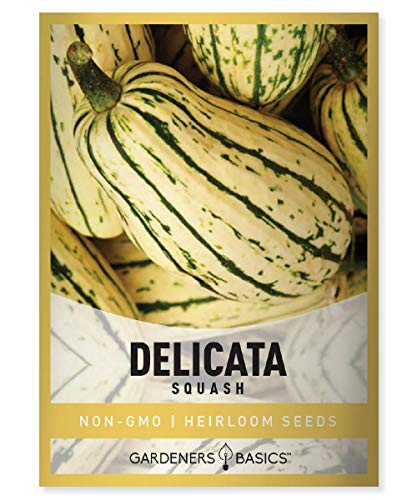
Delicata squash is a favorite for quick weeknight dinners. It is cylindrical and creamy yellow with dark green stripes running down its shallow grooves. Its flesh tastes remarkably like brown sugar and corn, with a smooth texture. Most importantly, its rind is thin enough that you can slice the whole squash into half-moon rings and roast them without peeling. You eat the rind and flesh together.
Spaghetti squash is unique because its cooked flesh does not turn into a smooth mash. It is large, oval, and pale to bright yellow. Once roasted or steamed, a fork easily pulls the flesh away in long, translucent strands that mimic thin noodles. It has a very mild, neutral taste that readily absorbs melted butter, marinara sauce, garlic, and grated parmesan.
Buttercup squash is squat and dark green, often with a raised, pale green button on its base. Inside, its flesh is dense, dry, and deep orange. When roasted, it tastes closer to a baked sweet potato than a pumpkin, making it ideal for thick stews, rich pies, or mashing with cream.
Whether you grow these varieties in your garden or pick them out at the grocery store, buying an underripe squash leads to watery, tasteless meals. Immature winter squash has not converted its starches into natural sugars, and its rind has not hardened enough to protect it from rot. When you are out in the chilly late autumn air clearing garden beds or shopping at outdoor farm stands, knowing how to keep warm in winter outdoors with ease lets you take your time to inspect the harvest properly.
Use this simple checklist to confirm that a winter squash is fully ripe and ready for cooking or long pantry storage:
- Check the rind with your thumbnail: Press the edge of your thumbnail firmly against the skin in an out-of-the-way spot. On an immature squash, your nail will easily pierce the surface or leave a wet indentation. On a fully ripe squash, the rind is hard and woody; your nail should bounce off without puncturing or marking the surface.
- Inspect the surface sheen: An underripe winter squash has a bright, glossy shine. As the squash reaches full maturity on the vine, that shine disappears, leaving behind a dull, matte finish across the entire skin.
- Look closely at the stem: The stem attached to the fruit tells the true story of its development. A green, fleshy, juicy stem means the plant was still feeding the fruit when it was picked. A fully ripe squash has a dry, brown, shriveled stem that looks and feels like a piece of dry cork.
- Feel the heft: Lift the squash in your hands. A ripe squash should feel noticeably heavy and solid for its size. If it feels surprisingly light, the interior may be hollow, dry, or stringy.
- Check the ground spot: Look at the underside where the fruit rested on the earth while growing. On a mature squash, that pale contact patch turns from greenish-white to a warm, rich cream or deep orange.
If you harvest squash from your own garden, take one extra step before moving it to long-term storage: curing. Curing simply means letting the skin dry and harden in a warm room (ideally between 70 and 80 degrees Fahrenheit) with good air circulation for 10 to 14 days. This warm rest period evaporates extra water from the outer layers of the rind, heals minor surface scratches, and triggers enzymes in the flesh to turn remaining starches into rich sugars. After curing, move the squashes to a cool, dry, dark pantry kept around 50 to 55 degrees Fahrenheit. Never store whole winter squashes in a damp, freezing basement or inside a cold refrigerator, as excessive moisture and chilling injury will cause the protective skin to break down and rot within weeks.
What to Look for When Choosing Winter Squash Seeds
Growing winter squash from seed is one of the most rewarding garden projects, but success depends on matching the seed variety to your available space and your household eating habits. Before you select a seed packet for your outdoor garden, there are several practical details to check.
First, verify the plant's growth habit. Traditional winter squashes are vigorous, sprawling vining plants. A single butternut or hubbard plant can send out vines that stretch 10 to 15 feet across the lawn, easily taking over walkways and smothering smaller neighboring vegetables. If you have a large traditional garden plot, vining types produce impressive yields of multiple squashes per plant. But if you garden in raised beds, small backyard plots, or compact patio spaces, look specifically for bush or semi-bush varieties. These varieties produce the same flavorful, dense squash on compact plants that only spread three to four feet wide.
Second, check the days to maturity listed on the back of the seed packet. Winter squashes require a long, uninterrupted warm season. Most standard types require anywhere from 85 to 110 frost-free days from the time they sprout until the fruit is ripe for harvest. If you live in a northern climate with short summers and early autumn frosts, select early-maturing varieties that reach maturity in under 90 days. Planting a 110-day variety in a region with only 80 warm days means autumn frosts will kill the vines before the fruits have formed hard rinds and sweet flesh.
Finally, consider your storage goals. If you want a steady supply of fresh vegetables to carry you through deep winter and into early spring, choose hard-shelled keeper varieties like butternut or buttercup, which routinely last six months in storage when properly cured. If your goal is simple, quick meals eaten throughout September, October, and November, thinner-skinned varieties like delicata are ideal, though they should be eaten within a couple of months of harvest.

- BWP Score10.0
BWP Score is a ranking system developed by Bestwinterproducts.com. BWP score has no relationship or impact from any manufacturers or sales agent websites. Learn more
- BrandWivolibe

- BWP Score9.4
BWP Score is a ranking system developed by Bestwinterproducts.com. BWP score has no relationship or impact from any manufacturers or sales agent websites. Learn more
- BrandSow Right Seeds

- BWP Score9.0
BWP Score is a ranking system developed by Bestwinterproducts.com. BWP score has no relationship or impact from any manufacturers or sales agent websites. Learn more
- BrandBurpee

- BWP Score9.0
BWP Score is a ranking system developed by Bestwinterproducts.com. BWP score has no relationship or impact from any manufacturers or sales agent websites. Learn more
- BrandAxel's Garden Seeds

- BWP Score8.8
BWP Score is a ranking system developed by Bestwinterproducts.com. BWP score has no relationship or impact from any manufacturers or sales agent websites. Learn more
- BrandSURVIVAL GARDEN SEEDS

- BWP Score8.8
BWP Score is a ranking system developed by Bestwinterproducts.com. BWP score has no relationship or impact from any manufacturers or sales agent websites. Learn more
- BrandInstant Latch

- BWP Score8.8
BWP Score is a ranking system developed by Bestwinterproducts.com. BWP score has no relationship or impact from any manufacturers or sales agent websites. Learn more
- BrandSURVIVAL GARDEN SEEDS

- BWP Score8.6
BWP Score is a ranking system developed by Bestwinterproducts.com. BWP score has no relationship or impact from any manufacturers or sales agent websites. Learn more
- BrandSow Right Seeds
- BWP Score8.4
BWP Score is a ranking system developed by Bestwinterproducts.com. BWP score has no relationship or impact from any manufacturers or sales agent websites. Learn more
- BrandGardeners Basics

- BWP Score8.2
BWP Score is a ranking system developed by Bestwinterproducts.com. BWP score has no relationship or impact from any manufacturers or sales agent websites. Learn more
- BrandIsla's garden seeds
Last update on 2026-10-27 / Affiliate links / Images, Product Titles, and Product Highlights from Amazon Product Advertising API
FAQs
Can you eat the skin on all winter squash?
No, you should only eat the skin on varieties with thin, tender rinds like delicata, sweet dumpling, and very young acorn squash. Varieties like butternut, hubbard, and buttercup have thick, fibrous rinds that remain woody and unpleasant to chew even after long roasting. For those thick-skinned types, peel the rind off with a sturdy vegetable peeler or roast the squash in halves and scoop out the soft flesh with a spoon.
How long can you store a winter squash before it goes bad?
Most properly cured winter squashes keep between two and six months when stored in a cool, dry, dark place around 50 to 55 degrees Fahrenheit. Thick-skinned butternut squashes are the longest keepers, often staying firm and sweet for up to eight months. Thin-skinned varieties like delicata should be eaten within six to eight weeks of harvest, while cut or sliced squash must be refrigerated in an airtight container and used within five days.
What happens if winter squash gets hit by a frost?
A light frost will kill the broad green leaves of the plant, which is harmless to fully mature squashes, but a hard freeze that drops well below 32 degrees Fahrenheit will ruin the fruit. Freezing temperatures penetrate the rind, damaging the inner flesh cells and causing them to collapse into a watery texture. Once a squash has been frozen on the vine, it will not store in a pantry and will rapidly soften and rot within days, so always harvest your crop before the first freezing night.


Top 12 best white electric fireplace 2026

Best Clear Ski Goggles Men 2026 For Sharp Vision On Slopes

Top Best Cordless Electric Snowblower 2026 - (Latest)

Best Warm Winter Scarves 2026 For Cozy Comfort

Best Green Ski Goggles 2026 For Clear Vision On Slopes

12 Best Corner Electric Fireplace 2026: My Ultimate Guide To Pick One

Best Battery Powered Snow Blower 2026 For Effortless Snow Clearing

Best Ski Goggles Under 30 Inches For Crisp Vision And Comfort





