
Which Point-of-Use Electric Tankless Water Heater Do You Need?

Check the electrical panel before shopping for any under-sink heater. That switch box dictates how much energy you can safely draw, because the right unit must match your available wiring and faucet flow speed. A basic hand-washing sink can often run on standard household power, but higher-demand taps need a heavier, dedicated line to produce steady heat.
Three simple factors change which model makes sense for your space. Your circuit size sets the ceiling for heating power, so you do not trip a breaker. The flow speed of your tap also matters, since a low-flow hand sink takes much less energy than a full utility basin. Finally, chilly groundwater in northern winters demands extra muscle to warm up. Here is how to find the right balance so you never get stuck with lukewarm water.
Mount the heater directly at your faucet to cut out the wait
Waiting for hot water at an isolated sink wastes time and dumps gallons of clean water down the drain. In a typical home, the central water heater sits in a basement, utility closet, or garage. When you turn on a faucet in a distant powder room, wet bar, or detached workshop, the warm water must travel through fifty or a hundred feet of cold copper or plastic piping. By the time it arrives, you have already finished washing your hands in freezing water.
A point-of-use water heater solves this delay because it is mounted directly at the faucet, usually tucked inside the vanity cabinet or mounted to the wall just inches away. Because the water only travels a foot or two from the heating unit to your tap, hot water appears almost instantly. You no longer have to run the water while waiting for the line to clear.
It helps to understand the difference between a single-fixture heater and a whole-house unit. Whole-house electric tankless heaters are massive appliances that draw enormous amounts of electricity to supply multiple showers, dishwashers, and sinks at the same time. A point-of-use unit is built specifically for one single sink, or at most two closely paired fixtures like a powder room sink and a nearby toilet bidet. If your outbuilding already uses a safe electric heater for a garage with a thermostat to manage air temperature, you know how convenient targeted zone heating is. A point-of-use water heater does the exact same thing for your plumbing, warming only the water at that specific tap instead of firing up the entire house.
Check your electrical panel before choosing between 120-volt and 240-volt power
The biggest hurdle when adding an electric tankless unit under a sink is electrical capacity. Tankless models do not store warm water, which means they must heat fast-moving cold water in a fraction of a second. That instant burst requires serious electric heating power (measured in kilowatts, or kW). Before you shop for a heater, look at your circuit breaker (the safety switch in your fuse box) and verify what electrical lines are available near your sink.
Small 120-volt point-of-use heaters usually run between 3 kW and 3.5 kW. While 120 volts is standard household voltage, you cannot simply plug these units into an existing convenience outlet that shares power with your bathroom lights, hair dryer, or garage tools. A 3.5 kW unit draws roughly 29 amps of current. Standard home wall outlets are only rated for 15 or 20 amps. That means even a small 120-volt tankless heater usually requires a dedicated circuit with heavy wiring and must be hardwired directly into a junction box.
If you want hotter water or a stronger stream, you will need a 240-volt heater. Mid-range point-of-use heaters range from 6.5 kW up to 13 kW or 14 kW. These units require a dedicated double-pole breaker (a thick switch that takes up two slots in your panel) rated at 30 to 60 amps. For example, a 14 kW unit requires a 60-amp double-pole breaker and thick 6 AWG copper wire. If your home has an older 100-amp electrical service, adding a 60-amp water heater might overload your main panel whenever your central air conditioning or oven kicks on. Always confirm you have physical space and electrical headroom in your breaker box before picking a 240-volt model.
Calculate your flow rate and winter water temperature to avoid cold surprises
Many homeowners install a small tankless heater under their sink only to find that the water turns lukewarm as soon as they turn the faucet handle all the way open. This happens because electric tankless heaters are strictly limited by two factors: water flow speed (measured in gallons per minute, or GPM) and temperature rise (the degrees of heat added to cold tap water).
When you open your faucet, water rushes past the internal heating element. The faster the water moves, the less time it spends touching the hot metal. If the water moves too fast, the heater cannot transfer enough energy to reach your desired temperature. A small 3.5 kW heater might produce up to 0.5 GPM of warm water. That is enough water for a gentle hand-washing stream, but if your faucet aerator flows at 1.5 GPM, the water will feel cool because the water is passing through three times faster than the element can heat it.
Incoming groundwater temperature changes everything. In southern states during the summer, tap water coming out of the ground might be 70 degrees Fahrenheit. Heating that water to a comfortable 105 degrees Fahrenheit for hand washing requires a temperature rise of only 35 degrees. A small 120-volt heater can easily manage that warmth at a low flow rate. But in northern states during January, tap water can drop to 40 degrees Fahrenheit. To reach 105 degrees from a 40-degree start requires a massive 65-degree temperature rise. Under those freezing winter conditions, a 3.5 kW unit will only be able to warm a tiny trickle of water, producing around 22 degrees of rise at 1.0 GPM. Use this simple checklist to determine if tankless will work for your sink:
- Check the flow rating stamped on your sink faucet aerator. Hand-washing sinks should use a low-flow aerator between 0.5 and 1.0 GPM.
- Measure your winter tap water temperature by filling a glass from the cold tap and checking it with a kitchen thermometer.
- Decide on your target temperature, which is usually 105 degrees Fahrenheit for hand washing and 120 degrees Fahrenheit for washing dishes.
- Subtract your cold water temperature from your target temperature to find your required temperature rise.
- Verify on the manufacturer chart that your chosen heater can deliver your required temperature rise at your faucet flow rate.
Compare tankless units with mini-tanks to see which fits your daily routine
Electric tankless units are not the only way to get hot water under an isolated sink. A small 2.5-gallon electric mini-tank water heater is often a practical alternative, and understanding the differences will keep you from buying the wrong appliance.
Tankless heaters are exceptionally compact. Units measuring roughly 8 inches wide and 3 inches deep take up almost no cabinet room, leaving plenty of space under your vanity for cleaning supplies. They never run out of warm water because they heat continuously as long as the faucet runs. However, they demand large electrical circuits, require strict water flow limits, and cannot produce instant hot water if your incoming water is ice-cold.
A 2.5-gallon mini-tank operates like a miniature version of a traditional home water heater. It holds water in a glass-lined insulated tank and keeps it hot around the clock. Because it heats the water slowly over several minutes, it only draws about 12 amps on a standard 120-volt line. You can plug it straight into a normal, grounded three-prong wall outlet without running heavy new cables to your breaker panel. The downside is size and runtime. A mini-tank measures roughly 14 inches in every direction, which takes up most of an under-sink cabinet. It also provides only 2.5 gallons of hot water before needing ten to fifteen minutes to recover. If you are building a small camper setup or weekend cabin, managing power draw is just as critical as choosing a compact dedicated heater for van life. If your electrical panel cannot support a 30-amp or 60-amp tankless line, a 120-volt mini-tank is often the smarter, cheaper solution.
Follow these five sizing steps to match your sink setup perfectly
To pick the exact unit that keeps your water hot without wasting money or tripping circuit breakers, work through these steps in order:
- Identify your sink use. Determine whether the sink is strictly for washing hands (which needs 0.5 GPM at 105 degrees Fahrenheit) or for utility tasks like washing greasy tools and dishes (which needs 1.0 to 1.5 GPM at 120 degrees Fahrenheit).
- Inspect your faucet aerator. Unscrew the small mesh aerator at the tip of your faucet spout and read the tiny stamped text. If it says 1.5 GPM or 2.2 GPM, swap it for a 0.5 GPM pressure-compensating aerator to ensure your tankless heater can keep up with the flow.
- Calculate your needed temperature rise. Subtract your coldest incoming water temperature from 105 degrees Fahrenheit. If your winter water is 45 degrees, you need a 60-degree temperature rise.
- Determine your available electrical supply. Check whether you have an existing dedicated 120-volt line, or if you have space in your panel to run a new 240-volt double-pole circuit. Never assume an outlet under the sink has enough power until you verify the breaker rating.
- Match the heating power to the math. If your sink only needs a 0.5 GPM flow for hand washing in a moderate climate, a 3 kW to 3.5 kW 120-volt unit will work. If you have colder groundwater or want to run a utility sink at 1.0 to 1.5 GPM, choose a 240-volt heater rated between 6.5 kW and 13 kW.
Stop and call an electrician when your wiring or panel reaches its limit
Plumbing a small point-of-use heater is well within reach for most confident homeowners, but the electrical hookup carries real risks of fire and electric shock. Cutting corners on wire sizing or breaker capacity will cause wires to overheat inside your walls long before the circuit breaker trips. Stop your project and consult a licensed electrician if you notice any of the following situations:
- Your breaker box has no empty slots left to install a new single-pole or double-pole breaker.
- Your main electrical service is rated at 60 amps or 100 amps, and you want to install a unit that draws 40 to 60 amps.
- The heater requires hardwiring and you are not confident selecting the proper wire gauge (such as 6 AWG or 8 AWG) or tightening lugs to the manufacturer torque specifications.
- The existing outlet under your sink shares a circuit with bathroom lights, hallway plugs, or outdoor outlets.
- You feel heat on the faceplate of your wall outlets, or an existing breaker trips whenever an appliance runs.
Select the right heater style to match your space and plumbing needs
When you are ready to choose a point-of-use heater, focus on matching the mechanical design to the space inside your cabinet. Measure the height, depth, and width of your under-sink area, making sure to account for drain pipes, shutoff valves, and pull-out organizers that might get in the way. Look for compact models that allow wall mounting so the unit sits elevated off the cabinet floor, protecting it from moisture or minor plumbing leaks.
Check the water connection sizes on the heater. Most residential sink supply lines use standard plumbing fittings, and choosing a unit with matching half-inch connections makes installation much simpler. Built-in digital displays with simple push-button or knob controls allow you to adjust warmth without opening internal covers. Self-modulating power controls are also worth looking for, as they continuously monitor incoming water speed and adjust electrical use so your water temperature stays consistent instead of surging between hot and cold. Finally, look for recognized safety certification marks, such as ETL or UL listings, on the product label to ensure the unit meets rigorous North American electrical safety standards.

- BWP Score9.2
BWP Score is a ranking system developed by Bestwinterproducts.com. BWP score has no relationship or impact from any manufacturers or sales agent websites. Learn more
- BrandOrbek

- BWP Score8.8
BWP Score is a ranking system developed by Bestwinterproducts.com. BWP score has no relationship or impact from any manufacturers or sales agent websites. Learn more
- Brandthermomate

- BWP Score8.8
BWP Score is a ranking system developed by Bestwinterproducts.com. BWP score has no relationship or impact from any manufacturers or sales agent websites. Learn more
- BrandCAMPLUX ENJOY OUTDOOR LIFE

- BWP Score8.6
BWP Score is a ranking system developed by Bestwinterproducts.com. BWP score has no relationship or impact from any manufacturers or sales agent websites. Learn more
- BrandEcoSmart

- BWP Score8.6
BWP Score is a ranking system developed by Bestwinterproducts.com. BWP score has no relationship or impact from any manufacturers or sales agent websites. Learn more
- BrandRheem
- BWP Score8.4
BWP Score is a ranking system developed by Bestwinterproducts.com. BWP score has no relationship or impact from any manufacturers or sales agent websites. Learn more
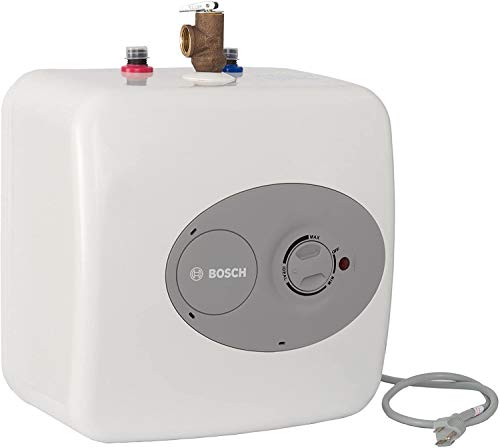
- BrandBOSCH

- BWP Score8.0
BWP Score is a ranking system developed by Bestwinterproducts.com. BWP score has no relationship or impact from any manufacturers or sales agent websites. Learn more
- BrandRheem

- BWP Score8.0
BWP Score is a ranking system developed by Bestwinterproducts.com. BWP score has no relationship or impact from any manufacturers or sales agent websites. Learn more
- BrandECOTINYMACH

- BWP Score7.8
BWP Score is a ranking system developed by Bestwinterproducts.com. BWP score has no relationship or impact from any manufacturers or sales agent websites. Learn more
- BrandLECLOC
- BWP Score6.8
BWP Score is a ranking system developed by Bestwinterproducts.com. BWP score has no relationship or impact from any manufacturers or sales agent websites. Learn more
- BrandRheem
Last update on 2026-10-01 / Affiliate links / Images, Product Titles, and Product Highlights from Amazon Product Advertising API
FAQs
Can I run an under-sink tankless heater on a regular household outlet?
Most electric tankless heaters cannot plug into a standard household outlet. Even compact 120-volt models draw between 25 and 30 amps, which exceeds the 15-amp or 20-amp limit of a normal wall plug. These heaters almost always require a dedicated electrical circuit run straight from your breaker panel and must be hardwired directly into a junction box.
Why does my water turn lukewarm when I open the tap all the way?
Electric tankless heaters warm water instantly as it passes across internal heating elements. If you open the tap fully, water flows past the element too quickly to absorb enough heat. Installing a low-flow aerator on your faucet spout restricts water speed, keeping the water in contact with the element long enough to reach full temperature.
How much electric power does a point-of-use heater actually need?
Electric power requirements depend entirely on your water flow rate and your local climate. A single hand-washing sink in a warm southern climate can get by on a 3 kW to 3.5 kW unit running on 120 volts. A sink in a cold northern climate or a utility faucet with higher water flow requires a 240-volt unit drawing between 6.5 kW and 14 kW.
Do electric tankless heaters need special maintenance?
Tankless heaters require periodic descaling if you have hard mineral tap water. Over time, calcium and magnesium build up on the heating elements, insulating them and reducing their ability to warm the water. Flushing the unit once a year with food-grade white vinegar removes these mineral deposits and keeps the heating elements operating properly.


Best Warm Winter Scarves 2026 For Cozy Comfort

Best Green Ski Goggles 2026 For Clear Vision On Slopes

12 Best Corner Electric Fireplace 2026: My Ultimate Guide To Pick One

Best Battery Powered Snow Blower 2026 For Effortless Snow Clearing

Best Ski Goggles Under 30 Inches For Crisp Vision And Comfort

Best Cooling Scarf 2026 For Instant Relief And Comfort

Fake Snow for Grass: Create a Realistic Winter Lawn Display

Dimplex Prism Wall Mount Fireplace: Sleek Heat With Modern Flame Style





