
Which Point-of-Use Electric Water Heater Fits Your Space?

Most people assume an endless tankless heater is the best fix for an icy sink far from the main tank. In reality, tiny tankless units demand massive electrical power that standard wall plugs cannot safely supply. For most homes with normal household outlets, a plug-in mini-tank is the most practical choice, while a compact tankless unit works best only if a dedicated high-voltage line is already in place.
The right fit comes down to what sits under the counter and inside the electrical panel. A small storage tank holding a couple of gallons plugs directly into a regular wall socket, providing plenty of hot water to wash hands or rinse a plate. An on-demand heater skips the storage tank entirely to save space, but icy winter pipes can overwhelm it unless a heavy-duty circuit is ready. Checking cabinet clearance and power limits first ensures reliable warmth without tripped switches.
The Short Version
- Your electrical wiring makes the decision for you: A mini-tank heater plugs into a standard 120-volt wall outlet, while an on-demand tankless unit requires a dedicated, heavy-duty electrical circuit to heat water instantly.
- Mini-tanks deliver full water flow right away: Small storage tanks hold 1.8 to 6 gallons of hot water under the cabinet, giving you normal faucet pressure until the reservoir runs out.
- Tankless heaters never run out, but demand high power: Compact tankless units warm water as it moves across heating elements, but they need high electrical wattage and can struggle to produce hot water in cold winter weather.
- Match the size to your daily routine: A 1.8-gallon or 2.5-gallon mini-tank is plenty for washing hands in a powder room, while kitchen dishwashing or deep sinks require at least a 6-gallon tank or a powerful 240-volt tankless setup.
Mini-Tank or Tankless: Choosing the Right Match for Your Sink
Point of use simply means installing a dedicated water heater right beside or under the sink where you need warm water. Instead of waiting several minutes for hot water to crawl through cold copper pipes from a distant basement boiler, you get warm water at the tap in seconds. Choosing the right design comes down to how your sink is set up and what kind of power you have nearby.
A mini-tank water heater works just like a miniature version of a traditional home water heater. It holds a small volume of water, usually between 1.8 and 6 gallons, inside a heavily insulated tank with an electric heating rod. It keeps that water warm around the clock. When you turn on your faucet, hot water pours out immediately at your normal water pressure. Once you drain the tank, the unit needs 10 to 20 minutes to heat up the fresh water that refills it. These units take up physical floor space or shelf space inside your cabinet, but they are simple to run and plug directly into standard wall plugs.
A tankless water heater has no storage tank at all. It acts like a high-powered electric burner that switches on the exact second you turn the faucet handle. Cold water flows over intense heating elements and comes out warm. The biggest advantage is that you never run out of warm water during long tasks. But heating cold, fast-moving water in a fraction of a second requires a huge surge of electricity. If your home cannot supply that electrical surge, the water simply will not get warm.
Cabinet space also plays a big part in your choice. A 2.5-gallon mini-tank measures roughly 14 inches tall and 14 inches wide, which can crowd cleaning supplies or plumbing drain traps under a shallow vanity. A 6-gallon model is even larger, often reaching 16 to 18 inches on each side. By comparison, a tankless unit is often the size of a hardback book or a small shoebox, hanging flat against the back wall to leave your cabinet floor completely open.
Check Your Power Supply Before You Buy
Electrical limits cause more returns and installation headaches than anything else with sink-side water heaters. Before you look at models, open your electrical service panel and look under your sink. You need to know your outlet limits, your breaker sizes, and whether you can run new wires.
Every home circuit has a breaker, which is the safety switch inside your electrical box designed to shut off power if the wires carry too much heat. You also need to consider amperage, which is the electrical load that can trip a breaker if it gets too high. Here is how your electrical setup dictates your options:
- Standard 120-volt wall outlets: Most bathroom and kitchen walls have standard three-prong plugs running on a 15-amp or 20-amp breaker. Most 1.8-gallon to 6-gallon mini-tanks are built for this setup, drawing roughly 1,440 to 1,500 watts (about 12 amps). They can plug into a standard grounded outlet, provided no other high-draw appliances share that exact line.
- Shared kitchen circuits: If you plug a 1,440-watt mini-tank into the same circuit that powers a garbage disposal, an air fryer, or a microwave, the breaker will trip the moment both appliances run at once. You must confirm that the plug under your sink has enough headroom.
- Small 120-volt tankless limits: Some compact tankless units run on 120 volts at 3,000 to 3,500 watts. While they are small, they draw 25 to 30 amps. That will instantly blow a standard 15-amp household outlet. These small tankless units require their own dedicated breaker and thicker wiring.
- Heavy 240-volt tankless demands: Whole-sink tankless heaters rated at 6.5kW to 8kW require a dedicated 240-volt double-pole breaker, similar to an electric clothes dryer or an electric range. They must be hardwired, which means wired permanently into the wall without an outlet plug. If your electrical panel is full or located far away, adding these heavy cables can be expensive.
Sizing Your Water Heater for Real Daily Tasks
Getting the right heater means balancing tank capacity or kilowatt power against what you actually do at that sink. Sizing too small leaves you rinsing soap off your hands in freezing water, while sizing too large wastes money and cabinet storage space.
Your faucet's flow rate, which is how fast water streams out of the faucet in gallons per minute, determines how quickly you burn through hot water. A bathroom aerator usually puts out 0.5 to 1.0 gallon per minute, while a kitchen faucet flows at 1.5 to 2.2 gallons per minute.
For a powder room, half-bath, or guest bathroom, people only wash hands and brush teeth for thirty seconds at a time. A 1.8-gallon or 2.5-gallon mini-tank is ideal here. It gives you plenty of hot water for several handwashes in a row without breaking a sweat. If you prefer tankless, a compact 3.5kW unit can supply a gentle handwashing stream of 0.5 gallons per minute, heating water just enough for comfortable lathering.
For a kitchen sink, the demands are much higher. You fill pasta pots, rinse grease from frying pans, and run the tap continuously while scrubbing dishes. A 1.8-gallon tank will empty in less than sixty seconds under a wide-open kitchen tap. For kitchen duties, you want a 4-gallon to 6-gallon mini-tank so you can fill a sink basin without running cold. If you choose a tankless model for the kitchen, you need an 8kW 240-volt unit so you can run the tap at normal rinsing speed without losing your heat.
Outbuildings and alternative spaces need careful planning, too. In a garage workshop, washing greasy hands or cleaning tools demands dependable warm water. Many garage owners pair a dedicated sink heater with an electric heater for garage with thermostat to keep the entire workspace practical through winter. Similarly, owners outfitting campers or converting vans with a heater for van life often prefer a compact 2.5-gallon plug-in tank because its predictable 1,440-watt draw works smoothly with shore power connections and campground outlets.
The Cold Water Reality: How Winter Affects On-Demand Heat
The biggest surprise for new tankless heater owners is how seasonal weather changes their water temperature. Tankless performance is completely tied to the temperature of the water entering your home through underground pipes.
In mid-summer, groundwater might enter your house at 70 degrees Fahrenheit. Heating that water to a comfortable handwashing temperature of 105 degrees Fahrenheit only requires a 35-degree jump. A small 3kW or 3.5kW tankless heater can easily make that jump while keeping a decent stream of water running.
In deep winter, especially in cold northern climates, underground water can drop to 40 degrees Fahrenheit or lower. Raising 40-degree water up to 105 degrees requires a massive 65-degree jump. A small 120-volt tankless unit simply does not produce enough heat to warm that freezing water at normal speeds. To get the water hot, you have to turn your faucet handle down to a tiny, pencil-thin trickle so the water lingers over the heating element longer. If you try to run the tap at full blast, the water will come out barely lukewarm.
Mini-tank heaters do not suffer from this winter drop. Because a mini-tank holds water in an insulated reservoir, its internal heating rod has 15 to 20 minutes to heat the water up to 140 degrees Fahrenheit, regardless of how icy the pipes are outside. When you turn on the tap, you get piping-hot water at full pressure immediately. The only downside is that once those 2.5 or 6 gallons are gone, the incoming winter chill means the tank takes slightly longer to recover.
Safe Installation Rules: Hookups, Pressure Valves, and Electrical Setup
Working on a sink-side water heater means dealing with pressurized water and high-voltage electricity in the exact same spot. A minor plumbing leak can cause dangerous electrical shorts, and skipping safety valves can ruin your plumbing. Follow these ordered steps to keep your setup safe:
- Cut power and shut off the water lines: Turn off the cold water shutoff valve under the sink. Go to your main breaker box and flip the switch to turn off the power to the circuit you will be using. Check the outlet with a small lamp or plug tester to confirm it is dead.
- Position and secure the unit: Set your mini-tank on the cabinet floor or screw its mounting bracket into a solid wall stud. Make sure there is enough clearance around the water fittings so the flexible hoses do not kink. If mounting a tankless box, fasten it flush against the wall so it cannot wiggle when you turn the plumbing valves.
- Install the temperature and pressure relief valve: If you are installing a storage mini-tank, you must screw the included relief valve into the designated port. This is a vital safety valve that automatically opens to vent water if heat or pressure builds to unsafe levels inside the tank. Never plug or cap this opening. Run a small discharge pipe downward toward the cabinet floor or a drain pan.
- Connect the plumbing lines: Connect your cold water supply line to the cold inlet (marked with a blue ring) using braided stainless steel hoses and thread seal tape. Run a second flexible line from the hot outlet (marked with a red ring) directly to your faucet's hot water supply line. Tighten the fittings securely with an adjustable wrench, but avoid over-tightening plastic nuts.
- Fill the tank with water before turning on the power: This step is critical. If you turn on the electricity while a mini-tank is empty, the heating element will burn out in seconds, completely destroying the unit. Turn your sink faucet to hot, open the under-sink water valve, and let the tank fill. Keep the faucet running until all air stops sputtering and a smooth stream of water flows out.
- Restore power and inspect for leaks: Plug the cord into your dedicated outlet or switch on the circuit breaker. Feel around every threaded pipe connection with a dry paper towel to spot any slow drips. Watch the unit through its first heating cycle to confirm the thermostat shuts off properly once hot.
If you live in an older home with knob-and-tube wiring, corroded galvanized iron pipes, or a breaker box that is already completely full, stop right there. Call a licensed electrician to run your power line and a licensed plumber to update your supply valves. Doing it right keeps your home safe from water leaks and fire risks.
What to Look for in a Sink-Side Water Heater
When picking out a unit for your cabinet, prioritize physical dimensions and electrical demands above all else. Measure your cabinet opening carefully, accounting for drain pipes, garbage disposals, and supply lines that already take up room. If you only have a normal 120-volt wall plug available, stick to a plug-in mini-tank with a glass-lined interior to prevent corrosion, or choose an ultra-low-draw tankless unit purely for light handwashing. If you have the panel space to run a thick 240-volt line, a hardwired tankless heater will reward you with continuous hot water that never runs out. Focus on simple mechanical dials or clear digital temperature readouts, solid metal water fittings, and certified safety listings on the manufacturer label.
- BWP Score9.6
BWP Score is a ranking system developed by Bestwinterproducts.com. BWP score has no relationship or impact from any manufacturers or sales agent websites. Learn more
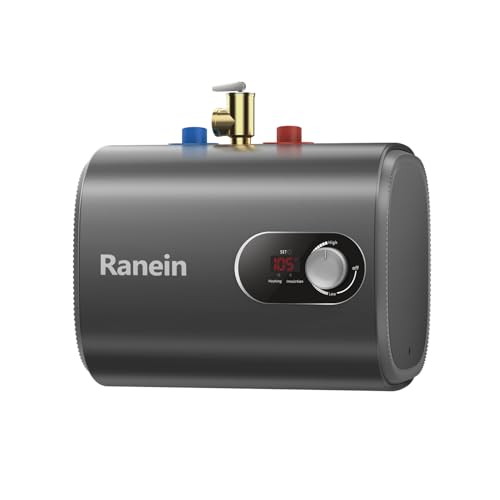
- BrandRanein

- BWP Score9.4
BWP Score is a ranking system developed by Bestwinterproducts.com. BWP score has no relationship or impact from any manufacturers or sales agent websites. Learn more
- BrandNessxa

- BWP Score9.0
BWP Score is a ranking system developed by Bestwinterproducts.com. BWP score has no relationship or impact from any manufacturers or sales agent websites. Learn more
- BrandECOTOUCH

- BWP Score8.8
BWP Score is a ranking system developed by Bestwinterproducts.com. BWP score has no relationship or impact from any manufacturers or sales agent websites. Learn more
- BrandCAMPLUX ENJOY OUTDOOR LIFE
- BWP Score8.4
BWP Score is a ranking system developed by Bestwinterproducts.com. BWP score has no relationship or impact from any manufacturers or sales agent websites. Learn more
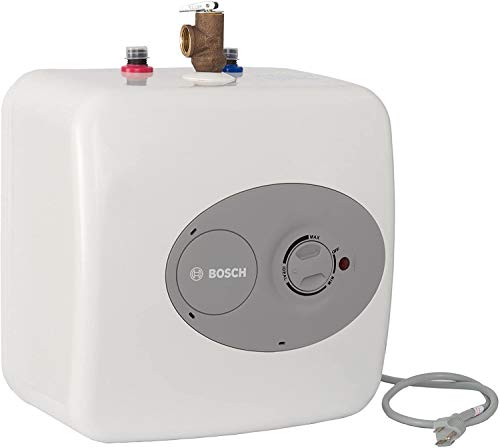
- BrandBOSCH

- BWP Score8.0
BWP Score is a ranking system developed by Bestwinterproducts.com. BWP score has no relationship or impact from any manufacturers or sales agent websites. Learn more
- BrandRheem

- BWP Score8.0
BWP Score is a ranking system developed by Bestwinterproducts.com. BWP score has no relationship or impact from any manufacturers or sales agent websites. Learn more
- BrandECOTINYMACH

- BWP Score7.8
BWP Score is a ranking system developed by Bestwinterproducts.com. BWP score has no relationship or impact from any manufacturers or sales agent websites. Learn more
- BrandLECLOC
- BWP Score6.8
BWP Score is a ranking system developed by Bestwinterproducts.com. BWP score has no relationship or impact from any manufacturers or sales agent websites. Learn more
- BrandRheem
Last update on 2026-09-30 / Affiliate links / Images, Product Titles, and Product Highlights from Amazon Product Advertising API
FAQs
Can I plug a point-of-use water heater into an extension cord?
No, you should never plug a water heater into an extension cord or a power strip. These heaters pull a continuous load of 12 to 15 amps, which can easily overheat the thin wires inside an extension cord, melt the plastic casing, and cause an electrical fire. Always plug the factory cord straight into a grounded wall receptacle.
How long does a mini-tank take to reheat after running cold?
Most 2.5-gallon to 6-gallon mini-tanks recover their full heat in about 15 to 25 minutes. The exact time depends on the wattage of the heating rod and how cold your incoming tap water is. Once the small heating element brings the water back to your set temperature, the thermostat automatically clicks off to save electricity.
Will a small point-of-use tankless heater run a shower?
No, small sink-side tankless heaters cannot handle the flow rate required for a comfortable shower. Standard shower heads flow at 1.5 to 2.5 gallons per minute, while point-of-use tankless units are only built to warm 0.5 to 1.0 gallon per minute. Attempting to run a shower through a sink-sized heater will leave you with freezing water.
Do mini-tank water heaters waste a lot of power keeping water warm all day?
Mini-tank units use very little standby power because modern tanks are wrapped in dense foam insulation that holds heat like a thermos. Once the tank reaches your target temperature, the heating element only switches on for a few minutes every couple of hours to top off minor heat loss. Setting the thermostat dial between 115 and 125 degrees Fahrenheit keeps standby energy use low while preventing accidental scalds.


Best Warm Winter Scarves 2026 For Cozy Comfort

Best Green Ski Goggles 2026 For Clear Vision On Slopes

12 Best Corner Electric Fireplace 2026: My Ultimate Guide To Pick One

Best Battery Powered Snow Blower 2026 For Effortless Snow Clearing

Best Ski Goggles Under 30 Inches For Crisp Vision And Comfort

Best Cooling Scarf 2026 For Instant Relief And Comfort

Fake Snow for Grass: Create a Realistic Winter Lawn Display

Dimplex Prism Wall Mount Fireplace: Sleek Heat With Modern Flame Style





