
Which Point of Use Water Heater Is Right for Your Sink?

Check under the sink for a standard wall outlet before doing anything else. For most homes, a 2.5 to 4-gallon mini-tank heater is the best option because it plugs right in and stops the endless wait for hot water without overloading your electrical panel. Storing heated water right at the faucet gives you immediate warmth without wasting gallons down the drain.
A few home details can change that choice, especially your electrical wiring, cabinet room, and daily water needs. Sleek tankless units fit tight spaces and provide endless warmth, but they require dedicated heavy-duty wiring and extra space in your breaker box. Mini-tanks sit on the cabinet floor and use normal household current, though they can run out if you wash dishes continuously. Here is how to weigh your space and power so you pick the right setup for your sink.
Weigh a small storage tank against on-demand heating for your sink
A point-of-use water heater solves one specific annoyance: waiting for hot water to crawl through cold pipes from a distant central water heater. Putting the heat source right at the sink delivers hot water in seconds. However, how that heat gets delivered depends on whether you choose a mini-tank or a tankless unit.
A mini-tank is a small water tank under the counter. It stores a dedicated batch of water, usually between 1.8 and 7 gallons, keeping it warm around the clock with an insulated jacket and an internal electric heating rod. When you open the hot tap, stored hot water discharges into the basin immediately at full pressure. The trade-off is capacity: once you use up those stored gallons, cold water fills the tank, and you must wait ten to twenty minutes for it to heat back up.
A tankless unit operates on demand and stores no standing water. Cold water flows through narrow heating chambers, where electric elements warm it as it passes through. In theory, this provides endless hot water. In practice, heating cold, fast-moving water instantly requires tremendous electrical power. If you open the faucet wide, the water may rush through too quickly to absorb enough heat, leaving you with lukewarm water.
Winter climate also matters. In northern regions where winter tap water enters your home at 40 degrees Fahrenheit, an electric tankless unit struggles to reach a comfortable 105 degrees. A mini-tank handles cold incoming water easily because it warms the water gradually while sitting idle. If you are outfitting a cold workshop or detached garage sink, pairing an under-sink heater with the best electric heater for garage with thermostat keeps both your plumbing and your workspace comfortable through freezing weather.
Check your electrical outlets and circuit breakers before picking a model
The most common mistake when buying an under-sink water heater is selecting a model your home wiring cannot support. Electric water heaters draw substantial power, and compact tankless units draw far more current than mini-tanks. Before you pick a style, check your electrical panel and the outlet under your sink.
Mini-tanks run on standard household power. Most models operate on 120 volts and draw 1,440 to 1,500 watts. On a normal 120-volt circuit, a 1,440-watt heater pulls 12 amps. Because standard household circuits are rated for 15 amps or 20 amps, a mini-tank can plug into an ordinary grounded wall outlet. However, it takes up almost the entire capacity of a 15-amp circuit while heating. If you share that outlet with a garbage disposal or dishwasher, running both at once can trip your breaker (the safety switch in your main fuse box).
Tankless point-of-use heaters demand much heavier electrical service. Even a small 120-volt tankless unit rated at 3,500 watts pulls close to 30 amps. You cannot plug it into a normal wall socket. Instead, it must be hardwired, which means connected directly to house wiring without a plug, on a dedicated 30-amp circuit. Larger tankless units rated at 6.5 kW or 8 kW run on 240 volts and demand dedicated 30-amp or 40-amp double-pole breakers. If your breaker box has no open slots, adding a 240-volt line requires a costly panel upgrade.
Check these items before buying:
- Look under your sink for a grounded three-prong outlet and verify whether other appliances share that circuit.
- Check the amp rating on your circuit breaker to confirm it can handle a 12-amp mini-tank.
- Inspect your main breaker panel for two empty slots if you plan to install a 240-volt tankless unit.
- Confirm you have a safe route to pull new wiring if no outlet exists under your counter.
Match tank capacity and water flow to your daily chores
Choosing the right size prevents running out of warm water halfway through chores or suffering through a weak trickle. How you use your sink determines whether you need stored volume or fast flow.
For storage heaters, capacity is measured in gallons. A 1.8-gallon or 2.5-gallon mini-tank fits powder rooms, guest half-baths, and office washrooms. It holds plenty of hot water for multiple people to wash hands back to back. A 2.5-gallon tank typically reheats within fifteen minutes after running empty.
A 4-gallon mini-tank works best for kitchen sinks, wet bars, and messy utility basins. Washing greasy pans, filling stockpots, or soaking baking sheets takes continuous warm water. A tiny 1.8-gallon tank runs cold before you finish scrubbing a single pan, but a 4-gallon tank provides enough hot water to wash a normal meal's dishes without interruption. For heavy utility use, 7-gallon tanks offer extra supply, though they take up substantial cabinet room. In compact camper vans or mobile setups where space and battery reserves are limited, owners often compare compact mini-tanks with the best heater for van life to balance comfort with their total electrical draw.
For tankless heaters, capacity is measured by flow speed in gallons per minute (GPM). A compact 3,500-watt, 120-volt tankless unit produces roughly 0.5 GPM of warm water. That creates a modest handwashing stream, which works best with a low-flow faucet aerator (a small mesh screen on the spout that mixes air into the water). If you open the tap to a full 1.5 GPM, that small heater cannot warm the water quickly enough. To get a standard 1.0 to 1.5 GPM flow for dishwashing, you need a 240-volt unit drawing 6.5 kW to 8 kW.
Measure your cabinet clearance and plan your pipe connections
Installing a heater right at the sink requires physical space and proper plumbing alignment. Cabinets are already crowded with drain pipes, valves, and pull-out bins. Careful measuring ensures your heater fits without forcing you to cut away shelving.
- Measure your open cabinet space: Mini-tanks sit on the cabinet floor or hang from a back-wall bracket. A 2.5-gallon tank measures roughly 14 inches tall, 14 inches wide, and 10 to 14 inches deep. A 4-gallon model can reach nearly 15 inches tall and over 21 inches wide. Measure around your sink drain pipe and disposal to confirm the tank clears your cabinet doors. Tankless units are much slimmer, often measuring around 8 to 13 inches tall and 3 to 6 inches deep, mounting directly to the cabinet wall to keep floor space open.
- Check your existing shutoff valves: Point-of-use heaters connect to standard half-inch pipe fittings using flexible, braided stainless steel water lines. Check the shutoff valves under your sink to make sure they turn smoothly and stop water flow completely. If an old valve drips or refuses to turn, replace it before starting your installation.
- Choose between standalone or in-line plumbing: In a standalone setup, you feed cold water into the heater inlet and run its hot outlet directly to your faucet. In an in-line booster setup, you connect the heater cold inlet to the incoming hot water pipe coming from your distant main water heater. The mini-tank supplies instant hot water for the first minute. By the time the mini-tank empties, hot water from your main home heater has finally traveled through the pipes to take over, giving you continuous warmth.
Protect your plumbing with relief valves and call a professional when needed
Water heaters combine high electrical current with thermal pressure. Following basic plumbing safety practices protects your home from leaks and prevents damaged equipment.
- Install a temperature and pressure relief valve: A temperature and pressure relief valve (a safety valve that automatically opens if water pressure or heat inside the tank climbs dangerously high) is mandatory on all mini-tanks. If a thermostat fails, water expands as it heats and can crack pipes without a relief valve. Always attach a discharge pipe pointing down toward the cabinet floor or an open drain pan.
- Avoid dry firing the heating element: If an electric heating element turns on inside an empty tank without water surrounding it, the metal rod burns out and breaks within seconds. After connecting your water lines, turn on the water supply and open the hot faucet completely. Let the water run for a full minute until all trapped air sputters out and a smooth stream flows. Only then should you plug in the power cord or flip on the breaker.
- Know when to hire a professional: If you need to run a new 240-volt electrical circuit from your breaker panel, hire a licensed electrician. If your under-sink plumbing uses rigid copper pipes that require cutting and soldering, a licensed plumber can complete the connections cleanly without risking hidden water leaks inside your cabinetry.
Look for compact point-of-use units that match your existing setup
If waiting for hot water at an isolated sink disrupts your day, adding a dedicated point-of-use heater is an effective fix. The right model is the one that fits your space with the fewest wiring and plumbing changes.
If you have open floor space inside your cabinet and a standard wall outlet nearby, a small plug-in mini-tank is the easiest, most practical upgrade. It delivers instant, full-temperature water without expensive electrical work. If your under-sink space is cramped, you need continuous hot water, and you already have dedicated heavy-duty wiring available, a wall-mounted tankless unit fits best. Verify your cabinet measurements, check your breaker panel capacity, and consider your winter tap water temperature before picking your heater.
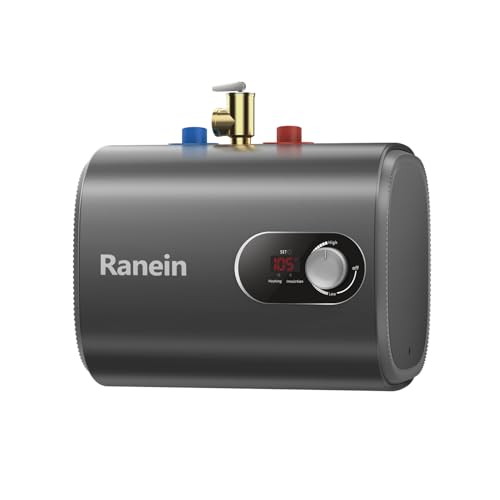
- BWP Score9.6
BWP Score is a ranking system developed by Bestwinterproducts.com. BWP score has no relationship or impact from any manufacturers or sales agent websites. Learn more
- BrandRanein

- BWP Score9.4
BWP Score is a ranking system developed by Bestwinterproducts.com. BWP score has no relationship or impact from any manufacturers or sales agent websites. Learn more
- BrandNessxa

- BWP Score9.4
BWP Score is a ranking system developed by Bestwinterproducts.com. BWP score has no relationship or impact from any manufacturers or sales agent websites. Learn more
- BrandNessxa

- BWP Score9.0
BWP Score is a ranking system developed by Bestwinterproducts.com. BWP score has no relationship or impact from any manufacturers or sales agent websites. Learn more
- BrandECOTOUCH

- BWP Score8.8
BWP Score is a ranking system developed by Bestwinterproducts.com. BWP score has no relationship or impact from any manufacturers or sales agent websites. Learn more
- Brandthermomate
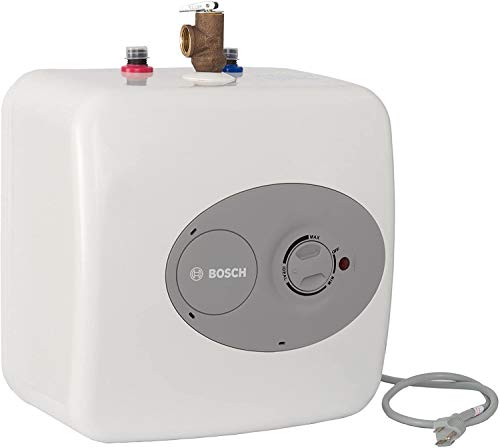
- BWP Score8.4
BWP Score is a ranking system developed by Bestwinterproducts.com. BWP score has no relationship or impact from any manufacturers or sales agent websites. Learn more
- BrandBOSCH
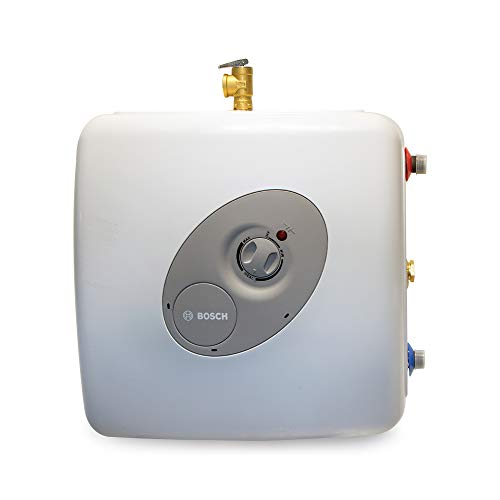
- BWP Score8.4
BWP Score is a ranking system developed by Bestwinterproducts.com. BWP score has no relationship or impact from any manufacturers or sales agent websites. Learn more
- BrandBosch Thermotechnology

- BWP Score8.0
BWP Score is a ranking system developed by Bestwinterproducts.com. BWP score has no relationship or impact from any manufacturers or sales agent websites. Learn more
- BrandRheem

- BWP Score8.0
BWP Score is a ranking system developed by Bestwinterproducts.com. BWP score has no relationship or impact from any manufacturers or sales agent websites. Learn more
- BrandECOTINYMACH
- BWP Score6.8
BWP Score is a ranking system developed by Bestwinterproducts.com. BWP score has no relationship or impact from any manufacturers or sales agent websites. Learn more
- BrandRheem
Last update on 2026-09-30 / Affiliate links / Images, Product Titles, and Product Highlights from Amazon Product Advertising API
FAQs
Can I plug a point-of-use water heater into a regular wall outlet?
You can plug most 1.8-gallon to 4-gallon mini-tank water heaters into a standard 120-volt grounded wall outlet. These models typically draw 1,440 to 1,500 watts, which stays within the safe limit for a standard household circuit. Compact tankless water heaters almost always require dedicated, hardwired electrical lines with higher-amperage circuit breakers, meaning they cannot plug into a standard wall outlet.
What size mini-tank water heater do I need for a kitchen sink?
A 4-gallon mini-tank is the ideal size for a kitchen sink. Washing greasy pots, dinner plates, and pans requires several continuous gallons of hot water. A smaller 1.8-gallon or 2.5-gallon tank works well for washing hands in a half-bath, but it will run cold before you finish cleaning a stack of cookware.
Why does my tankless point-of-use heater only produce lukewarm water?
A tankless point-of-use heater produces lukewarm water when water passes through the unit faster than the heating elements can warm it. In winter, cold incoming tap water requires much more heating power. Reducing your faucet flow rate or installing a low-flow aerator slows the water down, allowing the heating elements to bring the water up to full temperature.
Can I install a mini-tank water heater myself?
Many homeowners can install a 120-volt plug-in mini-tank using basic wrenches and flexible braided water supply lines. The job simply involves connecting hoses between the shutoff valve, the tank, and the faucet. If you do not have an outlet under your sink, or if you choose a 240-volt tankless unit that requires new wiring, hire a licensed electrician to handle the power hookup safely.


Best Warm Winter Scarves 2026 For Cozy Comfort

Best Green Ski Goggles 2026 For Clear Vision On Slopes

12 Best Corner Electric Fireplace 2026: My Ultimate Guide To Pick One

Best Battery Powered Snow Blower 2026 For Effortless Snow Clearing

Best Ski Goggles Under 30 Inches For Crisp Vision And Comfort

Best Cooling Scarf 2026 For Instant Relief And Comfort

Fake Snow for Grass: Create a Realistic Winter Lawn Display

Dimplex Prism Wall Mount Fireplace: Sleek Heat With Modern Flame Style





