
Which Point-of-Use Tankless Water Heater Fits Your Sink?

Most people assume any small heater can simply plug into a standard wall outlet and deliver steaming water on demand. In reality, the best point-of-use tankless water heater is the one sized strictly to your breaker panel and water temperature. A compact unit might warm a gentle stream for washing hands, but delivering genuine heat to a busy faucet requires far more electrical muscle.
What works for a warm climate will leave an unheated garage sink freezing cold. Your incoming groundwater temperature decides how hard the unit must work, while your tap flow rate determines how much water needs warming at once. Crucially, your home electrical panel dictates what your wiring can safely feed without tripping a breaker or forcing an expensive service upgrade. Here is how to match your sink to the right setup.
Your Water Task Dictates The Exact Wattage You Need
Choosing the right point-of-use heater starts with your faucet. Water heaters work by heating water as it moves across an energized electrical element. To pick the right size, you must balance your desired flow rate with the required temperature rise. In plumbing terms, flow rate is measured in GPM, which stands for gallons per minute (how fast water flows from your tap). Temperature rise means how many degrees the heater must add to cold tap water to make it pleasantly warm.
A single bathroom handwashing sink usually runs through a restricted aerator at 0.5 GPM. A compact 3.5-kilowatt or 3,500-watt heater handles this low flow rate without trouble. If you try to run a kitchen sink or an outdoor utility sink on that same small unit, you will get lukewarm water. Kitchen and utility faucets flow at 1.0 to 1.5 GPM. Warming that much water requires a heater drawing between 6 kilowatts and 13 kilowatts.
Many homeowners ask whether a point-of-use tankless heater can run a shower. The short answer is no, not on standard low-power circuits. A standard low-flow showerhead delivers 1.5 to 2.0 GPM. A small 3.5-kilowatt or 6-kilowatt unit simply does not produce enough thermal energy to heat that stream for a shower. Running a dedicated shower requires at least a 13-kilowatt or 14-kilowatt unit connected to a heavy 240-volt power supply, or a centralized whole-home water heater.
When you match your heater to the task, always start by checking the aerator stamped on the tip of your faucet spout. If your faucet flows at 1.5 GPM and you install a unit designed for 0.5 GPM, the water will stay cold unless you turn the handle down to a thin pencil trickle. Selecting the proper wattage prevents this frustration before you run a single pipe.
Standard Wall Outlets Cannot Power Heavy Demand Water Heaters
A common misconception is that an under-sink tankless water heater plugs directly into an ordinary wall outlet. In almost every situation, it cannot. Standard household wall outlets in the United States supply 120 volts on a 15-amp or 20-amp circuit. A 15-amp circuit safely delivers roughly 1,440 continuous watts, while a 20-amp circuit provides about 1,920 continuous watts. Tankless water heaters require far more instantaneous electrical power to warm water on the fly.
Even small 120-volt tankless units draw between 3,000 and 3,500 watts. To run that much power safely, the unit draws 25 to 30 amps. That requires a dedicated breaker (an automatic safety switch in your main electrical panel) and heavy 10 AWG copper wire running straight from your panel. These small units must also be hardwired, meaning they connect directly into home wiring without a wall plug. Plugging a tankless heater into a shared convenience outlet will trip your breaker instantly or melt the receptacle.
If you need higher water flow for a kitchen sink or utility basin, you must step up to a 240-volt electrical supply. A 240-volt heater uses a double-pole breaker, which is a wide breaker that connects across both hot bus bars in your breaker box. A 6-kilowatt unit requires a 30-amp double-pole breaker, while a larger 14-kilowatt heater requires a heavy 60-amp double-pole breaker, 6 AWG wiring, and standard 1/2-inch NPT plumbing fittings.
Before you purchase any tankless model, walk over to your main electrical panel. Make sure your main service panel has enough spare capacity to handle an extra 30-amp to 60-amp load without overloading your home. If your panel is already crowded because you run a clothes dryer, central air, or a dedicated steady electric heater for a garage with a thermostat, adding a high-draw tankless heater may require an electrical panel upgrade.
Cold Winter Groundwater Cuts Your Hot Water Flow In Half
The climate where you live has a direct impact on how well an electric point-of-use heater performs. Water heaters do not create a fixed final temperature out of nowhere. Instead, they add heat to whatever water temperature enters your home from city water mains or an underground well. That incoming temperature changes significantly with geography and the season.
In southern states like Florida or southern Texas, groundwater enters the house at roughly 65°F to 70°F year-round. To bring that water to a comfortable handwashing temperature of 105°F, the heater only needs to produce a 35°F to 40°F temperature rise. Under those mild conditions, a modest 6-kilowatt unit can easily provide 1.07 GPM of hot water, which is plenty for washing dishes or rinsing tools.
In northern states during the middle of winter, groundwater temperatures frequently drop to 40°F or even colder. To reach that same 105°F target from a 40°F baseline, your heater must generate a steep 65°F temperature rise. That requires nearly double the heating energy for the exact same amount of water.
Most modern units feature self-modulating technology, which automatically adjusts heating power to maintain set temperature. When incoming winter water is freezing cold, a self-modulating unit maxes out its heating coils. To keep the water at your chosen temperature, the heater must restrict flow. A heater that delivers a brisk stream in July might drop to a thin 0.5 GPM trickle in January. If you live in a cold region, always size your heater based on your coldest expected winter groundwater temperature.
Mini Tanks Provide Instant Warmth While Tankless Never Runs Out
Homeowners often compare compact tankless heaters with small mini-tank storage heaters when looking to solve hot water delays. Both options fit neatly inside a standard base cabinet, but they operate on completely different principles. Understanding how each heats water helps you avoid buying the wrong design for your space.
A tankless unit stays off until an internal sensor detects that you opened the faucet. Once water starts flowing, the sensor signals the heating element to turn on, which takes 3 to 8 seconds to get glowing hot. That means you still experience a brief burst of cold water before warmth arrives. But once the stream turns hot, it stays hot forever. A tankless unit will never run out of warm water, and its compact body (often around 11 by 8 inches) frees up floor space inside your cabinet.
A mini-tank water heater stores 2.5 to 4 gallons of pre-heated water directly under your sink. The water inside is held at a steady temperature between 77°F and 176°F around the clock. The second you open the tap, steaming water comes out instantly because the hot water is already resting right below the faucet spout. Mini-tanks also require far less electrical power. Most 2.5-gallon and 4-gallon tanks draw only 1,500 watts at 120 volts (about 12 amps), allowing them to plug straight into a standard wall outlet.
Mini-tanks work well in small dwellings, workshops, or compact recreational builds like those requiring a practical heater for van life where heavy electrical service is unavailable. The downside of a mini-tank is its physical bulk and limited capacity. A 4-gallon tank measures around 15 inches high and 21 inches wide, taking up most of your under-sink storage. Once you use up those 4 gallons, you must wait 15 to 20 minutes for the tank to recover, while a tankless unit keeps heating continuously.
Check Your Electrical Panel And Plumbing Before You Choose
Installing an under-sink water heater goes smoothly when you verify your utility connections before ordering parts. Following a straightforward checklist saves you from returning an incompatible heater or discovering hidden installation costs halfway through the job.
- Measure your cabinet space: Use a tape measure to check the height, width, and depth beneath your sink. Account for the drain trap, supply lines, and shutoff valves. A tankless unit easily mounts flat against the back drywall, but a mini-tank requires significant floor clearance.
- Inspect your electrical panel: Open your breaker box door and look at your main service rating, typically 100 amps, 150 amps, or 200 amps. Check whether you have empty breaker slots. A 120-volt unit requires one single-pole slot, while a 240-volt unit requires two adjacent slots for a double-pole breaker.
- Confirm your wire gauge: Check the wiring path from your electrical box to the sink. A 30-amp circuit requires 10 AWG copper wire, while a 60-amp circuit requires thick 6 AWG copper wire. Never connect a heavy-draw heater to thin household wiring.
- Check your faucet aerator flow rate: Look closely at the metal ring at the tip of your faucet spout for stamped text. If it reads 1.5 GPM or 2.2 GPM, determine whether you are willing to replace it with a 0.5 GPM water-saving aerator to match a smaller heater.
- Examine your plumbing pipes: Point-of-use units generally feature 1/2-inch NPT threaded fittings. Check your existing cold-water shutoff valve and make sure you have room to install a tee fitting and flexible braided stainless steel supply lines. In tight floor plans with unique pipe runs, such as spaces planned for a vented heater for a mobile home, make sure your water lines are well supported and leak-free.
Call A Licensed Electrician When Adding New Heavy Circuits
Working with electricity and plumbing inside the same damp, confined cabinet requires strict safety precautions. Water leaks combined with high-amperage electrical wiring create severe shock and fire risks. Knowing your limits protects your home and keeps your installation up to local building codes.
Always turn off the main circuit breaker before touching any electrical wiring or opening junction boxes. If your project involves adding a new 120-volt 30-amp line or running a heavy 240-volt circuit from your breaker box, hire a licensed electrician. An electrician calculates the total load on your panel, pulls the proper gauge wire through your walls, and connects the breaker safely. They also ensure the heater is properly grounded to prevent stray currents from electrifying your water pipes.
Stop what you are doing and consult a qualified professional if you notice any of these warning signs:
- Your breaker trips the moment the faucet is turned on.
- The electrical conduit, wall plate, or breaker handle feels hot to the touch during use.
- Room lights flicker or dim noticeably whenever the hot water tap runs.
- Your main breaker panel is an older 100-amp model with no spare slots.
- You see water dripping onto electrical conduits, junction boxes, or wiring entry ports.
Plumbing safety matters just as much. If you are installing a mini-tank heater, you must install a temperature and pressure relief valve to prevent tank rupture if internal pressure spikes. If you are uncomfortable cutting copper pipes, sweating fittings, or threading brass valves, call a licensed plumber to hook up the water supply lines.
Choosing The Right Style Of Point Of Use Water Heater
The ideal point-of-use water heater depends on balancing your hot water expectations against the electrical capacity in your walls. For a guest bathroom sink or powder room where people only wash hands, a compact 120-volt tankless unit hardwired to a dedicated 30-amp circuit provides endless warm water while taking up virtually no cabinet space.
For high-demand fixtures like kitchen sinks, utility basins, or sinks in colder northern climates, a 240-volt tankless unit is necessary. These higher-powered heaters produce the temperature rise required to turn cold groundwater into truly hot water without slowing your faucet to an unusable trickle, provided your electrical panel can support the heavy breaker load.
If running a new high-amperage circuit from your electrical panel across the house is too expensive or physically impossible, a plug-in mini-tank storage heater is the most practical choice. It plugs directly into an existing standard outlet, delivers hot water to the faucet instantly, and solves your cold-water delay without requiring any electrical remodeling.

- BWP Score9.4
BWP Score is a ranking system developed by Bestwinterproducts.com. BWP score has no relationship or impact from any manufacturers or sales agent websites. Learn more
- BrandNessxa

- BWP Score9.2
BWP Score is a ranking system developed by Bestwinterproducts.com. BWP score has no relationship or impact from any manufacturers or sales agent websites. Learn more
- BrandOrbek

- BWP Score8.8
BWP Score is a ranking system developed by Bestwinterproducts.com. BWP score has no relationship or impact from any manufacturers or sales agent websites. Learn more
- Brandthermomate

- BWP Score8.6
BWP Score is a ranking system developed by Bestwinterproducts.com. BWP score has no relationship or impact from any manufacturers or sales agent websites. Learn more
- BrandEcoSmart
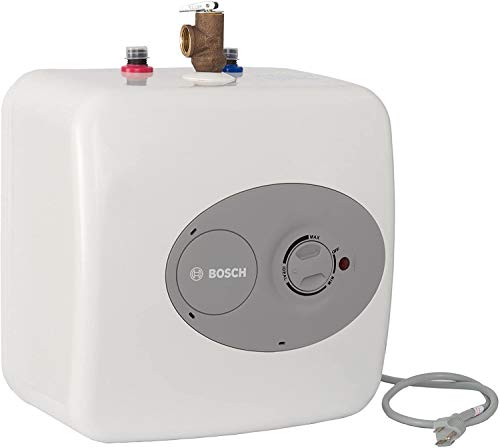
- BWP Score8.4
BWP Score is a ranking system developed by Bestwinterproducts.com. BWP score has no relationship or impact from any manufacturers or sales agent websites. Learn more
- BrandBOSCH

- BWP Score8.4
BWP Score is a ranking system developed by Bestwinterproducts.com. BWP score has no relationship or impact from any manufacturers or sales agent websites. Learn more
- Brandthermomate

- BWP Score8.0
BWP Score is a ranking system developed by Bestwinterproducts.com. BWP score has no relationship or impact from any manufacturers or sales agent websites. Learn more
- BrandRheem

- BWP Score8.0
BWP Score is a ranking system developed by Bestwinterproducts.com. BWP score has no relationship or impact from any manufacturers or sales agent websites. Learn more
- BrandECOTINYMACH
- BWP Score6.8
BWP Score is a ranking system developed by Bestwinterproducts.com. BWP score has no relationship or impact from any manufacturers or sales agent websites. Learn more
- BrandRheem
Last update on 2026-10-01 / Affiliate links / Images, Product Titles, and Product Highlights from Amazon Product Advertising API


Best Warm Winter Scarves 2026 For Cozy Comfort

Best Green Ski Goggles 2026 For Clear Vision On Slopes

12 Best Corner Electric Fireplace 2026: My Ultimate Guide To Pick One

Best Battery Powered Snow Blower 2026 For Effortless Snow Clearing

Best Ski Goggles Under 30 Inches For Crisp Vision And Comfort

Best Cooling Scarf 2026 For Instant Relief And Comfort

Fake Snow for Grass: Create a Realistic Winter Lawn Display

Dimplex Prism Wall Mount Fireplace: Sleek Heat With Modern Flame Style





