
Which Point-of-Use Water Heater Fits Your Kitchen Sink?

Most homeowners assume a sleek tankless box is the cleanest way to stop waiting for hot water at the kitchen sink. In reality, a 2.5 to 4-gallon electric mini-tank is almost always the better choice. Tiny tankless heaters cannot warm cold water fast enough without expensive electrical upgrades, while a small storage tank plugs straight into a standard household wall outlet and feeds your regular faucet.
The best setup for your kitchen still depends on three simple things. First is cabinet space, since the tank must squeeze past drain pipes and a garbage disposal. Second is your outlet, which needs to handle the heater without tripping breakers. Last is your daily routine, whether you need warm water for greasy dinner pans or a separate boiling spout for hot tea. Here is how to find the right fit for your sink without unexpected wiring costs.
Mini-tank heaters beat tankless units for standard kitchen outlets
Waiting for hot water at the kitchen sink is a daily annoyance. If your central water heater sits down in the basement or out in the garage, hot water must travel through dozens of feet of cold pipe before reaching your faucet. That long journey forces you to run the tap for two or three minutes just to wash a butter knife or rinse your hands, sending clean water straight down the drain.
A point-of-use heater (a heater installed right at the sink) solves this delay by heating water directly inside your cabinet. Homeowners usually look at two different styles: a tankless electric heater or an electric mini-tank (a small water tank inside the cabinet). While tankless heaters sound modern because they do not take up space with a storage tank, they are rarely practical under an existing kitchen sink.
An electric tankless unit heats water instantly as it moves through the pipe. Raising cold tap water to dishwashing heat in a fraction of a second requires a massive surge of electrical power. Most under-sink tankless heaters require a heavy 240-volt electrical circuit drawing 30 to 50 amps. Standard kitchen sink cabinets only have normal 120-volt household plugs. Hiring an electrician to pull thick new wires through your walls from your main breaker panel can easily cost hundreds or thousands of dollars.
A mini-tank heater works much better for standard homes. It keeps 2.5 to 4 gallons of water warm and ready using a standard 120-volt plug. Because it holds water in reserve, it uses a modest heating element that fits your home's existing electrical system without rewiring the kitchen.
Another option you might notice is an instant hot water dispenser. These systems use a tiny under-counter tank, often holding around two-thirds of a gallon, linked to a dedicated mini-faucet on your countertop. They produce near-boiling water around 200 degrees Fahrenheit, which is perfect for steeping tea or making oatmeal. But these dispensers only feed their own small spout. They do not deliver warm water to your main kitchen faucet for washing greasy skillets, scrubbing dishes, or rinsing food scraps.
Your existing under-sink outlet must handle fifteen amps safely
Before you purchase any under-sink heater, look directly into the cabinet beneath your plumbing. You will likely see an electrical outlet on the back wall. In most kitchens, this outlet already powers the garbage disposal, the dishwasher, or both. You must confirm that this plug can safely support a water heater before you hook anything up.
A standard 120-volt mini-tank draws roughly 1,400 to 1,500 watts while warming water. In everyday terms, that means the unit pulls about 12 to 12.5 amps of continuous electrical current on a circuit typically protected by a 15-amp or 20-amp breaker. If your heater switches on while your dishwasher is mid-cycle and someone runs the garbage disposal, the circuit will quickly overload and snap the breaker.
Use this electrical checklist to verify your kitchen setup before buying:
- Identify switched sockets: Plug a small desk lamp or nightlight into the empty socket under your sink and flip your garbage disposal wall switch. If the light turns off with the switch, that socket is controlled by the wall toggle. A water heater plugged into that socket will lose power every time you turn the disposal off. Many under-sink outlets are split, meaning one socket has constant power while the other is switched. Always plug the heater into the constant-power socket.
- Check circuit capacity: Check your main electrical panel to see which breaker controls the kitchen sink outlet. A dedicated circuit (a wire running alone to the breaker box) is ideal for a water heater. If the circuit already shares heavy kitchen appliances, running a 1,500-watt heater on the same line may trip the breaker during busy meal prep times.
- Inspect wall outlet safety: Your under-sink outlet must be a grounded, three-prong receptacle. Never use an extension cord, a two-prong adapter, or a multi-plug surge protector under a sink. High electrical loads traveling through loose plug connections create heat that can melt plastic and spark an electrical fire.
- Confirm moisture protection: Because the outlet sits inches away from water lines, it should be protected by a ground-fault circuit interrupter. This safety device shuts off power within milliseconds if water creates an electrical leak. If your outlet lacks test and reset buttons, or is not tied to a safety breaker at the panel, have a qualified electrician inspect it.
A small tank size must match your daily dishwashing
Under-sink cabinets are crowded spaces. Between the deep basin of the sink, the wide body of the garbage disposal, the curved drain pipes, and water filtration filters, open floor space is scarce. Choosing the right water heater requires balancing your daily need for hot water against the physical space available in the cabinet.
Most kitchen sink installations rely on either a 2.5-gallon or a 4-gallon mini-tank. A 2.5-gallon tank typically measures around 14 inches tall, wide, and deep. Its compact cube shape allows it to slip neatly beside a garbage disposal or mount onto the side wall of the cabinet frame. A 4-gallon tank is noticeably bulkier, often measuring 15 to 21 inches across. You must measure your cabinet with a tape measure to confirm the door will close completely without hitting the front of the tank.
Consider your daily kitchen habits when choosing a tank capacity:
- A 2.5-gallon tank fits light routines: If you use an automatic dishwasher for plates and only use the sink tap for washing hands, rinsing coffee mugs, and prepping vegetables, 2.5 gallons is plenty. It provides enough warm water for quick tasks without taking over your storage space.
- A 4-gallon tank handles heavy hand-washing: If you hand-wash large dinner pots, baking sheets, and heavy skillets, a 2.5-gallon tank can run cold before you finish rinsing. A 4-gallon model gives you the extra hot water needed to fill a sink basin with hot soapy suds.
Every mini-tank has a specific recovery rate (how fast water reheats once the tank is drained). Because these units run on 120-volt power, reheating a fully emptied tank takes roughly 15 to 25 minutes. If you drain all the hot water during a big cleanup, you will have to wait for the electric element to warm the next batch.
You can eliminate that wait by setting up your mini-tank as an inline booster. Instead of feeding the mini-tank with cold groundwater, you connect it to your distant central water heater line. The mini-tank delivers hot water instantly the moment you turn the handle. By the time the mini-tank runs low on its own stored supply, the hot water from your main home heater has finally traveled down the pipes and entered the mini-tank, giving you uninterrupted hot water for as long as you leave the faucet open.
If you are building out a compact galley in a recreational vehicle or converted bus, managing small physical footprints and electrical loads requires a similar approach to choosing the best heater for van life. In tight quarters, a compact tank combined with low amp draw prevents dead batteries and cluttered cabinets.
Connecting the heater into your plumbing takes four simple steps
Connecting a point-of-use mini-tank to your kitchen plumbing is straightforward. You only need basic tools like an adjustable wrench, a bucket, and plumbing tape. Follow these steps in order to prevent messy water leaks inside your wood cabinetry.
- Turn off the water supply: Locate the oval shutoff valves on the wall beneath your sink. Turn both the hot and cold valves fully clockwise until they are snug. Turn on your kitchen faucet handles to relieve the built-up line pressure and let any residual water drain into your sink basin. Place a shallow pan or towel beneath the shutoff valves to catch drips when you unthread the lines.
- Choose and run your supply lines: Disconnect the flexible supply hose that currently runs between your shutoff valve and your kitchen faucet. If you want the mini-tank to act as a standalone heater, connect a braided stainless-steel supply line from your cold water valve to the cold water inlet port on the mini-tank. If you are using the heater as an inline booster, connect the supply line coming from your hot water shutoff valve into the cold inlet port of the mini-tank. Then, connect a second braided line from the hot outlet port of the mini-tank directly up to the hot water connection on your faucet.
- Install the safety relief valve: Every storage water heater includes a temperature and pressure relief valve (a safety valve that automatically opens if the internal tank gets dangerously hot or over-pressurized). Thread this brass valve directly into the marked port on your mini-tank, sealing the threads with plumbing tape. Attach a short discharge pipe to the valve, directing the open end downward toward the cabinet floor or into a drain pan. Never plug or cap this safety valve.
- Fill the tank and inspect for leaks: Do not plug the electrical cord into the wall yet. Slowly open your under-sink water shutoff valves to allow water to fill the mini-tank. Turn on the hot water handle on your kitchen faucet. At first, the faucet will sputter loudly as air escapes the lines. Keep the faucet running until a steady, unbroken stream of water pours into the sink. Finally, wipe every threaded joint with a dry paper towel to confirm there are no weeping leaks.
For sinks installed in detached workshops or cold storage rooms, protecting exposed plumbing lines from winter freezes is just as critical as maintaining room warmth with the best electric heater for garage with thermostat. Cold drafts can freeze under-sink lines if the cabinet doors remain closed during freezing snaps.
Prevent dry firing and blown circuits before turning power on
Most problems with point-of-use water heaters occur during the first few minutes after installation. Taking a few moments to double-check your setup protects your heating element and keeps your home safe.
The most common rookie mistake is dry firing (burning out a heating element without water). Electric heating elements are designed to transfer their extreme heat directly into surrounding water. If you plug the unit into the wall while the tank contains air, the metal element glows red-hot within seconds, snaps, and burns out permanently. An element that has dry-fired cannot be repaired and must be replaced. Always confirm water flows smoothly from your faucet tap before inserting the power plug into your wall outlet.
Keep these safety precautions in mind to keep your heater running smoothly:
- Avoid extreme temperature settings: Most mini-tank dials allow you to set water temperatures anywhere from 77 degrees to 176 degrees Fahrenheit. Setting your tank above 120 degrees Fahrenheit creates an immediate scalding danger for children and elderly family members. Water at 140 degrees can cause serious burns in seconds. Keeping your dial at 120 degrees cuts through food grease while protecting your family and reducing hard mineral buildup inside the tank.
- Manage thermal expansion: When cold water warms up inside a closed metal tank, the water naturally expands. If your plumbing system features a check valve or a pressure-reducing valve, this expanding volume has nowhere to push back into the street supply. This trapped pressure can cause your safety relief valve to weep small drops of water under the cabinet. If this occurs, you may need to add a small under-sink expansion tank to absorb the excess pressure.
- Monitor the wall outlet temperature: After your heater has been running for thirty minutes, gently place your hand on the plastic wall plug and the outlet plate. The plug should feel slightly warm to the touch, but never hot. If the outlet feels hot, smells like heated plastic, or shows scorch marks, unplug the heater immediately and call a licensed electrician.
- Never bypass safety features: If your circuit breaker trips repeatedly when the water heater turns on, do not swap the breaker for a larger size. Circuit breakers are sized strictly to protect the gauge of copper wire hidden inside your home's walls. Putting a larger breaker on standard wiring can overheat the wires inside your wall and cause an electrical fire.
What to look for before buying an under-sink heater
Choosing an under-sink water heater comes down to picking a unit that matches your daily chores, fits into your available cabinet space, and plugs directly into your existing electrical setup without causing breaker trips.
For most households, an electric mini-tank holding between 2.5 and 4 gallons of water is the most practical choice. It provides instant hot water right at your primary faucet without the expensive electrical panel upgrades required by whole-house tankless systems. If your main goal is simply having near-boiling water on tap for hot tea and instant cooking, a compact dispenser system with an auxiliary spout offers a streamlined, counter-mounted alternative.
Before making a final choice, carefully measure the height, width, and depth of your under-sink space, leaving plenty of clearance around the sink basin, the garbage disposal, and the drain pipes. Verify that the unit is rated for 120-volt power with a standard grounded plug, and confirm that your under-sink circuit has the capacity to run it safely. Look for tanks with durable glass linings or stainless-steel construction to resist corrosion, and ensure the unit features an accessible front temperature dial so you can easily adjust heat settings throughout the changing seasons.

- BWP Score9.4
BWP Score is a ranking system developed by Bestwinterproducts.com. BWP score has no relationship or impact from any manufacturers or sales agent websites. Learn more
- BrandNessxa

- BWP Score9.2
BWP Score is a ranking system developed by Bestwinterproducts.com. BWP score has no relationship or impact from any manufacturers or sales agent websites. Learn more
- BrandCBath

- BWP Score9.2
BWP Score is a ranking system developed by Bestwinterproducts.com. BWP score has no relationship or impact from any manufacturers or sales agent websites. Learn more
- BrandInSinkErator

- BWP Score9.0
BWP Score is a ranking system developed by Bestwinterproducts.com. BWP score has no relationship or impact from any manufacturers or sales agent websites. Learn more
- BrandInSinkErator
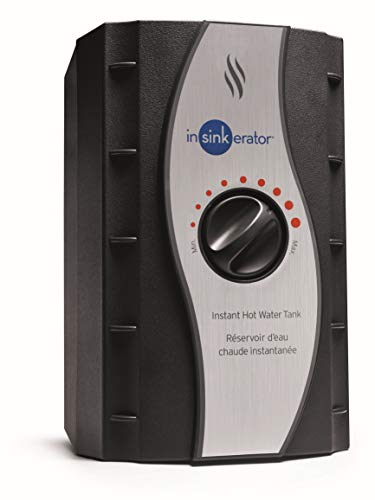
- BWP Score8.6
BWP Score is a ranking system developed by Bestwinterproducts.com. BWP score has no relationship or impact from any manufacturers or sales agent websites. Learn more
- BrandInSinkErator
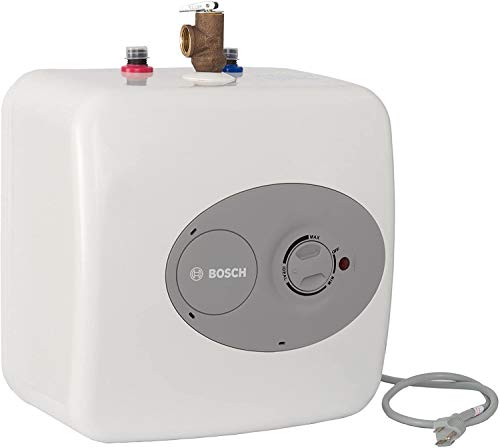
- BWP Score8.4
BWP Score is a ranking system developed by Bestwinterproducts.com. BWP score has no relationship or impact from any manufacturers or sales agent websites. Learn more
- BrandBOSCH
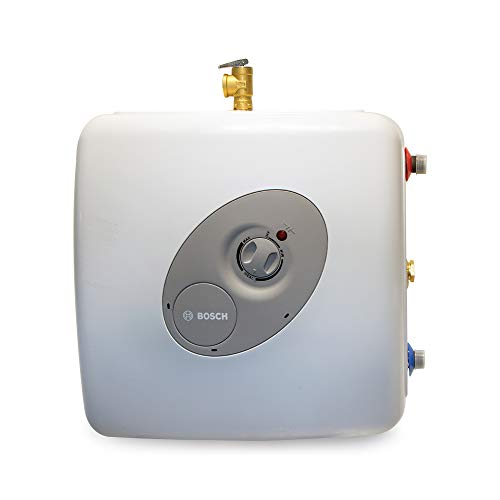
- BWP Score8.4
BWP Score is a ranking system developed by Bestwinterproducts.com. BWP score has no relationship or impact from any manufacturers or sales agent websites. Learn more
- BrandBosch Thermotechnology

- BWP Score8.4
BWP Score is a ranking system developed by Bestwinterproducts.com. BWP score has no relationship or impact from any manufacturers or sales agent websites. Learn more
- BrandEccotemp
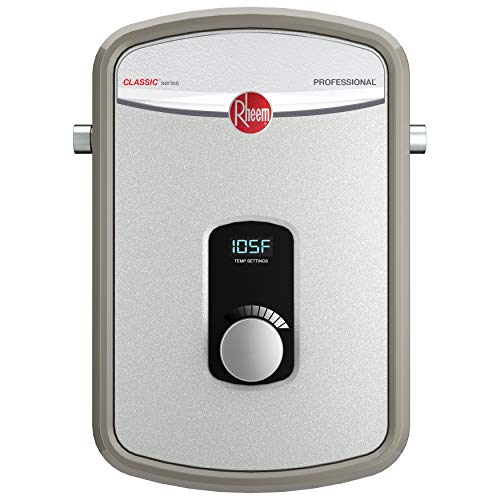
- BWP Score8.2
BWP Score is a ranking system developed by Bestwinterproducts.com. BWP score has no relationship or impact from any manufacturers or sales agent websites. Learn more
- BrandRheem
Last update on 2026-10-01 / Affiliate links / Images, Product Titles, and Product Highlights from Amazon Product Advertising API
.jpg)

Best Warm Winter Scarves 2026 For Cozy Comfort

Best Green Ski Goggles 2026 For Clear Vision On Slopes

12 Best Corner Electric Fireplace 2026: My Ultimate Guide To Pick One

Best Battery Powered Snow Blower 2026 For Effortless Snow Clearing

Best Ski Goggles Under 30 Inches For Crisp Vision And Comfort

Best Cooling Scarf 2026 For Instant Relief And Comfort

Fake Snow for Grass: Create a Realistic Winter Lawn Display

Dimplex Prism Wall Mount Fireplace: Sleek Heat With Modern Flame Style





