
Which Point of Use Water Heater Fits Your Sink and Wiring?

Cold water splashes over frozen fingers while the tap runs endlessly, waiting for heat to travel from a basement tank on the other side of the house. For most homes, a compact mini-tank heater holding two to four gallons is the best choice because it plugs into a standard wall outlet without any rewiring. Units that heat water on demand without a tank sound tempting, but they need massive electrical power that ordinary household plugs cannot supply.
The right choice comes down to what sits inside your walls and under your counter. A small powder room sink used only for washing hands needs far less hot water and power than a kitchen island where someone washes dinner pans. Available space under the sink and the chill of your incoming water in winter also shape how well each unit performs. Checking your electrical setup first keeps you from blowing a circuit breaker or running out of hot water mid-rinse.
Choose Between a Mini-Tank and a Tankless Unit Based on Your Wiring
The choice between a mini-tank and a tankless heater comes down to the electrical wiring already behind your wall. A mini-tank is a small water tank under the cabinet that keeps between 1.5 and 8 gallons of water constantly hot. It uses a standard heating rod that draws around 1,440 to 1,500 watts, which is about 12 to 12.5 amps on a standard 120-volt household circuit. Because of that modest electrical draw, almost any homeowner can plug a mini-tank directly into an existing three-prong wall socket without touching the breaker panel.
A tankless heater works completely differently by heating water on demand without storing it. To heat cold water the very second you turn the handle, the heating coils need an immense burst of electrical power. Even a small tankless unit meant for a single faucet draws between 3,000 and 3,500 watts on a 120-volt circuit, pulling close to 30 amps. Larger models require a dedicated 240-volt double-pole breaker, similar to what an electric clothes dryer uses. If you do not have a heavy-duty power line already running under your sink, a tankless unit cannot simply be plugged in.
Groundwater temperature also changes how these two designs perform in real life. In cold winter months, incoming water from city pipes or a well can drop below 45 degrees Fahrenheit. A small tankless heater trying to warm freezing water in real time often struggles, giving you a lukewarm stream unless you dial the faucet back to a slow trickle. A mini-tank holds its stored water at your chosen warmth regardless of outside weather. You get full water pressure at full temperature right away, but you must wait through the recovery time (how long the tank takes to reheat) once the stored water empties.
Check Your Wall Outlet and Breaker Box Before You Shop
Before you spend money on any under-sink heater, inspect your electrical setup to see what your home can handle safely. Many people buy a unit only to find there is nowhere to plug it in, or they trip a safety switch the moment they turn on the tap. Walk through these simple checks with a flashlight:
- Look inside the sink cabinet: Check the back and side walls of the cabinet for a three-prong electrical outlet. Confirm whether it is a ground fault outlet with reset buttons, which protects against water-related electrical shocks.
- Identify what else shares the socket: Look at what is already plugged in under your sink. If your garbage disposal or dishwasher uses that same outlet, running a 1,500-watt water heater on the same line will likely overload the circuit.
- Inspect your circuit breaker panel: Walk to your home electrical box and locate the breaker that controls the sink area. Read the number stamped on the switch handle. A standard 15-amp breaker can safely carry a 1,440-watt mini-tank only if no other major appliances run on that exact line at the same time. A 20-amp breaker gives you much more breathing room.
- Check the plug style on the heater: Look closely at the product details before buying. Many mini-tanks include a standard three-prong power cord that pushes right into a wall socket. Most tankless models do not have a plug at all because building codes require them to be hardwired directly into a metal junction box.
- Account for detached spaces: If you are adding hot water to an outbuilding or workshop, verify the total electrical supply on that subpanel. Running an under-sink heater while operating heavy power tools or an electric garage heater with a thermostat can quickly max out your available amperage.
Match the Tank Capacity to How You Use the Sink
Getting the right size mini-tank depends on the exact chores you do at that specific basin. If the tank is too small, you will run out of warm water halfway through your task. If the tank is too large, it will take up your entire storage space and waste electricity keeping unused gallons hot all day.
For a powder room, half-bath, or workshop handwashing station, a 1.8-gallon to 2.5-gallon mini-tank is plenty. Washing your hands takes roughly one-third of a gallon of warm water. A 2.5-gallon tank allows several people to wash their hands back-to-back before the water turns cool. With a typical 1,440-watt heating element, the tank takes only 10 to 15 minutes to reheat to full temperature.
For a kitchen sink or an active utility basin, you need a 4-gallon to 8-gallon tank. Rinsing plates, washing greasy pots, and soaking dishes uses a steady flow of hot water for several minutes at a time. A small 2-gallon tank will run cold before you finish scrubbing a single roasting pan. A 4-gallon or 6-gallon unit provides the buffer you need to finish the dishes while the internal heating rod works to restore warmth in the background.
If you are outfitting a mobile setup or off-grid cabin, power conservation is everything. Many camper owners setting up their sinks while researching ways for staying warm off-grid in a van discover that shore power pedestals have strict 15-amp or 30-amp limits. A compact 2.5-gallon mini-tank drawing 12 amps leaves enough electrical capacity for lights and small devices without tripping the master breaker.
Measure Under-Sink Clearance and Water Lines Step by Step
Plumbing spaces are cramped and crowded with drain pipes, shutoff valves, and mounting hardware. Following these steps before you order a heater ensures the unit fits without forcing you to reconstruct your cabinet:
- Measure the physical cabinet opening: Open the cabinet doors and measure the narrowest gap between the door frames. A heater might fit inside the open cabinet space but be too wide to slide through the front doorway. Mini-tanks typically measure between 13 and 18 inches on each side.
- Map out existing plumbing obstacles: Measure the space around your curved drain trap (the P-trap) and your garbage disposal. Leave at least 3 inches of empty space above the heater so you have room to screw on water lines and the safety relief valve without pinching any hoses.
- Calculate the filled operating weight: Water weighs roughly 8.3 pounds per gallon. A 4-gallon mini-tank weighs around 15 to 20 pounds empty, but it weighs over 50 pounds once full. If you plan to hang the unit on a cabinet wall or drywall rather than resting it on the cabinet floor, make sure you can anchor the bracket directly into a solid wood wall stud.
- Check your pipe thread sizes: Inspect the shutoff valves under your sink. Most home sink faucets use small 3/8-inch flexible compression lines, but most point of use water heaters use larger 1/2-inch National Pipe Thread fittings. Buy flexible braided stainless steel adapter hoses that match both sizes so you do not have to solder or glue rigid pipes.
- Install an accessible shutoff valve: Place a simple quarter-turn brass valve on the cold water pipe right before it enters the heater. This lets you shut off the water to service the unit or drain the tank without cutting off water to the rest of your home.
Avoid the Plumbing and Wiring Errors That Cause Cold Water
Most problems with under-sink heaters come from simple installation mistakes rather than faulty equipment. Taking your time during setup protects the appliance and prevents water damage under your sink.
The most common mistake is dry firing the heating rod. When you buy a brand-new water heater, the tank is completely full of air. If you plug the power cord into the wall before the tank fills with water, the electric heating element turns red hot and burns out in less than 15 seconds. Always hook up your plumbing lines first. Turn on the cold water supply valve, open the hot tap on your faucet, and let the water run until all the sputtering air escapes and a solid stream of water flows smoothly. Only then should you plug the power cord into the wall.
Never power a water heater through an extension cord, power strip, or multi-outlet surge protector. A water heater pulls a continuous heavy electrical load for 15 to 20 minutes at a time while heating. Thin extension cords and plastic surge strips cannot handle continuous high amperage. They will overheat, melt their plastic housings, and create a severe fire hazard under your counter. The power cord must plug directly into a firmly mounted wall receptacle.
Never block or plug the temperature and pressure relief valve. This brass valve is a critical safety release that opens automatically if the water gets dangerously hot or builds excessive pressure. Install the valve according to the manufacturer instructions, and attach a short copper or rigid plastic discharge pipe pointing downward toward the floor. Inspect the pipe once a year to confirm it is clear of mineral buildup.
Pay close attention to the inlet and outlet ports on the heater body. The cold water inlet is marked with a blue ring, and the hot water outlet is marked with a red ring. Inside the tank, a plastic dip tube sends incoming cold water straight to the bottom so it can be heated by the element. If you accidentally hook the pipes up backward, incoming cold water will siphon directly out through the hot tap, leaving you with only 30 seconds of warm water before the faucet runs cold.
Select the Right Style of Heater for Your Space and Daily Needs
Choosing the right heater comes down to picking an appliance that matches your existing plumbing layout and available electrical capacity. For the vast majority of homeowners who want faster hot water without hiring an electrician, a compact 120-volt mini-tank heater is the most practical choice. It plugs directly into a standard household outlet, fits neatly into base cabinetry, and delivers immediate hot water the moment you turn the sink tap.
When you prepare to select a unit, look for a tank built with a porcelain enamel or glass lining, which shields the interior metal shell from rust, pinhole leaks, and mineral scale buildup. Look for an external temperature dial on the front cover so you can easily adjust the heat between 100 and 140 degrees Fahrenheit without needing special tools. Make sure the unit carries a recognized safety certification mark, such as a UL or ETL listing, stamped directly on the manufacturer label. If you decide on a tankless model instead, hire a licensed electrician to verify your panel capacity and run the dedicated high-amp line before you bring the unit home.
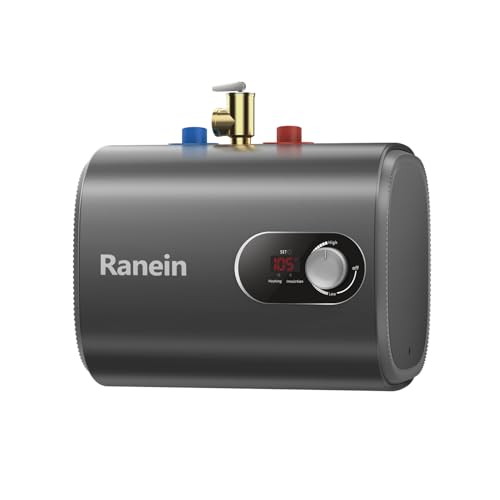
- BWP Score9.6
BWP Score is a ranking system developed by Bestwinterproducts.com. BWP score has no relationship or impact from any manufacturers or sales agent websites. Learn more
- BrandRanein

- BWP Score9.4
BWP Score is a ranking system developed by Bestwinterproducts.com. BWP score has no relationship or impact from any manufacturers or sales agent websites. Learn more
- BrandNessxa

- BWP Score9.4
BWP Score is a ranking system developed by Bestwinterproducts.com. BWP score has no relationship or impact from any manufacturers or sales agent websites. Learn more
- BrandNessxa

- BWP Score8.8
BWP Score is a ranking system developed by Bestwinterproducts.com. BWP score has no relationship or impact from any manufacturers or sales agent websites. Learn more
- Brandthermomate

- BWP Score8.8
BWP Score is a ranking system developed by Bestwinterproducts.com. BWP score has no relationship or impact from any manufacturers or sales agent websites. Learn more
- Brandthermomate

- BWP Score8.8
BWP Score is a ranking system developed by Bestwinterproducts.com. BWP score has no relationship or impact from any manufacturers or sales agent websites. Learn more
- BrandCAMPLUX ENJOY OUTDOOR LIFE
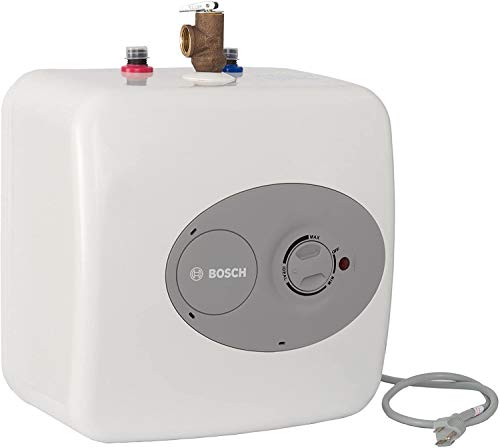
- BWP Score8.4
BWP Score is a ranking system developed by Bestwinterproducts.com. BWP score has no relationship or impact from any manufacturers or sales agent websites. Learn more
- BrandBOSCH

- BWP Score8.0
BWP Score is a ranking system developed by Bestwinterproducts.com. BWP score has no relationship or impact from any manufacturers or sales agent websites. Learn more
- BrandECOTINYMACH

- BWP Score8.0
BWP Score is a ranking system developed by Bestwinterproducts.com. BWP score has no relationship or impact from any manufacturers or sales agent websites. Learn more
- BrandRheem
- BWP Score6.8
BWP Score is a ranking system developed by Bestwinterproducts.com. BWP score has no relationship or impact from any manufacturers or sales agent websites. Learn more
- BrandRheem
Last update on 2026-09-30 / Affiliate links / Images, Product Titles, and Product Highlights from Amazon Product Advertising API
FAQs
Can I plug a point of use water heater into a normal wall outlet?
Yes, you can plug most 2.5-gallon to 4-gallon mini-tank water heaters into a standard 120-volt household wall outlet. These models use between 1,440 and 1,500 watts, which draws around 12.5 amps. However, you should confirm that the outlet is on a dedicated line or does not share its circuit with other high-draw appliances like dishwashers or space heaters, which could trip your breaker.
Why does my mini-tank water heater run out of hot water so fast?
A mini-tank runs out of hot water quickly if the tank capacity is too small for the job, or if the water lines were hooked up backward during installation. If the cold water line is attached to the hot outlet port, cold water flows straight to the faucet instead of forcing stored hot water out first. Cold incoming winter water can also dilute small tanks faster during heavy use.
Do I need an electrician or a plumber to install an under-sink water heater?
If you choose a 120-volt plug-in mini-tank and already have an outlet under your sink, you can usually install it yourself using flexible braided water lines and basic hand tools. However, if you choose a tankless unit that requires hardwiring, or if your cabinet lacks an electrical outlet, you should hire a licensed electrician to run a dedicated circuit safely from your breaker panel.
Can one point of use water heater supply two different sinks?
A single point of use heater can supply two sinks only if the basins sit right next to each other, such as a double vanity in a primary bathroom. If the sinks are located in different rooms, running long hot water pipes between them defeats the entire purpose of point of use heating, because water cools down while sitting inside the pipes between uses.


Best Warm Winter Scarves 2026 For Cozy Comfort

Best Green Ski Goggles 2026 For Clear Vision On Slopes

12 Best Corner Electric Fireplace 2026: My Ultimate Guide To Pick One

Best Battery Powered Snow Blower 2026 For Effortless Snow Clearing

Best Ski Goggles Under 30 Inches For Crisp Vision And Comfort

Best Cooling Scarf 2026 For Instant Relief And Comfort

Fake Snow for Grass: Create a Realistic Winter Lawn Display

Dimplex Prism Wall Mount Fireplace: Sleek Heat With Modern Flame Style





