
What Temperature Should You Set Your Heater at Night?

Set the temperature control dial between 60°F and 67°F before heading to bed tonight. Aiming for 65°F gives healthy adults the best balance of deep, restful sleep and manageable heating costs, since the body naturally cools down during sleep. Pushing the heat past that range often leads to dry sinuses, restlessness, and wasted electricity.
That baseline shifts depending on who sleeps in the room and how you warm the space. Babies and older family members need slightly warmer air, usually between 68°F and 72°F, to stay safe and comfortable. Thick bedding, drafty windows, and the choice between running whole-house heat or a bedroom space heater also change what works best. Here is how to find the perfect nighttime balance for your household.
Why is 65 degrees best for nighttime sleep?
Your body naturally cools down as bedtime approaches. A few hours before you fall asleep, your brain begins releasing melatonin, which cues your internal clock that it is time to rest. As part of this natural rhythm, your blood vessels expand to release heat from your core out through your hands and feet. This cooling process lowers your core body temperature by about one to two degrees Fahrenheit, which helps you slip into deep, restorative sleep stages.
Setting your temperature control dial between 60°F and 67°F supports this biological drop. For most healthy adults, 65°F serves as the standard sweet spot. At this temperature, your body does not need to sweat to cool off, nor does it need to shiver to stay warm. You stay comfortable under a standard quilt or blanket without waking up in the middle of the night.
When you set your heater too high, such as 72°F or warmer, you disrupt this natural cycle. A room that is too warm prevents your body from shedding excess heat, which leads to restless tossing, frequent awakenings, and reduced time in rapid eye movement (REM) sleep. Hot bedroom air also dries out your mucous membranes, leaving you with dry nasal passages, a scratchy throat, and chapped lips by morning. A cool room paired with warm, breathable bedding keeps your airways moist and your sleep continuous.
On the other hand, letting the bedroom drop below 60°F creates a different problem. When the ambient air gets too cold, your body has to work actively to maintain core warmth. Your blood vessels constrict, your muscles tense up, and your heart rate can rise slightly to generate heat. Unless you pile on multiple heavy blankets, waking up to a room in the 50s often leaves you feeling stiff, chilled, and poorly rested.
What temperature do babies and seniors need?
The standard 60°F to 67°F range works well for healthy adults, but certain family members need warmer nighttime surroundings. Infants, young children, and older adults cannot regulate their body heat as efficiently as adults. For these rooms, you need to adjust your dial slightly higher to keep everyone safe and comfortable.
Infants lose body heat much faster than adults because their body surface area is large compared to their weight. At the same time, babies cannot safely sleep under thick, loose blankets or heavy quilts due to suffocation risks. Pediatricians generally recommend keeping an infant nursery between 68°F and 72°F, with 69°F or 70°F being a safe target. Dress your baby in a fitted sleeper or a wearable sleep sack over lightweight pajamas. To check if your baby is too warm or too cold, place your hand on the back of their neck or chest. Their skin should feel pleasantly warm, not sweaty or cool to the touch.
Elderly family members also require warmer nighttime settings, usually between 68°F and 70°F. As we age, our skin thins, blood circulation slows down, and the protective layer of fat under the skin decreases. Certain health conditions, such as arthritis, diabetes, and cardiovascular concerns, make seniors even more sensitive to cold air. A room that dips below 65°F can cause joint stiffness, reduce blood flow to the fingers and toes, and increase the risk of accidental nighttime hypothermia.
Room construction also changes how warm your space feels. If your bedroom has large windows, sits over an uninsulated garage, or shares an exterior wall where you need to warm drafty spaces, the air near your bed may be several degrees cooler than what your wall dial shows. Similarly, older mobile homes often lose heat quickly through thin wall panels and uninsulated subfloors. In those environments, setting a specialized heater for a mobile home to maintain a steady 68°F prevents cold air pockets from settling around your mattress.
Does turning down central heat actually save money?
Lowering your central heating dial at night is one of the most reliable ways to reduce your winter utility bills. A common myth suggests that lowering the heat overnight makes your furnace work harder in the morning to bring the temperature back up, canceling out any savings. In reality, modern heating systems operate at the same rate of fuel or electricity consumption whether the house starts at 60°F or 68°F.
The rate at which your home loses heat depends entirely on the difference between the indoor temperature and the outdoor temperature. When your home is warm inside and freezing outside, heat rushes out through your ceilings, walls, and glass at a rapid pace. When you lower the indoor temperature by several degrees, the temperature difference shrinks, and heat escapes much slower. Setting your main household temperature dial back by 7°F to 10°F for eight hours each night can save you roughly 10 percent on your yearly heating costs.
You can boost these savings even further by using zone heating. Instead of paying to heat empty living rooms, hallways, and kitchens while your family sleeps, drop your central system down to 60°F or 62°F. Then, run a portable space heater in your closed bedroom to hold that single room at a comfortable 65°F. A standard portable electric heater draws up to 1,500 watts, which is about 12.5 amps on a standard 120-volt household circuit. Cycling that small wattage on and off in one room uses far less electricity or gas than warming thousands of square feet of empty living space.
Be careful not to lower your central heat too much during extreme winter weather. If outside temperatures plunge below freezing, never set your main central temperature dial below 55°F. Water pipes running through unheated crawlspaces, basement corners, or exterior walls rely on baseline household warmth to keep from freezing. A baseline setting of 58°F to 60°F keeps your pipes safe while still saving energy on unoccupied spaces.
Is it safe to run a space heater overnight?
Running an electric space heater while you sleep can keep your bedroom comfortable, but it introduces real safety risks if you skip basic precautions. Space heaters account for a significant share of home heating fires, mostly caused by placing units too close to flammable items or overloading electrical circuits. Follow this safety checklist before closing your eyes:
- Keep a strict 3-foot safety buffer: Position the heater at least 3 feet (36 inches) away from your bed, sheets, blankets, curtains, clothing, rugs, and upholstered chairs. Never place a heater where a duvet or pillow could accidentally slip off the mattress and fall onto the hot grille.
- Plug directly into a dedicated wall outlet: Always insert the heater plug straight into a permanent wall socket. Never plug an electric heater into an extension cord, power strip, or surge protector. These accessory cords are rarely rated to handle a steady 1,500-watt load for eight hours, and they can overheat, melt their plastic casings, and spark a fire behind your furniture.
- Verify the tip-over safety switch: Make sure your unit has a built-in tip-over safety switch that cuts power instantly if the unit is knocked over or tilted. This feature protects you if a pet bumps into the unit or if someone kicks it in the dark.
- Confirm an automatic overheat sensor: Choose a model equipped with an automatic overheat sensor that shuts the unit off if internal parts get dangerously hot. This prevents the heating core from igniting dust or overheating if the air intake grille gets blocked.
- Check for safety listing marks: Look for recognized safety marks such as UL or ETL on the product label. These stamps confirm that independent safety organizations have evaluated the unit for fire and electrical standards.
- Place on a flat, hard surface: Set the heater on bare wood, tile, or a firm, level floor. Never place a space heater on a high-pile carpet, a bed, a nightstand, or a shelf where it might tip over or trap hot air underneath.
- Check the plug temperature: After the heater has run for about 15 minutes, touch the wall outlet plate and the power cord. If the plastic wall plate or the cord feels hot to the touch, turn the heater off, unplug it, and have a licensed electrician inspect your wiring before using that outlet again.
How can you stay warm without turning up heat?
You can stay warm and sleep comfortably at 65°F without touching your heater dial or driving up your power bill. Using simple bedding techniques and blocking draft points traps your natural body warmth right where you need it.
- Layer breathable, natural bedding: Start with a fitted flannel sheet, which feels warm immediately against your skin instead of cold like standard cotton or polyester. Add a breathable wool blanket or a medium-weight down comforter on top. Natural wool and down fibers trap pockets of air heated by your body while allowing moisture to escape, preventing the clammy sweat caused by heavy synthetic blankets.
- Block window and door drafts before bed: Cold outdoor air sinks to the floor and creates chilly currents across your bedroom. Place a rolled towel or a fabric draft stopper along the crack at the bottom of your bedroom door. Close heavy curtains or thermal window drapes over your glass panes to create an insulating air pocket between the cold glass and your room.
- Pre-warm your sheets before climbing in: Fill a classic rubber hot water bottle with hot tap water and slip it between your sheets 20 minutes before bedtime. Alternatively, use an electric warming blanket to warm your bed while you get ready for sleep. Always switch off and unplug the electric blanket before you actually fall asleep to prevent accidental nighttime overheating.
- Wear breathable sleepwear and clean bed socks: Put on a pair of loose, lightweight cotton or merino wool pajamas that cover your arms and legs. Slide on a clean, loose pair of wool or fleece socks. Warming your feet dilates the blood vessels in your extremities, which helps lower your core body temperature and speeds up how fast you fall asleep.
- Reverse your ceiling fan to push warm air downward: Look for the small directional switch on the side of your ceiling fan motor and flip it so the blades spin clockwise. Set the fan to its lowest speed. Because warm air naturally rises toward the ceiling, running the fan clockwise creates a gentle updraft that forces trapped ceiling warmth down along your walls and into your sleeping area without blowing a direct cold draft on your bed.
What should you look for in a bedroom heater?
If you decide to use zone heating to warm your bedroom overnight, picking the right type of heater makes a significant difference in your sleep quality and peace of mind. Not every portable heater belongs in a sleeping space.
First, look for a unit with a ceramic heating element that warms up in seconds. Ceramic elements transfer warmth into passing air quickly and distribute it evenly across small rooms without producing the intense, glowing red coils found on older metal wire models. Ceramic units also cool down relatively quickly once switched off, which reduces burn hazards.
Second, prioritize quiet airflow. Many basic space heaters feature loud, rattling fans that cycle on and off, waking you up every time the heating cycle starts. Look for a model specifically engineered for low-noise operation, ideally running at or under 40 decibels on low heat. A gentle, quiet hum acts like soothing white noise rather than an annoying interruption.
Third, verify that the heater includes an accurate digital temperature dial. Basic dial heaters with vague low-to-high knobs make it nearly impossible to hold a specific room temperature, leaving your bedroom either freezing or suffocatingly hot. A digital control allows you to select an exact target, such as 65°F. The unit will automatically step down or cycle off when the room reaches that mark and restart only when the air cools.
Finally, check the control panel features. A built-in shut-off timer allows you to run the heater for two to four hours while you fall asleep, after which it turns off on its own as your blankets keep you warm. Also confirm that the display screen has a sleep mode or auto-dimming function, since bright LED numbers can light up a dark room and disrupt your sleep.
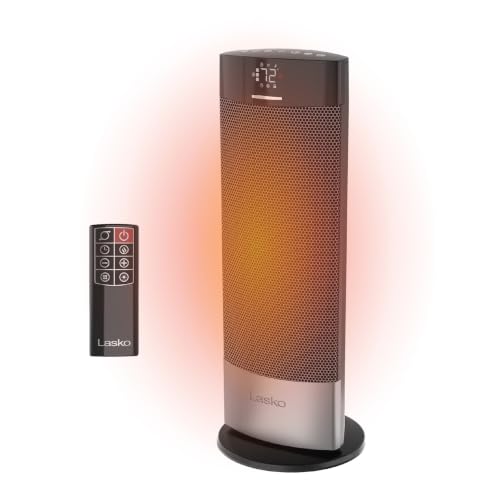
- BWP Score9.0
BWP Score is a ranking system developed by Bestwinterproducts.com. BWP score has no relationship or impact from any manufacturers or sales agent websites. Learn more
- BrandLasko
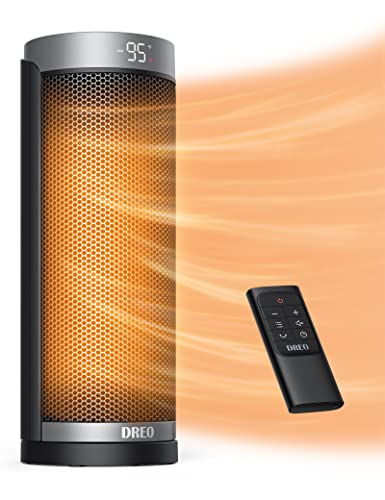
- BWP Score9.0
BWP Score is a ranking system developed by Bestwinterproducts.com. BWP score has no relationship or impact from any manufacturers or sales agent websites. Learn more
- BrandDREO

- BWP Score8.8
BWP Score is a ranking system developed by Bestwinterproducts.com. BWP score has no relationship or impact from any manufacturers or sales agent websites. Learn more
- BrandR.W.FLAME

- BWP Score8.8
BWP Score is a ranking system developed by Bestwinterproducts.com. BWP score has no relationship or impact from any manufacturers or sales agent websites. Learn more
- BrandDREO

- BWP Score8.8
BWP Score is a ranking system developed by Bestwinterproducts.com. BWP score has no relationship or impact from any manufacturers or sales agent websites. Learn more
- BrandLasko

- BWP Score8.6
BWP Score is a ranking system developed by Bestwinterproducts.com. BWP score has no relationship or impact from any manufacturers or sales agent websites. Learn more
- BrandLasko

- BWP Score7.8
BWP Score is a ranking system developed by Bestwinterproducts.com. BWP score has no relationship or impact from any manufacturers or sales agent websites. Learn more
- BrandFarm Innovators, Inc.

- BWP Score7.8
BWP Score is a ranking system developed by Bestwinterproducts.com. BWP score has no relationship or impact from any manufacturers or sales agent websites. Learn more
- BrandFarm Innovators, Inc.

- BWP Score-
BWP Score is a ranking system developed by Bestwinterproducts.com. BWP score has no relationship or impact from any manufacturers or sales agent websites. Learn more
- BrandMinetom
Last update on 2026-09-30 / Affiliate links / Images, Product Titles, and Product Highlights from Amazon Product Advertising API
FAQs
Can a cold bedroom make you sick overnight?
Cold air itself does not cause respiratory illnesses such as the common cold or the flu, which are caused by viruses. However, sleeping in an uncomfortably cold room below 60°F can irritate your airway linings, dry out nasal passages, and trigger asthma flare-ups. A moderately cool room held at 65°F protects your breathing passages while supporting your body's natural sleep cycle.
What temperature prevents household pipes from freezing at night?
Keep your central temperature control dial set to at least 55°F at all times during the winter. Water pipes running through unheated crawlspaces, exterior walls, and under kitchen or bathroom sinks are especially vulnerable to freezing drafts. Maintaining a steady 55°F or warmer baseline ensures that enough heat reaches concealed pipes to prevent costly water leaks.
Is it cheaper to run one space heater or central heat?
Running a single space heater in your closed bedroom while lowering your central heat to 60°F is usually much cheaper than heating your entire house all night. You avoid paying to warm empty living areas, kitchens, and hallways. The savings disappear, however, if you run multiple space heaters in different rooms at the same time, which can spike your electric bill and risk tripping circuit breakers.
Why do you wake up with a dry throat when the heater runs?
Heating cold winter air lowers its relative humidity, meaning the air holds very little moisture. As you breathe this warm, dry air all night, moisture evaporates quickly from your nose, mouth, and throat. To prevent waking up parched, keep your bedroom temperature at or below 67°F, drink a glass of water before bed, and consider running a small cool-mist humidifier in your room.


Best Warm Winter Scarves 2026 For Cozy Comfort

Best Green Ski Goggles 2026 For Clear Vision On Slopes

12 Best Corner Electric Fireplace 2026: My Ultimate Guide To Pick One

Best Battery Powered Snow Blower 2026 For Effortless Snow Clearing

Best Ski Goggles Under 30 Inches For Crisp Vision And Comfort

Best Cooling Scarf 2026 For Instant Relief And Comfort

Fake Snow for Grass: Create a Realistic Winter Lawn Display

Dimplex Prism Wall Mount Fireplace: Sleek Heat With Modern Flame Style





