
What Temperature Should You Set Your Water Heater To?

Aim for 120 degrees Fahrenheit. That mark is the safest baseline for most homes. It keeps the water plenty hot for comfortable showers, daily dishwashing, and laundry without driving up your energy bills. Anything higher wastes fuel keeping water scalding hot inside a tank all day. More importantly, temperatures beyond that level can burn bare skin in just a few seconds.
Certain households do need a slightly different number. Families with toddlers or elderly relatives need to stay strictly at this limit because fragile skin burns rapidly. But anyone living with a compromised immune system might need the heater set closer to 140 degrees to stop bacteria, and older dishwashers without internal heating boosters also benefit from hotter water. Here is how to find the right balance for your home and adjust the tank safely.
Why 120 Degrees Fahrenheit Is the Ideal Setting for Most Homes
Setting your water heater to 120 degrees Fahrenheit strikes the right balance between comfort, personal safety, and lower utility bills. Most water heaters leave the factory preset to 140 degrees. While that ensures hot water, that high setting poses serious hidden dangers and wastes energy every day.
The primary reason to choose 120 degrees is preventing scalding (severe burns from hot water). Water heated to 140 degrees can cause a severe third-degree burn to an adult in less than five seconds. For toddlers, young children, and elderly relatives, the risk is higher because thinner skin burns much faster. Lowering the dial to 120 degrees provides an essential safety margin. At that temperature, it takes several minutes of continuous contact to cause a burn, giving anyone plenty of time to pull away or adjust the faucet.
Energy savings are another direct benefit. Water heaters run constantly to keep dozens of gallons hot, causing standby heat loss through the tank walls. When water sits at 140 degrees, heat escapes into the surrounding room much faster than at 120 degrees. Dialing it back reduces unnecessary heating cycles and lowers your monthly electric or gas bill without sacrificing warm showers.
A moderate setting also protects your plumbing. Tap water carries dissolved minerals like calcium that bake into hard scale when water exceeds 130 degrees. This sediment coats the heating element (an electric heating rod inside the tank) and settles on the bottom, causing popping sounds and shortening the lifespan of your tank.
When Your Household Might Need a 140-Degree Setting
While 120 degrees works best for most families, certain situations justify running a tank at 140 degrees Fahrenheit. The most common reason is controlling bacteria. Legionella (bacteria that multiply in warm water tanks) thrive between 68 and 122 degrees. Inhaling mist from contaminated water can cause serious respiratory illness.
Healthy adults rarely experience problems from standard municipal water supplies. But if someone in your home has a compromised immune system or a chronic respiratory condition, keeping the tank at 140 degrees destroys these bacteria and keeps the water sanitary.
Older dishwashers provide another reason for a higher setting. Many modern dishwashers feature built-in heaters that boost water temperature during the wash cycle. Older models without an internal booster rely solely on the hot water entering from your pipes. If your dishwasher lacks an internal booster, water below 140 degrees may leave greasy residue on plates and glassware.
If your home requires a 140-degree setting, install a thermostatic mixing valve on the hot water pipe leaving the tank. This valve blends a small stream of cold water into the hot water line before it travels through your home. The tank stays hot enough to eliminate bacteria, while the water reaching your sinks and showers drops to a safe 120 degrees to protect against burns.
How to Measure the Real Water Temperature at Your Faucet
Water heater dials rarely show exact numbers. Most gas valves use vague labels like Warm, Hot, and Very Hot, while electric dials can drift over time. Checking the actual temperature at the tap is the only way to know where your tank is truly set.
First, choose a time when the water heater has been resting for at least an hour without anyone running a bath, shower, or dishwasher. This ensures the tank is fully heated and has not just refilled with cold water.
Next, go to the sink closest to your water heater, usually in the kitchen or a downstairs bathroom. Checking at the closest fixture prevents inaccurate readings caused by heat loss along long pipe runs.
Turn the hot water tap on fully and let it run for two minutes. Place a mug under the faucet and allow the water to overflow continuously into the drain so the container heats up completely.
Hold a cooking thermometer directly in the overflowing mug without touching the container walls, or point an infrared temperature reader straight into the water stream. Keep it in place until the reading stabilizes. If the water measures between 118 and 122 degrees, your setting is spot on. If it reads over 125 degrees, lower the dial to avoid scalding risks and energy waste.
How to Safely Adjust Your Water Heater Dial Step by Step
Adjusting your water heater takes just a few tools, but working around high voltage or gas controls requires care. Follow these steps in order to adjust your temperature safely.
- Turn off the electrical breaker or rotate the gas knob to pilot mode. Reason: Electric water heaters carry 240 volts that can cause severe shock, while gas burners can ignite unexpectedly while you inspect the controls.
- Remove the outer metal access panels using a screwdriver. Reason: Electric water heaters enclose their temperature controls behind metal plates to prevent accidental contact with live electrical terminals.
- Fold back the insulation pad covering the thermostat. Reason: Manufacturers place insulation over the temperature dial or control box to shield the sensor from cold drafts.
- Check both the upper and lower dials on electric tanks. Reason: Most electric tanks have two heating rods, and setting both dials to the exact same temperature prevents one rod from overworking and failing early.
- Turn the dial in small quarter-inch increments toward your target. Reason: Water heater dials are sensitive, so small turns prevent extreme temperature jumps that could scald your family or leave showers cold.
- Replace the insulation and securely screw the metal panels back on. Reason: The covers protect the sensor from room drafts and keep children and pets away from electrical wiring.
- Restore electrical power at the breaker panel or switch the gas valve back to run. Reason: The water heater needs power restored so the heating rods or gas burner can warm the water to the new setting.
- Wait three hours before checking the water temperature at your sink. Reason: A large water tank takes several hours to circulate and establish an even temperature throughout the tank.
Signs That a Heating Rod or Thermostat Is Broken
If you adjust your dial but your water stays lukewarm or dangerously hot, the issue may be a worn mechanical part rather than an incorrect setting. Water heaters endure constant heat and mineral contact that eventually causes components to wear out.
Watch for these common warning signs:
- Hot water runs out after a couple of minutes: Electric tanks use two heating rods. If the lower heating rod burns out, the tank only heats water at the top, leaving you with brief showers.
- Water stays lukewarm despite a higher dial setting: Thick mineral scale can coat the heating rod, trapping heat inside the element until it burns out completely.
- Water comes out scalding hot regardless of your setting: A broken thermostat can stick in the closed position, feeding continuous power to the heating rods without shutting off.
- The circuit breaker trips repeatedly: A cracked heating rod allows water into the electrical wiring, causing an electrical short that trips your breaker to prevent a fire.
- Loud rumbling or popping sounds come from the tank: Trapped water boiling beneath thick sediment creates bursting sounds like popping corn inside the tank.
Also, check the room environment around your water heater. An uninsulated tank located in a freezing garage loses heat rapidly to chilly drafts. Keeping the surrounding space tempered, perhaps using an electric heater with a built-in thermostat for your garage, stops cold air from forcing your water heater to run constantly. Similarly, utility closets in manufactured homes require good insulation and reliable heating units for mobile homes to keep pipes from freezing and stabilize water temperatures.
If you see water leaking from the tank panels, smell burning plastic near the electrical wiring, or smell gas, shut off the system immediately and call a licensed professional.
Tools and Parts That Help Maintain the Right Water Temperature
When your water heater struggles to maintain steady warmth, replacing a few basic parts or using simple tools often solves the problem without buying a brand-new water heater.
A reliable digital kitchen thermometer or an infrared temperature reader is the best tool for checking faucet output. A non-contact infrared reader measures surface temperature in seconds from a safe distance. Look for a clear digital display that reads in Fahrenheit with an easy-to-read screen.
If an electric water heater stops heating properly, an electric tune-up kit offers an affordable repair option. These kits typically supply replacement upper and lower thermostats, two new heating rods, and a specialized element wrench. Before purchasing, verify your water heater voltage and wattage on the tank data plate. Most household tanks run on 240 volts, but smaller auxiliary heaters use 120 volts. Confirm whether your heating rods screw in or bolt on, and ensure replacement parts carry an official safety mark such as UL listing.
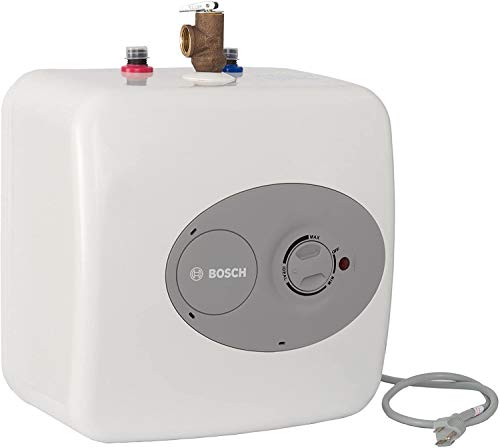
For bathrooms or sinks located far from the main water tank, a compact under-sink point-of-use water heater delivers immediate hot water without raising the temperature on your central tank.

- BWP Score9.2
BWP Score is a ranking system developed by Bestwinterproducts.com. BWP score has no relationship or impact from any manufacturers or sales agent websites. Learn more
- Brandpuxyblue

- BWP Score9.2
BWP Score is a ranking system developed by Bestwinterproducts.com. BWP score has no relationship or impact from any manufacturers or sales agent websites. Learn more
- BrandEtekcity

- BWP Score8.6
BWP Score is a ranking system developed by Bestwinterproducts.com. BWP score has no relationship or impact from any manufacturers or sales agent websites. Learn more
- BrandTouwenzd

- BWP Score8.4
BWP Score is a ranking system developed by Bestwinterproducts.com. BWP score has no relationship or impact from any manufacturers or sales agent websites. Learn more
- BrandWANPRECL
- BWP Score8.4
BWP Score is a ranking system developed by Bestwinterproducts.com. BWP score has no relationship or impact from any manufacturers or sales agent websites. Learn more
- BrandBOSCH

- BWP Score8.2
BWP Score is a ranking system developed by Bestwinterproducts.com. BWP score has no relationship or impact from any manufacturers or sales agent websites. Learn more
- BrandOstutry

- BWP Score8.2
BWP Score is a ranking system developed by Bestwinterproducts.com. BWP score has no relationship or impact from any manufacturers or sales agent websites. Learn more
- BrandOrnalry

- BWP Score8.2
BWP Score is a ranking system developed by Bestwinterproducts.com. BWP score has no relationship or impact from any manufacturers or sales agent websites. Learn more
- BrandKENUOS

- BWP Score8.0
BWP Score is a ranking system developed by Bestwinterproducts.com. BWP score has no relationship or impact from any manufacturers or sales agent websites. Learn more
- BrandECOTINYMACH

- BWP Score7.8
BWP Score is a ranking system developed by Bestwinterproducts.com. BWP score has no relationship or impact from any manufacturers or sales agent websites. Learn more
- BrandRO6G
Last update on 2026-09-30 / Affiliate links / Images, Product Titles, and Product Highlights from Amazon Product Advertising API
Frequently Asked Questions
Will lowering my water heater temperature really lower my energy bills?
Yes, lowering your setting from 140 degrees to 120 degrees can reduce your water heating expenses noticeably each month. Water heaters consume energy continuously to keep stored water hot against standby heat loss. Lowering the set point reduces this wasted heat while still providing plenty of warmth for daily household needs.
Is 120 degrees hot enough to wash dishes and laundry properly?
For most households, 120 degrees is plenty of heat for laundry and dishwashing. Modern laundry detergents use active enzymes that dissolve dirt and grease in warm or even cold water. In addition, most modern dishwashers include built-in heating boosters that raise water temperature during the cycle to sanitize dishes thoroughly.
Why does my hot water run out much faster in the winter?
During winter, the municipal water entering your home is substantially colder than in the summer. Your water heater must work harder to heat the incoming water, and you must use a higher ratio of hot water at the shower handle to reach a comfortable temperature. Cold ambient air around an uninsulated tank also increases heat loss.
What should I do if my water is scalding hot after I lowered the dial?
If your water remains dangerously hot after adjusting the dial, your thermostat contacts have likely stuck in the closed position. This defect sends electricity to the heating rods constantly without shutting off. Turn off the circuit breaker or gas supply immediately and contact a licensed plumber or technician to replace the faulty thermostat.


Best Warm Winter Scarves 2026 For Cozy Comfort

Best Green Ski Goggles 2026 For Clear Vision On Slopes

12 Best Corner Electric Fireplace 2026: My Ultimate Guide To Pick One

Best Battery Powered Snow Blower 2026 For Effortless Snow Clearing

Best Ski Goggles Under 30 Inches For Crisp Vision And Comfort

Best Cooling Scarf 2026 For Instant Relief And Comfort

Fake Snow for Grass: Create a Realistic Winter Lawn Display

Dimplex Prism Wall Mount Fireplace: Sleek Heat With Modern Flame Style





