
What Temperature Should You Set Your Tankless Water Heater To?

Setting the digital display on a water heater is nothing to stress over, because getting it right only takes a quick press of a button. For most homes, the sweet spot is 120 degrees Fahrenheit. That delivers comfortably hot showers, plenty of heat to cut through dish grease, and peace of mind that nobody gets burned.
A few everyday details can shift that baseline. Homes with toddlers or elderly relatives often drop down to 115 degrees to protect delicate skin from accidental scalds. Long runs of plumbing through unheated crawl spaces can also rob the water of heat before it reaches a distant sink, while pushing the heat past 125 degrees bakes crusty white mineral buildup inside the unit. A closer look at how your household uses water will help you pick the ideal number today.
Lock In 120 Degrees for Everyday Comfort and Safety
A setting of 120 degrees Fahrenheit is the universal target for whole-house tankless water heaters. Most manufacturers set their units to 120 degrees at the factory because it balances comfort, utility costs, and safety. A standard warm shower feels best between 100 and 105 degrees, while handwashing is comfortable around 100 degrees. Setting your display to 120 degrees gives you enough heat to blend in cold water at the faucet without feeling a chill in the shower.
Burn prevention is the primary reason to stay at 120 degrees. Water at 140 degrees can cause severe third-degree burns on adult skin in about five seconds. On infants, toddlers, and seniors with thinner skin, that same 140-degree stream can cause burns in under two seconds. At 120 degrees, it takes several minutes of continuous contact to burn adult skin, giving everyone time to pull back safely.
Setting the dial higher also wastes energy. Tankless units fire high-powered electrical elements or gas flames the moment a faucet opens. Pushing water past 120 degrees forces heating elements to run under maximum strain. You pay to superheat water inside the unit, only to cool it down with cold water at the shower handle. Keeping the dial at 120 degrees prevents that waste.
Stop Worrying About Stagnant Bacteria in an On-Demand System
Many homeowners see online advice recommending 140 degrees to kill bacteria like Legionella. While accurate for storage tank water heaters, that rule does not apply to tankless systems. Traditional storage tanks hold 40 to 80 gallons of water standing continuously in a reservoir. Over time, sediment settles at the bottom, creating a warm, murky environment where bacteria can multiply if the temperature dips below 120 degrees. Tank guidelines recommend 140 degrees specifically to sanitize that stagnant volume.
Tankless water heaters do not store water. Inside an on-demand unit, a compact heat exchanger made of copper or stainless steel tubing holds only a few ounces of water when idle. When you turn on your shower or sink, fresh water from your municipal main or well rushes across the heated tubes and travels straight out to your tap.
Because water never sits stagnant in a large tank, bacteria have no reservoir to establish themselves. Fresh water moves through the unit too fast for organisms to settle. Setting your tankless display to 140 degrees to pasteurize water wastes fuel, increases scald hazards, and provides no hygiene benefit.
Adjust Your Heat Setting for Special Household Demands
While 120 degrees serves as the ideal baseline, specific household conditions might call for a small adjustment:
- Homes with infants or elderly residents: Drop the setting to 115 or 110 degrees. Very young children and seniors have thinner skin that burns quickly. Lowering the setting provides passive protection even if someone accidentally nudges a single-handle faucet toward full hot.
- Modern dishwashers with internal boosters: You do not need to raise your water heater temperature for dishes. Modern dishwashers pull in standard hot tap water and use an internal heating element to boost wash temperatures to 140 degrees or higher for sanitizing. Check your appliance manual to confirm it has an internal booster before adjusting your water heater.
- Older dishwashers without heating coils: If you use an older appliance that relies entirely on incoming water heat to cut grease, you may need a setting of 130 degrees. If you choose this setting, install a mixing valve (a plumbing valve that blends cold water into hot lines to stop scalds) on all bathroom fixtures.
- Laundry needs: Modern laundry detergents use active enzymes that perform best in water between 65 and 85 degrees. Even heavy wash cycles for bedding work effectively with a 120-degree incoming supply.
- High water demand: If multiple fixtures run simultaneously, the flow rate (how fast water pours out of the faucet) might exceed what your unit can heat during cold months. Cranking the temperature display will not solve this problem; it will only force the unit into an error code or slow the water flow.
Insulate Your Long Pipe Runs Instead of Cranking the Thermostat
Reading 120 degrees on the digital display only to step into a lukewarm shower is frustrating. When this happens, the heater is rarely broken. Hot water leaves the unit at your set temperature, but it loses heat through the walls of your plumbing pipes as it travels across the house. If water travels through 50 or 75 feet of uninsulated copper or PEX tubing, it can easily lose 5 to 10 degrees before reaching your bathroom.
This thermal loss worsens when water lines run through unconditioned areas. In manufactured homes, plumbing pipes frequently run beneath subfloors where cold drafts strip away heat. In those spaces, installing the best heater for mobile home crawlspaces or floor cavities helps maintain stable ambient warmth around exposed pipe runs. The same principle applies if your water heater sits in an uninsulated garage. Using the best electric heater for garage with thermostat keeps the surrounding room above freezing, stopping cold air from chilling your plumbing lines.
Many homeowners respond to cold taps by cranking the heater display up to 135 or 140 degrees. This creates a dangerous imbalance. While the distant upstairs shower might finally feel warm, the kitchen sink located right next to the heater will pour out dangerously scalding water. Instead of turning up the heat, wrap your exposed hot water lines in pre-slit foam pipe insulation. Insulating your pipes traps heat inside the plumbing, delivering consistent warmth to distant taps without raising your burn risk.
Keep Temperatures Below 125 Degrees to Prevent Crusty Mineral Buildup
Every water supply contains dissolved minerals, particularly calcium and magnesium. In cool water, these minerals stay dissolved in liquid solution. But when water heats up past 125 degrees, a chemical reaction forces these minerals out of liquid form. They turn into hard, solid deposits known as scale (crusty white mineral buildup).
Tankless water heaters rely on compact heat exchanger tubes with narrow internal passages. Because these tubes generate intense heat in a tight space, setting your temperature to 130 or 140 degrees causes mineral scale to bake directly onto the inside surfaces of the metal pipes. Over time, this calcified crust forms an insulating layer that blocks heat transfer.
When scale coats the heating pipes, the burner or electric element must run hotter and burn longer just to push warmth through the mineral crust into the water. This extra strain leads to premature component failure, frequent overheating shutdown codes, and higher utility bills. Keeping your tankless unit set at 120 degrees keeps minerals dissolved in the water and slows down scale accumulation.
Check Your Actual Tap Water Heat With a Kitchen Thermometer
Do not rely strictly on the digital readout on the front of your unit. To ensure your system delivers safe, comfortable water to your fixtures, verify the actual tap temperature by following these steps:
- Set the control panel: Use the up or down temperature buttons on your tankless heater to set the digital display to exactly 120 degrees.
- Pick the right fixture: Choose a sink faucet located relatively close to the water heater. Checking near the unit gives you a reading that reflects the true heater output before line loss occurs.
- Purge the lines: Turn the hot water faucet on all the way. Allow the water to run for 60 to 90 seconds until the flow stabilizes and the plumbing line feels thoroughly warm.
- Fill a ceramic mug: Place a mug or heat-safe glass directly under the running stream. Allow the water to overflow continuously into the sink. Do not measure the moving water stream in open air, because ambient room air cools water droplets quickly as they fall.
- Submerge a digital cooking thermometer: Place the metal probe of an instant-read kitchen thermometer into the center of the mug while the water continues to flow slowly. Hold it steady until the temperature readout stops climbing.
- Assess your reading: A reading between 115 and 120 degrees at a nearby sink indicates a properly working system. If the reading is lower than 110 degrees, check your flow rate or inspect for cold water leaking past an old single-handle shower mixing cartridge before adjusting the central thermostat.
Protect Your System With Point of Use Units and Descaling Equipment
If you have a remote bathroom or kitchen sink located far from your main heater, raising the central thermostat is not the ideal solution. In that situation, adding a compact point of use heater (installed right under a single sink) provides instant hot water right where you need it without wasting energy across long pipe runs. When choosing a supplemental under-sink heater, verify that your home electrical panel has sufficient breaker space and amperage to support the unit, and look for recognized safety marks like ETL or UL certifications on the product label.
To keep your primary tankless heater running smoothly at 120 degrees, invest in a dedicated flush kit. Even with a safe temperature setting, hard water will slowly leave behind mineral deposits over months of daily use. A standard maintenance flush kit includes a submersible utility pump, two color-coded rubber hoses, and a container of non-toxic descaling solution or food-grade citric acid. Circulating this cleaning solution through the isolation valves on your heater once every twelve months clears out crusty mineral buildup, restores heat transfer, and ensures your unit delivers steady warmth for years to come.

- BWP Score-
BWP Score is a ranking system developed by Bestwinterproducts.com. BWP score has no relationship or impact from any manufacturers or sales agent websites. Learn more
- BrandECOTOUCH

- BWP Score-
BWP Score is a ranking system developed by Bestwinterproducts.com. BWP score has no relationship or impact from any manufacturers or sales agent websites. Learn more
- BrandECOTOUCH
- BWP Score-
BWP Score is a ranking system developed by Bestwinterproducts.com. BWP score has no relationship or impact from any manufacturers or sales agent websites. Learn more
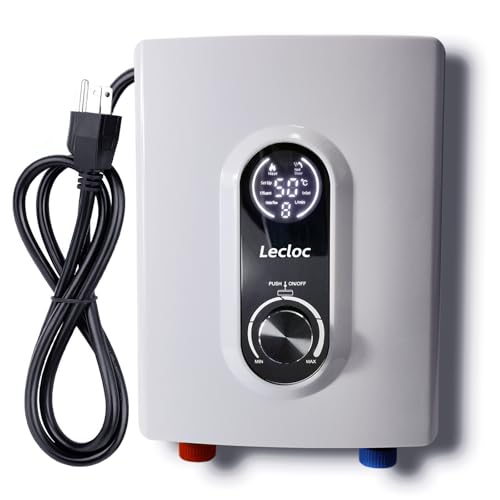
- BrandLECLOC

- BWP Score-
BWP Score is a ranking system developed by Bestwinterproducts.com. BWP score has no relationship or impact from any manufacturers or sales agent websites. Learn more
- BrandVEVOR

- BWP Score-
BWP Score is a ranking system developed by Bestwinterproducts.com. BWP score has no relationship or impact from any manufacturers or sales agent websites. Learn more
- BrandKomilday

- BWP Score-
BWP Score is a ranking system developed by Bestwinterproducts.com. BWP score has no relationship or impact from any manufacturers or sales agent websites. Learn more
- BrandChromex

- BWP Score-
BWP Score is a ranking system developed by Bestwinterproducts.com. BWP score has no relationship or impact from any manufacturers or sales agent websites. Learn more
- BrandHNK

- BWP Score-
BWP Score is a ranking system developed by Bestwinterproducts.com. BWP score has no relationship or impact from any manufacturers or sales agent websites. Learn more
- BrandMIZUDO
Last update on 2026-09-30 / Affiliate links / Images, Product Titles, and Product Highlights from Amazon Product Advertising API
Frequently Asked Questions About Tankless Water Heater Temperatures
Is 120 degrees hot enough for cleaning dishes and doing laundry?
Yes, 120 degrees is completely adequate for standard home cleaning. Modern laundry detergents use specialized enzymes that break down body oils, dirt, and stains in warm or even cold water. In the kitchen, modern dishwashers include built-in heating elements that elevate water to 140 degrees or higher for sanitizing dishes, meaning your central water heater does not need to run any hotter.
Why does the water in my shower start hot and then suddenly turn cool?
This brief temperature drop is commonly called a cold water sandwich. It happens when someone turns on a hot faucet, shuts it off for a minute, and turns it back on, allowing a short slug of unheated water to slip through the pipes before the burners reactivate. It can also occur if your shower head flow rate is too low to trigger the heater's internal water flow sensor.
Can I turn my water heater up to 130 or 140 degrees during freezing winters?
You can temporarily bump the temperature by five degrees if incoming groundwater is exceptionally cold, but doing so increases scalding hazards. If you raise the setting past 120 degrees, install thermostatic mixing valves on bathroom sinks and tub lines to protect family members from burns. A safer winter strategy is slightly reducing your shower flow rate so the heating elements have enough time to warm the water without raising the thermostat.
How do I know if mineral scale is building up inside my heater?
The most common sign of mineral scale is water taking noticeably longer to warm up at your faucets. You might also hear strange humming, rumbling, or whistling noises from the unit as water boils against trapped mineral pockets inside the heat exchanger. If mineral crust becomes thick, the unit will display overheating error codes and shut off unexpectedly during long showers.


Best Warm Winter Scarves 2026 For Cozy Comfort

Best Green Ski Goggles 2026 For Clear Vision On Slopes

12 Best Corner Electric Fireplace 2026: My Ultimate Guide To Pick One

Best Battery Powered Snow Blower 2026 For Effortless Snow Clearing

Best Ski Goggles Under 30 Inches For Crisp Vision And Comfort

Best Cooling Scarf 2026 For Instant Relief And Comfort

Fake Snow for Grass: Create a Realistic Winter Lawn Display

Dimplex Prism Wall Mount Fireplace: Sleek Heat With Modern Flame Style





