
What Is the Best Temperature to Keep Your Heater On?

Set the temperature control switch to 68°F during the day while people are awake and active inside the house. This target strikes the ideal balance between cozy warmth and affordable monthly utility bills. Dialing it back to between 62°F and 65°F at night or while the house sits empty prevents wasted energy while everyone rests under thick blankets.
A few everyday situations will shift those targets slightly. Homes with babies or older family members often need a steady setting around 68°F to 70°F to remain safe and snug. Severe outdoor freezes also require keeping the heat a bit higher to stop hidden water pipes inside exterior walls from freezing solid. The type of equipment matters as well, from a main central wall switch to a basic space heater knob without printed numbers. Here is how to dial in the best settings for comfort, safety, and lower bills all winter long.
Daily Temperature Schedules for Comfort, Sleep, and Winter Safety
Finding the right temperature setting comes down to managing the difference between the cold outdoor air and your indoor living space. When your home is warm, heat continuously leaks out through windows, ceiling joists, and door frames. Setting your temperature control switch to 68 degrees Fahrenheit while you are awake and moving around provides steady comfort without forcing your heating system into endless, costly running cycles. If you wear warm indoor clothing like wool socks and a sweater, 68 degrees feels plenty cozy for watching television, cooking, or working at a desk.
Every single degree you push the dial above 68 degrees increases your monthly utility bills by roughly three to five percent. Pushing the setting up to 72 or 74 degrees creates an overly dry indoor environment that irritates your throat and nasal passages. It also forces your equipment to run almost continuously during freezing weather, which wears down mechanical parts much faster.
When bedtime arrives, the best setting drops significantly lower, between 62 and 65 degrees. Human bodies naturally shed core body heat in the evening to prepare for sleep. Sleeping in a cooler room with thick blankets encourages deeper rest, stops night sweats, and keeps indoor humidity at a comfortable level. Dropping the setting before climbing under the covers delivers several uninterrupted hours of substantial fuel or electricity savings every single night.
When you leave the house for work or school for more than four hours, lowering the dial to 60 or 62 degrees prevents you from paying to heat an empty building. For longer winter trips or vacations, you must balance cost savings with freeze protection. Never turn your heating system completely off during freezing months. Maintain a floor of at least 55 degrees at all times. Water pipes installed inside uninsulated exterior walls or cold crawl spaces rely on shared indoor heat to prevent freezing, expanding, and rupturing.
Certain living situations require adjustments to these baseline numbers to keep everyone healthy and safe. Review this quick checklist of household exceptions:
- Infants and toddlers: Newborns cannot shiver to create warmth or sweat to cool off efficiently. Keep nurseries and infant sleeping spaces stable between 68 and 70 degrees, and avoid pointing direct hot air streams at the crib.
- Elderly family members: Aging bodies experience slower blood circulation and natural fat loss under the skin, making seniors vulnerable to indoor chills. Set daytime living spaces between 68 and 70 degrees to prevent stiffness and drops in body temperature.
- Household pets: Most healthy dogs and cats with standard coats do well at 64 to 66 degrees during the day. Short-haired breeds, toy dogs, and older pets suffering from arthritis need daytime warmth kept closer to 68 degrees.
- Sub-zero weather events: When outdoor temperatures drop well below zero, open your bathroom and kitchen sink cabinet doors. This allows natural warm air circulation to reach hidden plumbing along exterior walls, even if your main living area is kept at a modest setting.
Why Running One Constant Temperature Wastes Energy
A common winter myth suggests that keeping your heating system locked at one steady temperature all day and night uses less energy than turning it down when you leave or go to bed. The reasoning usually sounds plausible on the surface: people worry that the furnace or space heater will have to work twice as hard to bring a cold room back up to comfortable levels. In reality, modern heating systems run at one steady output rate, not in varying degrees of physical effort.
The speed at which a building loses heat depends directly on the temperature gap between the inside of the house and the outdoors. If it is 20 degrees outside and you keep your indoor living area at 70 degrees, heat escapes through exterior surfaces very quickly. If you dial the temperature control switch down to 62 degrees, that temperature difference narrows, and heat escapes much slower. By keeping the setting lower overnight, your heater stays switched off for long stretches, burning significantly less fuel or kilowatt-hours over that eight-hour window.
Reheating the house the next morning does not waste the energy you saved overnight. Your equipment simply turns on and runs steadily until the current room temperature matches your daytime target. The fuel burned during that morning warm-up is far less than the fuel required to maintain a high 68 or 70 degree indoor temperature against the bitter outdoor cold all night long.
For homes using electric heat pumps, keep the night setback reasonable. Dropping the setting by five to eight degrees is the ideal balance. Lowering an older heat pump system by ten degrees or more can occasionally trigger its auxiliary electric resistance coils in the morning, which use higher wattage to speed up recovery. A modest, steady night setback saves money without triggering emergency heat modes.
How to Calibrate an Unmarked Space Heater Dial
Many reliable portable heaters rely on an analog knob rather than a bright digital readout. These dials often feature simple plus and minus symbols, a wavy line, or thin-to-thick gradients. Without numbered degree markings, people often guess, accidentally leaving the knob turned to maximum and overheating the room. You can calibrate an unmarked dial to hold your preferred temperature by following a simple, practical sequence.
- Position the unit safely: Set your heater flat on the floor, keeping a clear 3-foot safety buffer away from curtains, furniture, bedding, and pet beds. Plug the cord directly into a standard 120-volt wall outlet. Never plug a high-draw heating appliance into an extension cord or multi-outlet power strip, which can overheat and melt.
- Set initial power to high: Turn the power level switch to its highest wattage (typically 1,500 watts) and rotate the temperature control switch dial completely clockwise to its maximum position.
- Warm the room to your target: Close the room doors to trap the heat. Allow the fan that pushes warm air across the room or the radiator coils to bring the space up to your ideal comfort level. You can confirm the warmth using a standard wall thermometer or simply wait until the room feels comfortable.
- Listen for the internal click: As soon as the room reaches your desired warmth, slowly rotate the dial backward counterclockwise. Go slowly until you hear a soft mechanical click and the heating element shuts off.
- Leave the dial in position: Stop turning the knob immediately at the click. The internal bimetallic sensor is now calibrated to your room's current warmth. It will click back on automatically whenever the room cools down and switch off again once it restores that exact level of comfort.
Mark that spot on the dial casing with a small piece of tape or a marker dot so you can quickly return to it without repeating the calibration process. If you notice the room feels slightly too cool over the next hour, nudge the dial clockwise the width of a coin edge to raise the threshold slightly.
Choosing Supplemental Heaters for Efficient Room-by-Room Warmth
Instead of burning fuel to heat entire unoccupied hallways, spare bedrooms, and basements to 68 degrees, you can lower your central heating system to 60 or 62 degrees and use a supplemental heater in the specific room you are using. This practice, known as zone heating, keeps your immediate living area cozy while dramatically lowering your monthly utility expenses. Finding the right heater for this job requires matching the heating style to the size and layout of your space.
For home offices, bedrooms, and quiet dens, a silent radiator heater that circulates steady, lasting warmth is usually the most comfortable choice. These units warm the air through natural warm air circulation without noisy blower fans or blowing dust, making them ideal for long workdays or sleeping hours. For living rooms where you want warmth right away, pick a unit with a ceramic heating element that warms up in seconds, assisted by a quiet circulation fan.
When selecting a supplemental room heater, check the product label for these critical convenience and safety features:
- Accurate temperature control: Look for a digital temperature dial that clicks on and off to hold your set warmth, or a built-in digital display that allows you to choose an exact numerical target like 68 degrees.
- Automatic safety shutoffs: Always confirm the unit features an automatic overheat sensor that shuts the unit off if internal parts get dangerously hot, as well as a tip-over safety switch that cuts power instantly if the unit is knocked over or tilted by pets or children.
- Certified safety listings: Verify that the heater has a recognized safety mark, such as UL or ETL, stamped onto the manufacturer label.
- Multiple wattage settings: A unit offering both a 750-watt low mode and a 1,500-watt high mode gives you the flexibility to maintain gentle warmth without placing high electrical demands on your household circuit.
If you are trying to keep specialized or drafty outbuildings warm during the winter, standard indoor portable heaters may run continuously without reaching your goal. For uninsulated work areas, look into a dedicated electric heater for a garage with a thermostat to manage heavy drafts and cold concrete floors. Similarly, if you are attempting to bring warmth to a converted three-season room, review options for a heater for an enclosed porch that can offset large expanses of single-pane glass.

- BWP Score9.0
BWP Score is a ranking system developed by Bestwinterproducts.com. BWP score has no relationship or impact from any manufacturers or sales agent websites. Learn more
- BrandDesign Engineering

- BWP Score9.0
BWP Score is a ranking system developed by Bestwinterproducts.com. BWP score has no relationship or impact from any manufacturers or sales agent websites. Learn more
- BrandHoneywell

Emerson Thermostats 1E78-140 Non-Programmable Heat Only Thermostat for Single-Stage Systems,
View on Amazon- BWP Score9.0
BWP Score is a ranking system developed by Bestwinterproducts.com. BWP score has no relationship or impact from any manufacturers or sales agent websites. Learn more
- BrandEmerson
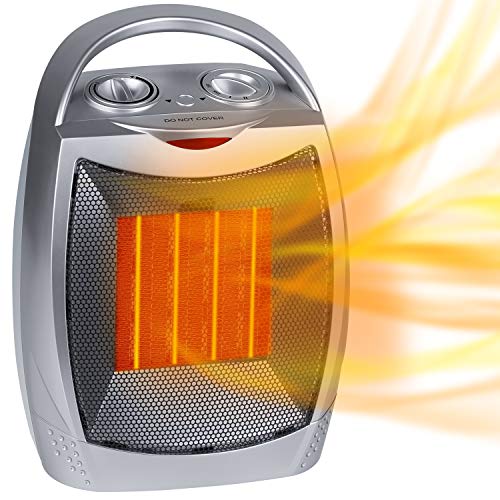
- BWP Score8.8
BWP Score is a ranking system developed by Bestwinterproducts.com. BWP score has no relationship or impact from any manufacturers or sales agent websites. Learn more
- BrandBrightown

- BWP Score8.6
BWP Score is a ranking system developed by Bestwinterproducts.com. BWP score has no relationship or impact from any manufacturers or sales agent websites. Learn more
- BrandCOMFORT ZONE

- BWP Score8.6
BWP Score is a ranking system developed by Bestwinterproducts.com. BWP score has no relationship or impact from any manufacturers or sales agent websites. Learn more
- BrandiPower

- BWP Score8.2
BWP Score is a ranking system developed by Bestwinterproducts.com. BWP score has no relationship or impact from any manufacturers or sales agent websites. Learn more
- BrandCOMFORT ZONE

Honeywell Home RLV3120A1005 Digital Non-Programmable Thermostat for Electric Heat Only
View on Amazon- BWP Score8.2
BWP Score is a ranking system developed by Bestwinterproducts.com. BWP score has no relationship or impact from any manufacturers or sales agent websites. Learn more
- BrandHoneywell Home

- BWP Score8.0
BWP Score is a ranking system developed by Bestwinterproducts.com. BWP score has no relationship or impact from any manufacturers or sales agent websites. Learn more
- BrandENVI
Last update on 2026-09-30 / Affiliate links / Images, Product Titles, and Product Highlights from Amazon Product Advertising API
FAQs
What is the cheapest temperature to set a heater on in winter?
The cheapest safe temperature while you are inside the house is between 65 and 68 degrees during the day, and between 60 and 65 degrees while sleeping or away. Every degree you drop the setting slows heat loss through exterior walls and cuts utility consumption. If you leave for an extended period, never set the heat below 55 degrees, or you risk freezing water pipes.
Is 72 degrees too hot for a heater in winter?
Setting your heating system to 72 degrees in the dead of winter is generally too high for optimal efficiency and personal comfort. It drives up energy bills significantly because the heating system must run much longer cycles against the freezing outdoor air. That high setting also removes moisture from indoor air quickly, causing dry skin, irritated eyes, and static electricity.
Can I safely run a space heater all night while sleeping?
You can run an electric space heater overnight only if it has modern safety features, including an automatic tip-over switch and overheat protection. Keep the unit at least three feet away from all bedding, pillows, rugs, and curtains, and plug it directly into a wall outlet rather than an extension cord. Choosing a heater with an adjustable temperature control switch prevents the bedroom from becoming stifling while you sleep.


Best Warm Winter Scarves 2026 For Cozy Comfort

Best Green Ski Goggles 2026 For Clear Vision On Slopes

12 Best Corner Electric Fireplace 2026: My Ultimate Guide To Pick One

Best Battery Powered Snow Blower 2026 For Effortless Snow Clearing

Best Ski Goggles Under 30 Inches For Crisp Vision And Comfort

Best Cooling Scarf 2026 For Instant Relief And Comfort

Fake Snow for Grass: Create a Realistic Winter Lawn Display

Dimplex Prism Wall Mount Fireplace: Sleek Heat With Modern Flame Style





