
What Temperature Should You Set Your Heater To?

Most people think cranking the dial to 80 degrees will heat up a chilly room faster, but heaters run at the exact same pace regardless of the setting. The sweet spot for staying cozy without driving up your power bill is 68 degrees Fahrenheit while you are awake and moving around inside. When bedtime rolls around or everyone leaves for the day, dropping the temperature to between 60 and 65 degrees saves money while keeping the house warm enough.
A few everyday details might shift those numbers slightly. Nurseries for babies and living spaces for older adults usually need a steady 70 degrees to remain safe and comfortable. The type of heater matters as well, because running a small space heater in one chilly room requires a different approach than managing a central furnace for an entire home. Here is how to balance comfort with your electric bill throughout the day and night.
The Ideal Daytime Setting and Why 68 Degrees Works Best
Setting your heater to 68 degrees Fahrenheit while you are awake and active indoors creates the ideal balance between everyday comfort and low utility bills. Most people find that 68 degrees feels pleasant and fresh, especially when wearing normal indoor clothes like long pants, socks, and a light long-sleeve shirt.
The reason 68 degrees serves as the standard target comes down to how your body sheds heat. In a normal room, your body generates warmth through regular movement and metabolism. At 68 degrees, the rate at which you shed warmth into the room air matches the rate at which your body produces it. Bumping the heat up to 74 or 76 degrees prevents your body from shedding that warmth naturally, which leaves you feeling sluggish, sweaty, and overheated.
Energy costs also climb rapidly once you push past 68 degrees. Your heater does not just warm indoor air; it constantly fights the freezing air outside your walls and windows. The wider the gap between indoor warmth and outdoor cold, the faster heat escapes through exterior walls and ceilings. Every degree you raise your temperature dial above 68 degrees forces your heater to consume significantly more energy, noticeably increasing your monthly heating bill.
Nighttime and Away Settings That Keep Bills Low
When you go to sleep, your body does not need the same room warmth that it requires during the day. Dialing your heater down to between 60 and 65 degrees at night cuts energy use while actively improving your sleep quality.
Your core body temperature naturally drops in the evening to prepare you for sleep. A bedroom kept between 60 and 65 degrees matches that natural biological rhythm, helping you fall asleep faster and preventing restless night sweating. Heating empty room air while you are wrapped in blankets is a waste of money. Adding a breathable quilt or flannel sheets keeps you cozy without driving up your heating costs.
The same money-saving rule applies when everyone leaves the house for work or errands. Dropping your heater setting to 60 or 62 degrees while the house sits empty stops your system from warming rooms nobody is using.
Never turn your heater completely off in freezing weather. Unheated water pipes inside exterior walls can freeze and burst, causing severe water damage. A cold house also chills your drywall, furniture, and framing. When you return home, the heater has to run for hours just to reheat the cold structure. Keeping a steady baseline of 60 degrees protects your plumbing and makes rewarming the space fast and affordable.
Why Setting Your Heater to 85 Degrees Will Not Warm the Room Any Faster
When you enter a cold room, you might feel tempted to crank the temperature dial up to 80 or 85 degrees, hoping for a fast blast of heat. Many people assume higher settings push hotter air or speed up the fan. That is not how heaters work.
Heaters operate like a light switch rather than a car accelerator pedal. When a heater turns on, the heating element gets just as hot whether you choose 68 degrees or 85 degrees. The fan that pushes warm air across the room blows at the exact same speed regardless of the number on the dial.
The temperature dial merely sets a shutoff point. If your room is 58 degrees and you select 68, the heater runs at full capacity until the air reaches 68 degrees, and then it shuts off. If you set it to 85, it runs at that exact same speed to reach 68, but then keeps blasting heat until the room feels like an oven.
Setting the dial to extreme numbers causes three real problems:
- You waste electricity before you realize the room has become too hot.
- Prolonged heat dries out indoor air, parching your throat and sinuses.
- You place continuous strain on heating elements and wiring without speeding up the warming process.
Set your dial directly to 68 degrees and let the unit warm the room at its natural pace.
Safe Temperature Adjustments for Babies, Older Adults, and Drafty Rooms
While 68 degrees works well for active adults, certain family members and living spaces need specific temperature adjustments to stay safe and comfortable.
Use this quick guide to match your heater settings to your household needs:
- Nurseries and infant bedrooms (68°F to 72°F): Babies cannot regulate their body temperature as easily as adults because they do not sweat or shiver efficiently. Keep an infant room between 68 and 72 degrees. Use a fitted sleep sack rather than loose blankets, which create a breathing hazard in cribs.
- Rooms for older adults (70°F to 72°F): Slower blood circulation and thinner skin make seniors feel chills quickly. Cold indoor air can stiffen joints and raise hypothermia risks. Setting the temperature dial to 70 or 72 degrees in their main living areas keeps them safe and comfortable.
- Drafty spaces and high ceilings (68°F to 70°F with targeted heat): Rooms with old windows or vaulted ceilings lose heat quickly. Instead of overheating the entire house to fix one cold spot, seal window leaks. If you want to warm an uninsulated area, reviewing the best heater for enclosed porch spaces helps you find units designed to overcome constant drafts.
- Workshops and utility areas (55°F to 65°F): Unfinished basements, garages, and hobby sheds rarely need full household warmth. Keeping these spaces at 55 degrees prevents freezing, while 62 degrees provides enough comfort for active work. For outbuildings, reviewing the best electric heater for garage with thermostat controls allows you to hold a steady baseline without constant adjustments.
How to Dial in a Heater Without an Exact Digital Thermostat
Many portable space heaters and baseboard heaters lack a digital screen with exact degree numbers. Instead, they use a dial marked from one to ten, or labeled Min and Max. Guessing where to set these dials often leaves rooms swinging between chilly and stifling.
Follow these steps to calibrate a manual heater dial to maintain a steady 68 degrees:
- Place a simple room thermometer across the room from your heater. A separate thermometer measures real room temperature at seating height rather than the concentrated hot air directly next to the heater grille.
- Turn the heater temperature dial all the way up to its highest setting. Setting the knob fully open lets the heating element and fan run without shutting down early while the room is still chilly.
- Let the heater run until your room thermometer reads 68 degrees. Watching an independent gauge ensures your living space reaches your target comfort level before you set the control.
- Slowly turn the temperature dial backward until you hear a faint mechanical click. That click indicates the internal switch has just opened because the built-in sensor matched the current warmth of the room.
- Stop turning and leave the dial right at that click position. Leaving the dial at the click point allows the heater to cycle, meaning turn on and off automatically, whenever the room drifts away from that temperature.
- Check the thermometer after thirty minutes to verify room comfort. Waiting half an hour lets air currents settle so you can confirm the heater holds a steady temperature without overheating.
Choosing a Supplemental Heater with Precise Controls
Raising your central thermostat warms empty hallways, unused guest rooms, and storage spaces, which drives up power bills. Using a supplemental heater lets you warm only the room you are currently using to 68 degrees while keeping the rest of the house cooler.
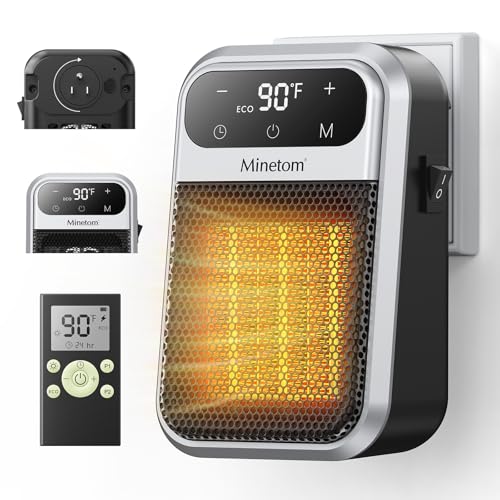
When choosing a supplemental space heater for zone heating, look for a model with a digital temperature dial that clicks on and off to hold your set warmth. Digital controls let you select an exact temperature rather than guessing with unnumbered dials. Built-in timers and clear displays make it easy to run the unit only while you occupy the space.
Safety features should always guide your choice. Choose a unit with an automatic overheat sensor that shuts the unit off if internal parts get dangerously hot. Ensure it includes a tip-over safety switch that cuts power instantly if the unit is knocked over or tilted. Always plug your heater directly into a dedicated wall outlet, avoid extension cords or power strips that can overheat, and keep a 3-foot safety buffer between the heater and any furniture or curtains.

- BWP Score-
BWP Score is a ranking system developed by Bestwinterproducts.com. BWP score has no relationship or impact from any manufacturers or sales agent websites. Learn more
- BrandBrightown

- BWP Score-
BWP Score is a ranking system developed by Bestwinterproducts.com. BWP score has no relationship or impact from any manufacturers or sales agent websites. Learn more
- BrandOntel

- BWP Score-
BWP Score is a ranking system developed by Bestwinterproducts.com. BWP score has no relationship or impact from any manufacturers or sales agent websites. Learn more
- BrandMinetom

- BWP Score-
BWP Score is a ranking system developed by Bestwinterproducts.com. BWP score has no relationship or impact from any manufacturers or sales agent websites. Learn more
- BrandHeat Storm

- BWP Score-
BWP Score is a ranking system developed by Bestwinterproducts.com. BWP score has no relationship or impact from any manufacturers or sales agent websites. Learn more
- BrandDUOMIY
- BWP Score-
BWP Score is a ranking system developed by Bestwinterproducts.com. BWP score has no relationship or impact from any manufacturers or sales agent websites. Learn more
- BrandMinetom

- BWP Score-
BWP Score is a ranking system developed by Bestwinterproducts.com. BWP score has no relationship or impact from any manufacturers or sales agent websites. Learn more
- BrandGiveBest

- BWP Score-
BWP Score is a ranking system developed by Bestwinterproducts.com. BWP score has no relationship or impact from any manufacturers or sales agent websites. Learn more
- BrandSUIDREAMS

- BWP Score-
BWP Score is a ranking system developed by Bestwinterproducts.com. BWP score has no relationship or impact from any manufacturers or sales agent websites. Learn more
- BrandEZ-HEAT
Last update on 2026-09-30 / Affiliate links / Images, Product Titles, and Product Highlights from Amazon Product Advertising API
Frequently Asked Questions
Does closing doors to unused rooms help maintain the heater temperature?
Yes, closing doors to unused rooms keeps warm air concentrated where you spend your time. When interior doors stay open, heat drifts into empty bedrooms and closets, forcing your heater to run longer to keep your main living space comfortable. Shutting doors creates smaller zones that warm up faster and retain their heat.
What is the lowest safe temperature to set a heater to prevent frozen pipes?
Set your heater no lower than 55 degrees Fahrenheit when leaving your home during winter. While water freezes at 32 degrees, plumbing tucked inside exterior walls or crawlspaces stays colder than the center of the room. A 55-degree setting provides a safe buffer that stops freezing air from damaging hidden pipes.
Is it cheaper to leave the heater running at one temperature all day?
No, keeping one steady temperature all day costs more than adjusting settings to match your daily routine. Houses constantly lose heat through walls, ceilings, and windows, and that heat loss increases when indoor spaces are kept warm during freezing weather. Lowering the dial to 60 or 62 degrees while sleeping or away reduces energy loss and lowers monthly bills.
Why does 68 degrees feel warm some days and chilly on others?
Indoor comfort depends heavily on humidity and air drafts, not just the temperature dial. Dry winter air evaporates moisture from your skin quickly, making 68 degrees feel cool. Using a humidifier to keep indoor moisture between 30 and 50 percent, or sealing drafty windows, makes 68 degrees feel much warmer without adjusting the heater.


Best Warm Winter Scarves 2026 For Cozy Comfort

Best Green Ski Goggles 2026 For Clear Vision On Slopes

12 Best Corner Electric Fireplace 2026: My Ultimate Guide To Pick One

Best Battery Powered Snow Blower 2026 For Effortless Snow Clearing

Best Ski Goggles Under 30 Inches For Crisp Vision And Comfort

Best Cooling Scarf 2026 For Instant Relief And Comfort

Fake Snow for Grass: Create a Realistic Winter Lawn Display

Dimplex Prism Wall Mount Fireplace: Sleek Heat With Modern Flame Style





