
What Is the Right Type of Electric Heater for a Bedroom?

An oil-filled radiator is the best heater for a bedroom because it provides steady, silent warmth all night without blowing dry air across your face. That answer changes if you simply want quick heat to take off the evening chill before climbing under the blankets, where a small ceramic fan heater does the job in minutes. Both will keep you warm, but they create very different sleeping environments.
The right choice depends on your sleep habits, your tolerance for background noise, and your room layout. Light sleepers often wake up from the humming or clicking of a fan heater, while oil radiators stay dead quiet. Space matters too, because every heater needs clear room away from bedding, curtains, and curious pets to run safely. Here is how both styles stack up so you can decide which one lets you rest easy.
Oil-Filled Radiators Versus Ceramic Heaters: Which Fits Your Bedroom?
Comparing the two primary electric heater styles helps you decide between instant warmth and long-term sleep comfort. A silent radiator heater that circulates steady, lasting warmth is built around sealed diathermic oil inside heavy metal fins. The heating element warms the oil, the oil heats the outer metal fins, and natural convection carries warmth into the room without any mechanical blower. Convection is natural warmth rising without a blowing fan. It takes 15 to 30 minutes to get up to full heat, but once the metal is hot, it stays warm for a long time. Even when the thermostat clicks off, the metal fins continue to release gentle warmth. Because there is no fan motor humming or blowing air across your sheets, an oil-filled radiator is the ideal choice for sleeping soundly all night.
A ceramic heating element that warms up in seconds takes the opposite approach. Inside the casing, small ceramic heat blocks generate heat immediately, while a built-in fan pushes warm air across the room. You feel hot air within seconds of turning it on. This makes ceramic heaters fantastic for warming cold sheets right before you get into bed or taking the morning chill off your floor. But that speed comes with a trade-off. The internal fan makes continuous noise, and the moving air can feel drafty or dry if pointed directly at your bed.
You should avoid radiant coil heaters with exposed glowing elements in a bedroom. These units use reflective dishes or open wire coils that glow bright orange. While they provide direct heat to whatever is in front of them, an accidental blanket drop or tossed pillow can create an immediate fire hazard. The bright orange glow also interferes with your natural sleep cycle, making deep rest nearly impossible.
Sleep Comfort Factors: Fan Sound, Room Lighting, and Dry Air
Getting a good night of rest requires more than just comfortable room temperature. Sound is often the first issue that wakes people up. If you are a light sleeper, the sound of a fan cycling on and off every ten minutes can easily disrupt your sleep cycles. Oil-filled radiators run completely silent, producing only an occasional quiet click when the thermostat cycles. Ceramic heaters always rely on a motor and fan wheel. If you pick a ceramic model, look for a whisper-quiet rating operating at 40 decibels or lower so the fan noise remains a soft background hum rather than a rattling distraction.
Room darkness is just as critical for quality sleep. Your brain produces melatonin when the bedroom is dark, signaling your body to relax. Many modern electric space heaters feature bright digital displays, glowing LED numbers, and lit buttons that shine across the room. A bright display can illuminate your ceiling like a television screen. Look for heaters that offer an auto-dimming function, or one that lets you shut off the screen completely while the heat continues to run.
Air moisture levels also affect your comfort. Many people wake up with a scratchy throat, dry sinuses, or irritated eyes after running an electric heater all night. Fan-forced ceramic units blow air across hot elements, which evaporates room moisture quickly and stirs up settled dust. Radiator units warm the room through natural air circulation without blowing drafts. This gentle process leaves moisture in the air, helping you breathe comfortably until morning.
Bedroom Safety Checklist: Overnight Hazards and Auto-Shutoff
When you are asleep, you cannot smell minor smoke early or notice a heater tipping over. That makes safety features non-negotiable for any heater running in a bedroom. Before setting any heater in your sleeping area, make sure it includes these essential protections.
- Tip-over safety switch that cuts power instantly if the unit is knocked over or tilted: If a pet bumps the heater, a child knocks it over, or a falling blanket hits the frame, the internal sensor shuts power off immediately to prevent a fire.
- Automatic overheat sensor that shuts the unit off if internal parts get dangerously hot: If a stray sock, sheet, or curtain blocks the intake grilles, this sensor stops the unit from melting plastic parts or igniting nearby fabrics.
- Built-in programmable shutoff timer: Setting a timer for two, four, or eight hours lets the heater warm your room while you fall asleep, then shuts it down automatically once you are resting comfortably.
- Recognized certification label: Make sure the product carries an independent safety mark like UL, ETL, or CSA on its rating sticker, confirming it passed rigorous electrical safety standards.
- Direct wall outlet connection: Standard portable electric space heaters draw up to 1,500 watts, which is roughly 12.5 amps on a standard 120-volt household circuit. Always plug the heater directly into a wall outlet. Never use power strips or extension cords, because they can overheat, melt, and start an electrical fire.
If you are setting up a heater in a manufactured home with specialized circuits, you should follow the electrical caution seen when reviewing the best heater for mobile home setups. Avoid running hair dryers or other high-draw appliances on the same bedroom circuit while the space heater is operating.
Sizing Wattage and Thermostat Settings to Avoid High Electric Bills
Choosing the correct heating power prevents you from wasting electricity while keeping your bedroom warm. Space heaters are sized using a simple rule of thumb: calculate roughly 10 watts of heating power for every square foot of living space. A 100-square-foot bedroom needs around 1,000 watts, while a standard 150-square-foot bedroom requires up to 1,500 watts to handle freezing winter temperatures.
If your room has old single-pane glass or drafty baseboards, you may lose heat quickly. You often see similar challenges when trying to pick the best heater for an enclosed porch, where drafts force heaters to run constantly. In a bedroom, you can prevent heat loss by closing your window blinds, shutting the bedroom door, and placing a draft stopper under the door.
Running a 1,500-watt space heater on maximum power for eight straight hours uses 12 kilowatt-hours of power every night, which can cause your utility bill to jump. You can avoid this by using a digital temperature dial that clicks on and off to hold your set warmth, known as a thermostat. Set your bedroom temperature between 65°F and 68°F. The thermostat cuts power to the heating element as soon as the room reaches that level, only drawing electricity when the room cools down. Setting a target temperature works just like managing the best electric heater for garage with thermostat units, where cycling power on demand prevents wasted energy. You can also turn down your central home heating system at night and warm only the bedroom, saving money on your total household heating bill.
Five Safe Steps to Position Your Bedroom Heater
- Establish a clear three-foot safety buffer around the unit. Keep all bedding, comforters, sheets, curtains, clothing, and upholstered chairs at least 36 inches away from every side of the heater so hot grilles never contact flammable materials.
- Set the heater on a flat, bare floor surface. Placing the unit on bare wood, tile, or a firm surface prevents it from rocking or wobbling, and it stops high-pile carpet from blocking bottom airflow or jamming the tip-over sensor switch.
- Plug the power cord directly into a dedicated wall outlet. Connecting directly into the wall receptacle ensures the heavy 12.5-amp electrical draw travels through rated home wiring without melting multi-plug strips or extension cords.
- Point the warm airflow toward the center of the room. Directing heat toward open floor space promotes natural air mixing across the entire room while keeping dry, blowing heat from irritating your eyes, throat, and face in bed.
- Verify the automatic tip-over shutoff switch before nighttime use. Gently tilt the powered unit slightly to confirm that the internal safety switch cuts power right away, ensuring the heater will instantly turn off if bumped in the dark.
What to Look for in a Bedroom Space Heater Before Buying
When choosing a space heater for your bedroom, your priority should be balancing quiet operation with proven safety controls. If you sleep lightly and want silent, lasting heat through the entire night, an oil-filled radiator heater is the most reliable option. If your primary goal is quickly warming up cold sheets before tucking in, a compact ceramic tower heater with an oscillating fan will provide rapid heat within seconds.
Before buying, inspect the specifications for a built-in tip-over sensor and an automatic overheat cutoff switch. Choose a model with a digital thermostat and a programmable auto-off timer, which lets you regulate overnight room temperatures without wasting electricity. Look for dimmable controls or a screen-off feature so glowing lights will not disturb your sleep. Finally, verify that the heater carries an official US safety certification, such as a UL or ETL mark, stamped directly on the manufacturer label.

- BWP Score9.2
BWP Score is a ranking system developed by Bestwinterproducts.com. BWP score has no relationship or impact from any manufacturers or sales agent websites. Learn more
- BrandDREO

- BWP Score9.2
BWP Score is a ranking system developed by Bestwinterproducts.com. BWP score has no relationship or impact from any manufacturers or sales agent websites. Learn more
- BrandDREO

- BWP Score9.2
BWP Score is a ranking system developed by Bestwinterproducts.com. BWP score has no relationship or impact from any manufacturers or sales agent websites. Learn more
- BrandDREO
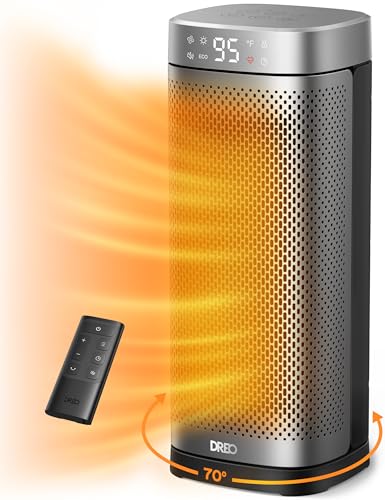
- BWP Score9.2
BWP Score is a ranking system developed by Bestwinterproducts.com. BWP score has no relationship or impact from any manufacturers or sales agent websites. Learn more
- BrandDREO

- BWP Score9.0
BWP Score is a ranking system developed by Bestwinterproducts.com. BWP score has no relationship or impact from any manufacturers or sales agent websites. Learn more
- BrandDREO

- BWP Score8.8
BWP Score is a ranking system developed by Bestwinterproducts.com. BWP score has no relationship or impact from any manufacturers or sales agent websites. Learn more
- BrandGaiatop

- BWP Score8.6
BWP Score is a ranking system developed by Bestwinterproducts.com. BWP score has no relationship or impact from any manufacturers or sales agent websites. Learn more
- BrandLasko
Last update on 2026-09-29 / Affiliate links / Images, Product Titles, and Product Highlights from Amazon Product Advertising API
FAQs
Can I safely leave an electric heater running while I sleep?
Yes, you can run an electric heater overnight if it is equipped with modern safety features and set up correctly. The unit must have a tip-over safety switch, an automatic overheat sensor, and an independent safety certification like UL or ETL. You must also maintain a clear three-foot buffer away from all blankets and plug the unit directly into a dedicated wall outlet.
Will running a space heater in my bedroom dry out my sinuses?
Heaters with blowing fans can dry out the air quickly because they push room air directly across hot heating elements. This constant airflow evaporates moisture from your throat and nasal passages while circulating dust. Choosing a silent oil-filled radiator heater or running a small room humidifier alongside a ceramic heater prevents this dryness.
Why does my bedroom space heater trip the circuit breaker?
A standard 1,500-watt space heater draws around 12.5 amps of power, which uses most of the capacity on a typical 15-amp bedroom circuit. If you plug a television, lamp, or phone charger into the same circuit branch, the combined electrical load can exceed the breaker limit. Moving other electronics to a different circuit or running your heater on a lower 750-watt or 900-watt setting usually resolves the issue.
Is a ceramic heater better than an oil-filled radiator for small bedrooms?
A ceramic heater is often better for compact bedrooms because it has a smaller footprint and heats up small spaces in just a few minutes. However, an oil-filled radiator remains the superior choice for sleep quality because it runs in total silence and maintains a gentle, steady heat. If you choose a ceramic heater for a small room, pick one with a low-decibel fan and an eco setting.


Best Warm Winter Scarves 2026 For Cozy Comfort

Best Green Ski Goggles 2026 For Clear Vision On Slopes

12 Best Corner Electric Fireplace 2026: My Ultimate Guide To Pick One

Best Battery Powered Snow Blower 2026 For Effortless Snow Clearing

Best Ski Goggles Under 30 Inches For Crisp Vision And Comfort

Best Cooling Scarf 2026 For Instant Relief And Comfort

Fake Snow for Grass: Create a Realistic Winter Lawn Display

Dimplex Prism Wall Mount Fireplace: Sleek Heat With Modern Flame Style





