
Which Type of Electric Heater Is Right for Your Room?

Decide whether that chilly space needs immediate warmth or steady, all-day comfort before shopping for a unit. Matching the heater style to your daily schedule matters because a ceramic fan heater provides the fastest direct heat for small rooms, while an oil-filled radiator delivers the best quiet, long-lasting warmth. For drafty basements or unsealed workspaces, an infrared heater warms you directly instead of struggling to heat the surrounding air.
A few simple details about your space will quickly narrow down the choice. Sleeping areas need silent operation without bright lights or clicking switches, but a chilly home office usually just needs focused airflow directed at your feet. Drafty rooms also lose circulated warm air quickly, which can leave smaller fan heaters running non-stop and driving up electric bills. Here is how each heater type works so you can pick the safest option for your setup.
What Are the Main Types of Electric Heaters?
When shopping for supplemental heat, you will encounter three main families of portable electric heaters: ceramic fan heaters, oil-filled radiators, and infrared heaters. Each style generates and distributes warmth differently, meaning the right choice depends on whether you need quick heat right now or quiet, steady warmth for hours.
Ceramic fan heaters use a ceramic heating element that warms up in seconds, paired with an internal fan that pushes warm air across the room. These heaters are compact, lightweight, and easy to carry between rooms. Because the ceramic stone plate heats immediately, you feel warmth within seconds of flipping the switch.
Oil-filled radiators resemble classic metal steam radiators, but they plug into a wall outlet and contain sealed fluid that never needs refilling. They function as a silent radiator heater that circulates steady, lasting warmth. While they take fifteen to twenty minutes to get hot, the fluid retains heat long after the unit clicks off.
Infrared heaters skip the air entirely and produce gentle heat that warms people and furniture directly like sunlight. Instead of pushing hot air toward the ceiling, an infrared quartz or carbon element emits focused radiant rays. When you sit in front of an infrared unit, your skin and clothes absorb the heat immediately, even if the surrounding room air stays cool.
How Does Each Heating Method Actually Warm Your Room?
The way a heater moves warmth determines how comfortable your room will feel. Electric models rely on two thermal methods: convection, which warms the air, and radiation, which warms solid objects directly.
Fan-forced convection pulls cold floor air across a hot ceramic stone plate and blows it back out. This air movement spreads heat quickly, but hot air naturally rises toward the ceiling, which can leave your feet cold. Many tower heaters solve this with a 70-degree sweeping oscillation that moves airflow across the floor before heat lifts.
Radiant convection heaters, like oil-filled models, do not use fans. As the internal fluid warms the metal fins, air touching the base expands and rises naturally toward the ceiling. This upward drift draws cooler floor air into the bottom in a silent loop. Without a mechanical fan, these units run silently, do not stir up dust, and will not dry out your sinuses overnight.
Infrared radiant heat sends invisible waves of energy straight forward until they strike a solid surface. In an uninsulated room with cold drafts, heating the air is inefficient because warm air quickly escapes through leaky windows or doors. An infrared beam keeps your body warm despite drafts. For poorly insulated additions like sunrooms, a specialized heater to warm drafty spaces gives you comfortable warmth without paying to heat leaking air.
Will an Electric Heater Trip Your Circuit Breaker?
Tripped breakers are the most common headache when running an electric space heater. Most portable space heaters in the United States draw up to 1,500 watts on their high heat setting. Understanding how that power impacts your home wiring helps you stay warm without plunging your room into darkness.
On a standard 120-volt household circuit, a 1,500-watt heater pulls roughly 12.5 amps of continuous electrical current. Standard residential circuit breakers in bedrooms and living rooms are rated for 15 amps total. That leaves only 2.5 amps of spare electrical capacity on that entire circuit.
If you plug a 1,500-watt heater into an outlet on a 15-amp circuit that is already powering a computer, a television, or work lighting, the total draw quickly exceeds 15 amps. Within minutes, the breaker clicks open to protect your hidden wall wires from overheating.
To avoid tripped breakers and fire hazards, follow these wiring rules:
- Plug the heater directly into a dedicated wall outlet that does not share heavy loads with other appliances.
- Never use an extension cord or power strip, as standard strips cannot handle continuous 12.5-amp loads and can melt or catch fire.
- Switch the heater to a lower heat setting, such as 750 or 900 watts, if sharing the electrical circuit with other electronics.
- Feel the wall outlet faceplate after thirty minutes; if it feels hot or smells of warm plastic, switch the heater off, unplug it, and consult a licensed electrician.
How Can You Run an Electric Heater Safely Overnight?
Running an electric heater while you sleep keeps your bedroom comfortable without forcing your central furnace to heat the whole house. But nighttime heating requires strict attention to placement and safety features because you cannot monitor the machine while asleep.
Always establish a 3-foot safety buffer around the unit. Keep the heater at least 3 feet (36 inches) away from bedding, drapes, blankets, bed skirts, upholstered furniture, and pet beds. Never wedge a heater between a nightstand and a wall or place it where blankets could drape over the grille.
Before running any heater overnight, confirm it includes these built-in protections:
- A tip-over safety switch that cuts power instantly if the unit is knocked over or tilted by pets, children, or a bump in the dark.
- An automatic overheat sensor that shuts the unit off if internal parts get dangerously hot from a blocked grille.
- Flame-retardant housing made from V0 flame-retardant materials that resist ignition and melting.
- A recognized North American safety mark, such as UL, ETL, or CSA, stamped on the product label.
Place the heater on a solid, level floor like hardwood or tile, avoiding plush carpets that can wobble the unit. Set a digital temperature dial that clicks on and off to hold your set warmth, or program an auto-off timer so the machine shuts off before morning.
Which Heater Works Best for Your Specific Room?
Choosing the right electric heater comes down to matching the heating method to your room size, sound tolerance, and routine. As a standard sizing rule, plan for roughly 10 watts of heating power per square foot of living area. A 1,500-watt heater comfortably warms an enclosed 150 square foot bedroom, or provides focused supplemental heat in a 300 square foot living room.
In bedrooms and nurseries, quiet operation and steady temperatures matter most. An oil-filled radiator is an ideal choice because it operates in complete silence, has no glowing coils, and maintains an even room temperature all night. If you pick a ceramic tower heater, select one with a quiet fan mode, a dimmable display, and an auto-off timer.
In a home office, cold feet under a desk are usually the primary issue. A compact ceramic space heater placed a few feet away warms your legs in seconds. Because home offices often share circuits with computers and printers, choosing a heater with a lower 750-watt or 900-watt heat setting keeps you comfortable without tripping the breaker.
In living rooms, warm air needs to circulate across wider seating areas. A tall ceramic tower heater with 70-degree wide oscillation works best, sweeping warmed air across sofas and chairs so everyone stays comfortable.
Specialty spaces require rugged designs. If you need supplemental heat for cold concrete floors in an unheated outbuilding, a dedicated electric heater for a garage with sturdy housing and high airflow handles the cold far better. Similarly, in a camper or recreational vehicle where electrical capacity is strictly limited, choosing a compact heater to stay warm off-grid that runs on low wattage prevents tripping campground pedestal breakers or draining your power setup.
What Features Should You Look for Before Buying?
Before buying an electric space heater, checking a few essential controls ensures you get reliable performance and simple operation. Focusing on practical features prevents you from overpaying for novelties or ending up with a heater that is frustrating to control.
First, look for an adjustable digital thermostat rather than a simple mechanical dial. A digital temperature dial that clicks on and off to hold your set warmth monitors room temperature accurately, shutting the heating element off when your target temperature is reached and re-engaging when the room cools. This saves electricity over long heating sessions.
Second, inspect the power settings and timers. Multiple heat settings, such as a 1500W high level and a 900W low level, allow you to adapt power draw to your home circuits. A programmable 1-to-12-hour auto-off timer prevents the unit from running unattended.
Finally, check the physical build. Wide-angle oscillation sweeps heat across a broader area, while a remote control makes adjustments easy from bed. Sturdy carrying handles and lightweight construction make it simple to move warmth between rooms as your day unfolds.
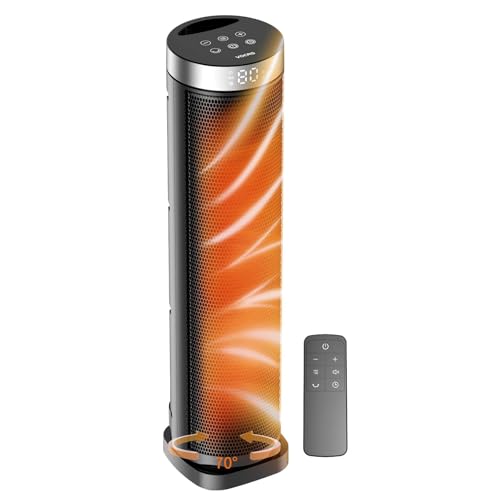
- BWP Score9.6
BWP Score is a ranking system developed by Bestwinterproducts.com. BWP score has no relationship or impact from any manufacturers or sales agent websites. Learn more
- BrandVOCRS
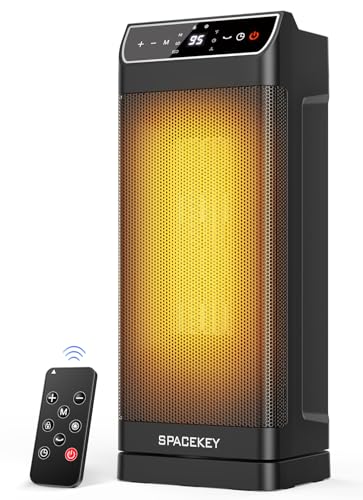
- BWP Score9.6
BWP Score is a ranking system developed by Bestwinterproducts.com. BWP score has no relationship or impact from any manufacturers or sales agent websites. Learn more
- BrandSpacekey

- BWP Score9.2
BWP Score is a ranking system developed by Bestwinterproducts.com. BWP score has no relationship or impact from any manufacturers or sales agent websites. Learn more
- BrandDREO

- BWP Score9.2
BWP Score is a ranking system developed by Bestwinterproducts.com. BWP score has no relationship or impact from any manufacturers or sales agent websites. Learn more
- BrandDREO

- BWP Score9.2
BWP Score is a ranking system developed by Bestwinterproducts.com. BWP score has no relationship or impact from any manufacturers or sales agent websites. Learn more
- BrandDREO
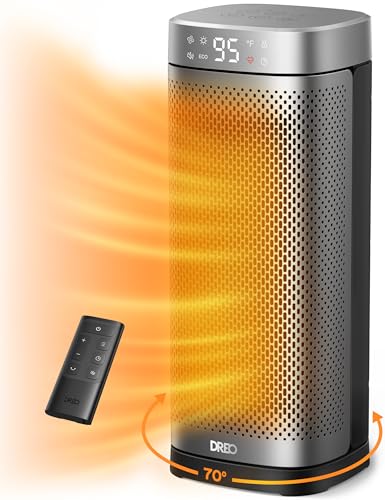
- BWP Score9.2
BWP Score is a ranking system developed by Bestwinterproducts.com. BWP score has no relationship or impact from any manufacturers or sales agent websites. Learn more
- BrandDREO

- BWP Score8.6
BWP Score is a ranking system developed by Bestwinterproducts.com. BWP score has no relationship or impact from any manufacturers or sales agent websites. Learn more
- BrandLasko
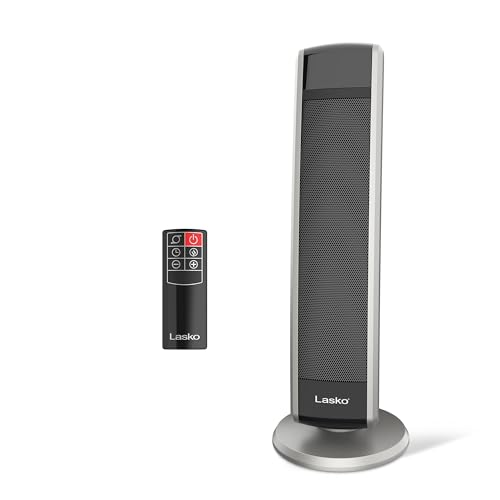
- BWP Score8.6
BWP Score is a ranking system developed by Bestwinterproducts.com. BWP score has no relationship or impact from any manufacturers or sales agent websites. Learn more
- BrandLasko
Last update on 2026-09-30 / Affiliate links / Images, Product Titles, and Product Highlights from Amazon Product Advertising API
FAQs
Which electric heater uses the least electricity?
All electric space heaters convert electrical power into heat at nearly 100 percent efficiency. That means any 1,500-watt heater consumes the exact same amount of electricity on its high setting as another. You save electricity by using a heater with an accurate thermostat that cycles off once the room warms up, running the machine on a lower heat setting like 750 or 900 watts, or using an infrared heater to warm your body directly instead of heating an entire empty room.
Can you leave an electric heater on all night?
You can safely run a modern electric heater overnight if it has proper safety certifications and is positioned correctly. Look for certified safety marks like UL or ETL, and make sure the heater has both an automatic overheat sensor and a tip-over safety switch. Place the heater on a flat, level floor at least 3 feet away from bedding, drapes, and furniture, plug it straight into a wall outlet, and use a timer or thermostat to keep the room comfortable without running continuously.
What size electric heater do you need for a bedroom?
The standard sizing guideline for home heating is roughly 10 watts of power per square foot of living space. For an average 150 square foot bedroom with standard eight-foot ceilings, a 1,500-watt heater provides plenty of warmth to maintain a comfortable temperature on cold winter nights. For smaller rooms around 100 square feet, running your heater on a 900-watt or 1,000-watt power level warms the space efficiently while leaving ample electrical capacity on your circuit breaker.
Why does my space heater smell when first turned on?
When an electric space heater sits stored in a closet during warm months, household dust and lint collect on the internal heating element. When you switch the unit on for the first cold day, those settled dust particles burn off quickly, creating a brief, dry burning odor. This smell is harmless and typically clears within 15 to 30 minutes in a room with adequate ventilation. But if the odor smells like melting plastic or rubber, turn the unit off immediately, unplug it from the wall, and inspect the plug and outlet.


Best Warm Winter Scarves 2026 For Cozy Comfort

Best Green Ski Goggles 2026 For Clear Vision On Slopes

12 Best Corner Electric Fireplace 2026: My Ultimate Guide To Pick One

Best Battery Powered Snow Blower 2026 For Effortless Snow Clearing

Best Ski Goggles Under 30 Inches For Crisp Vision And Comfort

Best Cooling Scarf 2026 For Instant Relief And Comfort

Fake Snow for Grass: Create a Realistic Winter Lawn Display

Dimplex Prism Wall Mount Fireplace: Sleek Heat With Modern Flame Style





