
Which Type of Electric Room Heater Fits Your Space?

Ceramic and oil heaters work best. A small ceramic fan heater delivers fast, direct heat when you need warmth in minutes. An oil-filled radiator provides silent, steady warmth that gradually fills an entire room and stays comfortable all night.
The right choice comes down to your space and daily routine. If light humming keeps you awake or you need continuous heat while sleeping, a quiet radiator is the calmer pick. If you just want quick comfort beside a desk or sofa, a compact fan unit warms you immediately. Floor space, safety around pets or children, and how long the heater runs will also guide your decision. Here is how each design works so you can match the right heat to your room.
Understanding the Main Electric Heater Types
Electric room heaters warm your space using different methods to deliver heat. Knowing how each design generates and moves warmth helps you pick the right model for your room and daily routine.
Ceramic fan heaters use a ceramic heating element that warms up in seconds. Electricity flows through small ceramic blocks, while an internal fan pushes warm air across the room. Because the warm air moves fast, you feel immediate relief from the chill. These compact units work best when you need fast heat in a home office, a chilly bathroom, or right near your chair.
Oil-filled radiator heaters look like traditional metal steam radiators, but they plug directly into a standard wall outlet. Electricity warms diathermic oil sealed permanently inside the metal fins. That oil circulates internally, warming the exterior metal, which then heats the room air through natural air currents. They take twenty to thirty minutes to get hot, but they operate silently and continue radiating steady warmth after the thermostat cycles off.
Radiant and infrared heaters warm you differently. Instead of blowing hot air that rises straight to the ceiling, they produce gentle heat that warms people and furniture directly like sunlight. You feel warm the instant you sit in front of the heater, even if the surrounding air stays chilly. If you need a heater to warm drafty spaces, radiant heat works well because moving cold drafts cannot blow the heat away before it reaches you.
Matching Heater Style to Room Size and Heating Speed
Choosing the right heater comes down to how quickly you need warmth and how much space you have. In typical homes, portable electric heaters draw up to 1,500 watts of electrical power. A practical sizing guideline is roughly 10 watts per square foot of living space.
A 1,500-watt electric heater can warm a closed 150-square-foot bedroom from wall to wall. In a larger living room measuring 300 square feet, that same heater cannot warm all the air quickly. In that larger space, a 1,500-watt unit serves as a personal spot heater. Placing a ceramic tower near your sofa keeps you warm without turning up your central furnace for the entire house.
Heating speed also changes what you should buy. If you only spend twenty minutes getting dressed in the morning, an oil-filled radiator is impractical because it warms up slowly. A ceramic fan heater produces noticeable warmth in seconds, taking the bite out of the air right away.
If you spend hours sitting at a desk or want overnight comfort, fan heaters can feel irritating. They can dry out your eyes, stir up dust, and make distracting whirring sounds. A silent radiator heater that circulates steady, lasting warmth creates a much more comfortable environment for long stretches of work or sleep.
Five Essential Bedroom and Overnight Heating Checks
Using a space heater in a bedroom requires strict attention to sound, light, and safety. Perform these five checks in order before you go to sleep.
- Maintain a strict three-foot safety buffer. Keep all bedding, blankets, drapes, clothing, and furniture at least three feet (36 inches) away from all sides of the unit. Reason: Hot grilles can ignite loose fabrics, and moving blankets can accidentally fall onto the heater while you sleep.
- Confirm the tip-over safety switch works properly. Set the heater on a flat, bare floor, turn it on, and gently tilt the unit sideways. Reason: A tip-over safety switch that cuts power instantly if the unit is knocked over or tilted stops fires before they start if a pet or person bumps the unit in the dark.
- Verify the overheat sensor and set the thermostat. Make sure the heater includes an automatic overheat sensor that shuts the unit off if internal parts get dangerously hot, then set your digital temperature dial that clicks on and off to hold your set warmth. Reason: The thermostat shuts the heating element down once the room reaches your target temperature, preventing overheating and saving electricity.
- Check the fan volume and display lights before bedtime. Run the heater on your preferred heat setting while resting quietly in the room, and switch off your bedside lamps. Reason: Fan motor whine can keep light sleepers awake, and bright digital screens can illuminate a dark bedroom and disrupt your rest.
- Inspect the wall outlet and feel the plug. Insert the power plug firmly into the wall, let the heater run for fifteen minutes on its high power level, and touch the wall outlet plate with your fingers. Reason: A wall plate that feels warm or hot indicates loose internal wiring or a worn receptacle, which creates a fire hazard and requires shutting the unit off immediately.
Managing Electrical Power and Preventing Blown Breakers
Electric room heaters draw substantial electrical current compared to standard household gadgets. Understanding your home electrical system prevents blown breakers and keeps your wiring safe.
Standard household wall outlets run on a 120-volt electrical circuit. Most bedroom and living room circuits connect to a 15-amp breaker in your electrical panel. A standard 1,500-watt heater running on its high heat setting draws about 12.5 amps of electricity. That single heater consumes over 80 percent of the circuit's total safe working capacity.
If you plug another appliance into that same electrical circuit, the breaker will trip. A television, computer monitor, or vacuum cleaner running on the same circuit will push total demand past 15 amps. If you need continuous heat in a workshop or utility room, using an electric heater for a garage with a thermostat on an isolated circuit prevents interruptions to your household electronics.
Never use an extension cord, power strip, or surge protector with an electric space heater. Most household extension cords have light wiring that cannot handle a continuous 12.5-amp load for hours. The cord can overheat, soften its insulation, melt the plastic power strip, and cause an electrical fire.
Plug your heater directly into a dedicated wall outlet. The prongs should fit snugly into the receptacle. If the plug fits loosely, move the heater to another outlet, because loose electrical prongs generate dangerous heat. If your breaker trips repeatedly, turn the heater off, unplug it, and consult a licensed electrician to inspect your panel and wiring.
Comparing Floor Models to Wall-Mounted Heaters
Deciding between a floor heater and a wall-mounted unit comes down to floor space, mobility, and your living arrangements.
Freestanding floor heaters provide great versatility. You can move a portable ceramic tower from your home office during the day to your living room in the evening. Many floor units feature wide oscillation that sweeps warm air across an entire seating group. But they take up floor space, their power cords create tripping hazards, and pets or children can bump into them.
Wall-mounted heaters save floor space completely. Bolted securely to the wall, they keep hot surfaces away from pets, baby gates, and foot traffic. They work well in narrow entryways, small home offices, and compact bedrooms where floor area is tight. Many wall units include timers and remote controls so you can warm a room before entering.
The trade-off with wall heaters is fixed placement. You cannot carry the unit into another chilly room when company visits. They also require drilling brackets into wall studs or drywall anchors, which some rental agreements forbid. If you rent or want one heater for multiple rooms, a portable floor model remains the practical choice.
Choosing the Right Heater for Your Living Space
Finding the right electric heater starts by matching the heating style to your daily routine. Choose an oscillating ceramic fan heater if you need fast, focused heat for shorter periods, such as warming up while working at a desk. Choose an oil-filled radiator if you want quiet, steady warmth that runs for hours without moving air or drying out your room.
Before purchasing, measure your room and check your outlets. Ensure you have three feet of clear space around the heater and a dedicated wall outlet nearby. Check the product label for recognized safety marks from agencies like UL, ETL, or CSA. Picking a heater with an adjustable thermostat dial and reliable safety shutoffs keeps your room warm, comfortable, and safe all winter long.

- BWP Score-
BWP Score is a ranking system developed by Bestwinterproducts.com. BWP score has no relationship or impact from any manufacturers or sales agent websites. Learn more
- BrandDREO

- BWP Score-
BWP Score is a ranking system developed by Bestwinterproducts.com. BWP score has no relationship or impact from any manufacturers or sales agent websites. Learn more
- BrandDREO

- BWP Score-
BWP Score is a ranking system developed by Bestwinterproducts.com. BWP score has no relationship or impact from any manufacturers or sales agent websites. Learn more
- BrandGiveBest

- BWP Score-
BWP Score is a ranking system developed by Bestwinterproducts.com. BWP score has no relationship or impact from any manufacturers or sales agent websites. Learn more
- BrandDREO
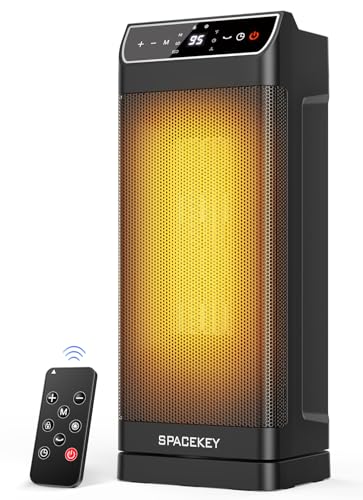
- BWP Score-
BWP Score is a ranking system developed by Bestwinterproducts.com. BWP score has no relationship or impact from any manufacturers or sales agent websites. Learn more
- BrandSpacekey

- BWP Score-
BWP Score is a ranking system developed by Bestwinterproducts.com. BWP score has no relationship or impact from any manufacturers or sales agent websites. Learn more
- BrandDREO

- BWP Score-
BWP Score is a ranking system developed by Bestwinterproducts.com. BWP score has no relationship or impact from any manufacturers or sales agent websites. Learn more
- BrandGaiatop
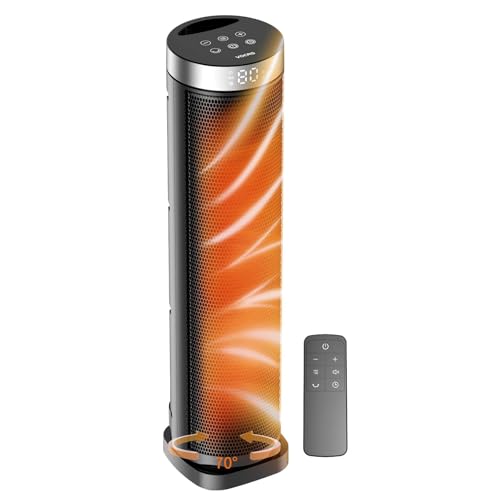
- BWP Score-
BWP Score is a ranking system developed by Bestwinterproducts.com. BWP score has no relationship or impact from any manufacturers or sales agent websites. Learn more
- BrandVOCRS

- BWP Score-
BWP Score is a ranking system developed by Bestwinterproducts.com. BWP score has no relationship or impact from any manufacturers or sales agent websites. Learn more
- BrandDUOMIY
Last update on 2026-09-30 / Affiliate links / Images, Product Titles, and Product Highlights from Amazon Product Advertising API
Frequently Asked Questions
Which electric heater type is the cheapest to run?
All electric space heaters convert almost 100 percent of their electric energy into heat, so a 1,500-watt ceramic fan heater uses the exact same amount of electricity as a 1,500-watt oil-filled radiator. You save money by heating only the room you are using rather than running central heating for the entire house. Selecting a model with an adjustable thermostat dial and using lower power levels, like 750 or 1,000 watts, also keeps your electric bill manageable.
Can I safely leave an electric room heater running overnight?
You can run an electric heater overnight if it features both an automatic overheat sensor and a tip-over safety switch, along with a recognized safety mark like UL or ETL. Place the heater on a flat floor at least three feet away from all bedding, rugs, and curtains. Plug the heater directly into a wall outlet rather than a power strip, and check that your bedroom smoke detector works before going to sleep.
Why does my space heater keep tripping the electrical circuit breaker?
A standard 1,500-watt space heater pulls about 12.5 amps of electricity, which uses up almost the entire capacity of a standard 15-amp household circuit. If other devices like lamps, gaming consoles, or televisions share that same circuit, the combined power draw overloads the breaker. To stop the breaker from tripping, switch the heater to a lower heat setting or move it to a wall outlet on a different circuit.
Is an oil-filled radiator better than a ceramic fan heater for a bedroom?
An oil-filled radiator is usually better for bedrooms because it produces silent, steady warmth without blowing dry air across your bed. While it takes twenty to thirty minutes to get hot, the heated oil retains warmth for a long time, preventing sudden temperature drops. Ceramic fan heaters provide heat much faster, but the noise of the fan motor switching on and off can wake light sleepers throughout the night.


Best Warm Winter Scarves 2026 For Cozy Comfort

Best Green Ski Goggles 2026 For Clear Vision On Slopes

12 Best Corner Electric Fireplace 2026: My Ultimate Guide To Pick One

Best Battery Powered Snow Blower 2026 For Effortless Snow Clearing

Best Ski Goggles Under 30 Inches For Crisp Vision And Comfort

Best Cooling Scarf 2026 For Instant Relief And Comfort

Fake Snow for Grass: Create a Realistic Winter Lawn Display

Dimplex Prism Wall Mount Fireplace: Sleek Heat With Modern Flame Style





