
Which Engine Block Heater Type Is Most Effective in 2026?

A coolant immersion heater works best. This style places a heating element directly inside a freeze plug port (a factory hole in the engine wall), warming fluid from the core outward. Because heat spreads through the entire metal block, your engine cranks smoothly on freezing mornings and produces cabin heat quickly. While an immersion block heater provides the most thorough warmth, external pads offer a simpler route if you want to avoid draining fluid.
The right choice depends on your mechanical comfort and your vehicle setup. Fitting an internal unit means draining fluid and popping out a metal plug, while stick-on pads simply attach to the outside. Pan material matters too, because magnets will not stick to modern aluminum or composite plastic pans. Severe winter temperatures also demand more heating strength. Here is how each option compares so you can pick the safest match for your driveway.
The Short Version
- Best overall heat: Coolant immersion heaters sit directly inside your engine block, warming the fluid that surrounds the cylinders for fast starts and quick cabin heat.
- Easiest DIY setup: Adhesive silicone heating pads stick directly to the bottom of the oil pan, warming the oil supply without opening the cooling system.
- Best for quick equipment swaps: Magnetic heaters clamp onto flat steel surfaces in seconds, making them handy for farm equipment, snow blowers, or trucks with iron oil pans.
- Crucial fit check: Never buy a magnetic heater before verifying your oil pan metal with a refrigerator magnet, because magnets will not stick to modern aluminum or composite plastic pans.
Why Coolant Immersion Heaters Provide the Most Effective Heat
When winter temperatures plunge below freezing, motor oil turns thick like chilled honey and vehicle batteries lose up to half their starting power. At the same time, cold metal cylinders pull heat away from the air-fuel mix, making it difficult for the engine to catch. An immersion heater solves this problem from the inside out by placing a heating element directly inside the engine coolant jacket.
The coolant jacket is a hollow network of fluid passages cast right into the metal of the engine block. Because the heating element makes direct contact with this fluid, almost every watt of electrical power turns into usable heat. There is no air gap, thick metal shell, or cold wind blowing the warmth away before it reaches the engine core.
Once the element warms the coolant, natural fluid movement takes over. Warm liquid expands, becomes lighter, and rises toward the cylinder head, while cooler liquid sinks to the bottom. This continuous, quiet circulation warms the upper cylinders, combustion chambers, and metal block evenly. When you turn the key on a sub-zero morning, the pistons slide smoothly through warm cylinder walls, the battery cranks without groaning, and your dashboard heater blows warm air almost right away.
Comparing the Four Main Engine Heater Types
While an immersion heater offers the highest heat transfer efficiency, other heater styles exist to solve different installation hurdles, vehicle designs, and cold-weather needs.
1. Coolant Immersion Heaters (Core Plug Heaters)
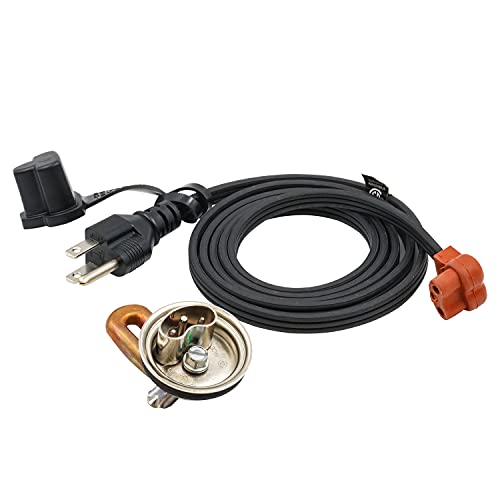
These heaters press or thread directly into a factory opening on the engine block. Manufacturers build engines with casting holes sealed by freeze plugs, which are small metal caps sealing a factory hole in the engine block. An immersion heater replaces one of these caps, or threads into a dedicated port using fittings such as a 1-inch NPT thread brass adapter or a press-fit 1-5/8-inch diameter plug.
Running on standard 120-volt household electricity at 400 watts, these units deliver concentrated heat directly to the water jacket. Some models carry recognized safety marks such as CSA approval. They are the gold standard for deep winter climates, but they require the most effort to install because you must drain the coolant and remove a factory plug.
2. Magnetic Engine Heaters
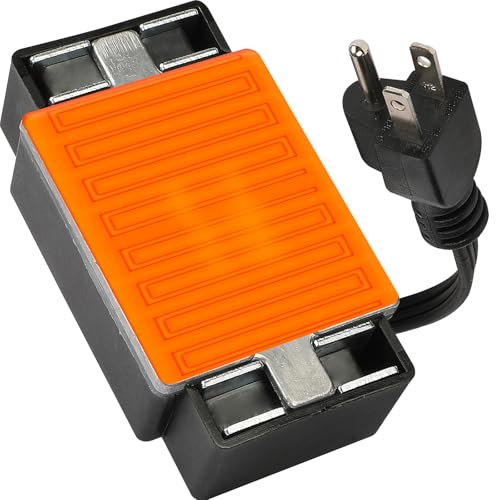
A magnetic engine heater is a portable, self-contained heating block equipped with strong built-in magnets. Models commonly draw 200 watts, 300 watts, or 400 watts on 120 volts. You simply grab the handle, place the flat metal face against an iron oil pan or engine casting, and plug it in.
The primary advantage is complete freedom from tools and mechanical changes. You can move a single 200-watt magnetic heater between a daily driver, a tractor, a snowmobile, and a snow blower. However, external heat must fight against freezing ambient breezes. You also have to remember to pull the heater off the vehicle before driving away, or it will fall off on the road.
3. Adhesive Silicone Oil Pan Heating Pads
Adhesive heaters consist of a flexible silicone pad with an internal heating grid and a peel-and-stick backing. Sized around 4 by 5 inches and pulling roughly 150 watts on 120 volts, these pads stick directly to the flat exterior of the oil pan (the metal bowl at the bottom of the engine holding oil).
Because they warm the oil reservoir directly, they provide instant lubrication to the engine bearings the second the starter engages. Many quality pads feature a built-in thermostat that cuts power when the surface reaches a safe working temperature, preventing scorched oil. They work on both steel and aluminum pans, making them a top choice for modern cars with lightweight metals.
4. Circulating Tank Heaters
An inline tank heater is an external canister heater spliced into radiator hoses or vehicle heater lines. Units such as a 1500-watt aluminum circulating tank heater mount to a frame rail or inner fender using strap brackets. These units heat a larger volume of coolant and feature built-in thermostats that control fluid temperatures between 135 and 175 degrees Fahrenheit.
Tank heaters work exceptionally well on large diesel engines, heavy work trucks, and farm machinery that need massive heat fast. Because they pull up to 1500 watts, they demand a dedicated electrical circuit, and routing the coolant hoses requires careful planning to prevent air locks.
Fit and Safety Checklist: Metals, Plastics, and Power Cords
Installing an engine heater requires confirming basic vehicle compatibility and following electrical safety rules. Review these checkpoints before buying or plugging in any unit:
- Check oil pan metal with a magnet: Grab an ordinary refrigerator magnet and touch it to your oil pan. If the magnet snaps into place, your pan is steel or cast iron, meaning magnetic heaters will work. If the magnet drops to the ground, your pan is aluminum or molded plastic, which rules out magnetic heaters completely.
- Avoid all plastic surfaces: Never attach a magnetic heater or an adhesive silicone pad to plastic splash shields, composite valve covers, or plastic oil pans. High surface heat will soften, deform, or melt plastic components.
- Secure cord routing: Route the power cord away from sharp sheet metal edges, hot exhaust manifolds, and rotating accessories like serpentine belts or cooling fan blades. Use heat-resistant nylon zip ties to anchor the cord to solid frame brackets.
- Use a heavy-duty outdoor extension cord: Most heaters pull between 150 and 1500 watts. Use a grounded 3-prong, 12-gauge or 14-gauge outdoor-rated extension cord plugged into a GFCI outlet to prevent blown fuses, tripped breakers, or melted plugs.
- Protect your parking area: If you park inside an unheated workshop or barn, pairing your block heater with a steady electric heater for garage with thermostat can keep tools and work areas comfortable while the vehicle warms up.
Operating Time: How Long Each Type Takes to Warm an Engine
Leaving an engine heater plugged in around the clock is unnecessary and drives up your winter electric bill. Each heater style transfers heat at a distinct speed:
Coolant Immersion Heaters: A 400-watt immersion heater generally needs two to three hours to bring an engine block up to an easy starting temperature, even when outdoor temperatures dip well below zero. In mild freezing weather around 20 degrees Fahrenheit, two hours is plenty.
Circulating Tank Heaters: Because these units pull 1000 to 1500 watts, they heat quickly. Spliced into the cooling lines, a circulating tank heater can bring a big diesel block up to operating warmth in one to two hours.
Adhesive Silicone Pads: A 150-watt pad warms the oil pan reservoir in about one to two hours. This thins the oil so it circulates on the first crank, though it does not warm the upper engine block as thoroughly as an immersion style.
Magnetic Heaters: A 200-watt to 400-watt magnetic heater attached to an exposed oil pan loses significant heat to the open winter air. Plan on three to four hours of run time. If the wind is howling, place a piece of cardboard underneath the vehicle to block drafts.
For the easiest morning routine, connect your extension cord to a heavy-duty outdoor plug timer set to switch on three hours before your morning commute. Travelers living on the road can also plan winter vehicle preparation alongside a dedicated heater for van life, keeping in mind that high-wattage immersion elements demand access to a generator or regular shore power outlet.
DIY Setup Versus Hiring a Mechanic
Choosing between a DIY install and paying a shop comes down to which fluid systems you are willing to touch.
When to Do It Yourself
Adhesive silicone heating pads and magnetic heaters are straightforward do-it-yourself projects. A magnetic heater requires no mechanical work at all: wipe road grime off the flat metal surface, mount the magnet, and plug in the cord. An adhesive pad requires thorough surface preparation. You must spray the bottom of the oil pan with degreaser, scrape off loose paint or rust, wipe it clean with alcohol, peel the protective backing, and press the pad firmly in place. Applying a bead of high-temperature silicone sealant around the outer edge keeps water and road salt from peeling the adhesive loose over time.
When to Hire a Professional
Installing an immersion heater in a core plug opening requires intermediate mechanical ability. The process involves draining the cooling system, locating a freeze plug tucked behind exhaust manifolds or engine mounts, and tapping the plug with a punch to rotate and remove it without gouging the soft metal bore. If you scratch the engine block opening, the new heater will leak coolant under pressure.
Once the plug is out, the new immersion heater must be driven in squarely or threaded tightly using appropriate thread sealants. You then refill the radiator and run the engine to bleed trapped air pockets from the cooling passages. If you lack jack stands, fluid drain pans, or the confidence to strike an engine casting with a hammer, hire a qualified automotive technician to handle the job.
What to Look for in an Engine Heater
Before purchasing an engine heater, examine your engine bay, check your local winter temperatures, and assess your installation comfort. If you want maximum starting heat and cabin warmth in sub-zero climates, select an immersion heater matched to your engine make, thread size, or core plug diameter.
If you prefer an easy installation that avoids draining fluids, verify whether your oil pan is magnetic steel or non-magnetic aluminum. Aluminum pans pair best with adhesive silicone pads, while steel pans allow the use of quick-mount magnetic units. Check the electrical wattage rating against your outdoor outlets, confirm the power cord length reaches your front grille easily, and look for durable silicone wiring that stays flexible in bitter cold.

- BWP Score9.6
BWP Score is a ranking system developed by Bestwinterproducts.com. BWP score has no relationship or impact from any manufacturers or sales agent websites. Learn more
- Brandbesttruck

- BWP Score9.4
BWP Score is a ranking system developed by Bestwinterproducts.com. BWP score has no relationship or impact from any manufacturers or sales agent websites. Learn more
- BrandGELUOXI
- BWP Score9.2
BWP Score is a ranking system developed by Bestwinterproducts.com. BWP score has no relationship or impact from any manufacturers or sales agent websites. Learn more
- BrandZerostart

- BWP Score8.4
BWP Score is a ranking system developed by Bestwinterproducts.com. BWP score has no relationship or impact from any manufacturers or sales agent websites. Learn more
- BrandFexhull

- BWP Score8.4
BWP Score is a ranking system developed by Bestwinterproducts.com. BWP score has no relationship or impact from any manufacturers or sales agent websites. Learn more
- BrandKENUOS

- BWP Score8.4
BWP Score is a ranking system developed by Bestwinterproducts.com. BWP score has no relationship or impact from any manufacturers or sales agent websites. Learn more
- BrandKAT'S

- BWP Score8.2
BWP Score is a ranking system developed by Bestwinterproducts.com. BWP score has no relationship or impact from any manufacturers or sales agent websites. Learn more
- BrandKAT'S
- BWP Score8.0
BWP Score is a ranking system developed by Bestwinterproducts.com. BWP score has no relationship or impact from any manufacturers or sales agent websites. Learn more
- BrandFexhull
Last update on 2026-09-30 / Affiliate links / Images, Product Titles, and Product Highlights from Amazon Product Advertising API
FAQs
Can I drive my vehicle with an engine block heater plugged in?
No, you must always unplug and stow the power cord before turning the key. Driving away with the cord attached will rip the electrical plug, damage the heater wiring, and pull your extension cord across the driveway. If you use a magnetic heater, you must also climb under the vehicle and remove the magnetic base completely before driving so it does not fall off on the road.
Will an engine block heater drain my vehicle battery?
An engine block heater will not drain your vehicle battery because it runs entirely on 120-volt household alternating current from an exterior wall outlet. It does not connect to your car battery or vehicle wiring harness in any way. In fact, pre-warming the engine protects your battery by drastically lowering the electrical power needed to crank the starter motor.
At what outside temperature should I start plugging in a block heater?
Most gasoline engines start without hesitation down to around 20 degrees Fahrenheit, but plugging in below freezing (32 degrees Fahrenheit) reduces starter wear and provides immediate cabin heat. For diesel engines, plugging in is recommended whenever temperatures drop below 30 degrees Fahrenheit, and it becomes essential below 0 degrees Fahrenheit to prevent cold-fuel gelling and extended cranking.
Can leaving an engine block heater plugged in cause a fire?
Engine heaters are engineered to operate safely for hours, but fire hazards can arise from damaged electrical cords or improper mounting. Never run cords across sharp metal brackets or against blistering hot exhaust pipes. In addition, never attach stick-on or magnetic heaters to plastic underbody covers, which can melt when exposed to high surface heat.


Best Warm Winter Scarves 2026 For Cozy Comfort

Best Green Ski Goggles 2026 For Clear Vision On Slopes

12 Best Corner Electric Fireplace 2026: My Ultimate Guide To Pick One

Best Battery Powered Snow Blower 2026 For Effortless Snow Clearing

Best Ski Goggles Under 30 Inches For Crisp Vision And Comfort

Best Cooling Scarf 2026 For Instant Relief And Comfort

Fake Snow for Grass: Create a Realistic Winter Lawn Display

Dimplex Prism Wall Mount Fireplace: Sleek Heat With Modern Flame Style





