
Which Type of Engine Heater Is Right for Your Vehicle?

Start by deciding whether removing a frost plug (a small metal cap sealing the engine block) is a task you want to handle. An immersion block heater offers the best performance overall because it warms the coolant directly inside the engine core. For anyone wanting a simple project without draining fluids, an adhesive oil pan pad or a magnetic heater warms the motor oil from the outside with far less effort.
The ideal option changes based on winter temperatures, vehicle materials, and DIY comfort. Deep sub-zero freezes require that thorough core heat to turn over stiff pistons, whereas mild winter chills only need warm, fluid oil. Vehicle design matters just as much, since magnetic units cling only to flat steel pans, while aluminum pans require glued pads or coolant heaters. Here is a clear breakdown of each style to help match the right heater to the vehicle.
How Immersion Heaters, Oil Pan Pads, and Magnetic Blocks Compare
When winter temperatures drop below freezing, motor oil thickens like cold honey and battery cranking power drops sharply. Engine preheaters solve this cold morning struggle, but they do it using completely different heating methods. Choosing the right design comes down to understanding where heat enters your engine, how cold your winters get, and how much mechanical work you feel comfortable tackling.
An immersion heater (a heating rod that sits directly inside engine fluid) replaces a small factory cap on your engine block. Because the element rests directly inside the cooling passages, it transfers warmth straight into the metal heart of the motor. This warms the cylinder walls, the engine head, and the internal fluid channels before you ever turn the ignition key. It takes the most mechanical effort to install, but it delivers the most complete engine warming you can get for severe winter weather.
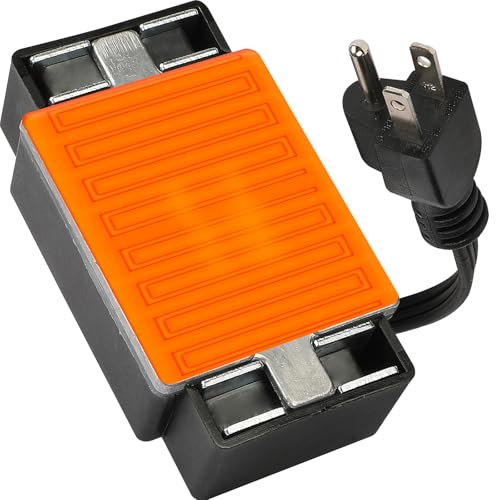
Surface warmers take an outside-in approach. An oil pan (the metal reservoir at the bottom of the engine holding motor oil) gathers all your engine lubrication when the vehicle sits parked. A silicone adhesive pad sticks directly to the exterior bottom or side of this reservoir using high-temperature silicone glue. It warms the resting oil pool so that thin, slippery fluid reaches vital engine bearings the second your starter turns. Magnetic heaters operate on a similar external principle but use heavy-duty built-in magnets to clamp against bare iron or steel. You attach a magnetic block to the bottom of the engine or transmission housing, plug it into an outdoor outlet, and pull it off when warmer weather arrives.
Each design balances heating efficiency against ease of setup. Immersion block heaters provide unmatched starting reliability in sub-zero climates because they warm the entire block casting. Surface pads and magnetic units avoid touching coolant hoses or engine plumbing altogether. That makes them excellent alternatives for quick winter prep, older tractors, snow equipment, and vehicles with difficult cooling port access.
Why Immersion Block Heaters Excel in Deep Freezes
If you live in a northern region where winter temperatures drop below zero for weeks at a time, heating only the oil reservoir rarely solves cold starting issues. An immersion heater warms the liquid coolant that surrounds the cylinders. As the heating rod warms the surrounding fluid, natural physical movement takes over. Warm fluid rises toward the cylinder head, while colder fluid sinks down toward the heated element. This gentle internal circulation gradually turns the entire cast iron or aluminum engine block into a warm thermal mass.
This internal core heat changes everything on a bitter January morning. Because the cylinder walls remain warm, fuel vaporizes cleanly instead of clinging to icy metal surfaces. The starter motor does not have to fight stiff, sluggish pistons, which saves wear on the starter and protects your battery from rapid draining. You also get heat inside the passenger cabin almost immediately after turning the key, because your vehicle heater core is already filled with warm coolant.
Installing an immersion heater requires removing a frost plug (a metal cap sealing a manufacturing hole in the engine block). This process involves draining the cooling fluid, gently tapping out the factory metal cap with a brass drift and hammer, and pressing or threading the heating rod into the open port. Once the unit is sealed and the cooling system is refilled, you route the power cord through your front grille. Because opening a cooling system carries the risk of trapped air pockets or fluid leaks, many drivers choose to have an automotive technician complete the install. Once in place, an immersion heater serves as a permanent winter fixture that lasts for many seasons.
For diesel truck owners, heavy farm machinery, and daily commuters braving extreme windchills, internal coolant heating remains the gold standard. External winter winds can quickly strip surface heat away from the outside of an engine, but they cannot penetrate the insulated coolant passages of an engine core.
When Magnetic Warmers and Adhesive Oil Pan Pads Make Sense
Not every winter climate demands draining engine fluid or removing factory freeze plugs. If your local temperatures hover around freezing or dip into the teens, warming your motor oil is often all your engine needs to turn over smoothly. When oil sits in freezing temperatures, it thickens significantly and resists flowing through tiny internal oil passages. Warming the oil pan (the metal reservoir at the bottom of the engine holding motor oil) keeps the liquid thin and ready to protect delicate moving parts.
Adhesive silicone pads stick flat against the bottom of the oil pan and remain attached throughout the year. To mount one, you clean a flat section of the pan down to bare metal, apply high-temperature silicone sealant, press the flexible pad firmly into place, and secure the power cord away from hot exhaust pipes and moving belts. Many pads feature an internal thermostat that automatically clicks off once the pan reaches operating warmth, preventing the oil from scorching. Because they bond with adhesive, silicone pads mount cleanly to both aluminum and steel oil pans.
Magnetic warmers offer unmatched versatility if you care for multiple pieces of equipment. Built with heavy metal bodies and strong ceramic magnets, these units grip iron and steel surfaces firmly without any tools. You can attach a magnetic warmer to a pickup truck pan overnight, then move it to a snowblower, log splitter, or tractor the following afternoon. However, magnetic heaters require bare, flat steel or cast iron. If you attempt to mount a magnetic heater over thick paint, rust, or an aluminum pan, it will fail to hold or will not transfer heat effectively.
Consider this checklist when deciding if a surface warmer meets your winter needs:
- You want reliable winter starting warmth without draining coolant or opening factory engine seals.
- Your vehicle has a smooth, flat oil pan surface accessible from underneath without taking apart body panels.
- You park in a partially protected spot, such as a carport, open equipment shed, or sheltered driveway corner.
- You need a portable warming unit that you can move between seasonal utility equipment and vehicles.
- Your primary concern is thick oil causing high engine friction and delayed lubrication during cold starts.
Remember that surface warmers lose some of their heat to cold outdoor air. In open driveways exposed to stiff northern winds, frigid air can carry away external heat before it fully warms the metal. Surface heaters work best in moderate cold or inside sheltered parking spaces. If you store your vehicle or seasonal gear in an unheated outbuilding, combining a surface warmer with the best electric heater for garage with thermostat control takes the bitter chill off the surrounding room while keeping machine fluids fluid and ready.
What to Check Before Choosing an Engine Heater
Finding the right engine heater starts with an honest inspection of your vehicle, your climate, and your winter parking habits. Begin by sliding under the front of your vehicle with a flashlight to verify the material of your oil pan. Touch a common refrigerator magnet to the bottom surface of the reservoir. If the magnet snaps firmly into place, you have a stamped steel or cast iron pan, which means magnetic heaters and adhesive pads will both work. If the magnet drops away, your pan is cast aluminum. Aluminum will not hold a magnetic heater, meaning an adhesive silicone pad or an immersion coolant heater is required.
Next, look closely at the shape and clearance of the pan. Surface heaters need flat, continuous contact across their entire surface. If your oil pan features raised cooling fins, deep ridges, or a plastic protective skid plate that blocks direct access, an adhesive pad or magnetic block will not fit safely. In that case, an immersion heater fitted into a coolant port or an inline heater installed along a cooling line provides the reliable heating you need.
Electrical safety is equally important when setting up any winter preheater. Engine heaters draw steady electrical power for hours at a time. Never connect an engine heater to a thin household extension cord, which can overheat, melt its protective insulation, and create an electrical hazard. Always select a heavy-duty, outdoor-rated, three-prong grounded cord labeled for winter weather. A cord with an illuminated female plug provides immediate visual confirmation that your outdoor circuit is active before you head inside for the evening.
You also need a smart plan for managing electrical run time. Leaving an engine heater plugged in around the clock wastes electricity and adds unnecessary wear to the heating element. Most engines reach optimal starting temperatures after two to three hours of preheating. Plugging your heater cord into an outdoor mechanical timer lets you schedule power to turn on two hours before your morning departure. For off-grid travelers, pairing dependable cabin warmth using the best heater for van life with an automated engine block preheater ensures both your living space and your drivetrain stay ready for freezing mountain mornings.

- BWP Score9.6
BWP Score is a ranking system developed by Bestwinterproducts.com. BWP score has no relationship or impact from any manufacturers or sales agent websites. Learn more
- Brandbesttruck

- BWP Score9.4
BWP Score is a ranking system developed by Bestwinterproducts.com. BWP score has no relationship or impact from any manufacturers or sales agent websites. Learn more
- BrandGELUOXI

- BWP Score9.4
BWP Score is a ranking system developed by Bestwinterproducts.com. BWP score has no relationship or impact from any manufacturers or sales agent websites. Learn more
- BrandZerostart

- BWP Score8.4
BWP Score is a ranking system developed by Bestwinterproducts.com. BWP score has no relationship or impact from any manufacturers or sales agent websites. Learn more
- BrandKENUOS

- BWP Score8.4
BWP Score is a ranking system developed by Bestwinterproducts.com. BWP score has no relationship or impact from any manufacturers or sales agent websites. Learn more
- BrandFexhull

- BWP Score8.4
BWP Score is a ranking system developed by Bestwinterproducts.com. BWP score has no relationship or impact from any manufacturers or sales agent websites. Learn more
- BrandKAT'S

- BWP Score8.2
BWP Score is a ranking system developed by Bestwinterproducts.com. BWP score has no relationship or impact from any manufacturers or sales agent websites. Learn more
- BrandKAT'S
- BWP Score8.0
BWP Score is a ranking system developed by Bestwinterproducts.com. BWP score has no relationship or impact from any manufacturers or sales agent websites. Learn more
- BrandFexhull

- BWP Score-
BWP Score is a ranking system developed by Bestwinterproducts.com. BWP score has no relationship or impact from any manufacturers or sales agent websites. Learn more
- BrandTOPMV
Last update on 2026-09-30 / Affiliate links / Images, Product Titles, and Product Highlights from Amazon Product Advertising API
FAQs
Do you have to drain the engine coolant to install an immersion heater?
Yes, installing an immersion heater requires draining the cooling fluid. Because the heating element sits inside an open port in the engine cylinder block, coolant will pour out the moment you remove the factory metal plug. After securing the new heater in place, you must refill the cooling system and bleed out any trapped air pockets to prevent engine overheating during normal driving.
Can you leave an engine heater plugged in all night?
You can leave an engine heater plugged in all night without damaging your engine, but doing so wastes electricity. An engine block reaches its maximum heat retention after two to three hours of continuous warming. Connecting your heater to an outdoor timer set to start two hours before your morning commute delivers the exact same cold-start protection while keeping your energy costs low.
Will a magnetic heater stick to an aluminum oil pan?
No, a magnetic heater will not stick to an aluminum oil pan because aluminum does not contain iron. If your vehicle has an aluminum pan, the magnet will slide off and drop to the ground. For aluminum oil pans, choose a flexible silicone adhesive pad that bonds directly to the clean metal surface with high-temperature silicone sealant.


Best Warm Winter Scarves 2026 For Cozy Comfort

Best Green Ski Goggles 2026 For Clear Vision On Slopes

12 Best Corner Electric Fireplace 2026: My Ultimate Guide To Pick One

Best Battery Powered Snow Blower 2026 For Effortless Snow Clearing

Best Ski Goggles Under 30 Inches For Crisp Vision And Comfort

Best Cooling Scarf 2026 For Instant Relief And Comfort

Fake Snow for Grass: Create a Realistic Winter Lawn Display

Dimplex Prism Wall Mount Fireplace: Sleek Heat With Modern Flame Style





