
Which Type of Heater Warms a Cold Basement?

Oil-filled radiators and infrared heaters work best. Cold concrete floors constantly pull warmth out of the room, making basements especially stubborn to heat. A sealed oil-filled radiator works best for finished living spaces because it delivers steady, quiet warmth that lingers for hours. If the room is drafty or unfinished, an infrared quartz heater works better because it beams heat straight onto your skin and clothes instead of trying to warm chilled air.
The right pick depends on your wall insulation and how much time you spend downstairs. Bare foundation walls swallow warm air quickly, which makes targeted heat smarter for an hour at a workbench. A finished room with drywall holds warmth, so slow, gentle circulation keeps a home office comfortable all afternoon. Here is how to match each heater style to your basement setup so you stay cozy without overloading your circuit breaker.
Why Basement Heat Loss Is Different From Upstairs Rooms
Heating a basement is completely different from warming a bedroom or living room on the main floor. Upstairs rooms sit entirely above the ground, surrounded by outdoor air and insulated exterior walls. Basements sit below the soil level, where the surrounding earth stays at a steady 50 to 55 degrees Fahrenheit throughout the year. That cool ground continuously pulls warmth away from your home through the foundation.
Concrete floors and cinder block foundation walls act as a thermal mass (heavy, dense building materials that soak up heat and hold onto cold). When you turn on an ordinary space heater in an unfinished basement, the cold concrete slab acts like an enormous sponge. It drinks up the warmth from the air almost as fast as the heater can produce it. You can run a small heater on high for hours, yet the moment you step two feet away from the unit, the air feels just as chilly as before.
Basements also suffer from natural airflow patterns inside a house. Warm air naturally expands, becomes lighter, and floats upward toward your roof. Cold air is heavier, so it sinks down stairwells and pools across your basement floor. At the same time, cold outdoor air often seeps in through the rim joists (the wooden framing where your house rests on top of the concrete foundation). Because of this constant battle against cold soil below and rising heat above, a standard heater that easily warms a guest bedroom upstairs can struggle to make even a small basement corner feel comfortable.
Comparing Ceramic, Infrared, and Convection Heaters for Basements
Choosing the right heating equipment comes down to how the unit delivers warmth into a below-grade space. The three most common electric options are ceramic fan heaters, infrared heaters, and convection units like oil-filled radiators or wall panels. Each type solves a different cold-weather problem.
Ceramic heaters use an internal ceramic heating element that warms up in seconds, paired with a small electric fan that pushes warm air across the room. These heaters work quickly and feel great when aimed directly at your feet or legs while you sit at a desk. But because they heat the air directly, much of that hot air rises straight to the ceiling joists. If your basement ceiling is uninsulated or has open floor joists, that air will warm the subfloor of your upstairs rooms instead of keeping your basement seating area warm.
Infrared heaters work completely differently. Instead of trying to warm the ambient air, they produce radiant heat (gentle warmth that beams directly onto people, clothes, and furniture like sunlight). This makes infrared an outstanding choice for chilly workshops, laundry areas, or basements with bare concrete floors. The concrete slab cannot suck the warmth out of infrared rays before they hit your body. If you spend time in drafty outbuildings, this targeted warmth operates much like solutions designed for warming drafty spaces where insulating the air is nearly impossible.
Convection panel heaters and oil-filled radiators are built for steady, long-term comfort in finished spaces. An oil-filled radiator uses electricity to heat a reservoir of specially sealed fluid inside metal fins. It does not use a fan, so it operates in complete silence. As air glides across the metal fins, it gently circulates throughout the room. Wall-mounted convection panels work similarly by drawing cool air in through the bottom and venting warm air out the top. These heaters take 30 to 45 minutes to get going, but they create the most even, natural room temperature without stirring up dust or drying out your eyes.
Step-by-Step Checks to Match a Heater to Your Basement Layout
-
Check your basement floor and wall construction.
Look closely at what your room is built from, because bare concrete walls and uninsulated slabs swallow heated air instantly. If you have finished walls with drywall, insulation, and carpet or vinyl plank flooring, an oil-filled radiator or wall convection panel will easily keep the entire room comfortable. If you have bare masonry walls, exposed foundation blocks, or naked concrete floors, choose an infrared heater that warms you directly rather than wasting electricity trying to heat the cold room air.
-
Calculate how much time you spend in the space each day.
Think about whether you use the basement for quick tasks or long sessions, because different heating elements take different amounts of time to deliver usable comfort. If you only visit the basement for twenty minutes to do laundry, fold clothes, or grab tools from a workbench, a ceramic fan heater provides instant warmth the second you flip the switch. If you work from a basement home office for eight hours a day, a silent oil-filled radiator or digital wall panel maintains a steady, even temperature without the annoying whir of a fan cycling on and off.
-
Measure your usable floor space and clearance paths.
Walk around your room to see where a heater can sit safely without blocking walkways, because all floor heaters require open space to prevent fire hazards. In tight basement offices, crowded hobby rooms, or play areas where children and pets play, portable floor units can easily get bumped or knocked over. In these tight quarters, choose a slim wall-mounted panel heater that bolts securely to the drywall and keeps your walking paths clear.
-
Audit your electrical outlets and circuit breaker capacity.
Find your basement electrical panel and check the label on the circuit breaker switch that powers your basement outlets, because portable electric heaters draw a heavy electrical load. Almost all standard plug-in space heaters pull 1,500 watts on their high heat setting, which equals about 12.5 amps on a standard 120-volt household circuit. If your basement outlets share a standard 15-amp breaker with a chest freezer, a dehumidifier, or a desktop computer, running the heater on high will trip the safety switch and shut off power to the entire room.
-
Check your basement humidity and moisture levels.
Inspect the corners of the room, the rim joists, and the floor around your sump pump for dampness or condensation, because electrical heating units require dry operating conditions. While a heater will warm the air and slightly drop the relative humidity, it is not a replacement for a dedicated dehumidifier. If your basement floor regularly feels slick, damp, or shows white powdery moisture marks (efflorescence), keep portable heaters elevated off the floor or install a wall-mounted unit to keep electrical parts away from moisture.
Electrical Safety and Moisture Rules for Below-Grade Spaces
Basements carry higher electrical and moisture risks than upper levels of your home. Taking a few safety precautions ensures you stay warm without creating a fire hazard or damaging your home wiring.
Always plug your space heater directly into a dedicated wall outlet. Standard electric heaters draw up to 1,500 watts of power. Household extension cords and power strips are rarely rated to handle that continuous electrical current for hours at a time. Using a power strip can cause the internal wires to overheat, melt the plastic housing, and spark an electrical fire. If the wall outlet plate feels hot to the touch or you notice a faint burning plastic smell, turn the unit off, unplug it immediately, and have a licensed electrician inspect the outlet.
Maintain the 3-foot safety buffer around your heater at all times. Keep the unit at least 36 inches away from cardboard storage boxes, fabric curtains, blankets, upholstered sofas, and spare building materials. Never place a heater directly against an unfinished stud wall where exposed fiberglass insulation or paper backing could contact the hot grille. Make sure your heater carries a recognized safety certification mark on the back label, such as UL or ETL, which confirms the design meets strict fire prevention benchmarks.
Look for two non-negotiable built-in safety features: a tip-over safety switch and an automatic overheat sensor. A tip-over safety switch cuts power instantly if the heater is knocked sideways by a pet or accidentally tilted on an uneven concrete floor. An automatic overheat sensor shuts the heating element down if the air intake grilles get choked with dust or laundry lint. Never place an electric floor heater in an area where water can pool, such as near a water heater, washing machine, or sump pit.
When a Space Heater Is Not Enough for a Cold Basement
Portable electric space heaters work wonderfully as supplemental zone heaters, but they cannot fix major structural heat loss. If your basement has completely uninsulated concrete walls, single-pane basement awning windows, or open drafts around the foundation sill plate, a space heater will run constantly without ever making the air feel warm. Running a 1,500-watt heater non-stop all month will simply drive up your electric bill without solving the chill.
In uninsulated basements, the first step should always be sealing obvious air leaks. Applying expanding foam or caulk along the rim joists where the framing meets the concrete foundation stops icy outdoor air from cascading down your walls. Sealing around basement window frames keeps cold breezes from pooling across the floor. Once you stop active drafts, your heater will retain heat far more effectively.
If your basement is larger than 300 square feet and you plan to use it daily as a permanent family room or bedroom, relying solely on portable plug-in heaters is inefficient. At that stage, you should consult an HVAC contractor or licensed electrician. Permanent heating solutions, such as a ductless mini-split heat pump or hardwired baseboard convection heaters on dedicated 240-volt circuits, provide far more heating capacity and manage large square footage much better than a standard 120-volt portable unit. For detached workspaces or large open areas with similar heating demands, looking into steady electric garage heaters with thermostats can show how high-capacity hardwired units manage large, stubborn cold zones.
What to Look for in a Basement Space Heater
When shopping for a basement heater, focus on features that manage cold floors, uneven temperatures, and continuous daily use. Look for a unit equipped with a digital temperature dial that clicks on and off automatically. This feature measures the room air and cycles the heating element on and off to maintain your exact target temperature, preventing the room from becoming stuffy while keeping your electric bill under control.
Multiple heat settings are essential for electrical flexibility. A model that offers both a low setting (around 750 to 900 watts) and a high setting (1,500 watts) allows you to run the heater on low if your basement circuit is already powering lighting, an office computer, or entertainment gear. This feature keeps you warm without pushing your circuit breaker close to its shutoff limit.
Pay close attention to how the heater sits on the floor. Basements often have uneven concrete, thick rugs, or slick surfaces. Look for a unit with a broad, weighted base that resists tipping, or choose a model that includes wall-mounting hardware if you want to keep floor space clear. Quiet operation is also worth checking if you plan to watch television, take phone calls, or work in the room. Fan-free convection panels and oil radiators offer dead-silent performance, while ceramic towers with balanced internal impellers provide smooth, quiet airflow that will not interrupt your day.

- BWP Score9.0
BWP Score is a ranking system developed by Bestwinterproducts.com. BWP score has no relationship or impact from any manufacturers or sales agent websites. Learn more
- BrandDREO

- BWP Score9.0
BWP Score is a ranking system developed by Bestwinterproducts.com. BWP score has no relationship or impact from any manufacturers or sales agent websites. Learn more
- BrandLasko

- BWP Score8.8
BWP Score is a ranking system developed by Bestwinterproducts.com. BWP score has no relationship or impact from any manufacturers or sales agent websites. Learn more
- BrandEdenPURE

- BWP Score8.8
BWP Score is a ranking system developed by Bestwinterproducts.com. BWP score has no relationship or impact from any manufacturers or sales agent websites. Learn more
- BrandDREO

- BWP Score8.8
BWP Score is a ranking system developed by Bestwinterproducts.com. BWP score has no relationship or impact from any manufacturers or sales agent websites. Learn more
- BrandGiveBest

- BWP Score8.8
BWP Score is a ranking system developed by Bestwinterproducts.com. BWP score has no relationship or impact from any manufacturers or sales agent websites. Learn more
- BrandDREO

- BWP Score8.8
BWP Score is a ranking system developed by Bestwinterproducts.com. BWP score has no relationship or impact from any manufacturers or sales agent websites. Learn more
- BrandPELONIS
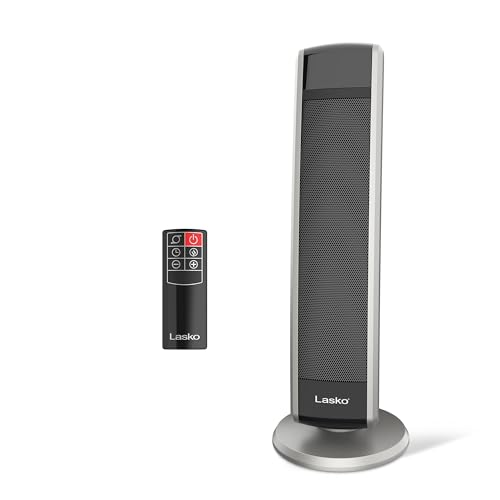
- BWP Score8.6
BWP Score is a ranking system developed by Bestwinterproducts.com. BWP score has no relationship or impact from any manufacturers or sales agent websites. Learn more
- BrandLasko
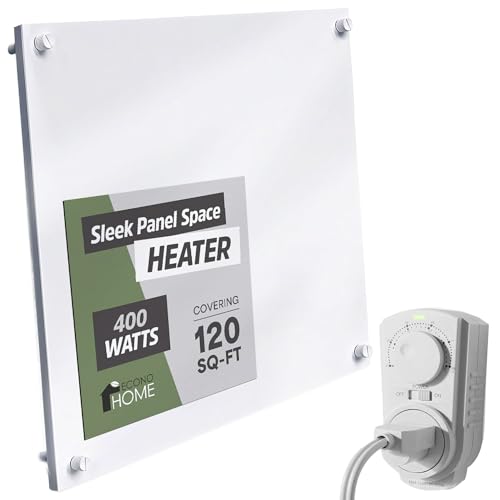
- BWP Score-
BWP Score is a ranking system developed by Bestwinterproducts.com. BWP score has no relationship or impact from any manufacturers or sales agent websites. Learn more
- BrandEconoHome
Last update on 2026-09-29 / Affiliate links / Images, Product Titles, and Product Highlights from Amazon Product Advertising API
FAQs
Why does my basement heater run constantly without warming the room?
Your basement heater is likely losing its warmth to cold concrete surfaces or active air drafts. Bare concrete floors and foundation walls act as a thermal mass that continuously soaks up heat from the air. If the room is drafty or larger than the heater can handle, the unit will run on high non-stop without raising the overall room temperature.
Can I safely mount an electric convection heater on basement drywall?
Yes, wall-mounted convection panels are designed to hang safely on standard drywall when installed with the manufacturer's mounting brackets. These brackets hold the back of the heater an inch or two away from the wall so heat does not transfer into the studs. Always make sure the wall surface is completely dry and maintain at least three feet of open clearance in front of the panel.
Will running a 1500-watt basement heater trip my circuit breaker?
A 1,500-watt heater draws about 12.5 amps of electrical current on a standard 120-volt household circuit. Most residential circuits are rated for 15 amps total, which leaves very little electrical capacity for other devices. If you run a dehumidifier, vacuum, or desktop computer on the exact same circuit line, the breaker will trip to prevent the wires from overheating.
Should I run a dehumidifier or a space heater in a cold, damp basement?
You should often run both, because they perform two entirely different jobs. A space heater warms the air and personal belongings, but it does not remove moisture from the foundation or air. A dehumidifier pulls water out of the air to prevent mold and musty odors, which actually makes the air feel warmer and easier for your space heater to warm up.


Best Warm Winter Scarves 2026 For Cozy Comfort

Best Green Ski Goggles 2026 For Clear Vision On Slopes

12 Best Corner Electric Fireplace 2026: My Ultimate Guide To Pick One

Best Battery Powered Snow Blower 2026 For Effortless Snow Clearing

Best Ski Goggles Under 30 Inches For Crisp Vision And Comfort

Best Cooling Scarf 2026 For Instant Relief And Comfort

Fake Snow for Grass: Create a Realistic Winter Lawn Display

Dimplex Prism Wall Mount Fireplace: Sleek Heat With Modern Flame Style





