
What Is the Safest Type of Heater for a Bathroom?

Shivering in a chilly bathroom is easy to fix without creating electrical hazards. A hardwired wall or ceiling heater is the safest permanent setup for damp air, while a compact ceramic heater with a built-in ALCI safety plug is the best portable option. Everyday bedroom heaters simply cannot handle high humidity and should stay out of the room entirely.
The right pick depends mostly on living arrangements and available space. Homeowners often prefer permanent fixtures that stay completely off the floor, whereas renters need a freestanding unit that packs away easily. Splashing distance from the shower and the electrical capacity of existing circuits also guide the final choice. Here is a clear look at how each heater type handles bathroom moisture and what works best for different layouts.
Comparing Ceiling, Wall-Mounted, and Portable Bathroom Heaters
Stepping out of a warm shower into freezing bathroom air is miserable, but grabbing any random heater from your bedroom closet can be genuinely dangerous. Bathrooms present a unique challenge because high moisture, dense steam, and wet bare feet turn everyday electrical appliances into potential hazards. Finding the right heater comes down to how your bathroom is laid out, whether you rent or own, and how the heater protects against water. There are three safe styles designed for bathroom use: ceiling heaters, wall-mounted heaters, and specialized portable ceramic heaters.
Ceiling heaters are the gold standard for bathroom safety in homes where you have permission to make permanent changes. These units are hardwired, meaning they connect directly to your home electrical wiring without a standard wall plug or visible power cord. Because they sit flush against the ceiling or recess into the drywall, they stay completely out of reach of splashing water, puddles on the tile, and damp towels. Most ceiling models work in one of two ways. Some use a quiet fan that pushes warm air across the room from an overhead heating element, while others use infrared heat bulbs that cast gentle heat that warms people and furniture directly like sunlight. An overhead infrared bulb warms your skin the second you step out of the shower curtain, even before the rest of the room air heats up. The main drawback is installation: you must cut into drywall, route electrical cable, and often hire a licensed electrician to connect the circuit safely.
Wall-mounted heaters offer a middle ground that works well in medium to large bathrooms. Like ceiling models, many wall heaters are hardwired directly into a dedicated wall cavity, keeping cords off the floor. Other wall designs hang securely on mounting brackets and plug into an existing wall outlet higher up on the wall. Keeping the heat source permanently attached to the wall prevents anyone from knocking it over, stepping on a power cord, or draping wet laundry across the heating grille. Wall heaters typically rely on a ceramic heating element that warms up in seconds, combined with an internal blower that circulates heat right at body level. If you own your home or have a landlord who permits drilling small bracket holes, a wall-mounted unit delivers fast, focused warmth without cluttering your floor space.
Portable plug-in heaters built specifically for bathrooms are the most flexible and affordable option, especially for renters who cannot alter their walls or ceilings. Unlike standard space heaters, a true bathroom-rated portable heater features a built-in ALCI plug, which is a special shut-off plug that stops electricity instantly if water causes a short circuit. These compact tabletop or floor units usually feature a ceramic heating element that warms up in seconds alongside a low-profile fan that pushes warm air across the room. They are small enough to sit on a dry shelf or tuck into a chilly corner, providing immediate personal heat during morning routines. But because portable units sit in the same room where water splashes, you must pay strict attention to where you place them and how you handle them.
Why Moisture Makes Standard Bedroom Space Heaters Dangerous
It is tempting to grab an ordinary portable space heater from an office or bedroom and set it on the bathroom floor for twenty minutes. Doing this is one of the most dangerous electrical mistakes you can make in your home. Standard household space heaters are engineered for bone-dry living areas like dens, basements, or bedrooms. They have vented metal or plastic housings designed to draw in dry ambient air, pass it over exposed electric elements, and blow it outward. When you introduce that design into a damp, enclosed bathroom, the environment works against the machine immediately.
During a normal shower, relative humidity in a closed bathroom quickly climbs above eighty or ninety percent. Hot water vapor fills the room, circulating as invisible steam before it condenses back into liquid water droplets against cooler surfaces. You see this condensation on your mirror and windows, but it also coats the heater grille, the plastic casing, and the internal electrical parts. In a standard heater, that damp film settles directly on live wiring connections, circuit boards, and heating coils. Water conducts electricity, so as moisture bridges the tiny gaps between electrical contact points, it causes short circuits, sparks, and melted insulation inside the housing. This creates a severe fire hazard inside the machine and turns the outer frame into a serious shock risk if you touch it with damp hands or bare feet.
Standard heaters also lack the specialized protection required near water lines. If a tub overflows, a sink splashes, or someone steps out of the shower dripping wet, standing water can seep straight into the bottom air intake of a standard floor heater. An ordinary appliance plug does not know the difference between a normal electrical load and a deadly current leak traveling through puddle water. While a room like a cold garage might benefit from a rugged electric heater for a garage with a thermostat to manage heavy drafts, the bathroom requires moisture-rated electrical barriers rather than raw heating power.
Electrical circuit strain makes ordinary heaters even riskier in bathrooms. Most residential bathrooms are wired on a single 15-amp or 20-amp branch circuit that powers the overhead vanity lights, the ceiling exhaust fan, and one or two wall outlets. A standard 1500-watt space heater running on high draws about 12.5 amps on a standard 120-volt household circuit. If someone plugs an ordinary 1500-watt heater into the wall and then turns on an 1800-watt hair dryer or curling iron, the total electrical draw instantly blows past the safe circuit limit, tripping the circuit breaker in your electrical panel. Never try to bypass this by running an extension cord from a hallway or bedroom into the bathroom. Extension cords create trip hazards on slick tile, collect water in their plug connections, and can overheat rapidly under continuous heating loads.
Essential Safety Features and Safe Placement Rules
If you choose to use a plug-in heater in your bathroom, you must make sure the unit has the right built-in safety mechanisms before you ever plug it into a wall. The presence of these components separates a safe bathroom appliance from an ordinary space heater that belongs strictly in a dry living room.
The most critical component is an ALCI plug, which stands for Appliance Leakage Current Interrupter. This is a bulky rectangular module built directly onto the end of the power cord, featuring visible test and reset buttons. An ALCI plug constantly monitors the flow of electricity passing through the cord. If it senses even a tiny electrical leak, such as water splashing onto internal wiring, it cuts off power to the heater in a fraction of a second, long before that current can deliver a painful or fatal shock to anyone in the room. You will also want to check for an IP24 rating, which signifies a rated casing that safely blocks water splashes from any direction. Additional mandatory protections include an automatic overheat sensor that shuts the unit off if internal parts get dangerously hot, and a tip-over safety switch that cuts power instantly if the unit is knocked over or tilted.
Even the safest heater requires intelligent placement to keep your bathroom secure. Water and electricity should never share the same immediate footprint. Follow this straightforward safety checklist whenever setting up warmth in your bathroom:
- Keep the 3-foot buffer: Position the heater at least 3 feet (36 inches) away from the bathtub, shower stall, sink faucets, and open toilet bowls to prevent accidental direct splashing.
- Clear all hanging fabrics: Ensure the heater sits well away from hanging bath towels, shower curtains, bathrobes, and paper products that could drape over the hot grille and ignite.
- Plug directly into a GFCI outlet: Always insert the plug straight into a GFCI outlet, which is a wall socket with reset buttons that cuts power during an electrical leak. Never use power strips, surge protectors, or extension cords.
- Elevate above floor puddles: Place portable units on a sturdy, dry shelf, vanity ledge, or elevated stool rather than low floor spots where bathwater tends to pool after showers.
- Dry hands before touching controls: Always dry your hands thoroughly with a towel before touching the power switches, thermostat dials, or the ALCI reset buttons on the plug.
If your bathroom is very small and maintaining that 3-foot clearance from the tub or sink is impossible on the floor, do not force a portable heater into the space. Cramming a portable floor unit between a toilet and a shower basin creates an unavoidable hazard. In tight layouts, an overhead ceiling heater or a high wall-mounted bracket is the only safe way to keep the warmth flowing without putting an electrical device directly in the splash zone.
Renting vs Owning: Choosing the Right Setup
Your living situation dictates the kind of bathroom heating installation that makes the most sense. Homeowners have the freedom to invest in permanent fixtures that increase property comfort, while renters need non-invasive warmth that can be packed up at the end of a lease without forfeiting a security deposit.
If you own your home and deal with bitterly cold tile floors every winter, a permanent ceiling heater or a recessed wall heater is the smartest long-term upgrade. Hardwiring a unit into the home electrical wiring eliminates messy power cords and keeps outlets open for grooming tools. Ceiling combination units that bundle an exhaust fan, an overhead light, and a heating element into a single ceiling fixture save space and resolve both damp air and cold drafts at once. Installing these fixtures requires access to the attic or running new Romex cable through wall studs, so you should budget for a licensed professional if you are uncomfortable working inside your electrical panel. Once installed, hardwired heaters operate quietly, warm up the room reliably, and present zero tipping or splash risks for children and pets.
Renters, on the other hand, need portable solutions that require no drywall cutting or electrical rewiring. A compact, bathroom-rated ceramic heater equipped with a heavy-duty ALCI plug is the ideal answer for an apartment. Many modern compact heaters are small enough to sit safely on top of a wide bathroom vanity or a tall storage shelf, keeping them completely away from floor water. Some lightweight units even feature integrated wall-outlet plugs that plug directly into the upper wall receptacle without any dangling cord at all. If you live in a mobile home or temporary dwelling where space and circuit amperage are limited, much like selecting a safe heating setup for a mobile home, choosing a portable model with selectable heat settings lets you run the unit on a gentle 750-watt or 800-watt mode to prevent tripping sensitive rental breakers.
What to Look for in a Bathroom Heater
When you are ready to choose a heater for your bathroom, focus on functional details that match your room size and electrical capacity rather than cosmetic styling. The right heater should warm the room quickly while you brush your teeth or shower, then shut off automatically so you never waste energy running it all day.
First, calculate your bathroom heating needs using the standard guideline of 10 watts per square foot of living space. A compact 50-square-foot half-bath or powder room only requires about 500 watts of heating power to feel warm, while a standard 100-square-foot primary bathroom warms up nicely with an 800-watt to 1000-watt unit. While many plug-in heaters reach 1500 watts on their highest setting, running at maximum power is often unnecessary in a small, enclosed bathroom and increases the risk of tripping your circuit breaker. Look for models offering multiple heat settings or an energy-saving mode so you can drop down to lower wattages once the chill is gone.
Next, look closely at the control mechanisms. A digital temperature dial that clicks on and off to hold your set warmth is far superior to a basic on-off switch because it prevents the small room from turning into an unbearable sauna. Built-in countdown timers that turn the unit off after 15, 30, or 60 minutes are especially helpful in bathrooms. Morning routines are hurried, and an automatic timer guarantees the heater will not continue running unattended for hours after you leave for work. Finally, confirm that the packaging or product label clearly states the heater is certified by a recognized testing laboratory like UL or ETL, specifically verifying that the unit is listed for damp or bathroom environments.

- BWP Score10.0
BWP Score is a ranking system developed by Bestwinterproducts.com. BWP score has no relationship or impact from any manufacturers or sales agent websites. Learn more
- BrandGiveBest

- BWP Score9.6
BWP Score is a ranking system developed by Bestwinterproducts.com. BWP score has no relationship or impact from any manufacturers or sales agent websites. Learn more
- BrandBrightown

- BWP Score9.2
BWP Score is a ranking system developed by Bestwinterproducts.com. BWP score has no relationship or impact from any manufacturers or sales agent websites. Learn more
- BrandDREO

- BWP Score9.0
BWP Score is a ranking system developed by Bestwinterproducts.com. BWP score has no relationship or impact from any manufacturers or sales agent websites. Learn more
- BrandLasko

- BWP Score8.8
BWP Score is a ranking system developed by Bestwinterproducts.com. BWP score has no relationship or impact from any manufacturers or sales agent websites. Learn more
- BrandAmazon Basics

- BWP Score8.6
BWP Score is a ranking system developed by Bestwinterproducts.com. BWP score has no relationship or impact from any manufacturers or sales agent websites. Learn more
- BrandBroan-NuTone
- BWP Score8.2
BWP Score is a ranking system developed by Bestwinterproducts.com. BWP score has no relationship or impact from any manufacturers or sales agent websites. Learn more
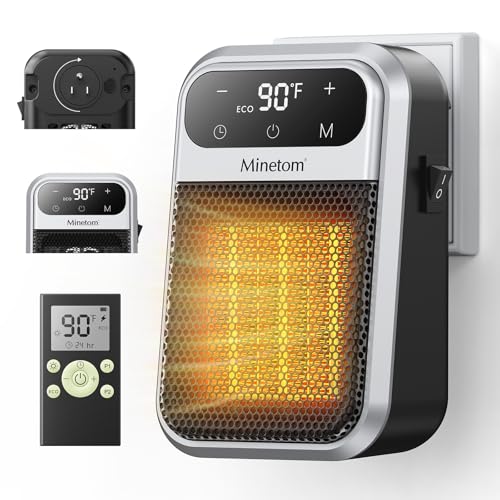
- BrandMinetom

157 Bathroom Heater Ceiling,Compatible with Broan-NuTone 157 Low-Profile Fan-Forced Ceiling
View on Amazon- BWP Score8.2
BWP Score is a ranking system developed by Bestwinterproducts.com. BWP score has no relationship or impact from any manufacturers or sales agent websites. Learn more
- BrandFemotic

- BWP Score8.0
BWP Score is a ranking system developed by Bestwinterproducts.com. BWP score has no relationship or impact from any manufacturers or sales agent websites. Learn more
- BrandGiveBest
Last update on 2026-09-29 / Affiliate links / Images, Product Titles, and Product Highlights from Amazon Product Advertising API
FAQs
Can I plug a bathroom heater into a regular outlet if I do not have a GFCI outlet?
You should avoid plugging any portable heater into an ungrounded, non-GFCI outlet in a damp bathroom. While a heater with an ALCI plug provides safety shut-off protection built into its own cord, a GFCI wall outlet provides an essential second layer of protection for the entire circuit. If your bathroom only has older two-prong or standard outlets without test buttons, consult a licensed electrician to install a modern GFCI outlet before running high-wattage heating appliances.
Will running a 1500-watt bathroom heater trip my circuit breaker while getting ready?
It depends on what other electrical devices are running on that same circuit at the same time. A 1500-watt heater draws roughly 12.5 amps, which takes up almost the entire capacity of a standard 15-amp household circuit breaker. If your bathroom lights, an exhaust fan, or a 1500-watt hair dryer run on that same line simultaneously, the breaker will trip to prevent the wiring inside your walls from overheating. To avoid this, run your heater on a lower heat setting or turn the heater off before using other high-draw styling tools.
Is an infrared ceiling heat bulb better than a ceramic fan heater?
Each style excels in different ways depending on what you want from your heat source. An infrared ceiling bulb provides instantaneous, radiant warmth that heats your skin and towels directly the moment you switch it on, which feels incredible immediately after getting out of the shower. A ceramic fan heater takes a few minutes longer because it warms the ambient air across the entire room, but it does a much better job of raising the overall temperature of a larger bathroom evenly.


Best Warm Winter Scarves 2026 For Cozy Comfort

Best Green Ski Goggles 2026 For Clear Vision On Slopes

12 Best Corner Electric Fireplace 2026: My Ultimate Guide To Pick One

Best Battery Powered Snow Blower 2026 For Effortless Snow Clearing

Best Ski Goggles Under 30 Inches For Crisp Vision And Comfort

Best Cooling Scarf 2026 For Instant Relief And Comfort

Fake Snow for Grass: Create a Realistic Winter Lawn Display

Dimplex Prism Wall Mount Fireplace: Sleek Heat With Modern Flame Style





