
Which Type of Heater Is Right for Your Bedroom in 2026?

Most people assume a portable fan heater is the natural choice to warm up a freezing bedroom. In reality, an oil-filled radiator is the best pick for steady, silent warmth all night long, while a ceramic fan heater only wins if you want a fast burst of heat before climbing into bed. Radiators let heat rise naturally through the air, so they avoid the dry breeze and buzzing motor that disrupt deep sleep.
Finding the right fit depends on your sleep habits and bedroom layout. Light sleepers who wake at the faintest hum will appreciate a radiator's silence, but smaller rooms might lack the open floor space needed to keep heating fins safely away from bedding. Timing matters just as much, especially if you want a quick warm-up before sleep rather than continuous heat until dawn. Here is what to consider before choosing a setup for your room.
Radiators give silent overnight warmth while ceramic fans heat fast
Choosing between an oil-filled radiator and a ceramic fan heater comes down to how you sleep and how quickly you need relief from the cold. An oil-filled radiator heater warms internal heat-transfer fluid that slowly releases steady, radiant warmth into the room without any internal fan blades spinning. It makes virtually zero sound, making it the best option for light sleepers who wake up at the smallest motor buzz or clicking relay. Ceramic fan heaters, by comparison, push air across a ceramic heating element that warms up in seconds. They deliver immediate, focused heat right where you aim them, making them ideal if you want fast warmth while getting ready for bed.
The way each heater moves warmth through your bedroom changes your overall comfort. A silent radiator heater that circulates steady, lasting warmth relies on natural heat rising into the room. Warm air drifts upward toward the ceiling, rolls across the walls, and gradually raises the temperature of the entire room, including the furniture and flooring. That process takes thirty to forty-five minutes, but the warmth lingers long after the unit switches off. A ceramic fan heater creates a fast, concentrated breeze of hot air. The air temperature right around you jumps immediately, but the room cools down within minutes once you turn the fan off because the heat has not soaked into the walls or floor.
Your sleeping habits will quickly tell you which style makes sense for your space. If you plan to run the heater continuously throughout a freezing night, a radiator maintains a stable, gentle climate without drying drafts or sudden temperature swings. If you only want to take the sharp chill off your bedroom for twenty minutes before crawling under a thick duvet, a compact ceramic fan heater gets the job done much faster. It uses less total power during that short burst because you do not have to leave it running while you sleep.
Physical size and mobility also separate these two styles. Oil-filled radiators are heavy, metal appliances set on small caster wheels. They take up a noticeable footprint on the floor and stay hot to the touch for over an hour after you unplug them. Ceramic models are light, portable units with plastic outer shells that stay relatively cool to the touch. You can easily pick up a ceramic heater by its handle and tuck it into a closet or move it out of the way during the day.
Safe bedroom heating requires strict clearance and certified shut-offs
Running any space heater while you sleep demands strict attention to fire safety. You cannot react to an electrical problem, a fallen blanket, or an overheating cord while you are asleep. That means your bedroom heater must have reliable internal safety controls and proper placement every single night.
Two safety devices are absolutely necessary for any heater used in a sleeping area. First, look for an automatic overheat sensor that shuts the unit off if internal parts get dangerously hot, which can happen if dust clogs the air intake or airflow is blocked. Second, ensure the heater features a tip-over safety switch that cuts power instantly if the unit is knocked over or tilted. This sensor is crucial if you have pets wandering into the bedroom at night or if you accidentally bump the heater in the dark. Always confirm that an independent testing agency mark, such as UL, ETL, or CSA, is stamped on the product label. Just like choosing portable units with reliable safety shutoffs in tight spaces, you want verified hardware protecting your home while you rest.
Follow this safety checklist every time you turn on a bedroom heater:
- Maintain a strict three-foot buffer zone between the heater and all blankets, sheets, drapes, clothing piles, and upholstered furniture.
- Plug the power cord directly into a standard wall outlet, never into an extension cord, power strip, or surge protector that can overheat and ignite.
- Place the heater on a flat, bare floor surface, avoiding plush rugs or deep shag carpets that could interfere with the bottom tip-over switch or block intake grilles.
- Inspect the electrical cord before plugging it in, confirming the rubber insulation is completely smooth with no cracks, fraying, or bent plug prongs.
- Feel the plastic wall outlet faceplate after the heater has been running for twenty minutes to make sure the electrical socket is not getting hot.
Know when to shut the unit down and get professional help. If your wall outlet feels uncomfortably hot to the touch, gives off a faint smell of warm plastic, or sparks when you insert the plug, unplug the heater immediately. Stop using that electrical circuit and call a licensed electrician to inspect the home wiring and replace the worn receptacle.
Light, sound, and air moisture directly impact your sleep
A space heater can heat your bedroom to the exact temperature you want and still ruin your night if it disrupts your senses. Good sleep requires a dark, quiet, and comfortable environment. Overlooking motor noise, panel lights, or dry air leads to broken sleep, midnight wakeups, and morning headaches.
Noise levels vary sharply between different heating technologies. Ceramic heaters use high-speed blower fans to push air across their internal heating elements. Even quiet ceramic motors produce a steady air rush and a soft mechanical hum. Some sleepers appreciate that hum as soothing white noise, but light sleepers often wake up every time the heater clicks on and revs its fan. An oil-filled radiator operates in almost complete silence. The only sound it makes is a subtle, faint metallic click once or twice an hour when the internal temperature controller switches power on or off.
Air moisture is another common complaint during winter heating. Space heaters do not physically extract water out of the air, but heating cold air lowers its relative humidity. When a ceramic fan blows high-velocity hot air directly into the room, it rapidly evaporates moisture from your skin, nose, and mouth. Many people wake up with a parched throat, dry nasal passages, or itchy eyes after running a fan heater all night. A radiator circulates warmth gently through natural air currents without blasting forced air across your bedding, helping your room feel less harsh and stuffy.
Display lights can turn a dark bedroom into a faintly glowing showroom. Many modern heaters feature bright LED displays showing digital temperature numbers, illuminated power icons, or bold blue standby lights. In a pitch-black room, that light can easily disrupt your sleep cycle. Look for heaters that offer an auto-dimming function, a dedicated sleep mode that shuts off the display after a few seconds of inactivity, or simple manual control dials that produce zero ambient light.
Standard bedroom circuits handle up to 1500 watts safely
Tripping a circuit breaker in the middle of a cold night is frustrating, especially if it shuts off your bedside lamp, phone charger, or sound machine. Understanding your bedroom electrical limits keeps your breaker box quiet and your heater running safely.
Most residential bedrooms in the United States sit on a standard 15-amp, 120-volt household circuit. Under normal electrical safety standards, a 15-amp circuit should not run a continuous load above 80 percent of its maximum capacity. That means the entire circuit can safely carry about 1,440 watts continuously. Most portable electric space heaters draw up to 1,500 watts on their highest heat setting, which is right around 12.5 amps of electrical current. A heater running on high leaves almost no spare capacity on that breaker for anything else.
If you plug a 1500W heater into the same circuit that powers a bedroom television, desktop computer, or an adjoining bathroom light, you will likely trip the breaker. To prevent overloads, dedicate a single wall outlet to your heater and turn off unnecessary electronics in the room. If your breaker clicks off, switch the heater off, unplug other devices, and reset the breaker at your main electrical panel. If the breaker trips repeatedly even when the heater is the only appliance running, have an electrician verify that the circuit is in safe working order.
Choosing the right wattage for your room size helps prevent wasted energy and tripped circuits. In a standard insulated home, you need roughly 10 watts of heating power per square foot of floor space:
- A small 100-square-foot bedroom or nursery needs around 1,000 watts to stay comfortable.
- A medium 150-square-foot primary bedroom needs roughly 1,500 watts for steady supplemental heat.
- A large 200-square-foot master suite requires 1,500 watts running continuously, often paired with good door seals to hold the warmth.
Running your heater on a lower heat setting is a smart way to manage your power load. Most space heaters include an Eco mode or a Low setting that drops power draw down to 750 or 900 watts. Running at 750W draws only about 6.25 amps. That gentler draw leaves plenty of electrical room for your everyday bedside items while keeping the room warm and comfortable all night long.
Position your heater along cold walls away from your bed
Where you place a heater in your bedroom shapes how evenly the room warms up and ensures your setup stays completely safe. Shoving a heater into a cramped corner or right beside your duvet creates fire hazards and leaves cold drafts circling the rest of the room. Much like placing equipment properly when setting up a heater for a small garage, giving your heater breathing room makes a massive difference in performance.
Follow these steps to set up your heater in the safest, most effective position:
- Find the coldest wall or window: Walk around your bedroom to identify where the draft enters. Placing the heater along an exterior wall or near a closed, drafty window allows the rising heat to intercept incoming cold air before it sweeps across the floor toward your bed.
- Clear a wide perimeter: Measure at least three feet of empty space around the heater in every direction. Double-check that long curtains, hanging bed skirts, trailing blankets, and loose papers sit safely outside this boundary.
- Set the unit on a firm, flat surface: Place the heater directly on hard flooring like wood, laminate, or tile whenever you can. If your bedroom has carpet, choose a firm, low-pile spot where the unit sits completely level so the tilt shut-off safety sensor on the base stays fully engaged.
- Direct the airflow toward open space: If you are using a ceramic heater with a fan, angle the front grille toward the middle of the room rather than aiming it straight at your mattress. Directing airflow into open space lets the warm air mix naturally throughout the room without blasting dry heat at your face.
- Keep the power cord flat and exposed: Lay the electrical cord out smoothly across the floor where nobody will trip on it. Never tuck the cord under an area rug, beneath a mattress, or behind heavy furniture, as trapped heat inside pinched cords can cause unseen damage.
Look for quiet motors, auto-off timers, and precise thermostats
Finding the right bedroom heater comes down to matching your daily bedtime routine with the right heating technology. If your room feels like an icebox at night and you want fast comfort while reading or changing into pajamas, a compact ceramic heater with quiet fan settings and wide oscillation warms the air in seconds. If you need quiet, steady warmth that runs through the night without drying your throat or waking you with fan noise, an oil-filled radiator is the ideal choice for continuous sleep.
Before you bring a new heater into your bedroom, look closely at its everyday controls. A digital temperature dial that clicks on and off to hold your set warmth prevents the room from becoming an oven at two in the morning. An automatic shut-off timer lets you program the unit to run for two or three hours while you fall asleep and shut down on its own before dawn. Prioritize models with proven safety switches, dimmable control panels, and certified electrical builds so you can sleep comfortably through the coldest winter nights.

- BWP Score9.6
BWP Score is a ranking system developed by Bestwinterproducts.com. BWP score has no relationship or impact from any manufacturers or sales agent websites. Learn more
- BrandComDomus
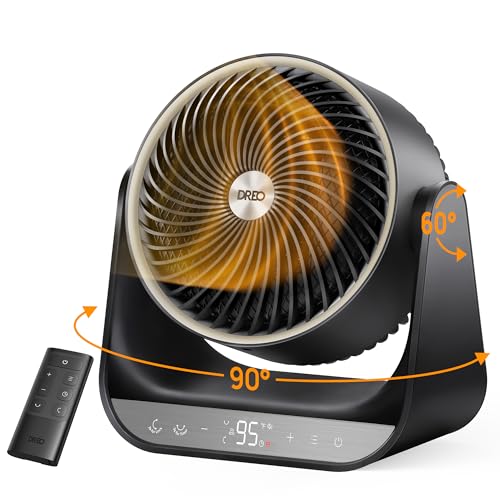
- BWP Score9.6
BWP Score is a ranking system developed by Bestwinterproducts.com. BWP score has no relationship or impact from any manufacturers or sales agent websites. Learn more
- BrandDREO

- BWP Score9.2
BWP Score is a ranking system developed by Bestwinterproducts.com. BWP score has no relationship or impact from any manufacturers or sales agent websites. Learn more
- BrandDREO

- BWP Score9.2
BWP Score is a ranking system developed by Bestwinterproducts.com. BWP score has no relationship or impact from any manufacturers or sales agent websites. Learn more
- BrandDREO

- BWP Score9.2
BWP Score is a ranking system developed by Bestwinterproducts.com. BWP score has no relationship or impact from any manufacturers or sales agent websites. Learn more
- BrandDREO

- BWP Score9.0
BWP Score is a ranking system developed by Bestwinterproducts.com. BWP score has no relationship or impact from any manufacturers or sales agent websites. Learn more
- BrandDREO

- BWP Score8.6
BWP Score is a ranking system developed by Bestwinterproducts.com. BWP score has no relationship or impact from any manufacturers or sales agent websites. Learn more
- BrandLasko
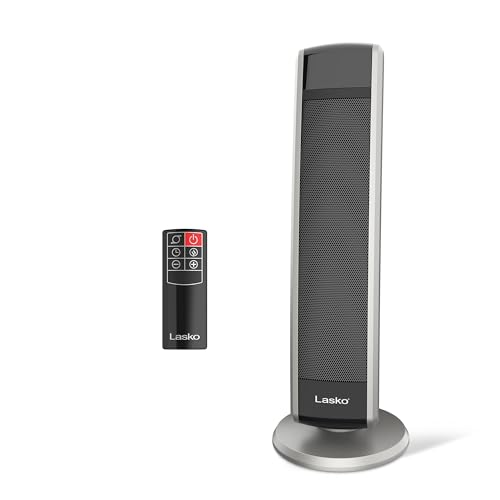
- BWP Score8.6
BWP Score is a ranking system developed by Bestwinterproducts.com. BWP score has no relationship or impact from any manufacturers or sales agent websites. Learn more
- BrandLasko
Last update on 2026-09-29 / Affiliate links / Images, Product Titles, and Product Highlights from Amazon Product Advertising API


Best Warm Winter Scarves 2026 For Cozy Comfort

Best Green Ski Goggles 2026 For Clear Vision On Slopes

12 Best Corner Electric Fireplace 2026: My Ultimate Guide To Pick One

Best Battery Powered Snow Blower 2026 For Effortless Snow Clearing

Best Ski Goggles Under 30 Inches For Crisp Vision And Comfort

Best Cooling Scarf 2026 For Instant Relief And Comfort

Fake Snow for Grass: Create a Realistic Winter Lawn Display

Dimplex Prism Wall Mount Fireplace: Sleek Heat With Modern Flame Style





