
What Type of Heater Is Safe for a Crawl Space?

Cold winter weather under the house sounds alarming, but protecting that lower area is straightforward once the real hazards are clear. For most homes, the safest choice is using pipe heating cables directly on water lines or extending central ductwork, rather than running an ordinary space heater unattended. Standard portable heaters waste massive power in drafty dirt spaces and bring serious fire risks when left alone.
The right method depends on how the crawl space is built and what needs fixing. Heating an open, vented space only pushes expensive warm air outside, so targeting the pipes themselves works best. A sealed crawl space with a vapor barrier (a heavy plastic ground sheet) holds heat much better if cold floors upstairs are the main issue. Here is a clear look at how to protect plumbing and pick the safest setup for underneath your home.
Can You Put a Space Heater Under Your House?
Placing an ordinary portable space heater in an unmonitored crawl space creates a serious fire hazard. Most small space heaters found in department stores are built for living rooms and bedrooms. They use lightweight plastic frames, exposed heating elements, and short power cords designed for clean, dry, occupied spaces. Crawl spaces are dark, dusty, damp, and filled with cobwebs, wood framing, and loose insulation. Leaving a plastic room heater running unattended beneath your floorboards invites trouble that you cannot see until it is too late.
Standard electric space heaters draw 1,500 watts, which pulls roughly 12.5 amps of electricity on a normal 120-volt household circuit. If you plug a heater into an old, loose crawl space outlet or feed it through a thin extension cord, that cord can overheat, melt its rubber coating, and spark a fire against dry wooden floor joists. Dirt floors and high ground humidity can also send moisture into the heater motor or heating coil, causing short circuits.
There is also the issue of dust and pests. Rodents, insects, and drifting dirt quickly settle onto the heating elements of an unmonitored unit. When the heater switches on, that debris scorches instantly. If dry leaves or falling fiberglass insulation brush against the front grille, the material can ignite in minutes. Running a standard household heater under your house is never a safe long-term heating plan.
If you are facing an emergency freeze tonight, there are specific, controlled ways to warm the area using rugged equipment. But for general winter warmth or routine pipe protection, relying on a basic room heater running all day and night is dangerous and expensive.
Does Your Crawl Space Type Change the Answer?
How you handle cold temperatures under your home depends entirely on whether your crawl space is vented or encapsulated. A vented crawl space has open metal grates built into the concrete foundation walls to let outside air flow through. An encapsulated crawl space is completely sealed with a thick plastic vapor barrier across the dirt floor, insulated foundation walls, and sealed vent covers that block outside air.
Trying to warm an open, vented crawl space with any space heater is like turning on an electric heater on an open back porch in January. Frigid winter wind continuously sweeps in through the wall vents, carrying away the warm air as quickly as the heater produces it. The heater will run non-stop, driving your electric bill sky-high while the temperature around your water pipes barely rises. If you have open foundation vents, your first job is blocking those freezing drafts, not running an electric heater against the wind.
Sealed and encapsulated crawl spaces behave completely differently. Because the foundation walls are lined with rigid foam insulation and the ground is sealed with heavy plastic, the space holds onto ambient warmth from the earth and the floors above. In a properly sealed space, temperatures rarely drop below freezing even during bitter cold snaps. Much like heating a well-insulated room or choosing an efficient heater for a mobile home with a protected underbelly, sealing the foundation keeps heat inside where it belongs.
If your crawl space is already sealed, you rarely need a large heat source down there. A small amount of controlled warmth, or simply allowing indoor conditioned air to circulate into the space, is usually enough to protect plumbing lines and keep the floors upstairs comfortable.
Are Pipe Heating Cables Better Than Space Heaters?
When homeowners search for a crawl space heater, their main fear is almost always burst water pipes. Water expands as it freezes, cracking copper, PVC, and PEX plumbing lines and causing thousands of dollars in water damage once the ice thaws. But heating an entire 1,200-square-foot crawl space just to protect a few narrow water lines wastes massive amounts of power.
Targeted pipe heating cables, commonly called heat tape, are flexible electrical heating cables wrapped directly along water pipes. Instead of warming thousands of cubic feet of dusty air, heat tape delivers warmth directly to the metal or plastic pipe where the water sits. Once the cable is attached along the pipe, you wrap standard foam pipe insulation over it to lock the heat against the pipe wall.
Pipe heating cables are far cheaper to operate than any space heater. A standard space heater consumes 1,500 watts continuously while running. A modern, self-regulating pipe heating cable draws only 3 to 7 watts per foot of pipe. Wrapping 40 feet of vulnerable plumbing uses less than 300 watts, saving significant electricity while keeping the pipes warm.
Safety is another major advantage. Good pipe cables feature a built-in freeze thermostat, which is a small temperature switch that clicks on only when pipe temperatures drop below 40 degrees Fahrenheit. The cable turns off automatically when temperatures rise above freezing. Because there is no open fan, glowing red wire, or high-temperature blower element, pipe cables eliminate the fire risks that come with portable space heaters.
How Should You Heat an Encapsulated Crawl Space?
If your crawl space is fully sealed with insulated walls and a heavy floor barrier, you can treat it as part of your home interior. Here are the safest, most effective ways to provide steady warmth to an encapsulated crawl space:
- Extend your central heating ducts: An HVAC technician can cut a small supply register into your existing central heating ductwork down below. Adding a modest amount of warm, conditioned air keeps the space tempered and dry without adding a separate plug-in appliance.
- Use a dedicated crawl space dehumidifier with low-temperature defrost: While not a primary heater, a commercial-grade crawl space dehumidifier draws moisture out of the air and releases mild heat from its compressor. Dry air feels warmer, prevents mold on floor joists, and protects insulation from sagging.
- Install underfloor radiant heating: If you are remodeling or building, radiant heat tubing or electric warming mats installed between the floor joists warm the wooden floor directly from underneath. This warms your feet upstairs while casting gentle downward heat into the sealed crawl space.
- Mount a hardwired utility wall heater: If you must add dedicated electric heat, hire a licensed electrician to install a permanently mounted, metal-cased wall heater connected to a dedicated breaker. Permanent units eliminate extension cords and keep heating elements elevated away from the ground.
Never place unvented fuel heaters underneath your home. Portable propane, kerosene, or natural gas heaters consume oxygen rapidly and produce dangerous carbon monoxide gas. In an enclosed crawl space, carbon monoxide can seep upward through subfloor seams and electrical holes directly into your bedrooms and living spaces. Fuel heaters also pump gallons of water vapor into the air as they burn, creating heavy condensation that rots wooden framing.
How Do You Run an Emergency Heater Safely?
When an unexpected arctic blast approaches and you have not had time to insulate or install pipe cables, you may need temporary freeze protection. If you must place an electric heater under your house for a night or two, follow these steps to keep the setup safe:
- Pick a heavy-duty metal utility heater: Use a rugged metal milkhouse utility heater designed for workshops and outbuildings. These units feature sturdy steel casings, wire grilles that resist impacts, and enclosed heating elements that hold up better in cool conditions than thin plastic desk heaters.
- Set up a wide, fireproof base: Never place a heater directly on dirt, bare plastic sheets, or wood scrap. Clear away all leaves, cobwebs, and loose debris. Lay down a solid concrete patio paver or wide cement stepping stone, and place the heater firmly in the center so it cannot wobble or sink.
- Maintain a 3-foot safety perimeter: Keep the heater at least 3 feet (36 inches) away from wooden joists, subflooring, foundation walls, stored boxes, and hanging fiberglass insulation. Make sure overhead insulation batts are stapled securely so nothing can drop onto the hot grille.
- Plug into a dedicated GFCI outlet: Plug the unit directly into a GFCI outlet (a ground fault circuit interrupter safety outlet that cuts power instantly if moisture causes an electrical fault). Never connect the heater to a multi-plug adapter, power strip, or thin indoor extension cord. If the crawl space lacks an outlet, you can pair a rugged electric utility heater with a thermostat with a heavy-duty 12-gauge, grounded outdoor extension cord rated for 15 amps or more.
- Set the thermostat to freeze-protection mode: Turn the temperature dial down to its lowest heat setting, often marked with an anti-freeze symbol or set near 40 degrees Fahrenheit. The unit should stay off until freezing air threatens the space, running only enough to keep the room above 32 degrees Fahrenheit.
- Check the setup regularly: Crawl down to inspect the heater every few hours while it is in service. Touch the plug and wall outlet to make sure they are not hot. As soon as daytime temperatures rise above freezing, unplug the unit and bring it back inside.
Should You Add Insulation Instead of a Heater?
Many homeowners assume cold floors in the kitchen or hallway mean they need an active heater running underneath the home. In reality, cold floors are usually an insulation and air sealing problem, not a heating deficit. Adding an electric heater down below simply masks structural heat loss and drives up your monthly utility costs.
In winter, warm air naturally rises and leaks out through gaps in your attic and roof. This upward movement, known as the stack effect, creates negative air pressure near the bottom of your house. That suction pulls freezing outside air through rim joists, foundation vents, and gaps around plumbing pipes under your sinks. The floor feels icy because cold air is actively rushing through the cracks beneath your feet.
Before buying any heating equipment, tackle air sealing. Climb into the crawl space with a work light and cans of expanding foam sealant. Spray foam around every opening where electrical wiring, copper water pipes, and drain lines penetrate the subfloor above. Seal the sill plate, which is the flat wooden board that rests directly on top of the concrete foundation wall. Stopping air movement eliminates the drafts that chill your floors.
Next, examine your floor insulation. In a vented crawl space, thick fiberglass batt insulation should be tucked firmly between floor joists with the paper vapor barrier facing upward against the warm subfloor. Fasten insulation hangers or wire supports every 12 to 18 inches to keep the batts from sagging. If your crawl space is encapsulated, rigid foam insulation boards attached directly to the foundation walls keep earth chill out and allow natural indoor warmth to keep the floorboards comfortable without adding a single extra heater.
What Features Matter in a Utility Heater?
If you need a standalone heater for emergency freeze protection or temporary repair work under the house, choose a unit built for harsh utility environments. Standard home heaters are too delicate for dirt, dampness, and cold drafts.
Look for an all-metal steel housing rather than molded plastic. A solid metal body withstands accidental kicks, bumps, and rough handling on gravel or concrete. It also handles internal heat safely without softening or cracking over time.
Electrical safety features are mandatory. Confirm that the heater includes an automatic overheat sensor that shuts the unit off if internal parts get dangerously hot. A mechanical tip-over safety switch that cuts power instantly if the unit is knocked over or tilted is equally important, especially on uneven dirt surfaces. Look for a recognized safety certification mark, such as UL or ETL, stamped on the manufacturer label.
Choose a model with a grounded, three-prong power cord and an adjustable thermostat that dials down low. Many utility heaters feature an anti-freeze setting that keeps the unit dormant until ambient temperatures drop near 40 degrees Fahrenheit. This prevents unnecessary run time, saves electricity, and ensures heat kicks on exactly when plumbing lines face freezing conditions.
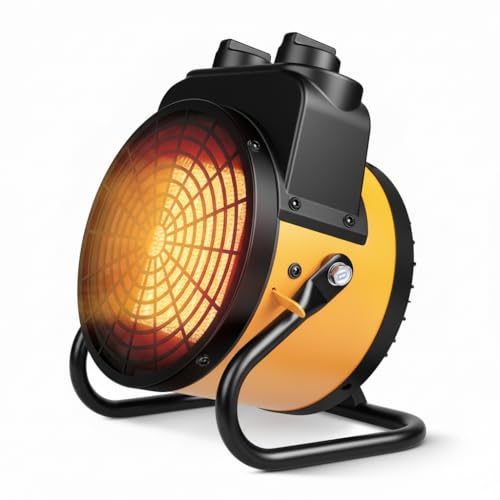
- BWP Score9.2
BWP Score is a ranking system developed by Bestwinterproducts.com. BWP score has no relationship or impact from any manufacturers or sales agent websites. Learn more
- BrandAir Choice

- BWP Score9.0
BWP Score is a ranking system developed by Bestwinterproducts.com. BWP score has no relationship or impact from any manufacturers or sales agent websites. Learn more
- Brandshinic
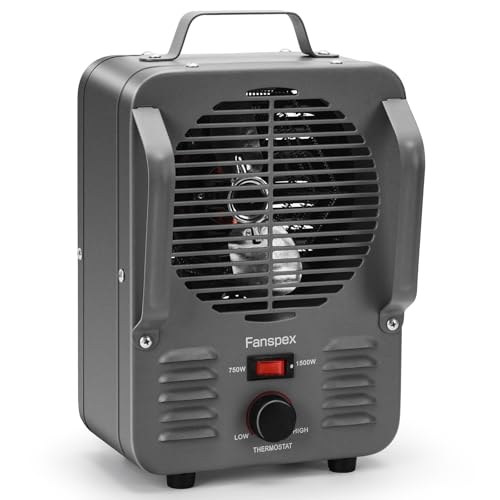
- BWP Score9.0
BWP Score is a ranking system developed by Bestwinterproducts.com. BWP score has no relationship or impact from any manufacturers or sales agent websites. Learn more
- BrandFanspex

- BWP Score9.0
BWP Score is a ranking system developed by Bestwinterproducts.com. BWP score has no relationship or impact from any manufacturers or sales agent websites. Learn more
- BrandADTARK

- BWP Score8.8
BWP Score is a ranking system developed by Bestwinterproducts.com. BWP score has no relationship or impact from any manufacturers or sales agent websites. Learn more
- BrandBLACK+DECKER

- BWP Score8.6
BWP Score is a ranking system developed by Bestwinterproducts.com. BWP score has no relationship or impact from any manufacturers or sales agent websites. Learn more
- BrandBEYOND HEAT

- BWP Score8.6
BWP Score is a ranking system developed by Bestwinterproducts.com. BWP score has no relationship or impact from any manufacturers or sales agent websites. Learn more
- BrandGiveBest

- BWP Score8.6
BWP Score is a ranking system developed by Bestwinterproducts.com. BWP score has no relationship or impact from any manufacturers or sales agent websites. Learn more
- BrandEZ-HEAT

- BWP Score8.4
BWP Score is a ranking system developed by Bestwinterproducts.com. BWP score has no relationship or impact from any manufacturers or sales agent websites. Learn more
- BrandAbestorm
Last update on 2026-09-29 / Affiliate links / Images, Product Titles, and Product Highlights from Amazon Product Advertising API
Frequently Asked Questions
Can I safely leave a space heater running overnight in my crawl space?
You should never leave an ordinary room space heater running unmonitored overnight in a crawl space. If you must run a temporary heater during a hard freeze, use a rugged metal utility heater resting on a flat concrete paver, plugged directly into a GFCI outlet, and kept 3 feet away from joists and insulation. Check the unit regularly, and turn it off as soon as outdoor temperatures rise above freezing.
Will heating my crawl space make my upstairs floors warm?
Heating an open, vented crawl space will not warm your floors because cold drafts immediately carry the heat away. In a sealed and insulated crawl space, keeping the area tempered helps stop cold subfloors, but sealing air leaks around floor seams and rim joists is far more effective. Insulating the floor joists or sealing foundation walls keeps floors warm without wasting electricity.
At what temperature will pipes freeze in a crawl space?
Water pipes can freeze when outdoor temperatures drop below 20 degrees Fahrenheit for several consecutive hours, especially in drafty, vented crawl spaces. Wind blowing directly onto an uninsulated copper or PEX line accelerates freezing even if the surrounding air is slightly above 32 degrees Fahrenheit. Wrapping pipes with foam sleeves and electric heat tape prevents freezing far more reliably than heating the open air.
What should I do if my crawl space has standing water?
Never run any electric heater in a crawl space with standing water or soaked soil. Water creates an immediate electrocution hazard and can short out electrical equipment. Fix foundation drainage, clear gutters, install a sump pump, and lay down a heavy vapor barrier to dry the ground completely before attempting to add any electrical heating device.


Best Warm Winter Scarves 2026 For Cozy Comfort

Best Green Ski Goggles 2026 For Clear Vision On Slopes

12 Best Corner Electric Fireplace 2026: My Ultimate Guide To Pick One

Best Battery Powered Snow Blower 2026 For Effortless Snow Clearing

Best Ski Goggles Under 30 Inches For Crisp Vision And Comfort

Best Cooling Scarf 2026 For Instant Relief And Comfort

Fake Snow for Grass: Create a Realistic Winter Lawn Display

Dimplex Prism Wall Mount Fireplace: Sleek Heat With Modern Flame Style





