
What Type of Heater Is Right for Your Garage?

Check the seams around the garage door and walls for drafts before buying any heating equipment. Air leaks determine the whole approach: drafty garages need an infrared radiant heater to warm your body directly, while insulated garages stay comfortable with a fan-forced electric heater. Radiant panels beam warmth straight to you like sunshine so passing breezes cannot blow it away, whereas forced air circulates warmth across an entire sealed room.
The right choice also depends on whether the goal is warming a single workbench or heating the entire room. Standard wall outlets only provide enough power for personal spot warmth right where you stand. Warming a full two-car garage requires a dedicated 240-volt circuit wired straight to the breaker box. Checking the electrical panel and insulation first stops tripped breakers and wasted electricity before the cold sets in.
Should You Choose Radiant Heat or Fan-Forced Air?
Working in a freezing garage usually comes down to one big choice: do you want to warm your own body, or do you want to warm all the air in the room? The answer depends almost entirely on how well your garage holds heat. If your garage has bare wall studs, uninsulated sheet metal doors, or open roof rafters, cold winter air will slip through cracks constantly. Trying to warm that moving air is a losing battle.
Radiant heat delivers gentle heat that warms people and furniture directly like sunlight. Instead of pushing warm air through the room, radiant heaters use quartz tubes or carbon elements to send invisible waves of infrared energy outward. These waves travel through the air without heating it up. When those waves hit your jacket, your hands, your concrete work surface, or your metal tool chest, those objects soak up the energy and become warm. If you open a drafty garage door for ten seconds to carry in lumber, radiant heat does not escape. Your body stays warm because the energy is locked directly into you and your gear.
Fan-forced heat uses a fan that pushes warm air across the room. Inside the unit, an internal blower pulls chilly garage air across hot electric coils or a ceramic heating element that warms up in seconds, then pushes that heated air out across the floor. This method works by air circulation. Over thirty to forty minutes, the air temperature throughout the entire garage rises evenly. Fan-forced heat is ideal for a fully finished and insulated garage. It warms your workbench, your tool drawers, your car seats, and the concrete floor at the same time.
In an uninsulated or drafty garage, fan-forced heat struggles badly. Warm air is light, so the heated air quickly rises straight up to the ceiling rafters. Cold outdoor drafts sneak under the bottom seal of your garage door and push the warm air out through roof vents before you ever feel it. For drafty, unsealed spaces, an overhead radiant heater pointed right at your work area is almost always the smarter, cheaper choice. When heating draftier outbuildings, pairing the right heating style with room conditions makes all the difference, similar to selecting a heater to warm drafty spaces where insulation is thin.
Can a Standard 120V Wall Plug Heat a Garage?
Most portable space heaters in American homes plug into standard 120-volt wall outlets. By law and electrical design, these heaters draw a maximum of 1,500 watts, which equals about 12.5 amps of continuous current on a standard 15-amp household circuit breaker. In terms of heat output, a 1,500-watt heater produces roughly 5,120 BTUs (a standard measurement of heat output). That is plenty of warmth for a closed bedroom or a small home office, but a typical garage is a completely different world.
A standard two-car garage measures roughly 400 to 500 square feet. It sits on a thick, uninsulated concrete slab that acts like a massive sponge, constantly pulling warmth out of the room. When you plug a small 1,500-watt heater into the wall and expect it to heat a freezing 500-square-foot garage, you will be disappointed. The heater will run continuously for hours without cycling off. Your electric bill will spike, yet the room temperature will barely rise two or three degrees above freezing.
A 120-volt portable heater works well in a garage only as a personal spot heater. If you place a compact ceramic floor unit on a table three feet away from your stool, it will blow warm air directly onto your hands while you sharpen tools or repair a small engine. But it will never turn a freezing garage into a comfortable room where you can take off your winter coat.
If you want whole-room comfort across a one-car or two-car garage, you need a 240-volt unit. A 240V hardwired unit is wired straight into a heavy-duty breaker without a standard plug, drawing power the same way an electric clothes dryer, an oven, or an electric car charger does. These heavy-duty shop heaters produce between 3,000 and 10,000 watts, putting out anywhere from 10,000 to over 34,000 BTUs. That level of power generates the intense airflow needed to push heat down to the cold concrete floor. If your garage is sealed and you want steady, hands-off climate control, installing an electric heater for garage with thermostat on a dedicated 240V line is the most dependable path.
How Many Watts or BTUs Does Your Garage Need?
Figuring out the heat requirement for your garage takes a little more planning than sizing an indoor room. In an indoor living room with dry sheetrock and double-pane windows, a simple rule of 10 watts per square foot works well. In a garage, outdoor drafts, cold concrete, and high ceilings dramatically increase the amount of heat energy you lose every hour.
Follow these steps to estimate the heating power your space requires:
- Measure your floor area: Multiply the length of your garage by its width in feet. A standard single-car garage is roughly 200 to 250 square feet. A standard two-car garage is usually 400 to 500 square feet.
- Factor in ceiling height: Standard calculations assume an 8-foot ceiling. If your garage has 10-foot or 12-foot ceilings, add 20 to 30 percent more wattage. Extra vertical volume traps heat up by the rafters where it does you no good.
- Assess your wall and door insulation: If your garage has finished drywall, insulated overhead doors, and sealed trim, plan on 10 to 12 watts per square foot. If you have exposed wall studs, uninsulated sheet metal doors, or loose windows, you need at least 15 to 20 watts per square foot to offset heat loss.
- Define your temperature goal: Keeping your garage at 45 degrees Fahrenheit to protect stored paint and car batteries takes far less power than trying to reach 65 degrees Fahrenheit so you can work comfortably in a t-shirt.
For a finished, insulated two-car garage, aim for a 240-volt electric heater rated between 4,000 and 5,000 watts (around 13,000 to 17,000 BTUs). If your space is completely uninsulated and you cannot add fiberglass batts or foam boards right now, do not try to heat the entire room with electric air heaters. Instead, position an overhead radiant quartz heater producing 1,500 watts directly above your active work zone to warm your body while leaving the surrounding air cold.
How Do You Run a Garage Heater Without Fire Risks?
Garages are working utility spaces. They hold lawnmowers, gasoline cans, wood scrap, spray paints, and sawdust. Placing a high-heat electrical appliance in a room full of combustible materials creates serious safety risks if you do not set up ground rules before turning the power on.
Use this safety checklist every time you heat your workspace:
- Keep a three-foot safety buffer: Maintain at least 36 inches of clear, empty space on all sides of the heater. Keep cardboard boxes, plastic tarps, lumber piles, and vehicles well away from the front heating grille and the back air intake.
- Watch for settling fuel vapors: Gasoline, mineral spirits, paint thinner, and motor oil release fumes that are heavier than air. These fumes sink down and gather across the concrete floor. Placing a floor-level heater with glowing elements near stored fuel is an extreme fire hazard. Store all flammable liquids in sealed containers, and mount permanent heaters high on ceilings or walls well above floor vapors.
- Control sawdust and shop dust: Fine wood dust from table saws and sanders can ignite if pulled into glowing electrical coils. If you generate heavy sawdust, turn off fan-forced heaters while cutting. Before turning the unit back on, inspect the housing and blow away accumulated dust using compressed air while the unit is cold and unplugged.
- Plug directly into a wall outlet: Never power a portable garage heater using an extension cord, a multi-outlet strip, or a surge protector. A 1,500-watt space heater pulls near the maximum safe limit of a household circuit. Extension cords add electrical resistance, which causes the cord and plug to heat up, soften, and potentially start an electrical fire.
- Inspect the outlet and breaker: Touch the plastic wall plate after your heater runs for fifteen minutes. If the outlet feels hot to your hand, or if your circuit breaker trips repeatedly, turn the heater off and unplug it immediately. Call a licensed electrician to inspect the receptacle and verify the wire gauge before using the outlet again.
What Should You Look for in a Garage Heater?
When you start browsing garage heaters, focus on rugged construction and safety controls built specifically for tough workshop use rather than decorative home styling.
Look for heavy-gauge steel housing with durable powder-coated finishes that can handle occasional bumps from ladders or tool handles. For portable floor heaters, pick models with a wide, tubular metal base that stays planted on uneven concrete, paired with an insulated carry handle for easy repositioning. Avoid lightweight plastic units designed for living rooms, as cold garage environments can make thin plastic brittle over time.
Check the internal safety controls on the product label. Make sure the unit includes an automatic overheat sensor that shuts the unit off if internal parts get dangerously hot due to blocked airflow. If you pick a portable floor model, verify that it has a tip-over safety switch that cuts power instantly if the unit is knocked over or tilted. Confirm that the heater carries recognized safety certification marks, such as a UL or ETL listing, on its identification plate.
Finally, look for controls that give you flexible heat direction and energy efficiency. Ceiling-mounted models should include adjustable louvers and tilting brackets so you can angle airflow down toward your concrete floor. A built-in digital temperature dial that clicks on and off to hold your set warmth will save substantial electricity by turning off heating elements as soon as your workspace reaches a comfortable temperature.
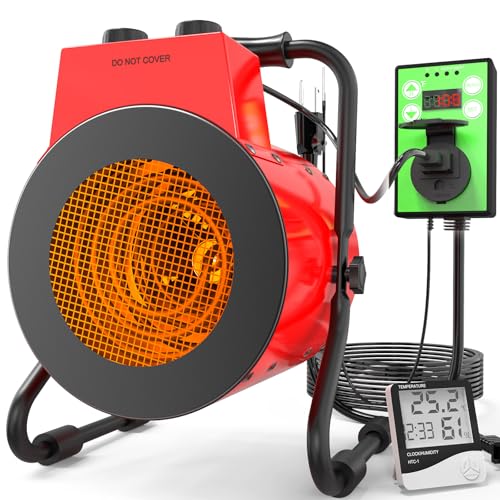
- BWP Score10.0
BWP Score is a ranking system developed by Bestwinterproducts.com. BWP score has no relationship or impact from any manufacturers or sales agent websites. Learn more
- BrandBuyplus

- BWP Score9.2
BWP Score is a ranking system developed by Bestwinterproducts.com. BWP score has no relationship or impact from any manufacturers or sales agent websites. Learn more
- BrandSEEYANG

- BWP Score9.2
BWP Score is a ranking system developed by Bestwinterproducts.com. BWP score has no relationship or impact from any manufacturers or sales agent websites. Learn more
- BrandPOOPLE

- BWP Score9.0
BWP Score is a ranking system developed by Bestwinterproducts.com. BWP score has no relationship or impact from any manufacturers or sales agent websites. Learn more
- Brandshinic

- BWP Score8.8
BWP Score is a ranking system developed by Bestwinterproducts.com. BWP score has no relationship or impact from any manufacturers or sales agent websites. Learn more
- BrandDura Heat
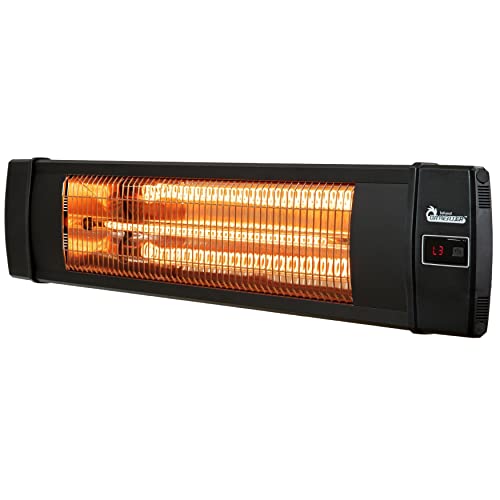
- BWP Score8.6
BWP Score is a ranking system developed by Bestwinterproducts.com. BWP score has no relationship or impact from any manufacturers or sales agent websites. Learn more
- BrandDR. INFRARED HEATER

- BWP Score8.4
BWP Score is a ranking system developed by Bestwinterproducts.com. BWP score has no relationship or impact from any manufacturers or sales agent websites. Learn more
- BrandTEMPWARE

- BWP Score8.2
BWP Score is a ranking system developed by Bestwinterproducts.com. BWP score has no relationship or impact from any manufacturers or sales agent websites. Learn more
- Brandshinic

- BWP Score8.2
BWP Score is a ranking system developed by Bestwinterproducts.com. BWP score has no relationship or impact from any manufacturers or sales agent websites. Learn more
- BrandBEYOND HEAT

- BWP Score8.2
BWP Score is a ranking system developed by Bestwinterproducts.com. BWP score has no relationship or impact from any manufacturers or sales agent websites. Learn more
- BrandNewAir
Last update on 2026-09-29 / Affiliate links / Images, Product Titles, and Product Highlights from Amazon Product Advertising API
FAQs
Can you leave an electric garage heater running unattended overnight?
You should never leave a portable floor heater running while you are asleep or away from home. Portable floor units can be knocked over by falling tools, pets, or clutter, creating an immediate fire risk. Only permanently mounted ceiling heaters that are hardwired, properly grounded, and equipped with built-in thermostats should run unattended, and strictly for basic freeze protection.
Are unvented propane heaters safe to use inside a garage?
Unvented propane heaters pose serious health and moisture risks when used in enclosed garages. As propane burns, it consumes room oxygen and releases water vapor and dangerous carbon monoxide into the air. If you ever use a portable fuel heater in a workshop, you must keep an exterior door or window cracked for fresh airflow and install a working carbon monoxide detector on the wall.
Will insulating your garage door really make a heater work better?
Insulating your garage door creates an immediate, noticeable improvement in heat retention. Thin, uninsulated steel or aluminum garage doors act like giant cooling panels, letting winter cold radiate straight into the room. Adding foil-backed foam insulation panels to the door panels and replacing cracked rubber weatherstripping along the bottom keeps trapped heat inside and cuts heater run times significantly.
Why does your circuit breaker trip when the shop heater turns on?
A standard 1,500-watt space heater uses about 12.5 amps of electrical current, which takes up almost the entire capacity of a standard 15-amp household circuit breaker. Garage circuits are frequently shared with overhead shop lights, automatic garage door openers, and power tool receptacles. When the heater turns on while other devices are drawing power on that same electrical line, the breaker shuts off to keep the house wiring from overheating.


Best Warm Winter Scarves 2026 For Cozy Comfort

Best Green Ski Goggles 2026 For Clear Vision On Slopes

12 Best Corner Electric Fireplace 2026: My Ultimate Guide To Pick One

Best Battery Powered Snow Blower 2026 For Effortless Snow Clearing

Best Ski Goggles Under 30 Inches For Crisp Vision And Comfort

Best Cooling Scarf 2026 For Instant Relief And Comfort

Fake Snow for Grass: Create a Realistic Winter Lawn Display

Dimplex Prism Wall Mount Fireplace: Sleek Heat With Modern Flame Style





