
What Type of Heater Is Right for Your Greenhouse?

An electric fan-forced heater paired with a remote sensor probe is the best choice for a typical backyard greenhouse. That answer only changes if the building lacks a safe electrical line or covers a massive commercial footprint. The internal fan pushes warmth into every chilly corner, keeping temperatures steady without blowing dry, scorching heat directly at delicate foliage. Because it runs on clean electricity, it produces zero exhaust fumes, letting seedlings breathe easy all night long.
Three practical details determine whether this setup works for you. Safe power comes first, since running a heater requires a grounded outdoor outlet with safety shutoffs to operate securely in damp conditions. The thickness of your greenhouse panels and your local winter temperatures also dictate how much heating strength you need. Finally, splashing water means picking a unit built to resist heavy moisture. Here is how to choose the right heating style and keep your plants thriving all winter.
Why Fan-Forced Electric Heat Works Best for Most Greenhouses
Heating a backyard greenhouse is completely different from heating a room in your house. Greenhouses have thin walls made of glass, polycarbonate, or plastic film that shed heat into the night sky almost as fast as your heater makes it. If your heating system simply lets warm air rise straight to the roof, your plant benches stay freezing while the peak of the structure stays warm. That temperature difference creates stagnant, chilly pockets in the corners where damp air settles, encouraging root rot and botrytis mold.
An electric fan-forced heater solves this issue by actively circulating warm air across the floor and under your benches. It pulls cool air from the ground level, pushes it across a ceramic heating plate that warms up in seconds, and blows it outward in a steady stream. This constant air movement creates a gentle circular flow that blends the room air. By mixing the air continuously, you eliminate cold corners and keep the temperature uniform around your seedling trays.
Electric fan heaters also keep your greenhouse air clean and dry. Fuel-burning alternatives produce combustion byproducts that can damage delicate plant tissue or saturate the space with humidity. An electric unit produces clean, dry heat with zero fumes, making it safe for sealed hobby structures. When you manage an uninsulated space, much like finding a suitable heater for an enclosed porch, choosing an active fan system helps counter drafty walls and rapid heat loss.
Comparing Electric, Propane, and Infrared Heat for Plants
Choosing the right heat source depends on your access to electricity, the size of your greenhouse, and how tightly your structure is sealed. Each heating style warms your space differently, and picking the wrong one can harm your crops or run up unnecessary costs.
Electric fan heaters offer the most precise control for hobby gardeners. Because electricity produces no exhaust, you do not need to vent your greenhouse or worry about toxic fumes building up overnight. These units plug into standard outlets, connect seamlessly to digital controllers, and react immediately when temperatures drop. Their main limitation is electrical capacity. If your backyard lacks dedicated wiring, running high-draw heating elements can trip household breakers on freezing nights.
Propane and natural gas heaters pack tremendous heating power and operate independently of your home electrical panel. They excel in large, freestanding structures located far from an electrical hookup. But unvented gas heaters carry serious risks inside tight hobby greenhouses. Burning gas produces water vapor: roughly one gallon of moisture for every gallon of fuel burned. That sudden humidity spike causes heavy condensation on plant leaves, creating the ideal breeding ground for fungal disease. Unvented gas also releases trace amounts of ethylene gas and carbon monoxide, which can cause tomato leaves to curl, flowers to drop prematurely, and plant growth to stall.
Infrared heaters provide gentle heat that warms people and furniture directly like sunlight, heating solid objects rather than the surrounding air. In a greenhouse, an infrared heater warms the soil, bench frames, and foliage directly in front of it. While this feels efficient, it leaves anything in the shadows completely cold. Plant pots tucked beneath higher benches or placed behind larger containers receive zero direct rays, leaving their root zones exposed to freezing air. Infrared also fails to move the air, leaving damp spots that promote leaf disease. For general plant protection, moving the air with fan-forced heat remains far more effective.
How to Size Your Greenhouse Heater in Five Plain Steps
To keep your plants alive during sudden cold snaps, your heater must replace heat faster than your structure loses it. Follow these steps to find the exact heat output your greenhouse requires.
- Measure your total exterior surface area. Measure the square footage of your roof, side walls, and end walls rather than just your floor space. Greenhouses lose heat through all exposed surfaces, so calculating only your floor footprint will leave you with an undersized heater that fails during deep freezes.
- Determine your maximum temperature difference. Check the lowest historical night temperature in your region and subtract that number from the minimum temperature your plants need. If your winter lows drop to 20 degrees Fahrenheit and you grow warm-season greens that require 50 degrees Fahrenheit, your heating system must overcome a 30-degree difference.
- Account for your wall material. Identify whether your covering is single-layer glass, polyethylene film, or twin-wall polycarbonate. Single-layer plastic and glass lose heat rapidly, requiring roughly 1.2 British Thermal Units (BTU) per square foot for every degree of temperature difference, whereas twin-wall polycarbonate traps heat better and requires only about 0.6 BTU per square foot.
- Calculate your required wattage. Multiply your total surface area by your temperature difference and your material heat loss factor to find your total BTU need, then divide by 3.412 to convert BTUs into watts. Sizing your system with this conversion ensures your electrical supply can support the heating load without stalling out on the coldest night of the year.
- Check your circuit limit before finalizing your choice. Verify that your electrical circuit can handle the calculated wattage without tripping. A standard 15-amp, 120-volt circuit safely handles a continuous load of 1,440 watts, so if your calculation calls for 2,500 watts, you must install a dedicated 20-amp line or run two separate circuits to prevent midnight power failures.
Greenhouse Electrical and Fire Safety Rules
Operating an electric heater inside a damp, humid garden structure requires strict safety habits. Water from hoses, misting nozzles, and heavy ceiling condensation creates an environment where electrical faults happen quickly if equipment is not properly protected.
Always plug your greenhouse equipment into a ground fault circuit interrupter (GFCI) outlet. This is a safety outlet that cuts power in milliseconds if it senses an electrical leak from water contact. If your outdoor or greenhouse outlet lacks this protection, hire a licensed electrician to install one before plugging in any heating gear. Never bypass this protection with standard indoor extension cords or cheap power strips. Household cords overheat under heavy continuous electrical loads and lack the weatherproofing needed for damp environments. If you must use a cord, select a heavy-duty, outdoor-rated 12-gauge cord kept elevated above standing water.
Check the moisture rating on your heater housing before placing it near your plant benches. Look for units with verified splash protection, such as IPX5 water resistance, which means the housing is protected against direct water spray and heavy mist. While you should never spray water directly at an active heating unit, accidental splashes happen during routine watering. A splash-resistant metal body prevents stray droplets from contacting live internal electrical components.
Maintain a strict 3-foot safety buffer around the unit at all times. Keep plastic nursery pots, dry peat moss bags, row covers, and hanging plastic sheeting at least 36 inches away from the heating element. Choose a heater that features an automatic overheat sensor that shuts the unit off if internal parts get dangerously hot. A tip-over safety switch that cuts power instantly if the unit is knocked over or tilted is also vital, especially if pets, hoses, or garden carts bump into the heater stand. When running high-draw appliances in outbuildings, much like setting up an electric heater for a garage with a thermostat, proper wire gauge and factory safety listings protect your property from fire hazards.
Placing Your Heater and Temperature Sensor to Protect Tender Leaves
Where you place your equipment inside the greenhouse determines whether your plants thrive or suffer from dry, scorched leaves. Putting a powerful heater in the wrong spot can cook nearby seedlings while plants just six feet away suffer frost damage.
Never point the warm air stream directly at your plants. The intense, dry air blowing from the heater grille strips moisture from leaves faster than roots can draw it from the soil, causing leaf margins to crisp and curl. Instead, set the heater on a stable, elevated surface or clear floor path, aiming the airflow down your central aisle or beneath open slatted benches. This setup lets the warm air travel along the floor, mix with cooler air, and rise gently through the bench grating around your plant containers.
A separate thermostat probe is essential for accurate climate management. This small wired sensor checks temperature right at leaf level rather than relying on dials attached directly to the heater body. Built-in dials only read the temperature of the air inches away from the red-hot heating element. As a result, the heater shuts off long before the rest of the greenhouse warms up. Mount your remote probe in the center of your growing area at bench height, nestled right among your plant foliage. Keep the probe shaded from direct morning sunlight, which can artificially warm the sensor and shut down your heat while the surrounding air remains dangerously cold.
What to Look for in a Greenhouse Heater
When selecting a heater for your greenhouse, prioritize rugged construction and automated temperature control over decorative designs. A dedicated greenhouse heater needs a heavy-duty metal housing that resists corrosion from humid air and fertilizer salts, paired with a stable, wide base that prevents tipping on uneven gravel or dirt floors.
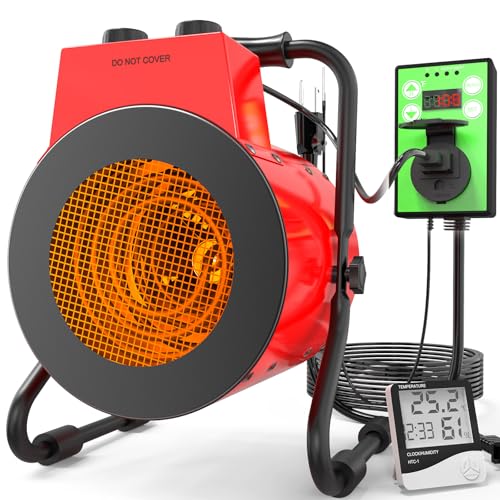
Look for a model with an external digital thermostat that includes a long, water-resistant probe cord. This design lets you place the heating unit safely on the floor while monitoring real-time conditions directly within your plant canopy. Adjustable power levels, such as low and high heat modes, allow you to dial back energy consumption during mild autumn nights and activate full power when severe winter fronts arrive. Check the label for recognized independent safety marks, such as ETL or UL listings, confirming the unit meets strict North American electrical standards.
- BWP Score10.0
BWP Score is a ranking system developed by Bestwinterproducts.com. BWP score has no relationship or impact from any manufacturers or sales agent websites. Learn more
- BrandBuyplus

- BWP Score10.0
BWP Score is a ranking system developed by Bestwinterproducts.com. BWP score has no relationship or impact from any manufacturers or sales agent websites. Learn more
- BrandSEEYANG
- BWP Score9.6
BWP Score is a ranking system developed by Bestwinterproducts.com. BWP score has no relationship or impact from any manufacturers or sales agent websites. Learn more
- BrandJoanolga
- BWP Score9.2
BWP Score is a ranking system developed by Bestwinterproducts.com. BWP score has no relationship or impact from any manufacturers or sales agent websites. Learn more
- BrandTRUSTECH

- BWP Score9.0
BWP Score is a ranking system developed by Bestwinterproducts.com. BWP score has no relationship or impact from any manufacturers or sales agent websites. Learn more
- Brandshinic

- BWP Score8.6
BWP Score is a ranking system developed by Bestwinterproducts.com. BWP score has no relationship or impact from any manufacturers or sales agent websites. Learn more
- BrandDR. INFRARED HEATER

- BWP Score8.6
BWP Score is a ranking system developed by Bestwinterproducts.com. BWP score has no relationship or impact from any manufacturers or sales agent websites. Learn more
- BrandSOSUNLID

- BWP Score8.2
BWP Score is a ranking system developed by Bestwinterproducts.com. BWP score has no relationship or impact from any manufacturers or sales agent websites. Learn more
- BrandSwSun
- BWP Score7.8
BWP Score is a ranking system developed by Bestwinterproducts.com. BWP score has no relationship or impact from any manufacturers or sales agent websites. Learn more
- BrandSpider Farmer
Last update on 2026-09-29 / Affiliate links / Images, Product Titles, and Product Highlights from Amazon Product Advertising API
Frequently Asked Questions
Can I use a regular indoor space heater in my greenhouse?
You should avoid standard indoor space heaters in a greenhouse because they lack moisture protection. Greenhouses have high humidity, splashing water, and heavy condensation that can cause standard indoor heaters to short out or rust quickly. Dedicated greenhouse heaters feature splash-resistant housings and sealed controls designed to handle wet conditions safely.
What temperature should I set my greenhouse heater to during winter?
For most cool-season crops like greens, brassicas, and hardy perennials, setting your thermostat between 40 and 45 degrees Fahrenheit prevents freezing while saving electricity. If you are overwintering warm-season tropicals, tender citrus, or starting early spring seeds, maintain a steady temperature between 50 and 55 degrees Fahrenheit. Every degree you raise the thermostat significantly increases your heating costs on cold nights.
Why does my greenhouse feel colder near the floor than near the ceiling?
Warm air naturally rises because it is less dense than cool air, a process called convection that leaves heavy cold air pooled at ground level. In an uncirculated greenhouse, this creates a sharp temperature divide where your roof stays warm while your plant roots freeze. Running a heater with a continuous fan mixes these layers together and keeps temperatures balanced from floor to ceiling.
How can I lower my greenhouse heating bills during winter?
You can lower heating costs by insulating your greenhouse walls with bubble wrap to reduce drafts and trap radiant warmth. Adding dark water barrels inside creates thermal mass that absorbs solar heat during sunny days and releases it slowly after sunset. Sealing air leaks around door frames and foundation vents also keeps your heater from running continuously overnight.


Best Warm Winter Scarves 2026 For Cozy Comfort

Best Green Ski Goggles 2026 For Clear Vision On Slopes

12 Best Corner Electric Fireplace 2026: My Ultimate Guide To Pick One

Best Battery Powered Snow Blower 2026 For Effortless Snow Clearing

Best Ski Goggles Under 30 Inches For Crisp Vision And Comfort

Best Cooling Scarf 2026 For Instant Relief And Comfort

Fake Snow for Grass: Create a Realistic Winter Lawn Display

Dimplex Prism Wall Mount Fireplace: Sleek Heat With Modern Flame Style





