
What Type of Heater Actually Warms a Large Room?

Dealing with stubborn chill in a large room is nothing to worry about, because matching the right heater design to the space solves the problem easily. For steady, silent warmth in a closed room, an oil-filled radiator works best to warm all the air and hold that comfort. In an open floor plan or a drafty family room, an oscillating ceramic tower with a fan is the better choice to drive warm air across long distances quickly.
Which style fits best comes down to your room layout and daily routine. A closed room with standard ceilings holds warmth well, making continuous, gentle heat ideal. Rooms with high ceilings, drafty windows, or wide doorways lose heat fast, meaning an active fan is necessary to push warmth directly toward your seating area. Here is how both styles work so you can pick the right one for your home.
Oil-Filled Radiators Versus Oscillating Ceramic Towers
Most people who buy a space heater for a big living room end up disappointed because the heat never leaves the unit. A small personal box heater creates a warm bubble around your feet, but the far corners of the room stay icy cold. When you step five feet away, the air feels just as chilly as before. Warming a large area requires a heater built to push warm air across distances or circulate thermal energy through the entire air mass.
Two styles dominate the market for large living areas: the silent radiator heater that circulates steady, lasting warmth, and the tall ceramic tower with a fan that pushes warm air across the room. Both plug into standard wall outlets, but they distribute heat through completely different physical processes.
Oil-filled radiator heaters work through natural convection, which is the natural cycle of heat rising and cold air sinking. Electrical heating coils inside the metal fins warm up a sealed reservoir of specially formulated diathermic oil. The oil never burns, leaks, or needs refilling. Instead, the fluid acts like a heat battery. It holds thermal energy and transfers it to the outer metal fins, which in turn gently heat the surrounding air. As that air warms, it rises toward the ceiling, pulling colder air from the floor up through the fins. This creates a slow, quiet, circular air current that gradually warms the entire volume of a closed room.
The main advantage of an oil-filled radiator is heat retention. Once the oil reaches its working temperature, the metal body stays hot for a long time. Even when the internal temperature dial clicks off to save electricity, the unit continues radiating gentle warmth into the room. It makes zero fan noise, does not blow dust or allergens around, and never creates that dry, burnt-dust smell common with open wire elements. But radiators are slow. It can take thirty to forty-five minutes before you notice a significant temperature change in a chilly room.
Tall oscillating ceramic tower heaters work on the opposite principle. Inside the tower, electricity runs through a fast-heating ceramic plate (often called a PTC ceramic element). This ceramic core heats up in two to three seconds. A built-in blower fan immediately pulls cold air from the floor, forces it across the hot ceramic fins, and pushes a continuous stream of heated air several feet into the room. When you turn on oscillation, the tower sweeps back and forth in an arc, distributing that jet of hot air across your entire seating area.
Ceramic towers deliver immediate satisfaction. If you come home to a frigid family room, an oscillating tower provides noticeable comfort within moments. The internal fan helps break through cold air pockets that settle near exterior walls. But fan-forced heat dissipates almost immediately once the heater cycles off. As soon as the motor stops spinning, the ceramic plate cools down, and the draft in the room quickly reclaims the space.
Your choice between these two styles depends on how you use your living space. If you want steady, silent, all-day comfort in a room with doors you can close, choose an oil-filled radiator. If you spend only a few hours in an open-concept living room or need immediate warmth while watching a movie, choose a tall oscillating ceramic tower.
The 1,500-Watt Wall Outlet Limit: What Can It Realistically Heat?
Every standard portable electric space heater sold for indoor use in the United States produces roughly the same maximum heat. Federal safety standards and electrical codes limit portable plug-in heaters to 1,500 watts, which is the electrical power drawn from the outlet. On a standard 120-volt household circuit, 1,500 watts pulls about 12.5 amps of continuous current.
Because electrical wattage translates directly into thermal energy, 1,500 watts equals approximately 5,118 BTUs (a standard measurement of heat output) per hour. A small twenty-dollar desk cube and a premium two-foot oscillating tower both produce that exact same 5,118 BTUs when set to High. The difference between a heater that warms a large room and one that fails is not raw power, but how effectively the machine delivers and circulates that heat.
A standard rule of thumb for residential heating is ten watts of power per square foot of living space. Under ideal conditions, a 1,500-watt space heater can serve as the primary sole heat source for a room measuring up to 150 square feet. That works out to a small ten-by-fifteen-foot bedroom with standard eight-foot ceilings and decent wall insulation.
When you place that same 1,500-watt unit in a 300 or 400 square foot open living room, it cannot replace your central heating system. It acts as supplemental zone heating. Instead of trying to warm the space from fifty degrees up to seventy degrees on its own, its job is to lift the ambient room temperature by five to eight degrees in the area where you sit. This lets you keep your central thermostat set lower overnight or during work hours, cutting fuel costs while keeping your immediate living zone comfortable. If you need supplemental heat for uninsulated outbuildings instead of finished living rooms, look at specialized options like heaters for cold concrete spaces that feature rugged metal grilles and higher velocity airflow.
Electrical safety is critical when running any 1,500-watt appliance for hours at a time. That 12.5-amp draw pushes a standard 15-amp household circuit close to its continuous safe limit. If you run a television, vacuum, or gaming console on the same circuit breaker, the breaker will trip. Always plug your space heater directly into a dedicated wall outlet. Never plug a space heater into an extension cord, power strip, or surge protector. Those intermediate cords cannot always handle high continuous amperage, which causes the plastic to soften, melt, and ignite. If your wall outlet plate ever feels hot to the touch, turn the heater off, unplug it immediately, and contact a licensed electrician to inspect the outlet wiring.
Matching Heater Styles to Room Layouts and Ceiling Heights
Heat obeys basic physics: hot air rises and cold air sinks. In a room with high cathedral ceilings or wide-open archways, keeping comfortable warmth down where people sit presents a real challenge. You can easily end up with an eighty-degree ceiling and a sixty-degree couch.
Standard ceiling fans can help balance this vertical heat gap. In the winter, flip the small direction switch on your ceiling fan body so the blades rotate clockwise at the lowest speed setting. This draws cool air upward and pushes accumulated warm air gently down along the walls without creating a noticeable cooling breeze.
Review this room assessment checklist before picking a heater style for your space:
- Ceiling Height: If your ceilings are nine feet or higher, choose an oscillating ceramic tower. The mechanical fan drives warm air horizontally across the floor level before natural buoyancy carries it upward. Radiators without fans allow heat to drift straight to the ceiling before you feel it.
- Open Floor Plans: In great rooms that open into kitchens or dining spaces, walls are too far apart for gentle convection to work. An oscillating tower heater with high airflow velocity creates a targeted warm zone where your family gathers.
- Enclosed Living Rooms: If your room has doors that shut, an oil-filled radiator is ideal. It saturates the entire room with even, balanced warmth and keeps the temperature stable for hours.
- Drafty Windows and Doors: In homes with older single-pane windows or drafty exterior entries, cold air continuously spills across the floor. For semi-outdoor spaces or three-season sunrooms, review electric heater options for drafty spaces to see how fan forced heat helps push back against outdoor drafts.
Placing your heater in the right spot makes a massive difference in room comfort. Follow these four practical steps to set up your heater for balanced warmth:
- Position the unit near cold zones: Place your heater near the coldest spot in the room, such as beneath a drafty window or beside an exterior wall. Setting an oil-filled radiator near a draft warms the cold air as it enters, stopping chilly drafts before they reach the center of the room.
- Maintain the three-foot safety buffer: Keep at least three feet (36 inches) of open space on all sides of the heater. Keep furniture, throw blankets, drapes, pet beds, and magazines outside this boundary. Never place a heater where a dog or child running past could trip over the power cord.
- Clear the airflow path: If using an oscillating ceramic tower, angle the front grille toward your couch or favorite chair, but leave at least six feet of clear space directly in front of the blower. Do not point the fan straight into the side of a coffee table or bookcase, which blocks heat distribution.
- Set the unit on a level, hard surface: Always set portable heaters on a flat, bare floor or a low-pile rug. Deep, plush carpets can block the lower air intake vents underneath ceramic heaters, causing the automatic overheat sensor to trip and shut the unit down prematurely.
What to Look for in a Large Room Heater Before Buying
When shopping for a heater to handle a large room, focus on core design features that solve air distribution and heat management. Avoid personal compact heaters, desktop cubes, or miniature ceramic blocks. Those units lack the physical surface area and blower volume needed to move warm air through spaces larger than a small home office.
Look for tall oscillating tower heaters standing at least twenty to twenty-five inches high, or multi-fin oil-filled radiators mounted on sturdy caster wheels. A taller ceramic tower releases warm air at knee and waist height, warming people directly instead of just blowing hot air across the carpet. Broad oscillation sweeps the heat across a seventy-degree arc or wider, preventing hot spots and cold zones.
Examine the control panel and internal electronics. Look for a unit with an adjustable digital temperature dial that clicks on and off to maintain a specific warmth level. A digital thermostat prevents the heater from running continuously on High, which saves substantial electricity. Multiple power levels, such as a 1,000-watt Low setting and a 1,500-watt High setting, allow you to step down the power draw once the room reaches a pleasant temperature. A built-in timer helps you program the unit to shut off automatically after bedtime.
Safety features must be non-negotiable. Look for recognized safety certification marks, such as UL, ETL, or CSA, stamped on the manufacturer label. Verify that the heater includes a built-in tip-over safety switch that cuts power instantly if the unit is knocked over or tilted off balance. The heater should also contain an automatic overheat sensor that shuts the unit off if internal parts get dangerously hot due to blocked airflow. Finally, check that the exterior housing remains cool to the touch during operation, protecting curious pets and young children from accidental surface burns.

- BWP Score10.0
BWP Score is a ranking system developed by Bestwinterproducts.com. BWP score has no relationship or impact from any manufacturers or sales agent websites. Learn more
- BrandFLOWBREEZE

- BWP Score9.6
BWP Score is a ranking system developed by Bestwinterproducts.com. BWP score has no relationship or impact from any manufacturers or sales agent websites. Learn more
- BrandDREO
- BWP Score9.6
BWP Score is a ranking system developed by Bestwinterproducts.com. BWP score has no relationship or impact from any manufacturers or sales agent websites. Learn more
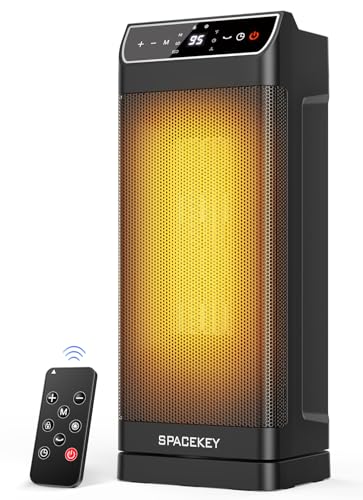
- BrandSpacekey

- BWP Score9.2
BWP Score is a ranking system developed by Bestwinterproducts.com. BWP score has no relationship or impact from any manufacturers or sales agent websites. Learn more
- BrandDREO

- BWP Score9.2
BWP Score is a ranking system developed by Bestwinterproducts.com. BWP score has no relationship or impact from any manufacturers or sales agent websites. Learn more
- BrandDREO

- BWP Score9.2
BWP Score is a ranking system developed by Bestwinterproducts.com. BWP score has no relationship or impact from any manufacturers or sales agent websites. Learn more
- BrandDREO

- BWP Score8.8
BWP Score is a ranking system developed by Bestwinterproducts.com. BWP score has no relationship or impact from any manufacturers or sales agent websites. Learn more
- BrandDREO

- BWP Score8.8
BWP Score is a ranking system developed by Bestwinterproducts.com. BWP score has no relationship or impact from any manufacturers or sales agent websites. Learn more
- BrandDREO

- BWP Score8.8
BWP Score is a ranking system developed by Bestwinterproducts.com. BWP score has no relationship or impact from any manufacturers or sales agent websites. Learn more
- BrandGiveBest

- BWP Score8.6
BWP Score is a ranking system developed by Bestwinterproducts.com. BWP score has no relationship or impact from any manufacturers or sales agent websites. Learn more
- BrandPELONIS
Last update on 2026-09-29 / Affiliate links / Images, Product Titles, and Product Highlights from Amazon Product Advertising API
FAQs
Can a 1,500-watt space heater actually warm a 400-square-foot living room?
A 1,500-watt heater cannot warm a 400-square-foot room from freezing cold to toasty warmth entirely by itself. It produces around 5,118 BTUs per hour, which works best as supplemental heat to raise the ambient temperature by five to eight degrees in your primary seating area. To maximize comfort in a space that large, use an oscillating tower heater with a fan to direct heat toward your seating area, and keep doors to unused rooms closed.
Is an oil-filled radiator cheaper to run than a ceramic fan heater?
Both heaters cost the exact same amount to run per hour when operating on their 1,500-watt High setting, because they draw identical electrical power from your wall outlet. An oil-filled radiator often feels more economical over long periods because its metal fins retain heat, allowing the unit to cycle off while continuing to radiate warmth into the room. Ceramic fan heaters cool down instantly when switched off, which often causes users to run them longer and increase overall electricity use.
Where should I put a space heater in a room with vaulted ceilings?
Place an oscillating ceramic tower heater along an interior wall, aimed directly across your living and seating furniture. Avoid oil-filled radiators in rooms with very high ceilings, because natural convection carries that gentle heat straight to the peak of the ceiling where it does you no good. Run your ceiling fan on low in a clockwise direction to push warm air back down toward the floor level.


Best Warm Winter Scarves 2026 For Cozy Comfort

Best Green Ski Goggles 2026 For Clear Vision On Slopes

12 Best Corner Electric Fireplace 2026: My Ultimate Guide To Pick One

Best Battery Powered Snow Blower 2026 For Effortless Snow Clearing

Best Ski Goggles Under 30 Inches For Crisp Vision And Comfort

Best Cooling Scarf 2026 For Instant Relief And Comfort

Fake Snow for Grass: Create a Realistic Winter Lawn Display

Dimplex Prism Wall Mount Fireplace: Sleek Heat With Modern Flame Style





