
Which Type of Heater Is Right for Your Patio?

Look directly up at the patio roofline before choosing any heater style. Overhead clearance sets your safety limits, making mounted electric infrared heaters ideal for covered spaces, while freestanding propane heaters suit open backyards best. Infrared heat warms people directly like sunlight instead of heating the breeze, keeping seats cozy without creating a roof hazard.
A few local details will quickly narrow down the right option. Low wooden beams or fabric canopies rule out tall gas flames, which need plenty of empty space above the burner. Windy yards also strip away rising hot air from propane, whereas directional electric beams cut straight through drafts. Daily convenience counts too, since plugging into an outdoor outlet avoids hauling heavy gas tanks. Understanding your patio layout shows which setup keeps everyone warm all evening.
Is propane or electric better for your patio?
Choosing between propane and electric comes down to how much heat you need, where your patio sits, and how you want to manage fuel. Neither option is universally better, but one will fit your yard much better than the other.
Propane heaters burn gas from a standard 20-pound tank, the same tank used on a barbecue grill. Heat output is measured in British Thermal Units, commonly called BTUs (the heat power rating for gas). A freestanding propane heater delivers between 40,000 and 50,000 BTUs, creating a wide circle of warmth that radiates downward from a metal dome. Because propane units hold their fuel in the base, you can wheel them anywhere across an open patio or deck without cords. The trade-off is maintenance: a tank lasts roughly 8 to 10 hours on high, requiring periodic lifting, hauling, and refilling.
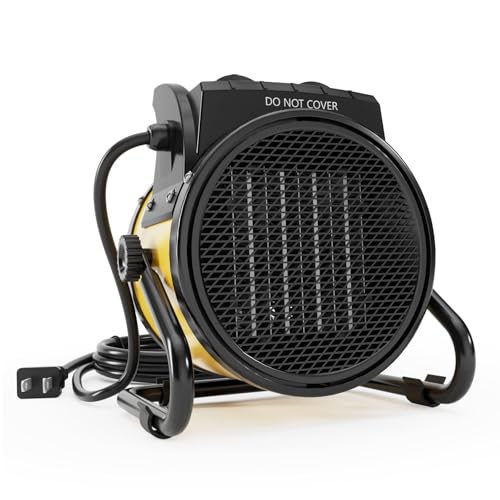
Electric outdoor heaters plug into an exterior outlet and draw up to 1,500 watts, which equals about 12.5 amps on a standard 15-amp breaker. Instead of burning gas, electric patio models use a ceramic heating element that warms up in seconds or an infrared bulb. Electric heat turns on with a switch, never runs out of fuel mid-dinner, and costs less per hour to run.
However, electric heat is limited by household wiring. A 1,500-watt electric heater produces roughly 5,100 BTUs, which warms people seated close by but cannot match the raw power of a 46,000 BTU gas burner across an open yard. If you are heating a screened space or looking for the best heater for enclosed porch areas, electric is the only safe choice because it produces zero carbon monoxide and needs no open ventilation.
Can you safely run a heater under a roof?
Running an outdoor heater under an overhead structure requires strict attention to clearance (the mandatory empty distance between the heater and anything that can burn). Whether your patio has a wooden pergola, an aluminum awning, a canvas gazebo, or a solid ceiling dictates what heater you can use.
Tall freestanding propane heaters are generally unsafe under standard patio roofs. A mushroom-style gas heater stands between 7 feet and 7.5 feet tall. While the metal reflector directs heat downward, an intense column of invisible, superheated exhaust rises straight out of the burner head. Most gas heater manuals require at least 24 to 36 inches of open clearance above the dome, plus 24 to 36 inches from side walls. Under an 8-foot or 9-foot ceiling, that exhaust sits inches from rafters, which dries out wood, melts vinyl, and creates a severe fire risk. Gas burners also emit carbon monoxide, making them dangerous in enclosed spaces.
Electric infrared heaters solve this problem cleanly. Because they produce warmth without flame or exhaust, they do not push superheated air toward the ceiling. Many electric units mount directly to wall studs or pergola beams with simple brackets. Required clearances are much smaller, often just 12 to 18 inches from a ceiling and 6 feet above the floor.
Before placing any heater under a cover, follow this safety checklist:
- Measure ceiling height to the lowest beam, light fixture, or fan blade.
- Check the product manual or data plate for the listed vertical clearance requirement.
- Look above the heater for combustible canvas awnings, hanging plants, or curtains.
- Confirm the space has open airflow on at least two sides if burning propane.
- Choose a wall or ceiling-mounted electric unit whenever overhead clearance is under 9 feet.
Which patio heater works best when it is windy?
Wind is the number one enemy of outdoor warmth. If you choose the wrong heating style for a breezy yard, you will barely feel the heat.
The problem comes down to the difference between convection heat and radiant heat. Convection heat warms the surrounding air. When a heater warms outdoor air, that air expands, rises, and floats away. In an open yard, even a light breeze of 5 miles per hour sweeps all that warmed air across the lawn before it ever reaches your skin.
Radiant heat works on a completely different principle. Infrared heat is a gentle heat that warms people and furniture directly like sunlight, without needing to warm the air first. When you step into the sun on a chilly day, you instantly feel warmth on your face and clothes, even though the air feels cold. Infrared patio heaters emit light waves that travel through the air without losing energy. When those rays strike your body or patio chairs, that energy turns directly into warmth.
Because infrared rays are unaffected by moving air, electric infrared heaters perform far better in drafty conditions. Tall propane heaters struggle in breezy weather because the wind blows their rising heat away before it settles on your seating area.
Which heater shape fits your patio furniture setup?
Patio heaters come in three primary shapes, and each design matches a specific furniture arrangement. Matching the heater shape to how you use your space keeps everyone warm without wasting energy.
Freestanding tower heaters are tall poles with metal reflector domes or glass flame tubes. They stand around 85 to 91 inches tall and project warmth in a full 360-degree circle. This shape is ideal for open-air fire pits, poolside decks, and cocktail gatherings where people mingle on all sides. A single full-sized tower can warm an area up to 15 to 20 feet across in calm weather. However, placing one in a corner wastes half its heat against the house, and their height makes them unusable near low patio umbrellas.
Wall and ceiling-mounted heaters are long, narrow horizontal bars that secure directly to an exterior wall, post, or overhead rafter. These units project heat downward in an angled, fan-shaped beam, much like a spotlight. They are the ideal choice for covered porches, dining tables set against a wall, and narrow decks where floor space is limited. Mounted heaters keep your deck clear of cords and heavy bases, making them the safest choice for homes with young children or active pets.
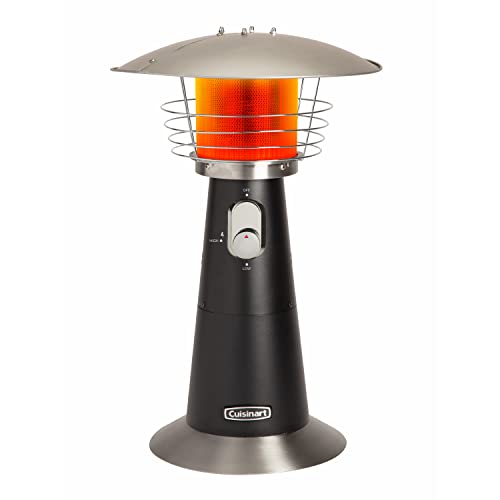
Tabletop heaters are compact units designed to sit directly on an outdoor dining or coffee table. A tabletop gas model puts out around 10,000 to 11,000 BTUs and warms a small 30-square-foot zone around the table. They are excellent for dinner for two to four people, though diners must keep paper napkins away from the hot burner guard.
What safety features do you need before turning it on?
Outdoor heaters produce intense heat, making built-in safety features and careful setup essential before lighting a burner or switching on power.
The most critical safety mechanism on any portable heater is a tip-over safety switch that cuts power instantly if the unit is knocked over or tilted. Tall gas heaters are top-heavy because the burner assembly and aluminum reflector sit high in the air. A strong gust of wind or an accidental bump can push the pole off balance. A reliable tilt switch immediately shuts the gas valve or cuts electrical current the second the unit tilts, preventing hot metal from starting a fire.
Weighted stability keeps freestanding heaters upright. Quality propane heaters include hollow base chambers designed to be filled with sand or water, adding 20 to 30 pounds of ballast at ground level. Never operate a freestanding heater with an empty base; fill the reservoir completely before lighting the burner for the first time.
Electrical safety requires equal attention for plug-in models:
- Plug the heater directly into an exterior GFCI outlet (ground fault circuit interrupter, an outlet that cuts power if moisture or an electrical fault occurs).
- Never use a thin indoor extension cord, which can overheat, melt its jacket, and cause an electrical fire under heavy current draw.
- Verify the outlet has an in-use weatherproof cover that protects the connection from rain while plugged in.
- If you heat a workshop or breezeway, follow the power safety rules used for the best electric heater for garage with thermostat setups to prevent tripped breakers.
For propane units, check the hose and regulator each season. Spray soapy water on brass fittings with the tank valve open and burner off. If bubbles expand, tighten the fitting before lighting.
What should you check before buying your patio heater?
Before selecting a patio heater, take a clear inventory of your outdoor layout so you pick a design that matches your space. Start with a tape measure: check your ceiling height, note the distance to any nearby walls or vinyl siding, and measure your seating area. If your patio has an overhead roof lower than 9 feet, focus on wall-mounted or ceiling-hung electric infrared models that require minimal vertical clearance. If your patio is completely open to the sky and you want to warm a large group around a fire pit or lounge sectional, a tall freestanding propane tower with a wide metal reflector dome will deliver broad, powerful coverage.
Next, check your fuel access. If you prefer electric heat, make sure you have an exterior outlet on a dedicated 15-amp circuit within reach so you do not need extension cords. If you prefer propane, confirm you have a level, well-ventilated spot to store and swap 20-pound fuel tanks. Always look for an automatic tip-over safety switch, an overheat sensor, and a recognized US safety listing mark such as UL, ETL, or CSA on the product label.
- BWP Score-
BWP Score is a ranking system developed by Bestwinterproducts.com. BWP score has no relationship or impact from any manufacturers or sales agent websites. Learn more
- BrandCuisinart

- BWP Score-
BWP Score is a ranking system developed by Bestwinterproducts.com. BWP score has no relationship or impact from any manufacturers or sales agent websites. Learn more
- BrandEAST OAK
- BWP Score-
BWP Score is a ranking system developed by Bestwinterproducts.com. BWP score has no relationship or impact from any manufacturers or sales agent websites. Learn more
- BrandJoanolga

- BWP Score-
BWP Score is a ranking system developed by Bestwinterproducts.com. BWP score has no relationship or impact from any manufacturers or sales agent websites. Learn more
- BrandDR. INFRARED HEATER

- BWP Score-
BWP Score is a ranking system developed by Bestwinterproducts.com. BWP score has no relationship or impact from any manufacturers or sales agent websites. Learn more
- BrandSEEYANG

- BWP Score-
BWP Score is a ranking system developed by Bestwinterproducts.com. BWP score has no relationship or impact from any manufacturers or sales agent websites. Learn more
- BrandAmazon Basics

Patio Heater Covers with Zipper and Storage Bag,Waterproof,Dustproof,Wind-Resistant,Sunlight-Resistant,Snow-Resistant,Black,89'' Height x
View on Amazon- BWP Score-
BWP Score is a ranking system developed by Bestwinterproducts.com. BWP score has no relationship or impact from any manufacturers or sales agent websites. Learn more
- BrandHualedi

- BWP Score-
BWP Score is a ranking system developed by Bestwinterproducts.com. BWP score has no relationship or impact from any manufacturers or sales agent websites. Learn more
- BrandHQQ outdoor
Last update on 2026-09-29 / Affiliate links / Images, Product Titles, and Product Highlights from Amazon Product Advertising API
FAQs
Can you leave a patio heater out in the rain?
Outdoor heaters use weather-resistant materials like stainless steel or powder-coated metal, but prolonged exposure to rain and snow will shorten their lifespan. Moisture can corrode internal gas valves, damage electric heating elements, and rust burner screens over time. Let the heater cool down completely after use, then cover it with a heavy-duty, waterproof zippered cover to protect it from harsh weather.
How many heaters do you need for a normal patio?
For an average patio between 150 and 250 square feet, a single 45,000 to 50,000 BTU propane heater or two 1,500-watt electric infrared heaters will provide good warmth. Freestanding gas towers project heat in a wide circular pattern, making one unit enough for a central seating group. Electric heaters project heat in a directional beam, so mounting two units on opposite walls provides even warmth without cold spots.
Are tabletop heaters worth buying for small seating areas?
Tabletop heaters are worth buying if your outdoor time centers on a dining table or bistro set for two to four people. They provide immediate, focused warmth to your upper body and hands without taking up patio floor space. However, they only warm a radius of about 3 to 5 feet, so they will not warm an entire patio or keep people comfortable once they step away from the table.
Can you use a propane patio heater on a wooden deck?
You can safely use a freestanding propane heater on a sturdy wooden deck if the heater has a heavy, weighted base and an integrated tip-over shutoff switch. The burner head sits at the very top of the pole, so the wood underneath does not get hot enough to ignite. Make sure the deck boards are level so the heater cannot wobble, and maintain at least 3 feet of clearance from wooden railings, furniture, and siding.


Best Warm Winter Scarves 2026 For Cozy Comfort

Best Green Ski Goggles 2026 For Clear Vision On Slopes

12 Best Corner Electric Fireplace 2026: My Ultimate Guide To Pick One

Best Battery Powered Snow Blower 2026 For Effortless Snow Clearing

Best Ski Goggles Under 30 Inches For Crisp Vision And Comfort

Best Cooling Scarf 2026 For Instant Relief And Comfort

Fake Snow for Grass: Create a Realistic Winter Lawn Display

Dimplex Prism Wall Mount Fireplace: Sleek Heat With Modern Flame Style





