
Which Type of Heater Is Right for Your Room?

A ceramic fan heater is the best all-around choice for warming an entire room quickly and evenly. That answer shifts, however, depending on how you plan to use the space. While a fan quickly pushes warm air into every corner, long nights or chilly desk spots often call for a completely different design.
Three everyday factors decide what works in your home. First, decide if you want to warm the entire volume of air or beam direct warmth right at your chair. Second, consider sound, since light sleepers usually rest better with a silent oil-filled radiator rather than a whirring fan. Finally, match the heater to your routine, whether that means a quick blast to take off the morning chill or steady warmth through the day. Here is how each option behaves so you can pick the right match.
The Short Version
- Ceramic fan heaters warm rooms fastest: A ceramic heating element that warms up in seconds pairs with an internal fan to blow heated air evenly across small to medium spaces like offices and dens.
- Infrared heaters provide instant spot warmth: They deliver gentle heat that warms people and furniture directly like sunlight, making them great for drafty spots or high ceilings where warming all the air wastes energy.
- Oil-filled radiators and panel heaters are best for sleeping: They provide silent, steady heat that circulates naturally without drying out the air or disturbing light sleepers with fan noise.
- Electrical guidelines: Standard 1,500-watt heaters warm roughly 150 square feet. Plug directly into a dedicated wall outlet on a 15-amp circuit to avoid tripping breakers.
Matching Heater Types to Your Room Setup
Every cold room is different. A drafty living area with high ceilings loses heat differently than a snug bedroom with the door closed. Picking the wrong heater leaves you with cold feet while warm air gathers at the ceiling, or keeps you awake with a rattling fan.
To pick the right heater, focus on how you use the space. Decide whether you need to warm your body right now, heat the whole room's air volume, or maintain gentle comfort through the night.
- Air circulators (ceramic fan units): These blow heated air outward to raise the general room temperature in minutes.
- Radiant heaters (infrared units): These beam warmth straight into your body and furniture, ignoring drafts.
- Steady convection heaters (oil radiators and panels): These slowly circulate warmth without blowing air, holding temperatures steady for hours.
Ceramic Fan Heaters: Best for Whole-Room Speed
Ceramic heaters are the most popular choice for portable room warmth. Inside sits a ceramic heating element that warms up in seconds when plugged in. A fan pushes warm air across the room, circulating heated air from corner to corner.
This design works best when you enter a chilly room and want warmth right away. Because ceramic units actively blow heated air, you do not wait long for comfort. Models that oscillate sweep side to side across 70 to 90 degrees, helping spread warm air evenly through spaces up to 150 or 200 square feet.
The ceramic element also brings built-in safety. As ceramic stones heat up, their electrical resistance increases, which naturally prevents the core from overheating even if air movement slows down.
Keep the trade-offs in mind. The internal fan makes a continuous hum. While larger tower models run quietly at around 25 decibels, small desktop units produce a noticeable buzz. Moving air can stir up dust and dry out your sinuses. Once you turn the heater off, the room cools quickly because lightweight ceramic holds little residual heat.
Infrared Heaters: Best for Direct, Spot Warmth
Infrared heaters work completely differently than fan blowers. Instead of warming the air, they produce gentle heat that warms people and furniture directly like sunlight. You feel that warmth on your skin and clothes immediately, even when the room air feels crisp.
This direct approach makes infrared heaters effective in drafty rooms, spaces with tall ceilings, and open floor plans. In large rooms, heating every cubic foot of air takes too long and wastes electricity as warm air rises straight toward the ceiling. An infrared quartz heater solves this by concentrating warmth right where you sit.
If you want to take the chill off drafty spaces, reviewing how a heater for an enclosed porch handles constant drafts shows the value of direct radiant heating. Infrared units have no fans to blow dust or pollen, making them comfortable for allergy sufferers.
The trade-off is directional warmth. Solid objects block infrared heat waves. If you sit under a desk, your feet stay warm while your shoulders stay chilly. When you step out of the heater's direct line of sight, the warmth drops off instantly.
Oil-Filled and Flat-Panel Heaters: Best for Silent Bedroom Heating
When you want to sleep comfortably through a cold night, oil-filled radiator heaters and flat-panel heaters are the quietest, most reliable options. An oil-filled radiator looks like a traditional radiator on wheels, but it plugs into a regular household wall outlet. Inside sealed metal fins, diathermic oil acts as a heat reservoir. You never have to refill or burn this oil. An electric heating element warms the fluid, which heats the exterior metal fins, allowing gentle warmth to rise into the room.
Total silence is the main benefit. Without an internal fan, oil-filled heaters operate with zero motor hum. They will not disturb light sleepers, young children, or anyone sensitive to sound. They produce an even warmth that avoids scorched dust smells and will not dry out your throat overnight.
Oil-filled units also retain heat well. When the digital temperature dial clicks off to hold your set warmth, the dense oil and metal fins keep radiating heat for 30 to 45 minutes. Slim flat-panel heaters offer similar quiet convection while mounting flush to a wall, saving valuable floor space in tight rooms.
The drawback is warm-up speed. An oil-filled unit takes 15 to 30 minutes to warm its oil before producing noticeable room heat. They are also heavy, making them harder to carry between floors.
How to Size Watts to Your Room Without Tripping Breakers
Picking the correct heater wattage keeps you comfortable without overloading your home electrical panel. A standard rule of thumb for insulated rooms with 8-foot ceilings is to plan for roughly 10 watts of heating power per square foot of floor space.
- Small spaces (up to 100 sq ft): A compact heater running at 750 to 1,000 watts easily warms home offices, bathrooms, and small nurseries.
- Standard bedrooms (100 to 150 sq ft): A standard 1,500-watt heater provides primary warmth with the bedroom door closed.
- Large rooms (150 to 350 sq ft): A 1,500-watt heater serves as supplemental zone heating to warm your immediate seating area.
In the United States, portable electric heaters draw up to 1,500 watts on high heat. At 120 volts, that equals about 12.5 amps. Most standard bedrooms and living rooms run on 15-amp circuit breakers. Because continuous electrical loads should not exceed 80 percent of a circuit rating (12 amps on a 15-amp breaker), a 1,500-watt heater leaves almost no room for other appliances.
Running a heater on the same circuit as a computer, television, or hair dryer will trip your breaker. Plug your room heater into a dedicated wall outlet with minimal other loads. If you need warmth in heavier work areas, checking how an electric heater for a garage with a thermostat balances high wattage against circuit capacity helps prevent electrical overloads.
Crucial Fire Safety Rules for Indoor Heaters
Portable heaters keep rooms comfortable, but heating equipment remains a leading cause of home winter fires due to crowded placement or overloaded wiring. Following simple rules keeps your home warm and safe.
Follow these safety steps whenever using an electric room heater:
- Maintain the 3-foot safety buffer: Keep your heater at least 3 feet (36 inches) away from anything that can burn. This includes drapes, bedding, blankets, sofas, paper, and pet beds. Never place a heater directly against a wall.
- Plug directly into the wall: Never plug a space heater into an extension cord, power strip, or multi-plug adapter. These cords cannot handle continuous 12.5-amp power draws. They can melt and spark a fire without ever tripping your circuit breaker.
- Confirm safety shutoffs: Ensure your heater has a tip-over safety switch that cuts power instantly if the unit is knocked over or tilted. It must also have an automatic overheat sensor that shuts the unit off if internal parts get dangerously hot. Look for recognized safety marks like UL, ETL, or CSA on the label.
- Place on hard, level surfaces: Set the heater on flat wood, tile, or short carpet. Never put it on soft rugs, tables, or beds where vents can get blocked.
- Check the wall outlet plug: After 30 minutes on high, touch the wall outlet faceplate and the plug. Slight warmth is normal, but if the plug or plate feels hot, shut the unit off, unplug it, and consult a licensed electrician.
What to Check Before Choosing Your Room Heater
Choosing the right heater comes down to your room size, how much sound you can tolerate, and where you plan to place the unit. Start by measuring your floor space to ensure you can maintain a clear 3-foot safety buffer around walkways and furniture. If floor space is tight, an upright tower model or a wall-mounted panel frees up room while warming you at seated level.
Check the controls before buying. A digital temperature dial that clicks on and off to hold your set warmth saves electricity compared to basic switches that run continuously. If you plan to use the heater in a bedroom, confirm that it operates quietly and has an option to dim or turn off the display lights so glowing numbers do not disrupt your sleep.
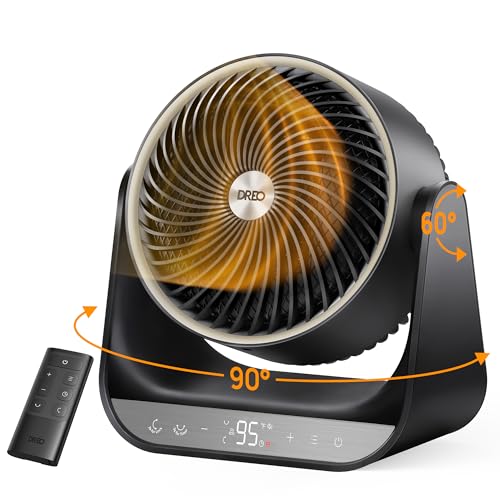
- BWP Score9.6
BWP Score is a ranking system developed by Bestwinterproducts.com. BWP score has no relationship or impact from any manufacturers or sales agent websites. Learn more
- BrandDREO

- BWP Score9.2
BWP Score is a ranking system developed by Bestwinterproducts.com. BWP score has no relationship or impact from any manufacturers or sales agent websites. Learn more
- BrandDREO

- BWP Score9.2
BWP Score is a ranking system developed by Bestwinterproducts.com. BWP score has no relationship or impact from any manufacturers or sales agent websites. Learn more
- BrandDREO

- BWP Score9.2
BWP Score is a ranking system developed by Bestwinterproducts.com. BWP score has no relationship or impact from any manufacturers or sales agent websites. Learn more
- BrandDREO
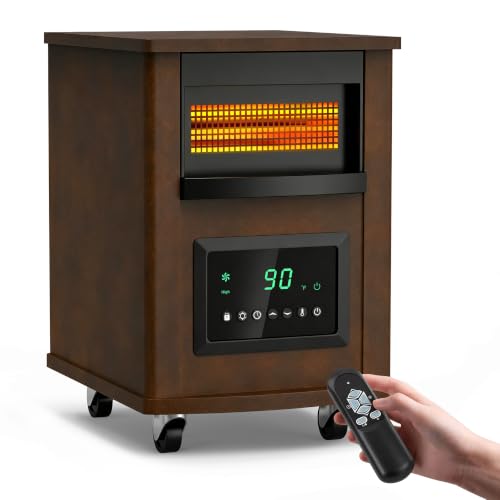
- BWP Score9.2
BWP Score is a ranking system developed by Bestwinterproducts.com. BWP score has no relationship or impact from any manufacturers or sales agent websites. Learn more
- BrandRealSmart

- BWP Score9.0
BWP Score is a ranking system developed by Bestwinterproducts.com. BWP score has no relationship or impact from any manufacturers or sales agent websites. Learn more
- BrandRealSmart

- BWP Score8.8
BWP Score is a ranking system developed by Bestwinterproducts.com. BWP score has no relationship or impact from any manufacturers or sales agent websites. Learn more
- BrandDREO

- BWP Score8.8
BWP Score is a ranking system developed by Bestwinterproducts.com. BWP score has no relationship or impact from any manufacturers or sales agent websites. Learn more
- BrandGiveBest

- BWP Score8.0
BWP Score is a ranking system developed by Bestwinterproducts.com. BWP score has no relationship or impact from any manufacturers or sales agent websites. Learn more
- BrandETTFGUH
Last update on 2026-09-29 / Affiliate links / Images, Product Titles, and Product Highlights from Amazon Product Advertising API
Frequently Asked Questions
Can I safely leave a space heater on overnight while sleeping?
You can run an electric heater overnight if it has certified safety marks like UL or ETL, a tip-over switch, and an automatic overheat sensor. Oil-filled radiators and panel heaters are the safest choices for bedrooms because they operate silently without open heating coils or fan motors. Always maintain a clear 3-foot buffer from bedding and set the thermostat to a moderate temperature.
Why does my space heater smell like burning dust when I turn it on?
When a space heater sits in a closet for months, dust and pet hair settle on the heating element. When switched on, that dust burns off, creating a brief burning smell. This odor usually clears within 15 to 30 minutes in a ventilated room. If the smell persists, you see smoke, or the cord feels hot, turn off and unplug the unit right away.
Will using a space heater lower my electric bill?
A space heater lowers your electric bill only if you practice zone heating. That means turning down your central home thermostat by several degrees and running one heater in the room you are currently using. If you keep your main thermostat high and run portable heaters in multiple rooms, your monthly electric bill will go up.
Can I use a regular portable space heater in my bathroom?
Standard portable room heaters should never be used in a bathroom. Bathrooms require specialized heaters equipped with an ALCI safety shutoff plug, which cuts power immediately if water splashes onto the unit. Moisture and shower steam can corrode regular heating parts and cause electrical hazards. For cold bathrooms, use a dedicated, wall-mounted heater installed away from water sources.


Best Warm Winter Scarves 2026 For Cozy Comfort

Best Green Ski Goggles 2026 For Clear Vision On Slopes

12 Best Corner Electric Fireplace 2026: My Ultimate Guide To Pick One

Best Battery Powered Snow Blower 2026 For Effortless Snow Clearing

Best Ski Goggles Under 30 Inches For Crisp Vision And Comfort

Best Cooling Scarf 2026 For Instant Relief And Comfort

Fake Snow for Grass: Create a Realistic Winter Lawn Display

Dimplex Prism Wall Mount Fireplace: Sleek Heat With Modern Flame Style





