
What Type of Heater Keeps a Screened Porch Warm?

Start by looking for an electric infrared heater rather than a standard space heater. Drafty porch screens let hot air blow away instantly, but radiant infrared warms your body directly like gentle sunshine instead of trying to heat the breeze. It also eliminates the dangerous open flames, fumes, and clearance hazards that make tall propane patio heaters unsafe under a covered roof.
The ideal setup varies based on your porch layout and electrical supply. Low ceilings and wooden beams require strict clearance, meaning safe empty space around the heater to prevent scorched wood. Portable stands offer flexibility near patio chairs, while permanent wall bars stay safely out of the walkway. Standard household outlets also limit plug-in units to 1,500 watts, so checking your breaker capacity prevents sudden shutoffs. Here is a clear look at how each heating style performs and how to keep your space comfortable all season.
Warm Your Body Directly Instead of Heating the Drafty Air
Screened porches present a unique heating challenge because mesh screens stop bugs, but they do nothing to stop moving air. If you set up a standard space heater that blows warm air with a fan, that heated air slips right through the screen mesh and vanishes into the yard. You can run a fan-forced heater on high for hours, run up a steep electric bill, and still sit there shivering in a heavy winter coat.
Unlike heating an enclosed sunroom with solid glass windows, where warm air stays trapped inside, a screened porch behaves much more like an open patio. If you are comparing spaces, you can see how heaters designed for enclosed porches rely on trapped air, whereas an open mesh porch requires a completely different heating strategy.
The only heating method that works reliably on a screened porch is radiant infrared heat. Infrared heat does not warm the air. Instead, it emits gentle heat that warms people and furniture directly like sunlight. It travels through the air in straight waves, turning into soothing warmth the second it touches your skin, your clothes, or your chair cushions. Even when a crisp autumn breeze drifts through the screens, you stay comfortably warm because the heat is locked into your body rather than floating in the surrounding air.
Skip Open-Flame Propane Heaters Under Low Porch Ceilings
Many homeowners consider freestanding propane patio heaters because they put out an enormous amount of warmth, often between 40,000 and 50,000 BTUs. While these tall mushroom-style heaters work well on open backyard patios, placing one under a screened porch roof creates a serious fire hazard. Most tall propane heaters stand over 7 feet tall, and standard porch ceilings sit only 8 or 9 feet high.
Propane burners direct an intense column of rising heat toward the ceiling. That heat quickly scorches painted beadboard ceilings, blisters vinyl soffits, and chars wooden framing rafters. Every propane heater manufacturer specifies a safe clearance, which is the safe distance from wooden walls and ceilings needed to prevent combustion. Tall heaters typically demand at least 2 to 3 feet of open space above the metal reflector shield and several feet of side clearance, which most covered porches simply cannot provide.
Combustion gases create another hazard. Even though screens allow outdoor airflow, rising exhaust fumes and carbon monoxide can accumulate in the ceiling pocket beneath a solid roof overhang. Electric infrared heaters eliminate both issues entirely. They run cleanly without open flames, produce zero carbon monoxide fumes, and can be mounted safely under low ceilings when you follow the manufacturer's clearance guidelines.
Choose Between Wall Mounts and Freestanding Stands for Your Layout
Electric infrared porch heaters come in several physical styles, and picking the right one depends on your porch layout, ceiling height, and how often you rearrange your outdoor furniture.
- Wall and ceiling mounted bars: These long, slender heating bars bolt directly to an exterior house wall or a ceiling beam. They keep your floor clear, prevent people from tripping over power cords, and stay safely out of reach of children and pets. Most models include brackets that allow you to angle the heating element downward at 30 to 45 degrees toward your chairs. They provide a tidy, permanent setup, though you cannot move them once installed.
- Freestanding towers and tripods: These portable heaters sit on an upright pole or a folding tripod base. They give you the flexibility to move the heat wherever you want it, such as next to a morning reading chair or alongside an outdoor dining table. They require a flat, level floor to prevent wobbling, and you should always choose a model with an integrated tip-over safety switch that cuts power instantly if the unit is knocked over or tilted.
- Hanging ceiling heaters: Hanging units look like outdoor light fixtures and suspend from a sturdy ceiling hook on an adjustable chain. They work well over a central patio table, casting warmth straight down over dinner guests. When using a hanging unit, make sure the bottom of the heater hangs at least 7 feet above the floor so tall guests do not bump their heads when standing up.
Check Your Circuit Limits and Weather Ratings Before Plugging In
Before buying an electric heater, check your outdoor electrical setup to ensure it can support the power draw without tripping breakers or sparking a fire.
- Verify circuit breaker capacity: In standard US homes, plug-in electric heaters run at 1,500 watts on their high heat setting, which draws about 12.5 amps on a standard 120-volt household circuit. Most outdoor circuits are protected by a 15-amp breaker. Because the heater uses more than 80 percent of the circuit's total safe load, plugging it into an outlet that shares power with outdoor string lights, an outdoor beverage fridge, or living room lamps will cause the breaker to trip repeatedly. Plug your porch heater into a dedicated wall outlet whenever possible.
- Plug directly into the wall: Never plug an outdoor electric heater into a standard household extension cord, power strip, or multi-outlet adapter. Drawing 12.5 amps continuously through thin extension wires causes cords to overheat, melt, and ignite. If you must use an extension cord because an outlet is out of reach, use only a heavy-duty, outdoor-rated 12-gauge cord rated for 15 amps or higher.
- Confirm the weather resistance mark: Screened porches keep out falling rain, but strong winds can blow damp mist and sideways rain straight through the mesh. Check the heater label for an IP rating, which is the weather resistance mark against rain and moisture. Look for at least an IPX5 or IP55 rating, which resists water sprays from any direction. An IP65 rating provides even better protection against rainstorms and dust. Never use a basic indoor heater on a screened porch, as humidity will corrode the wiring and create an electrical shock hazard.
- Use a GFCI outlet: Confirm that your porch receptacle has ground-fault circuit interrupter (GFCI) protection, which features test and reset buttons on the outlet faceplate. A GFCI outlet detects stray electrical currents caused by moisture and shuts off power in a fraction of a second to prevent electrocution.
Aim Your Heat at Seating Areas and Keep Clear of Curtains
Because radiant infrared heat warms objects through direct line of sight, proper positioning makes the difference between a cozy porch and a chilly one. If a solid object stands between you and the heater, that object will absorb all the warmth, leaving you in the cold.
Follow these practical placement steps to get the most comfortable warmth out of your heater:
- Maintain the 3-foot safety buffer: Always keep the heating face at least 3 feet (36 inches) away from anything that can catch fire. This includes outdoor drapes, mesh screens, decorative throw pillows, wicker storage trunks, and seasonal blankets. While infrared heaters do not have exposed fires, their front grilles get hot enough to scorch fabric left too close.
- Position the unit between 4 and 7 feet from seating: Radiant warmth drops off the farther it travels. Placing an infrared heater 4 to 7 feet away from your chairs provides steady, pleasant warmth. If you sit closer than 3 feet, the heat may feel uncomfortably intense on your face and head, while placing it more than 8 feet away dilutes the heat on cold, breezy evenings.
- Angle wall-mounted units downward: Mount wall units between 6 and 8 feet above the porch floor, then tilt the bracket down toward the center of your conversation area. Angling the heat downward ensures the warmth covers your torso, lap, and legs rather than warming the top of your head or the ceiling.
- Face the heater away from prevailing drafts: Position your heater so it aims into the seating area with your furniture arranged to block strong side drafts. Having chairs arranged with their backs toward the screened wall helps shelter your body from wind while the heater warms you from the front or overhead.
Look for the Right Features When Shopping for an Infrared Porch Heater
When you start browsing for an outdoor electric infrared heater, focus on features that make operation safe, convenient, and well suited for outdoor use. A good porch heater should feature multiple heat settings or power levels, such as a low setting for mild spring evenings and a 1,500-watt maximum setting for chilly fall nights. Having options lets you control your comfort without wasting electricity.
Look for convenience features that match where you plan to install the heater. If you mount a unit high on a wall or ceiling beam, reaching an on-off switch on the back of the casing can be awkward. Models that include a handheld remote control or a long hanging pull cord allow you to adjust warmth without climbing on furniture. Built-in timers are also helpful, automatically shutting the unit off after one to several hours in case you head inside and forget to turn it off.
Safety certifications are essential. Check the product specifications or the label on the housing for recognized US safety marks, such as UL, ETL, or CSA certification. Verify that freestanding floor models include an internal tip-over safety switch and an automatic overheat sensor that shuts the unit off if internal parts get dangerously hot. Finally, check that the body is made from powder-coated aluminum or stainless steel so the metal will not rust or degrade when exposed to damp outdoor air over several seasons.

- BWP Score9.2
BWP Score is a ranking system developed by Bestwinterproducts.com. BWP score has no relationship or impact from any manufacturers or sales agent websites. Learn more
- BrandEAST OAK

- BWP Score9.0
BWP Score is a ranking system developed by Bestwinterproducts.com. BWP score has no relationship or impact from any manufacturers or sales agent websites. Learn more
- BrandEncyclpo

- BWP Score9.0
BWP Score is a ranking system developed by Bestwinterproducts.com. BWP score has no relationship or impact from any manufacturers or sales agent websites. Learn more
- BrandEAST OAK
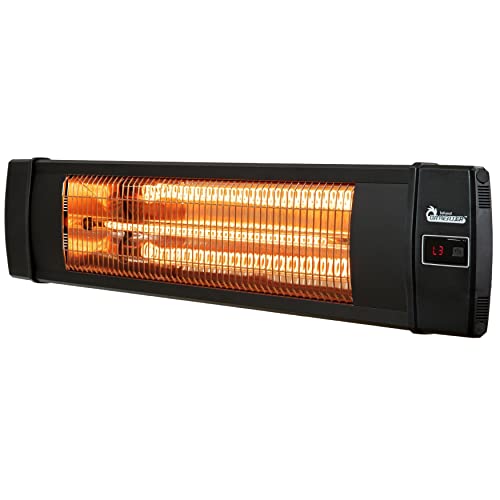
- BWP Score8.6
BWP Score is a ranking system developed by Bestwinterproducts.com. BWP score has no relationship or impact from any manufacturers or sales agent websites. Learn more
- BrandDR. INFRARED HEATER

- BWP Score8.6
BWP Score is a ranking system developed by Bestwinterproducts.com. BWP score has no relationship or impact from any manufacturers or sales agent websites. Learn more
- BrandDR. INFRARED HEATER
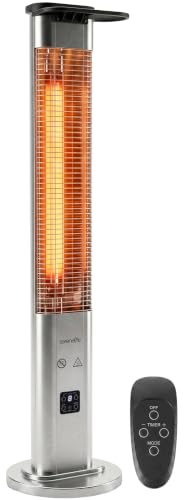
- BWP Score8.6
BWP Score is a ranking system developed by Bestwinterproducts.com. BWP score has no relationship or impact from any manufacturers or sales agent websites. Learn more
- BrandSereneLife
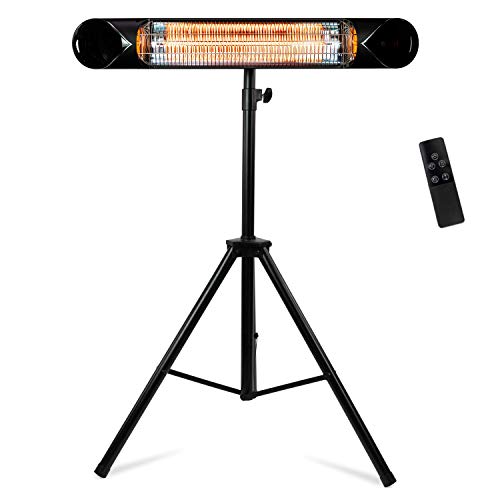
- BWP Score8.4
BWP Score is a ranking system developed by Bestwinterproducts.com. BWP score has no relationship or impact from any manufacturers or sales agent websites. Learn more
- BrandBriza
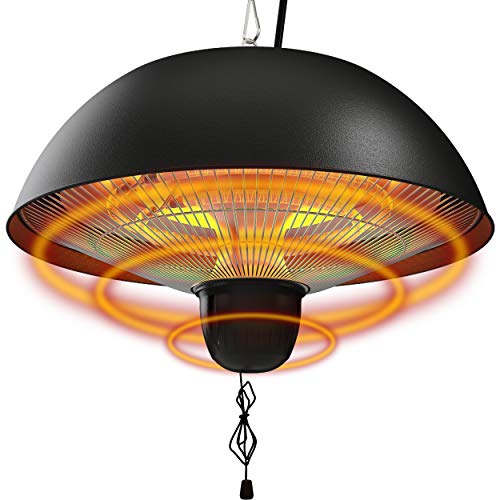
- BWP Score8.4
BWP Score is a ranking system developed by Bestwinterproducts.com. BWP score has no relationship or impact from any manufacturers or sales agent websites. Learn more
- BrandParaheeter

- BWP Score8.2
BWP Score is a ranking system developed by Bestwinterproducts.com. BWP score has no relationship or impact from any manufacturers or sales agent websites. Learn more
- BrandPowerScale
Last update on 2026-09-29 / Affiliate links / Images, Product Titles, and Product Highlights from Amazon Product Advertising API
FAQs
Can I use a regular indoor space heater on my screened porch?
No, you should never use a standard indoor space heater on a screened porch. Indoor fan heaters warm the surrounding air, which blows right out through the screens and leaves you cold while wasting electricity. Furthermore, indoor space heaters lack weather-resistant casings, meaning damp air and blowing rain can cause short circuits, electrical shocks, or fires.
Will a 1,500-watt electric heater trip my porch circuit breaker?
A 1,500-watt heater draws about 12.5 amps, which leaves very little room on a standard 15-amp household circuit. It will not trip the breaker on its own, but it will quickly trip the breaker if another device shares the same electrical line. To prevent sudden shutoffs, plug the heater directly into an outlet that does not share power with outdoor refrigerators, landscape lighting, or indoor appliances.
Can I use a tabletop fire pit or portable propane heater on a screened porch?
Using open-flame propane devices under a covered porch roof is risky and often violates local fire safety codes. Tabletop fire bowls and portable propane heaters generate intense rising heat that can scorch wooden rafters, warp vinyl ceilings, and create carbon monoxide buildup. Electric infrared heaters are significantly safer because they deliver radiant heat without an open flame or harmful exhaust fumes.
How far away should an infrared heater be placed from patio furniture?
Keep the front face of an infrared heater at least 3 feet (36 inches) away from all furniture, cushions, drapes, and screen mesh. For comfortable seating, the sweet spot is typically between 4 and 7 feet away from your chairs. Sitting closer than 3 feet can feel uncomfortably hot, while sitting more than 8 feet away makes the warmth hard to feel on a chilly night.


Best Warm Winter Scarves 2026 For Cozy Comfort

Best Green Ski Goggles 2026 For Clear Vision On Slopes

12 Best Corner Electric Fireplace 2026: My Ultimate Guide To Pick One

Best Battery Powered Snow Blower 2026 For Effortless Snow Clearing

Best Ski Goggles Under 30 Inches For Crisp Vision And Comfort

Best Cooling Scarf 2026 For Instant Relief And Comfort

Fake Snow for Grass: Create a Realistic Winter Lawn Display

Dimplex Prism Wall Mount Fireplace: Sleek Heat With Modern Flame Style





