
Which Type of Heater Warms a Small Room Safely?

Most people assume any portable heater will warm a chilly bedroom or office as long as it gets hot quickly. That guess often leads to blown circuits or buzzing fan noise, because a compact ceramic fan heater is actually the best choice for fast, even heat in tight spaces. For sleeping through the night, an oil-filled radiator works better because it holds steady warmth without any fan noise or harsh glowing coils.
The right match depends on your daily schedule and how much open floor space you have near curtains or bedding. A low-wattage personal warmer protects older wiring while you sit at a desk, while warming an entire room takes steady airflow placed well clear of furniture. Sound tolerance matters too, since a whirring motor can easily disturb phone calls or deep sleep. Here is how each heater style behaves in a compact room so you can choose with confidence.
How Ceramic, Oil-Filled, and Radiant Heaters Behave in Small Spaces
A small room traps heat quickly, but it also magnifies the drawbacks of each heater design. When floor space is limited to 100 or 150 square feet, how a heater spreads its warmth, moves air, and fits into the room directly shapes your comfort.
Ceramic heaters rely on a ceramic heating element that warms up in seconds, paired with a small fan that pushes warm air across the room. Because the air actively circulates, a ceramic model cuts through morning chills faster than any other portable option. In a standard 10-foot by 12-foot bedroom with the door shut, a compact ceramic heater raises the temperature several degrees within ten minutes. But that fan produces a constant hum, and direct streams of hot air can feel dry against your eyes and skin if placed too close to your chair or bed.
Oil-filled radiators operate very differently. They use internal heating elements to warm sealed thermal oil, turning the unit into a silent radiator heater that circulates steady, lasting warmth through natural air currents. Cold room air sinks, absorbs warmth as it flows past the metal fins, and rises toward the ceiling. These radiators take fifteen to twenty minutes to get hot, so warmth is not instant. But they run in complete silence, do not blow dust around, and hold residual heat for half an hour after you turn them off. The main drawback in a small room is their bulk, as their metal body requires more clearance away from furniture.
Radiant heaters project gentle heat that warms people and furniture directly like sunlight using quartz elements or flat panels. Rather than warming all the air in the room, radiant waves warm the objects directly in their path. If you set a radiant panel two feet from your desk, your legs feel comfortable right away. But radiant heat does not fill the space evenly. Once you step out of the beam, the air feels just as cold as before, making radiant units less practical for general room comfort.
Sizing Your Wattage: 500-Watt Personal Warmth Versus 1500-Watt Room Heating
Choosing the correct wattage keeps you warm without driving up utility bills or tripping circuit breakers. In American homes, heating rooms usually follows a baseline of roughly 10 watts per square foot of living space. Under this guideline, a 100-square-foot home office needs about 1,000 watts of heating power to counter cold exterior walls. A standard 150-square-foot bedroom typically requires up to 1,500 watts of maximum capacity to stay warm in freezing weather.
Electrical safety is where small spaces run into real limits. Most bedrooms and offices run on standard 120-volt circuits controlled by a 15-amp circuit breaker. A standard portable heater set to high draws roughly 12.5 amps of electricity. Standard electrical rules recommend that continuous loads avoid exceeding 80 percent of a breaker's capacity, which is 12 amps on a 15-amp line. If you run a 1500-watt heater on the same circuit as a desktop computer, dual monitors, and a laser printer, the breaker will likely trip.
Low-wattage personal heaters solve this problem in tight workspaces. Mini ceramic units running at 500 watts or 600 watts pull only 4 to 5 amps of power. Placing a 500-watt heater near your feet warms your body without overloading home office wiring. Balancing lower power draws in a compact room matches the electrical care needed when choosing a heater for van life or a small camper, where power outlets have strict limits.
For whole-room heating, look for models with dual heat settings, typically a 900-watt low mode and a 1500-watt high mode. You can run high power for fifteen minutes to warm the cold space, then drop down to low power to hold that warmth quietly and safely.
Matching the Heater to Your Routine: Work Hours Versus Overnight Sleep
Your daily routine should determine which heater style belongs in your space. Sitting alert at a work desk requires an entirely different approach than sleeping under blankets for eight hours.
During the workday, speed and direct warmth matter most. When you sit down in a cold home office, cold drafts gather along the floorboards, leaving your feet numb while your hands feel stiff. A compact ceramic fan heater works best here because it pushes warm air directly into your sitting area within seconds. While heating drafty, uninsulated spaces calls for a specialized heater for an enclosed porch, a closed home office holds on to warm air quickly. If you need to answer a phone call, you can dial down the fan speed or switch the unit off briefly without your desk area turning cold right away.
Overnight sleeping requires quiet operation, steady warmth, and no distracting lights. A fan clicking on and off throughout the night disrupts light sleepers, and blowing hot air dries out your throat and sinuses. Bright digital screens can also disrupt a dark bedroom.
An oil-filled radiator is the gold standard for overnight bedroom warmth. Because it has no fan motor, it runs in total silence and will not blow dust or allergens across the bed. It provides gentle, balanced warmth that holds a room at a steady 65°F to 68°F until morning. If your room is too small for a radiator and you must use a compact ceramic heater, pick one with a digital temperature dial that clicks on and off to hold your set warmth, a programmable timer, and a display that dims completely.
Six Practical Steps for Running a Heater Safely in a Small Room
Small rooms leave little room for error because furniture, bedding, and curtains sit close together. Follow these safety steps in order every time you set up and run a heater in a tight space:
- Keep a clear three-foot safety buffer around all sides. Move bedding, drapes, laundry baskets, and wooden furniture at least thirty-six inches away from the unit. Reason: Small rooms crowd furnishings together, and soft fabrics absorb radiant heat quickly enough to ignite if left against a hot grille.
- Plug the unit directly into an open wall outlet. Always plug directly into a wall receptacle and never use an extension cord, surge protector, or power strip. Reason: Space heaters draw heavy electrical loads that easily overheat the thinner wires inside power strips, melting the plastic and creating hidden fire hazards.
- Set the heater on a level, bare floor surface. Keep the base resting firmly on wood, tile, or short carpet rather than soft rugs or uneven stools. Reason: Most heaters have a tip-over safety switch that cuts power instantly if the unit is knocked over or tilted, and deep shag rugs can jam the switch in the on position.
- Touch the wall outlet plate after fifteen minutes of heating. Let the heater run, then carefully feel the plastic wall plate and the cord near the plug prongs. Reason: Slight warmth is normal, but a plug or wall plate that feels hot to the touch signals loose receptacle contacts, meaning you should unplug the unit and contact an electrician.
- Set a specific target temperature instead of continuous high heat. Use the thermostat control so the heating elements cycle off once the room reaches your comfort level. Reason: Running continuous high heat in a closed room wastes electricity, creates stuffy air, and puts unnecessary strain on internal components.
- Wipe dust and lint off the intake grilles every few weeks. Unplug the unit, let it cool completely, and wipe down the rear air filter and front grille with a dry cloth. Reason: Dust blocks incoming airflow, which triggers the automatic overheat sensor that shuts the unit off and causes premature motor wear.
How to Choose the Right Heater for Your Space
Selecting the best heater for a small room comes down to balancing heating speed against noise tolerance. If you want fast, targeted warmth to take the chill off a home office, pick a compact ceramic fan heater. Its small footprint fits easily beside desks, and its heating element pushes warm air across your feet within seconds.
If you want quiet, steady warmth to keep a small bedroom comfortable overnight, choose an oil-filled radiator. While heavier, it circulates lasting convection heat without any fan buzz or dry drafts. Before buying any model, check the safety label on the product to confirm it carries a recognized US safety listing, such as UL, ETL, or CSA. Ensure the heater includes an automatic overheat sensor that shuts the unit off if internal parts get dangerously hot, a reliable tip-over switch on the base, and multiple power levels so you can heat your room without tripping the breaker.
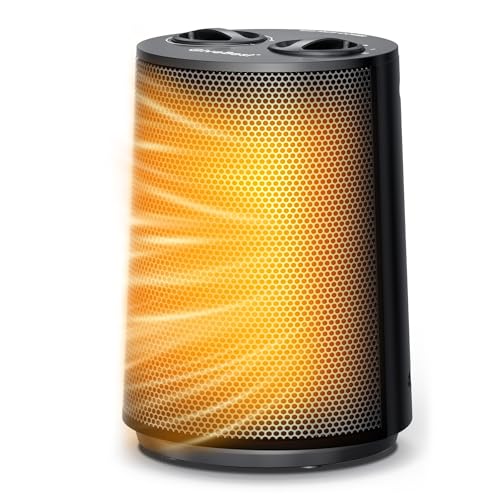
- BWP Score9.8
BWP Score is a ranking system developed by Bestwinterproducts.com. BWP score has no relationship or impact from any manufacturers or sales agent websites. Learn more
- BrandGiveBest

- BWP Score9.2
BWP Score is a ranking system developed by Bestwinterproducts.com. BWP score has no relationship or impact from any manufacturers or sales agent websites. Learn more
- BrandDREO
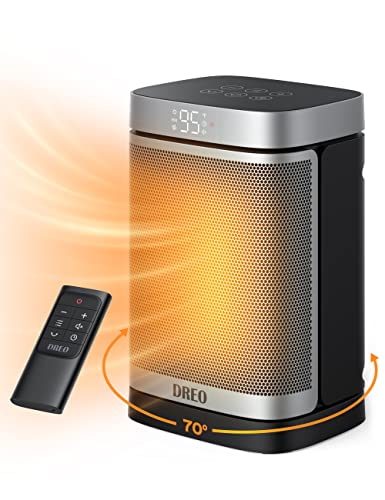
- BWP Score9.2
BWP Score is a ranking system developed by Bestwinterproducts.com. BWP score has no relationship or impact from any manufacturers or sales agent websites. Learn more
- BrandDREO

- BWP Score9.0
BWP Score is a ranking system developed by Bestwinterproducts.com. BWP score has no relationship or impact from any manufacturers or sales agent websites. Learn more
- BrandGaiatop

- BWP Score8.8
BWP Score is a ranking system developed by Bestwinterproducts.com. BWP score has no relationship or impact from any manufacturers or sales agent websites. Learn more
- BrandAmazon Basics

- BWP Score8.6
BWP Score is a ranking system developed by Bestwinterproducts.com. BWP score has no relationship or impact from any manufacturers or sales agent websites. Learn more
- BrandLasko

- BWP Score8.6
BWP Score is a ranking system developed by Bestwinterproducts.com. BWP score has no relationship or impact from any manufacturers or sales agent websites. Learn more
- BrandLerat

- BWP Score8.4
BWP Score is a ranking system developed by Bestwinterproducts.com. BWP score has no relationship or impact from any manufacturers or sales agent websites. Learn more
- BrandCoolfor

- BWP Score8.2
BWP Score is a ranking system developed by Bestwinterproducts.com. BWP score has no relationship or impact from any manufacturers or sales agent websites. Learn more
- BrandQQT
Last update on 2026-09-29 / Affiliate links / Images, Product Titles, and Product Highlights from Amazon Product Advertising API
Frequently Asked Questions
Does a ceramic heater warm an entire small room or just the area right in front of it?
A ceramic heater warms both your personal spot and the entire room as long as the door stays closed. The internal fan blows hot air outward, creating convection currents that steadily warm a 100 to 150 square foot space. You feel direct warmth right in front of the unit in seconds, followed by even room-wide warmth within ten to fifteen minutes.
Can I safely run a space heater overnight in a small bedroom?
You can run a space heater overnight if you choose the right design and follow basic precautions. An oil-filled radiator is the safest choice for sleeping because it has no exposed heating coils and runs silently without drying out the air. Always keep the unit at least three feet from your bed and confirm it has an automatic overheat shutoff and tip-over sensor.
Why does my space heater keep tripping the circuit breaker in my home office?
A space heater trips office breakers because running on high draws about 12.5 amps on a standard 15-amp household circuit. Operating a computer, multiple monitors, and room lights on that same circuit pushes the electrical draw past the breaker's safe limit. Switching your heater to a 750-watt or 900-watt low setting cuts the draw to around 6 or 7 amps, preventing tripped circuits.
How many watts do I need to heat a closed 100-square-foot room?
Under the standard rule of 10 watts per square foot, a closed 100-square-foot room needs about 1,000 watts of heating power for cold weather. A 1500-watt unit warms the room quickly, after which you can drop it to a lower setting to hold the temperature. For direct warmth at a desk, a 500-watt personal heater is often plenty.


Best Warm Winter Scarves 2026 For Cozy Comfort

Best Green Ski Goggles 2026 For Clear Vision On Slopes

12 Best Corner Electric Fireplace 2026: My Ultimate Guide To Pick One

Best Battery Powered Snow Blower 2026 For Effortless Snow Clearing

Best Ski Goggles Under 30 Inches For Crisp Vision And Comfort

Best Cooling Scarf 2026 For Instant Relief And Comfort

Fake Snow for Grass: Create a Realistic Winter Lawn Display

Dimplex Prism Wall Mount Fireplace: Sleek Heat With Modern Flame Style





