
What Type of Heater Works in an Uninsulated Garage?

Heating a drafty workspace does not have to be an endless struggle against the winter chill. An infrared radiant heater is the best choice for an uninsulated garage because it warms your body directly like sunlight instead of trying to heat air that escapes through loose doors and thin walls. Standard space heaters push warm air straight to the ceiling, leaving you shivering while the room stays cold.
The right option depends on how you use the space and what power you have on hand. Standing at a single workbench calls for direct radiant heat that runs safely on a standard household outlet. Moving around vehicles across the entire room may justify a heavy-duty ceiling blower, but that requires dedicated 240-volt wiring. Here is how each heater handles an uninsulated building so you can stay warm without wasting cash.
Why does heat disappear so fast in an uninsulated garage?
An uninsulated garage loses warmth almost as fast as a heater can produce it. Standard garages are built to keep out rain and wind, not to trap thermal energy. If your walls have bare wooden studs, your roof lacks batts of fiberglass, and your garage door is a thin sheet of uninsulated steel, you are essentially standing inside a giant metal tent.
The cold concrete floor is often the biggest culprit. A thick concrete slab acts like a massive thermal sponge that pulls heat downward out of the air and straight through the soles of your work boots. Even if a heater manages to warm the air near your waist, that cold floor continuously chills the lower boundary of the room.
Standard space heaters work by convection, which is the process of heating the air so it circulates through a room. But hot air is lighter than cold air, so it naturally rises. In an open-rafter garage, that warm air floats immediately to the ceiling peak. From there, it slips through small gaps between roof trusses, around drafty eaves, and through the unsealed edges of your overhead garage door.
Every time a cold gust blows outside, positive outdoor air pressure forces freezing air through leaky door seals along the driveway. This pushes whatever warm air you managed to generate straight out through high roof vents. Trying to warm that constantly escaping air with a small blower leaves you freezing while your electric meter spins endlessly. If you need advice on keeping drafts from ruining your space, looking into options to warm drafty spaces can help you spot where room heat typically escapes.
Should you choose radiant warmth or a fan-forced blower?
Choosing between radiant warmth and a fan-forced blower comes down to whether you want to warm your body or warm the room air. In an uninsulated garage, these two heater types deliver completely different results.
Radiant heaters, often called infrared heaters, produce gentle heat that warms people and objects directly like sunlight. Instead of heating the air, radiant heaters emit invisible light waves that travel unimpeded until they hit your coat, your hands, your wooden workbench, and your tools. The surfaces absorb the energy and become warm to the touch. Because infrared energy does not rely on warm air currents, moving drafts cannot blow the heat away from you. You feel warm within seconds of flipping the switch, even while the ambient air temperature across the garage stays near freezing.
Fan-forced heaters use an internal fan that pushes warm air across the room after drawing it across an electric heating coil. In a tightly sealed, insulated room, this creates comfortable, even warmth from wall to wall. In an uninsulated garage, however, a fan heater faces an uphill battle. The warm air it blows into the room quickly dissipates against freezing walls and cold concrete. In fact, if the garage is extremely cold, standing directly in front of a weak blower can feel drafty, because the rushing air evaporates moisture from your skin before the air itself has reached a comfortable temperature.
If your garage time is spent standing at a single workbench fixing equipment or building small projects, a radiant heater aimed directly at your work area is almost always the superior choice. If you spend hours walking back and forth between multiple work stations or under vehicle lifts, a very powerful fan-forced unit might be necessary, but only if you have the electrical capacity to run a massive heating element.
Can your standard garage wall outlet handle the electrical load?
Before buying any heating unit, you must check the electrical power available in your garage. Standard plug-in space heaters run into hard limits set by standard American household wiring.
A typical garage wall outlet runs on 120 volts and connects to a 15-amp or 20-amp circuit breaker, which is the safety switch that cuts power if overloaded. By electrical code, a continuous load like a heater should not exceed 80 percent of the circuit capacity. On a 15-amp circuit, that safe continuous threshold is 1,440 watts. That is why almost every portable electric space heater sold in the United States maxes out at 1,500 watts on its high heat setting.
A 1,500-watt heater produces roughly 5,120 British Thermal Units (BTU) of heat. While 5,120 BTU can comfortably heat an insulated 150-square-foot bedroom, it is rarely enough to warm an entire uninsulated two-car garage during the depths of winter. Additionally, garage wall outlets often share a single electrical line with your garage door opener, overhead lighting, battery chargers, and perhaps an extra refrigerator. If your 1,500-watt heater runs on high and the refrigerator compressor kicks on, the circuit breaker will click off, cutting your power instantly.
To produce enough heat to push back against freezing air across an entire shop, you usually need a 240-volt unit. These heaters run on the same heavy electrical current used by clothes dryers and central air conditioning units. A 240-volt heater that draws 7,500 to 10,000 watts can output between 25,000 and 34,000 BTU, which is enough to heat an uninsulated multi-car space. However, these units cannot use a normal wall plug. They are hardwired, meaning they are wired directly to your electrical box without a standard plug, and require heavy-gauge copper wiring on a dedicated 40-amp or 50-amp circuit. If you are exploring this route, reviewing a dedicated electric heater for a garage with a thermostat will help you understand what continuous temperature management requires.
How do you keep a garage heater safe around clutter?
Garages and workshops present fire hazards that do not exist inside your living room. Dust, flammable liquids, and tight storage make heater safety your top operational concern.
Always maintain the 3-foot safety buffer. Keep the front, sides, and back of your heater at least 3 feet (36 inches) away from cardboard boxes, plastic tarps, stacks of lumber, paint containers, and cleaning rags. If your garage is crowded, a ceiling-mounted or high wall-mounted heater is far safer than a portable unit that rests on the floor where clutter can lean against it.
Sawdust and grinding debris present a serious ignition hazard. If you do woodworking, fine airborne dust gets sucked into heater grilles and settles onto hot elements. When the element reaches high temperatures, that settled dust can smolder, scorch, or spark. Look for heating elements built with enclosed ceramic blocks or quartz tubes rather than open glowing wires, and use compressed air to blow accumulated dust off the heating unit regularly when it is turned off and cool.
Chemical vapors create an invisible risk. Gasoline fumes from lawn mowers, paint thinners, and aerosol brake cleaners are heavier than air. They pool along the concrete floor. If you place a portable electric heater on the floor near stored fuel cans, the internal heating coil or a spark from the thermostat switch can ignite those low-lying vapors. Always store volatile chemicals in sealed, safety-rated cans or move them to an outside shed, and keep floor heaters elevated if you frequently work with solvents.
Power cords require strict caution. Never run a high-draw garage heater through a standard household extension cord or an outlet strip. Thin extension cords overheat quickly under a continuous 12.5-amp load, which can soften the vinyl insulation and spark a structure fire. Plug the heater directly into a grounded, 3-prong wall outlet. If the plug prongs feel unusually hot to the touch after running for twenty minutes, shut the unit off immediately, unplug it, and have a qualified electrician inspect your wall outlet for loose connections.
Which heater setup fits the way you use your space?
To stay warm without wasting money on electricity, pick a heater setup tailored to your specific garage work habits.
- The single-bench crafter: If you spend most of your time at one workbench assembling parts, tying flies, or running a drill press, choose a ceiling-mounted radiant quartz heater. Hang it directly above or slightly in front of your bench, angled down at your upper body. It takes up zero floor space, stays out of the way of sawdust piles, and keeps your fingers nimble without trying to warm hundreds of cubic feet of empty air.
- The mobile mechanic: If you work on cars, rolling from the front bumper to the rear axle and lying on a creeper, look for a rugged portable ceramic utility heater with a tubular steel frame. Choose one with an adjustable tilt head so you can direct the heat under the vehicle chassis where you are working, along with a tip-over safety switch that cuts power instantly if you bump the unit with a tire or jack handle.
- The multi-bay workshop owner: If you regularly use the entire garage space for big projects, have multiple people working, or need to prevent paints and adhesives from freezing, spot heating will not be enough. Plan for a 240-volt hardwired fan-forced ceiling heater that mounts high on the joists and pushes heavy airflow downward through directional louvers.
Before finalizing your choice, inspect your garage layout and verify the mounting hardware included in the package. Check that the unit carries a recognized US safety listing mark, such as UL or ETL, on its label. Look for multiple heat settings, such as a low 750-watt mode and a high 1,500-watt mode, which let you match the heat output to milder spring and autumn days without drawing full electrical power.

- BWP Score9.2
BWP Score is a ranking system developed by Bestwinterproducts.com. BWP score has no relationship or impact from any manufacturers or sales agent websites. Learn more
- BrandPOOPLE

- BWP Score9.0
BWP Score is a ranking system developed by Bestwinterproducts.com. BWP score has no relationship or impact from any manufacturers or sales agent websites. Learn more
- Brandshinic

- BWP Score8.8
BWP Score is a ranking system developed by Bestwinterproducts.com. BWP score has no relationship or impact from any manufacturers or sales agent websites. Learn more
- BrandGiveBest

- BWP Score8.8
BWP Score is a ranking system developed by Bestwinterproducts.com. BWP score has no relationship or impact from any manufacturers or sales agent websites. Learn more
- BrandVEVOR

- BWP Score8.6
BWP Score is a ranking system developed by Bestwinterproducts.com. BWP score has no relationship or impact from any manufacturers or sales agent websites. Learn more
- BrandCOMFORT ZONE

- BWP Score8.6
BWP Score is a ranking system developed by Bestwinterproducts.com. BWP score has no relationship or impact from any manufacturers or sales agent websites. Learn more
- BrandDR. INFRARED HEATER

- BWP Score8.4
BWP Score is a ranking system developed by Bestwinterproducts.com. BWP score has no relationship or impact from any manufacturers or sales agent websites. Learn more
- BrandTEMPWARE
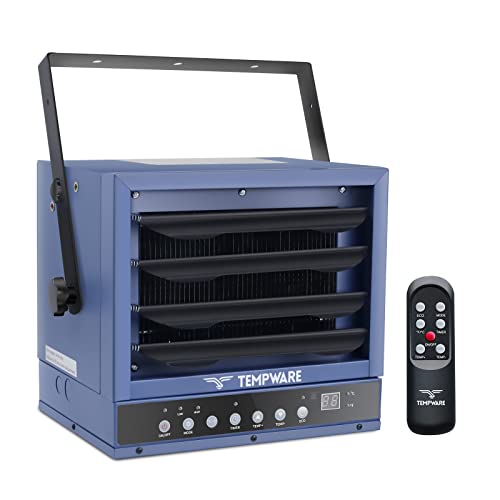
- BWP Score8.4
BWP Score is a ranking system developed by Bestwinterproducts.com. BWP score has no relationship or impact from any manufacturers or sales agent websites. Learn more
- BrandTEMPWARE

- BWP Score8.2
BWP Score is a ranking system developed by Bestwinterproducts.com. BWP score has no relationship or impact from any manufacturers or sales agent websites. Learn more
- Brandshinic

- BWP Score8.2
BWP Score is a ranking system developed by Bestwinterproducts.com. BWP score has no relationship or impact from any manufacturers or sales agent websites. Learn more
- BrandBEYOND HEAT
Last update on 2026-09-29 / Affiliate links / Images, Product Titles, and Product Highlights from Amazon Product Advertising API
FAQs
Can you leave a garage heater running unattended overnight?
No, you should never leave a portable garage heater running unattended or while you sleep. Garages contain too many shifting hazards, from accidental drafts blowing paper toward the heating element to pets knocking units out of position. Turn the heater off and unplug it whenever you pack up your tools and step back into the house.
Will adding simple weatherstripping make a noticeable heating difference?
Yes, sealing obvious air leaks delivers an immediate improvement even if your wall cavities have no insulation. Replacing a cracked rubber bottom seal on your garage door and taping foam weatherstripping along the sides prevents freezing wind from sweeping across the floor. This draft control allows radiant heat to settle on surfaces much more comfortably.
Why do portable propane and kerosene heaters create so much moisture?
Burning any hydrocarbon fuel like propane or kerosene produces water vapor and carbon dioxide as natural byproducts of combustion. In an uninsulated, unvented garage, that moisture condenses rapidly on freezing concrete floors, metal toolboxes, and table saw tops, causing heavy rust. Electric heaters produce clean, completely dry heat that keeps your tools safe from corrosion.
How many watts do you need for a cold garage workbench?
A standard 1,500-watt radiant heater mounted between three and five feet from your workbench provides ample direct warmth for your hands and torso. Because radiant heat warms your body rather than the drafty air volume, 1,500 watts of focused infrared energy feels significantly warmer than a 1,500-watt air blower in the same cold building.


Best Warm Winter Scarves 2026 For Cozy Comfort

Best Green Ski Goggles 2026 For Clear Vision On Slopes

12 Best Corner Electric Fireplace 2026: My Ultimate Guide To Pick One

Best Battery Powered Snow Blower 2026 For Effortless Snow Clearing

Best Ski Goggles Under 30 Inches For Crisp Vision And Comfort

Best Cooling Scarf 2026 For Instant Relief And Comfort

Fake Snow for Grass: Create a Realistic Winter Lawn Display

Dimplex Prism Wall Mount Fireplace: Sleek Heat With Modern Flame Style





