
Which Type of Indoor Heater Is Right for Your Room?

Most people assume that one specific heater style works best for every home. In reality, ceramic fan heaters are best for quick, direct warmth in small spots, while convection panel or oil units are best for silent, whole-room heat. Blowing hot air directly across your feet requires a completely different mechanism than gently circulating warmth through a closed bedroom.
Your ideal match depends on where you sit, your noise tolerance, and how long you run the unit. A gentle fan hum might be fine while working at a desk, but sleeping through the night usually demands absolute silence. Daily schedule matters just as much, since taking the chill off during a quick morning routine is very different from warming a space for hours without tripping a circuit breaker. Here is how each option works so you can pick the right design for your space.
Your Room Type Determines Which Heater Works Best
Sitting in a freezing room while your furnace runs up an expensive utility bill is frustrating. Many people grab whatever space heater is on sale, bring it home, and find out it rattles loudly, blows dry air into their face, or leaves the far corner of the room cold. These heating problems usually happen because the heater mechanism does not match how you actually use that space.
Every indoor heater warms a room in one of three ways: blowing heated air with a fan, circulating warm air silently upward using natural airflow, or beaming warmth straight at your body like sunshine. If you sit at a desk for two hours, you need a different heat style than someone sleeping through a cold night in a bedroom. Room size, run time, and noise tolerance all point toward a specific design.
Room dimensions matter just as much as heater style. In typical homes with standard eight-foot ceilings, you need roughly 10 watts of heating power for every square foot of living space. A standard 1,500-watt electric heater reliably warms a closed room up to 150 square feet, which matches an average 10-foot by 15-foot bedroom. In a 400-square-foot living room, that same heater cannot warm the whole space by itself. Instead, it provides supplemental zone warmth around your couch while your central thermostat stays set lower.
Ceramic Fan Heaters Warm Small Spaces Almost Instantly
A ceramic fan heater uses a ceramic heating element that warms up in seconds, combined with an internal fan that pushes warm air across the room. Electricity passes through small ceramic plates, which heat up almost immediately and transfer warmth into passing air. Because the built-in blower moves that hot air forcefully outward, you feel a warm breeze within two to three seconds of turning the unit on.
This rapid delivery makes ceramic fan models the most practical pick for small personal zones. If you walk into a cold home office in the morning, you want immediate warmth around your chair without waiting thirty minutes for the walls and furniture to warm up. Models with side-to-side oscillation distribute that warm air across a wider path instead of baking one narrow spot. Compact tabletop units, measuring 10 to 15 inches tall and weighing only 3 to 4 pounds, tuck neatly under desks or sit on sturdy tables without crowding the floor.
Ceramic fan heaters have a few clear trade-offs. The internal blower creates a steady whirring sound, similar to a small desk fan. While some people enjoy that gentle white noise, light sleepers often find it distracting in a quiet bedroom. Fan-blown heat can also feel dry on your eyes and skin over long sessions. Once you switch the power off, the room cools down quickly because air loses heat fast without active circulation. For fast warmth in short 30-minute to two-hour bursts, a ceramic fan heater is ideal.
Convection Panel Heaters Deliver Silent Warmth for Bedrooms
A convection panel heater warms your room through natural air circulation where warm air rises. Cold air near the floor enters the bottom of the heater housing, flows silently across an internal heating element, and rises gently out of top vents into the room. This process creates a continuous, natural rolling loop of warm air without relying on an electric blower fan.
Because convection panel units and oil-filled radiator heaters have no moving fan blades, they run in total silence. You will only hear the soft click of the digital temperature dial that clicks on and off to hold your set warmth. This dead-silent operation makes natural convection the best choice for bedrooms, nurseries, and study spaces where fan noise disrupts sleep or focus. Because these heaters do not blow air aggressively, they do not stir up pet hair or dust from carpets, and they do not dry out your throat overnight.
The main trade-off with convection heat is speed. While a ceramic fan heater gives you warm air in seconds, a convection panel heater generally takes 15 to 30 minutes to create noticeable, even warmth throughout a closed room. Once the space reaches your desired temperature, the warmth feels steady and even from floor to ceiling. Many slim convection panels can sit on floor feet or mount directly to a bedroom wall, keeping walkways clear and keeping the heating surface away from toddlers and pets.
Infrared Radiant Heaters Beat Drafts by Warming You Directly
An infrared heater delivers gentle heat that warms people and furniture directly like sunlight, without needing to heat the surrounding volume of air first. When you step outside on a cold sunny morning, the air might feel chilly, but the sun on your jacket feels warm. Radiant infrared heaters work on that exact principle, sending out heat waves that transfer thermal energy straight to your body, your clothes, and your chair.
This direct heat transfer makes radiant heaters the smartest solution for drafty rooms, older homes with loose window seals, and rooms with high ceilings. In a drafty space, heated air generated by a fan or convection heater quickly escapes through leaks or rises to the ceiling where nobody feels it. Radiant heat bypasses that problem because it does not depend on moving air. If you need a reliable heater to warm drafty spaces like a sunroom or screened porch, infrared heating delivers personal comfort where regular air heaters struggle.
Radiant heaters do not necessarily use less electricity on their high setting, since standard models still draw up to 1,500 watts. But they feel more efficient in daily use because you do not have to heat hundreds of cubic feet of cold air before feeling comfortable. You can aim the heater directly at your chair, run the unit on a lower 750-watt or 900-watt heat setting, and stay warm while unused room corners stay cool. The main limitation is directional coverage: if you walk out of the heat beam, you will feel the chilly room air immediately.
Dedicated Wall Outlets Prevent Overloaded Breakers and Tripped Circuits
Nothing is more annoying than settling down on a cold evening only to have your room go dark because your heater tripped the breaker. In American homes, standard household circuits run at 120 volts and are protected by 15-amp or 20-amp safety switches in your electrical panel. A portable heater running on High draws 1,500 watts, which translates to roughly 12.5 amps of continuous electrical current.
On a standard 15-amp circuit, a 1,500-watt heater uses over 80 percent of the total safe electrical capacity by itself. If that same circuit also powers a desktop computer, a television, or a floor lamp, the total draw quickly exceeds 15 amps. That causes the circuit breaker (a safety switch that cuts power during overloads) to snap open and cut power to the room. To prevent frequent trips, follow this electrical checklist:
- Plug your space heater directly into a dedicated wall outlet that does not share heavy power loads with other appliances.
- Avoid running high-draw appliances like hair dryers, microwaves, or electric kettles on the same room circuit while your heater is running.
- Use the heater on its Low power level (such as 750 watts or 900 watts) or Eco mode once the chill leaves the room, dropping current draw to around 6 to 8 amps.
- Never plug a space heater into an extension cord, power strip, or surge protector. These secondary cords are rarely built to handle 12.5 amps of continuous heating current, and they can overheat, melt, and spark a house fire.
Inspect your wall outlet after running your heater on High for twenty minutes. Place your hand flat against the outlet faceplate and the heater power plug. If the plug or wall plate feels hot to the touch, smells like warm plastic, or shows scorch marks on the outlet slots, turn the heater off and unplug it immediately. An overheated outlet points to loose wiring behind the wall or a worn socket that no longer grips plug prongs securely. Call a licensed electrician to inspect and replace the outlet before using a heater again.
Clearance and Auto Shutoff Keep Your Home Completely Safe
Space heaters keep you comfortable, but heating equipment remains a leading cause of home fires during winter. Safe operation always starts with space and positioning. Give your heater a strict 3-foot safety buffer on every side. Keep the front grille, air intake, and sides at least 36 inches away from blankets, curtains, upholstered couches, papers, and pet beds.
Every reliable indoor heater must carry verified safety features built right into the body. Look for recognized safety certification marks on the product label, such as UL (Underwriters Laboratories), ETL (Intertek), or CSA (Canadian Standards Association). These marks confirm that the heater design meets strict electrical and fire safety standards. You should also confirm two built-in protections:
- A tip-over safety switch that cuts power instantly if the unit is knocked over or tilted by a running dog, cat, or child.
- An automatic overheat sensor that shuts the unit off if internal parts get dangerously hot from a blocked intake grille or fallen blanket.
If you run a heater in a workshop or detached workspace, choose a grounded three-prong plug and rugged housing, such as an electric heater for a garage with a thermostat that handles cold concrete floors safely. For bedrooms, never place a high-heat fan heater directly next to your bed. Pick a quiet convection panel or radiator placed on a flat, level floor away from doors and foot traffic. Set the built-in auto-off timer for four to eight hours so the unit switches off after you fall asleep, keeping you safe and saving electricity.
Choose the Right Design and Features for Your Daily Routine
Matching the right indoor heater to your home comes down to your daily habits and physical room layout. Before making a final decision, measure your room dimensions so you know your total square footage. For a drafty reading chair or a home office desk where you sit for an hour or two, a compact ceramic fan heater or radiant dish gives you fast, focused heat right where you need it without wasting energy on empty corners.
For bedrooms, nurseries, and quiet living spaces where you spend hours resting, choose a natural convection panel or oil-filled heater that warms the air without any blower noise or dry drafts. Look for convenient features that fit your everyday schedule, such as a programmable shutoff timer, a digital thermostat dial that maintains an exact room temperature, and wide-angle oscillation if you need to share warm air across a seating area. Checking these simple room and feature requirements ensures your home stays warm, quiet, and completely safe all winter long.
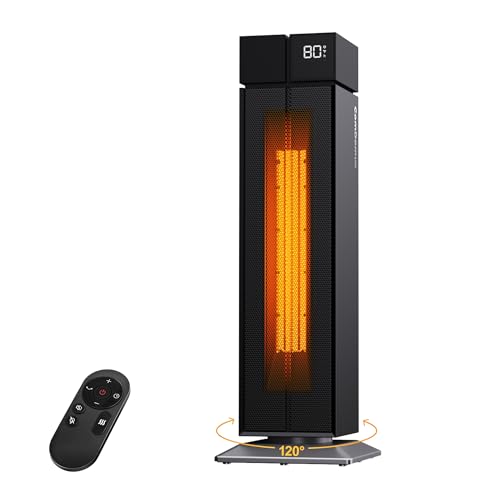
- BWP Score9.6
BWP Score is a ranking system developed by Bestwinterproducts.com. BWP score has no relationship or impact from any manufacturers or sales agent websites. Learn more
- BrandComDomus
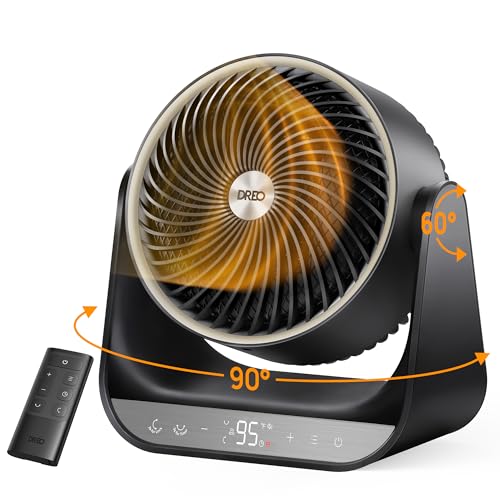
- BWP Score9.6
BWP Score is a ranking system developed by Bestwinterproducts.com. BWP score has no relationship or impact from any manufacturers or sales agent websites. Learn more
- BrandDREO

- BWP Score9.2
BWP Score is a ranking system developed by Bestwinterproducts.com. BWP score has no relationship or impact from any manufacturers or sales agent websites. Learn more
- BrandDREO

- BWP Score9.2
BWP Score is a ranking system developed by Bestwinterproducts.com. BWP score has no relationship or impact from any manufacturers or sales agent websites. Learn more
- BrandDREO

- BWP Score9.2
BWP Score is a ranking system developed by Bestwinterproducts.com. BWP score has no relationship or impact from any manufacturers or sales agent websites. Learn more
- BrandDREO
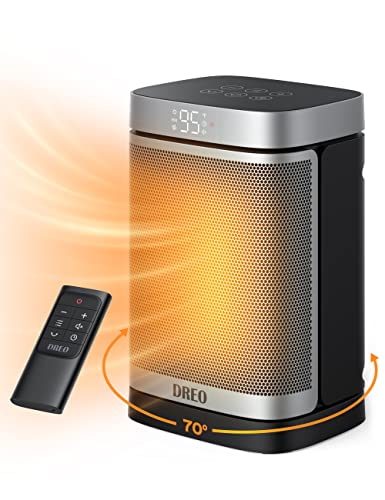
- BWP Score9.2
BWP Score is a ranking system developed by Bestwinterproducts.com. BWP score has no relationship or impact from any manufacturers or sales agent websites. Learn more
- BrandDREO

- BWP Score9.0
BWP Score is a ranking system developed by Bestwinterproducts.com. BWP score has no relationship or impact from any manufacturers or sales agent websites. Learn more
- BrandBallu

- BWP Score8.6
BWP Score is a ranking system developed by Bestwinterproducts.com. BWP score has no relationship or impact from any manufacturers or sales agent websites. Learn more
- BrandLasko
Last update on 2026-09-30 / Affiliate links / Images, Product Titles, and Product Highlights from Amazon Product Advertising API


Best Warm Winter Scarves 2026 For Cozy Comfort

Best Green Ski Goggles 2026 For Clear Vision On Slopes

12 Best Corner Electric Fireplace 2026: My Ultimate Guide To Pick One

Best Battery Powered Snow Blower 2026 For Effortless Snow Clearing

Best Ski Goggles Under 30 Inches For Crisp Vision And Comfort

Best Cooling Scarf 2026 For Instant Relief And Comfort

Fake Snow for Grass: Create a Realistic Winter Lawn Display

Dimplex Prism Wall Mount Fireplace: Sleek Heat With Modern Flame Style





