
Which Indoor Space Heater Type Fits Your Room?

Morning frost clings to the bedroom window while cold floorboards make stepping out from under the covers miserable. For fast, focused warmth right where someone sits or sleeps, a ceramic fan heater is the most practical choice, while an oil-filled radiator works best for steady, silent warmth that fills an entire room.
The right match depends on how quickly heat is needed, how much background fan noise is tolerable, and who shares the living space. Quick desk sessions call for immediate warm airflow, but an undisturbed night of rest benefits from gentle, lingering heat that never buzzes. Household safety matters just as much, especially with curious pets or small children near hot surfaces. Here is how each heater style behaves so picking the right one is simple and safe.
Match your heater style directly to your room routine
Every indoor space heater turns electricity into warmth, but different models move that heat in completely different ways. Picking the right unit comes down to how you live in your space. If you sit at a desk for eight hours, you need focused heat on your body. If you want a chilly bedroom comfortable by bedtime, you need a heater that fills the entire room.
Most residential space heaters belong to three main categories: ceramic fan heaters, oil-filled radiators, and infrared heaters. Ceramic units blow hot air right where you aim them. Oil-filled radiators warm the surrounding air slowly and circulate it silently. Infrared heaters skip the air entirely and warm people and objects directly.
In standard American homes, sizing is straightforward: plan for about 10 watts of heating power per square foot of floor space. A standard 1500-watt heater warms a closed 150-square-foot bedroom with standard ceilings. In an open living room, that same 1500-watt heater serves as supplemental spot heating to keep your seating area cozy.
Choose ceramic fan heaters for fast, focused personal heat
Ceramic heaters are the most popular choice for quick comfort. Inside the cabinet sits a ceramic heating element that warms up in seconds once you switch it on. A built-in fan that pushes warm air across the room blows that heat straight outward, raising the temperature in your personal zone almost immediately.
This design fits home offices, drafty desk setups, and morning routines. When cold floors leave your feet freezing while you work, placing a small ceramic heater under your desk solves the problem right away. Many compact tower heaters oscillate across a 70-degree arc, spreading warmth across a wider seating area.
Portability is the main benefit here. Most ceramic heaters weigh between two and six pounds, with built-in handles that make moving them from room to room effortless. Their plastic outer shells also stay relatively cool to the touch, which helps prevent accidental burns.
The main drawback is noise and heat loss. The blower fan creates a steady hum that can disturb light sleepers. Because ceramic heaters warm the air directly, that heat vanishes rapidly once you turn the power off. The moving air can also dry out your eyes and skin over long sessions.
Pick an oil-filled radiator for silent, steady bedroom comfort
An oil-filled radiator is the gold standard for bedrooms and peaceful living spaces. These units resemble classic cast-iron radiators, but they are fully portable and plug into regular wall outlets. The sealed steel fins contain a specialized thermal oil that never needs refilling or maintenance.
An internal electric element heats the fluid, which warms the exterior metal fins. This silent radiator heater circulates steady, lasting warmth through natural convection as cool floor air warms up and rises naturally. Because there is no blower motor, the unit operates in complete silence, aside from an occasional thermostat click.
Radiators will not kick up dust, pet hair, or pollen, which makes them a relief for allergy sufferers. The hot oil also acts as a thermal battery. Long after the unit clicks off, the metal fins continue gently warming your room, smoothing out room temperature swings throughout the night.
The trade-offs are warmup time, weight, and surface heat. A radiator needs 20 to 30 minutes to warm up, so it will not help if you need instant warmth. Radiators are also heavy, often weighing 15 to 20 pounds, and their metal fins become hot enough to require caution around pets and toddlers.
Turn to infrared heaters for instant warmth in drafty spots
Infrared heaters do not try to warm the air volume of a room. Instead, an infrared element produces gentle heat that warms people and furniture directly like sunlight. When you sit in front of one, your skin and clothes absorb the heat immediately, even if the surrounding air stays cool.
This approach shines in drafty areas where warm air normally escapes. In open living spaces with high ceilings, uninsulated basements, or breezy dens, standard fan heaters waste electricity because warm air rises to the ceiling or leaks outdoors. Infrared warmth stays focused on you regardless of air leaks.
If you regularly deal with cold drafts in semi-outdoor areas, review our advice on finding the right heater to warm drafty spaces. For cold workshops with concrete slabs, selecting a dedicated electric heater for steady warmth will keep your hands and tools comfortable through winter work.
The catch with infrared is line-of-sight heating. You only feel warm while sitting directly in the beam. Step out of the path, or put a table between yourself and the heater, and the warmth disappears. They cannot warm a whole room for multiple people scattered around.
Follow non-negotiable safety rules before plugging in
Portable heaters draw substantial power, so safe habits are essential to protect your home. Follow these clear rules every time you set up a heater:
- Plug directly into a dedicated wall outlet: A 1500-watt heater draws about 12.5 amps on a standard 120-volt household circuit, leaving very little room on a standard 15-amp breaker. Never plug a heater into an extension cord, power strip, or surge protector. Those cords can easily overheat, melt, and start a fire.
- Keep a 3-foot safety buffer: Maintain at least 3 feet (36 inches) of empty space around the heater. Keep bedding, curtains, clothing, upholstered furniture, papers, and pet beds well outside this perimeter.
- Place on a flat, hard surface: Set the unit on level flooring. Avoid thick rugs, tables, or beds where the heater could tip or block airflow.
- Verify shutoff features: Look for an automatic overheat sensor that shuts the unit off if internal parts get dangerously hot. Also insist on a tip-over safety switch that cuts power instantly if the unit is knocked over or tilted.
- Confirm safety listings: Check the label on the unit for independent certification marks such as UL, ETL, or CSA.
If the wall outlet faceplate or plug ever feels hot, unplug the unit immediately. Stop using that receptacle and have a licensed electrician inspect the circuit.
Practice smart heating habits to keep your power bills low
Electric space heaters do not have to drive up your electric bill. Used thoughtfully, they can save money by letting you lower your central heating. Use these five simple steps:
- Zone heat your living space: Turn your central thermostat down by 5 to 8 degrees Fahrenheit. Use a portable heater only in the room you are currently using, avoiding the cost of heating empty rooms all day.
- Shift to low power once comfortable: Start on high heat (1500W) to break the morning chill, then switch down to a low heat setting like 750W or 900W. This maintains comfort while cutting electricity use nearly in half.
- Shut doors and stop drafts: Trap your heat by closing the room door. Block cold drafts under exterior doors with a draft stopper, and draw curtains over windows to keep cold glass from cooling the room air.
- Use the thermostat dial: Set a digital temperature dial that clicks on and off to hold your set warmth. Letting the heater cycle off automatically when the room reaches temperature saves substantial power.
- Set a shutoff timer: If your heater has an automatic timer, set it for two or three hours when going to bed or starting work so the heater never runs in an empty room.
Look for safety certifications and simple controls before you buy
When shopping for a portable heater, prioritize build quality and safety over gimmicks. Look for a stable, wide base that will not wobble if bumped by a pet. Choose models built with fire-resistant plastics and cool-touch cabinets so you can adjust or relocate the heater safely while it is running.
Controls should be straightforward. Simple buttons or rotary dials that clearly show heat settings and fan modes are easier to use and less prone to glitches than complex touchscreens. Sturdy built-in carry handles make moving the unit between rooms simple. Above all, check the product label or specifications to ensure it carries a recognized UL, ETL, or CSA safety certification mark.

- BWP Score10.0
BWP Score is a ranking system developed by Bestwinterproducts.com. BWP score has no relationship or impact from any manufacturers or sales agent websites. Learn more
- BrandFLOWBREEZE

- BWP Score9.8
BWP Score is a ranking system developed by Bestwinterproducts.com. BWP score has no relationship or impact from any manufacturers or sales agent websites. Learn more
- BrandDUOMIY
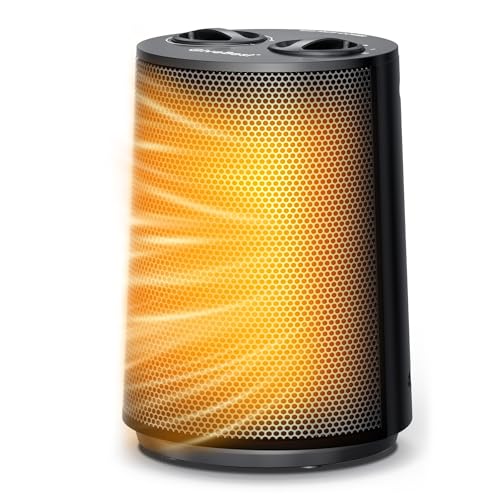
- BWP Score9.8
BWP Score is a ranking system developed by Bestwinterproducts.com. BWP score has no relationship or impact from any manufacturers or sales agent websites. Learn more
- BrandGiveBest
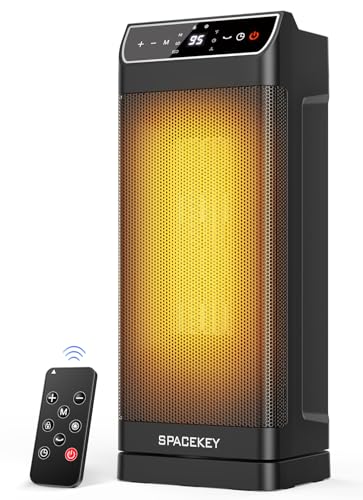
- BWP Score9.6
BWP Score is a ranking system developed by Bestwinterproducts.com. BWP score has no relationship or impact from any manufacturers or sales agent websites. Learn more
- BrandSpacekey
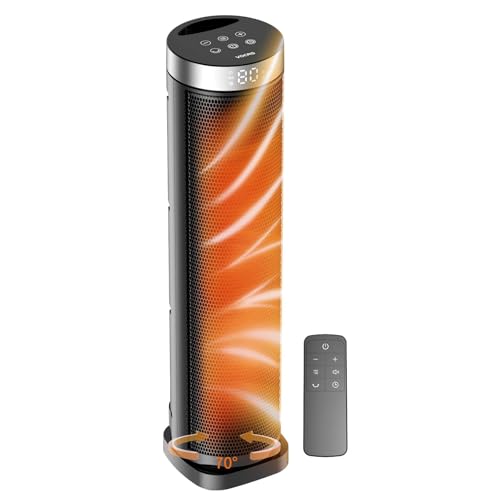
- BWP Score9.6
BWP Score is a ranking system developed by Bestwinterproducts.com. BWP score has no relationship or impact from any manufacturers or sales agent websites. Learn more
- BrandVOCRS

- BWP Score9.2
BWP Score is a ranking system developed by Bestwinterproducts.com. BWP score has no relationship or impact from any manufacturers or sales agent websites. Learn more
- BrandDREO

- BWP Score9.2
BWP Score is a ranking system developed by Bestwinterproducts.com. BWP score has no relationship or impact from any manufacturers or sales agent websites. Learn more
- BrandDREO

- BWP Score8.8
BWP Score is a ranking system developed by Bestwinterproducts.com. BWP score has no relationship or impact from any manufacturers or sales agent websites. Learn more
- BrandAmazon Basics
Last update on 2026-09-30 / Affiliate links / Images, Product Titles, and Product Highlights from Amazon Product Advertising API
FAQs
What heater type uses the least electricity?
All electric space heaters convert electrical power into heat at nearly 100 percent efficiency, so any 1500-watt heater uses the same energy on high. Infrared heaters and small personal ceramic models often cost less to run because they warm your body directly, allowing you to use a low 400-watt to 900-watt heat setting. Using a digital temperature dial that clicks on and off to hold your set warmth also prevents wasting power.
Can I safely run a space heater overnight while sleeping?
You can run an electric heater overnight safely if it is the right type and properly positioned. An oil-filled radiator is the best overnight choice because it has no open heating elements, does not blow dry air, and operates silently. Always plug it directly into a wall outlet, keep a 3-foot clearance from blankets and curtains, and confirm it has working overheat and tip-over shutoffs.
Will a 1500-watt heater trip my room circuit breaker?
A 1500-watt heater will trip a breaker if shared with other power-heavy appliances. On a standard 120-volt household circuit, 1500 watts pulls about 12.5 amps, which leaves only 2.5 amps of headroom on a common 15-amp bedroom circuit. Running a computer, television, or hair dryer on that same circuit will trip the breaker. Switch the heater to low heat (around 750W to 900W) or move other electronics to another circuit.
Which heater type is safest around pets and small children?
Ceramic tower heaters with cool-touch exterior housings and narrow grilles are generally safest around kids and pets. Their outer plastic shells stay warm rather than scalding, lowering the risk of contact burns compared to hot metal radiator fins. Make sure any heater in a home with pets or children features a responsive tip-over safety switch that cuts power instantly if the unit is knocked over.


Best Warm Winter Scarves 2026 For Cozy Comfort

Best Green Ski Goggles 2026 For Clear Vision On Slopes

12 Best Corner Electric Fireplace 2026: My Ultimate Guide To Pick One

Best Battery Powered Snow Blower 2026 For Effortless Snow Clearing

Best Ski Goggles Under 30 Inches For Crisp Vision And Comfort

Best Cooling Scarf 2026 For Instant Relief And Comfort

Fake Snow for Grass: Create a Realistic Winter Lawn Display

Dimplex Prism Wall Mount Fireplace: Sleek Heat With Modern Flame Style





