
Which Type of Outdoor Heater Fits Your Porch or Patio?

Electric infrared heaters suit most spaces best. They cast radiant warmth straight onto your skin like sunshine on a crisp afternoon, so sudden breezes cannot blow the heat away. For wide-open lawns without any roof overhead, tall propane umbrella towers take the lead by throwing a broad circle of intense warmth across a large gathering.
The right choice comes down to your roofline, local breezes, and everyday convenience. Fuel burners need plenty of open sky to let fumes drift away safely, while electric fixtures mount securely under porch ceilings or pergolas. Drafty decks also demand steady radiant heat rather than warm air that blows away with the wind. You also have to weigh plugging into a standard outdoor outlet against hauling heavy gas tanks home from the store. Here is how to match the right heater design to your exact layout.
Open Yards Versus Covered Porches: Matching Heaters to Your Roofline
The roof over your head is the single most important detail when choosing an outdoor heater. Fuel-burning heaters and electric heaters release heat in completely different ways, and placing the wrong design under a ceiling creates a serious fire and fume hazard. Before looking at heating power or style, look straight up at your outdoor space.
Tall propane umbrella heaters need completely open sky or very high, open-air rafters. These freestanding towers burn liquid propane to create real flames inside a metal emitter screen. That combustion process sends intense heat and exhaust gases straight upward toward the metal reflector hood. If that hood sits too close to a wood ceiling, vinyl porch soffit, or canvas awning, the rising heat can melt, scorch, or ignite the material. Gas heaters also produce carbon monoxide, an invisible and odorless gas that must escape freely into the open atmosphere. For these reasons, standard tall propane towers belong in open backyards, unroofed stone patios, and open-air decks.
Covered porches, screened gazebos, and pergolas require electric infrared heating. Electric heaters do not burn fuel, produce zero combustion fumes, and release no carbon monoxide. Instead of sending a massive plume of hot exhaust upward, an electric infrared unit directs its warmth downward toward your seating area. Many electric models mount directly to exterior wall studs, porch ceiling beams, or pergola posts using heat-shielded brackets. If your patio is enclosed with walls or glass windows rather than open railings, you should look into a heater for an enclosed porch, where safe electric operation is mandatory to keep indoor air clean.
Beating the Breeze: Why Direct Radiant Heat Works While Warm Air Blows Away
Many homeowners make the mistake of carrying a standard indoor space heater out onto a cold patio. Most indoor electric heaters rely on convection, which means they warm up the air molecules inside a closed room. When a fan blows that heated air into an open yard, even a light five-mile-per-hour breeze whisks the warm air away instantly. You end up shivering while the unit runs at full blast, wasting electricity to warm the outdoor breeze.
Outdoor comfort requires radiant warmth, specifically infrared heat (gentle radiant warmth that warms your skin and clothes directly like sunlight, without trying to heat the open air). Think about standing outside on a crisp spring morning. When the sun steps out from behind a cloud, your face feels instantly warm even though the surrounding air temperature has not changed. Infrared heaters work on this exact principle. They emit invisible light waves that travel through drafts, wind, and open space. When those waves hit a solid object, such as your body, your patio chair, or a thick blanket, they instantly turn into soothing heat.
Tall propane patio heaters also supply radiant warmth, but they do it by heating a metal emitter dome until it glows cherry red. That glowing metal reflects radiant waves down onto your head and shoulders. While gusty winds can cool down the metal shield or blow the gas flame around inside the mesh, the radiant rays that make it to your chair still cut through the chill. For breezy decks, uncovered yards, and windy coastal spaces, direct radiant heat is the only heating method that actually works.
Freestanding Towers, Tabletop Units, or Wall Mounts: Choosing Your Shape
The layout of your outdoor furniture determines which heater shape will keep everyone comfortable without getting in the way. Outdoor heaters generally fall into three physical shapes, each suited for a different style of patio living.
Tall freestanding towers are the classic mushroom-shaped units often seen on restaurant patios. They stand over seven feet tall and store a standard 20-pound propane cylinder hidden inside their base. Because the heat source sits high above the ground, the downward-angled reflector dome casts a wide circle of warmth, often reaching 15 to 20 feet across. These towers are ideal for standing cocktail gatherings, open fire pit perimeters, and large patio layouts where people move around freely. But they take up substantial floor space and require a solid, level surface so they cannot wobble.
Tabletop gas heaters offer a compact alternative for seated dining and conversation. These smaller units stand between two and three feet high and connect to a small one-pound propane bottle or an adapter hose. Producing roughly 11,000 BTU (a heat output rating that measures raw thermal power), tabletop burners create an intimate circle of warmth covering about 30 square feet. They are wonderful for warming your hands and upper torso during a quiet dinner. You must, however, keep napkins, paper plates, and plastic cups at a safe distance from the central burner guard.
Wall-mounted and hanging electric infrared heaters provide the cleanest look and the best floor clearance. These long, slender panels attach directly to porch pillars, exterior brick, or overhead pergola rafters. Because they mount up high and angle down toward your chairs, they keep hot metal components and electrical cords safely out of reach of curious children and pets. They leave your patio floor completely free for furniture and walking paths, making them the top choice for compact decks and outdoor dining tables.
Small floor-standing ceramic heaters also exist for outdoor use. A PTC ceramic heater (an electric block that warms up in seconds and uses a small fan to push warm air) can provide quick, localized heat for your feet underneath a sheltered table. But because they rely on fans, they cannot warm an entire patio seating area. If you spend time working in a semi-open outbuilding or detached workspace, a steady electric garage heater handles harsh drafts and chilly concrete floors much better than putting a small fan heater on an open deck.
Five Steps to Safely Position and Prepare Your Outdoor Heater
Outdoor heaters generate intense thermal energy, making proper placement and pre-use checks essential for preventing house fires and accidental burns. Follow these five practical steps before turning on your outdoor heater.
- Measure your overhead and side clearances with a tape measure. Keep tall propane towers at least three feet away from exterior walls, wood railings, and patio furniture, with at least two to three feet of open air above the top reflector dome. Propane burners send intense heat straight up, which can scorch roof eaves, melt vinyl siding, or crack overhead glass lights if placed too close.
- Check the stability and level of your patio flooring. Place your freestanding heater on completely flat concrete pavers, solid stone, or sturdy deck boards, avoiding sloped ground or soft grass. Tall gas towers carry heavy weight near the top reflector, making them susceptible to blowing over in sudden wind gusts if the base wobbles or leans.
- Inspect gas hoses for leaks or verify your electrical cord condition. Apply a mixture of mild dish soap and water across your propane regulator connections and open the cylinder valve; if expanding soap bubbles appear, tighten the fitting to stop the gas leak before lighting the burner. For electric heaters, confirm the heavy-duty power cord has no cracked insulation and connects directly to a weather-shielded outdoor outlet.
- Confirm open, natural cross-ventilation through the space. Make sure your patio has open railings, raised screens, or unobstructed breezes before firing up any fuel-burning unit. Gas combustion consumes surrounding oxygen and releases odorless carbon monoxide fumes, which can quickly reach dangerous levels if trapped under low plastic tarps or fully enclosed patio curtains.
- Verify your automatic safety shut-off mechanisms. Inspect the heater to ensure it includes a functional tip-over safety switch (a small internal sensor that cuts power or shuts off gas instantly if the unit is knocked over or tilted) and an automatic overheat sensor (a safety switch that shuts the unit down if internal parts get dangerously hot). These built-in safety controls prevent disaster if a sudden wind gust, a passing pet, or an accidental bump tips the heater onto the deck.
Operating Costs and Upkeep: Propane Tanks Versus Electric Outlets
Understanding fuel demands and seasonal upkeep will help you choose a heater that matches your weekly routine and long-term budget. Running an outdoor heater involves either physical fuel handling or dedicated electrical wiring.
Propane heaters give you complete physical freedom because they require no cords. You can roll a freestanding tower anywhere across your lawn or stone patio. But operating a large gas unit requires regular tank maintenance. A standard 20-pound propane cylinder holds around 430,000 BTUs of fuel. A large patio tower running at 45,000 to 50,000 BTUs per hour on its highest setting will drain an entire tank in roughly 8 to 10 hours of use. You must be comfortable disconnecting empty cylinders, driving them to a local refill station, and carrying a 38-pound full tank back to the patio. In addition, outdoor gas burners attract small spiders and mud daubers during the off-season. These insects spin dense webs inside the burner tube and pilot orifice, which restricts gas flow and causes sputtering yellow flames until you brush the openings clean.
Electric infrared heaters offer flip-of-the-switch convenience with zero fuel runs. However, they place strict demands on your home electrical system. Most full-size outdoor electric units draw 1,500 watts of power on their highest heat setting. In a standard household electrical panel, a 1,500-watt load pulls about 12.5 amps on a standard 120-volt circuit. Because typical outdoor home circuits use 15-amp breakers, plugging a 1,500-watt heater into an outlet that already powers patio string lights or a backyard fountain will trip the breaker. You must plug the heater directly into a dedicated GFCI outdoor wall outlet (a ground-fault circuit interrupter outlet that cuts power instantly if water enters) without using household extension cords, which can overheat and melt under sustained 12.5-amp loads.
Electric heaters generally cost less per hour to run than propane, depending on your local electric utility rates. Upkeep is also simpler: you only need to wipe down the aluminum reflector shield and heating element with a dry microfiber cloth to remove spring pollen and dust. If you choose an electric model for permanent outdoor mounting, verify its IP rating (an official shield rating that shows how well the electrical parts resist dust, rain, and outdoor moisture). Look for ratings like IP55 or IP65, which prove the internal heating parts resist blowing rain and splashing water.
What to Look for Before Choosing an Outdoor Heater
When selecting an outdoor heater, focus on how the unit matches your specific patio structure, local climate, and storage space. Finding the right match comes down to evaluating a few core construction features rather than chasing cosmetic trends.
First, match the heater design directly to your overhead cover. For open yards, stone fire pit areas, and uncovered decks, select a tall, heavy-duty gas tower that throws warmth over a wide diameter. For covered porches, wooden pergolas, and roof overhangs, choose a wall-mounted or ceiling-hung electric infrared heater that operates safely without combustion fumes.
Next, look closely at the materials and construction quality. Outdoor heaters live in harsh environments exposed to morning dew, rain, and intense temperature swings. Look for double-layer burner heads, thick aluminum reflector domes, and commercial-grade stainless steel or powder-coated steel bodies that resist surface rust. If you choose a tall freestanding unit, make sure it features a wide, weighted base that can hold water or sand, along with smooth-rolling wheels so you can roll the unit into a shed or garage when severe winter storms arrive.
Finally, check the safety label on the product packaging or frame. Ensure the heater carries an official mark from a recognized certification organization such as ETL, UL, or CSA. Confirm that the heater includes an automatic tip-over shut-off valve, an overheat sensor, and clear manufacturer instructions regarding exact clearance distances. Taking the time to verify these details guarantees your patio stays warm, comfortable, and safe through every chilly evening.

- BWP Score10.0
BWP Score is a ranking system developed by Bestwinterproducts.com. BWP score has no relationship or impact from any manufacturers or sales agent websites. Learn more
- BrandBuyplus

- BWP Score9.8
BWP Score is a ranking system developed by Bestwinterproducts.com. BWP score has no relationship or impact from any manufacturers or sales agent websites. Learn more
- BrandEAST OAK
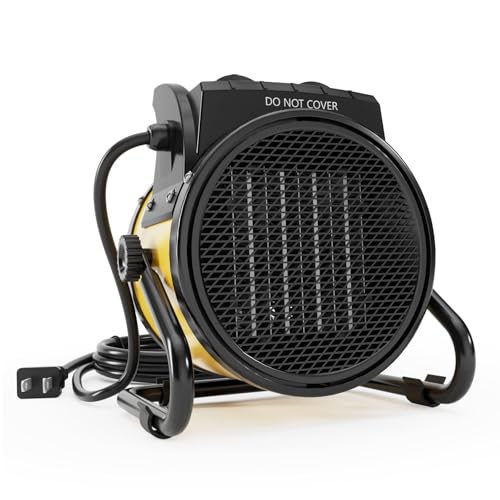
- BWP Score9.6
BWP Score is a ranking system developed by Bestwinterproducts.com. BWP score has no relationship or impact from any manufacturers or sales agent websites. Learn more
- BrandJoanolga

- BWP Score9.2
BWP Score is a ranking system developed by Bestwinterproducts.com. BWP score has no relationship or impact from any manufacturers or sales agent websites. Learn more
- BrandSEEYANG
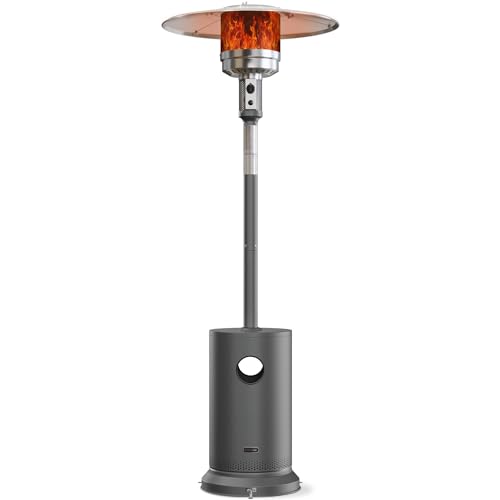
- BWP Score9.0
BWP Score is a ranking system developed by Bestwinterproducts.com. BWP score has no relationship or impact from any manufacturers or sales agent websites. Learn more
- BrandEAST OAK
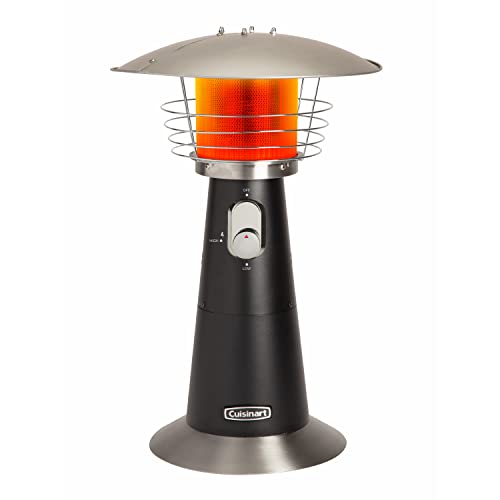
- BWP Score8.8
BWP Score is a ranking system developed by Bestwinterproducts.com. BWP score has no relationship or impact from any manufacturers or sales agent websites. Learn more
- BrandCuisinart

- BWP Score8.8
BWP Score is a ranking system developed by Bestwinterproducts.com. BWP score has no relationship or impact from any manufacturers or sales agent websites. Learn more
- BrandAmazon Basics
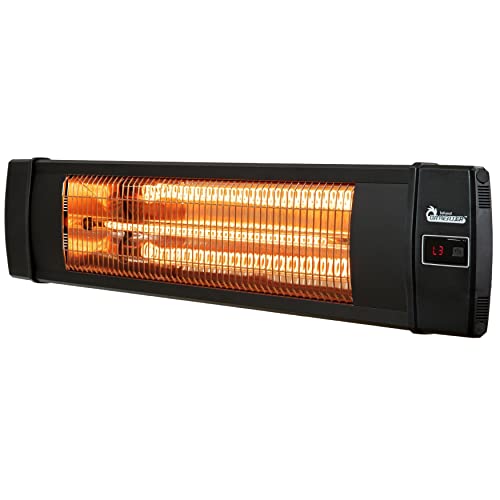
- BWP Score8.6
BWP Score is a ranking system developed by Bestwinterproducts.com. BWP score has no relationship or impact from any manufacturers or sales agent websites. Learn more
- BrandDR. INFRARED HEATER
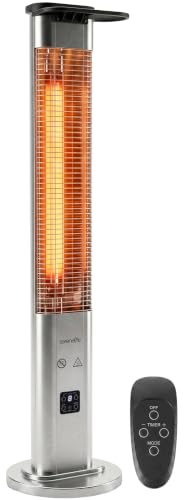
- BWP Score8.6
BWP Score is a ranking system developed by Bestwinterproducts.com. BWP score has no relationship or impact from any manufacturers or sales agent websites. Learn more
- BrandSereneLife
Last update on 2026-09-29 / Affiliate links / Images, Product Titles, and Product Highlights from Amazon Product Advertising API
Frequently Asked Questions
Can I safely use a propane patio heater under a covered pergola?
You should only use a propane patio heater under a pergola if the structure has an open, slatted roof and exceptional ceiling height. Tall propane heaters vent intense, rising exhaust that can quickly scorch solid wood beams, warp plastic roofing, or catch fabric shade sails on fire. If your pergola has a solid roof or low clearance, install a wall-mounted or ceiling-mounted electric infrared heater instead.
Will an outdoor heater keep me warm on a windy evening?
An outdoor heater will keep you warm in the wind only if it uses direct infrared radiant heat. Standard fan heaters blow warm air that scatters the moment a gust sweeps across the deck. Infrared electric heaters and radiant gas towers warm your clothes and skin directly through light waves, allowing the heat to reach your body even when cold air is moving around you.
Can I leave an electric outdoor heater mounted outside in the rain?
You can leave an electric heater outdoors only if it carries an official outdoor weather rating of IP55, IP65, or higher. These ratings confirm that the electrical casing protects internal wiring against blowing rain, garden hose splashes, and dust. If an electric heater does not list an outdoor moisture rating, it must be stored indoors in a dry area after every use.
Can I plug an outdoor electric heater into a standard extension cord?
You should never plug a 1,500-watt outdoor heater into a standard household extension cord or power strip. Outdoor heaters pull continuous, heavy electrical current that can cause thin extension cords to overheat, melt their plastic coatings, and start fires. Always plug the heater directly into a dedicated, weather-protected GFCI wall outlet rated for outdoor use.


Best Warm Winter Scarves 2026 For Cozy Comfort

Best Green Ski Goggles 2026 For Clear Vision On Slopes

12 Best Corner Electric Fireplace 2026: My Ultimate Guide To Pick One

Best Battery Powered Snow Blower 2026 For Effortless Snow Clearing

Best Ski Goggles Under 30 Inches For Crisp Vision And Comfort

Best Cooling Scarf 2026 For Instant Relief And Comfort

Fake Snow for Grass: Create a Realistic Winter Lawn Display

Dimplex Prism Wall Mount Fireplace: Sleek Heat With Modern Flame Style





