
Which Patio Heater Type Is Right for Your Space?

Chilly dusk settles over the backyard, turning a relaxed dinner on the deck into a hurried scramble indoors for sweaters. Picking the right setup comes down to your layout: tall propane heaters spread broad warmth across open lawns, while electric infrared heaters are the safest, most reliable choice for covered porches and balconies.
Three practical details change the equation for every home. First is overhead roof clearance, because open gas flames require several feet of empty space above them, while electric panels can mount safely under ceilings and awnings. Second is wind, since breezy air quickly sweeps propane heat away, while infrared beams warm your body directly just like sunshine. Finally, consider whether you want the simple flick of an electric switch or do not mind hauling twenty-pound gas tanks. Here is how both styles work in real conditions so you can pick the perfect fit for your patio.
How do electric and propane patio heaters actually warm you?
Electric and propane patio heaters warm you through two completely different methods. Understanding how each fuel type operates helps you pick the right design for your outdoor setup.
Propane units burn fuel to generate raw flame power. This output is measured in BTUs, which stands for British Thermal Units and serves as the standard heat output rating. When propane burns, it heats a metal mesh screen to a red glow, and a reflector dome directs some warmth downward. However, open flames also heat the surrounding air. Because hot air naturally rises, much of that warmth floats straight up into the sky before it reaches your shoulders.
Electric outdoor heaters usually rely on infrared heating elements. Infrared delivers gentle heat that warms people and furniture directly like sunlight, without wasting energy trying to heat empty air. Think about stepping into sunshine on a cool day: the air stays chilly, but your skin feels warm right away. Infrared heaters work the same way, sending radiant heat directly into solid objects that absorb and hold the energy.
A tall propane heater might deliver 40,000 to 50,000 BTUs of raw power, while a 1500-watt electric model produces roughly 5,100 BTUs. On paper, propane looks vastly stronger. Outdoors, however, electric infrared focuses its energy directly onto your body instead of heating the breeze, making it feel remarkably warm at close range while drawing far less energy.
Can you use a patio heater under a covered roof?
If your patio has an overhead roof, a gazebo ceiling, or a fabric awning, safety rules narrow your choices immediately. Tall propane mushroom heaters generate intense heat directly above their reflector dome. That top hood can reach temperatures high enough to melt vinyl soffits, scorch wood beams, or peel paint. Most propane manufacturers require at least 36 to 48 inches of open space above the dome and several feet around the sides. Unless your patio features exceptionally high rafters, running a full-size propane tower under a roof creates a serious fire hazard.
Combustion exhaust creates an even bigger danger. Burning propane produces carbon monoxide, an odorless and invisible gas that builds up quickly in semi-enclosed areas. Even under an open-sided roof, rising exhaust can gather beneath ceiling eaves. If your patio includes drop-down shades, clear plastic curtains, or solid walls, running propane is strictly unsafe. When heating areas with partial walls or screens, look into dedicated options designed for sheltered spaces, like those outlined in our guide on finding the best heater for enclosed porch areas.
Electric infrared heaters are the safest option under covered roofs. They produce zero fumes, no open flames, and no carbon monoxide. You can mount them securely on wall studs, hang them from patio rafters, or place a freestanding electric tower near your outdoor seating. While electric heaters still require safe clearance in front of their heating grilles, they do not direct huge plumes of superheated air into your ceiling. For covered decks, screened spaces, and apartment balconies, electric infrared is the only safe choice.
Why do tall propane towers work best for open yards?
Open backyard layouts present a very different heating challenge. When sitting on an open flagstone terrace, an uncovered deck, or a lawn around a fire pit, you have no ceiling overhead to worry about. Your main goal is spreading warmth across a wide seating area where people move around freely. This is where tall, freestanding propane heaters excel.
A full-size propane tower stands over seven feet tall and generates between 40,000 and 50,000 BTUs of heat. The circular reflector hood at the top acts like an umbrella, casting a wide circle of warmth downward. In calm weather, a single propane heater can comfortably warm a circle up to 18 to 20 feet across. That allows one heater placed centrally to warm an entire outdoor dining table and several surrounding chairs.
Propane also gives you complete cord-free mobility. The fuel supply comes from a standard 20-pound propane cylinder hidden inside the base. Because you do not need an electrical cord, you can roll the heater wherever your guests gather. Built-in wheels on the base make it easy to tilt and guide the heater across flat paving.
Keep in mind that propane requires regular fuel handling. A standard 20-pound tank provides roughly 8 to 10 hours of heat on high. A full tank weighs around 38 pounds, so make sure you are comfortable lifting the cylinder into the cabinet base and tightening the gas valve securely.
Which type of heater keeps you warm when wind blows?
Wind is the biggest enemy of outdoor comfort. Even a light breeze can cut your heater's warmth in half.
Propane heaters struggle in drafty weather. Because gas flames heat the air passing through the burner mesh, moving air blows that warmth away before it ever reaches your skin. You can stand near a running propane heater, feel warm for a moment, and then shiver as soon as a breeze sweeps across your patio. Strong gusts can also distort the flame inside the burner or blow out the pilot light entirely.
Electric infrared heaters perform much better in breezy spots. Infrared travels through the air as light waves, meaning wind cannot blow the heat away. The moving air passes through, while the radiant energy continues straight to your body, clothing, and patio furniture. If your outdoor space sits on a windy hill or an open balcony, an electric infrared heater will keep you warmer than a gas heater burning through fuel.
Wind also poses a physical tipping hazard for tall heaters. Mushroom-style propane towers carry most of their weight up high in the burner assembly and wide reflector dish, turning them into sails during sudden gusts. To keep tall units upright, choose models with heavy weighted bases or hollow tanks that fill with sand or water. When severe wind storms approach, always roll tall heaters against an exterior wall or lay them flat on the ground so they cannot blow over.
What safety clearances and power checks should you make first?
Before you set up an outdoor heater, check these physical clearances and electrical limits to keep your patio safe:
- Keep a 3-foot safety buffer: Maintain at least 3 feet (36 inches) between your heater and any combustible item, including cushions, wicker chairs, patio umbrellas, plants, and exterior siding.
- Confirm overhead ceiling clearance: If placing a heater under an awning or porch roof, measure the vertical distance. Propane models require several feet of open space above the dome, while electric wall-mounted units typically need 12 to 18 inches of ceiling clearance, as specified in the manual.
- Verify electrical circuit capacity: Standard 1500-watt electric patio heaters draw about 12.5 amps on a standard 120-volt household circuit. Because outdoor circuits are usually 15 amps, plug the heater into an outlet that is not sharing heavy power with other appliances.
- Plug directly into a weather-rated GFCI outlet: Never use an extension cord or power strip, which can overheat and start a fire. Plug directly into an outdoor wall outlet with ground-fault circuit interrupter protection (an outlet with test and reset buttons). If powering heaters in a nearby workspace, review electrical loads carefully, just as you would when choosing the best electric heater for garage with thermostat controls.
- Test gas connections with soapy water: When installing a propane cylinder, spray soapy water over the hose connections and valve. Open the cylinder valve without lighting the flame. If soap bubbles expand, tighten the fitting before lighting.
- Confirm automatic shutoff features: Look for a tip-over safety switch that cuts power instantly if the unit is knocked over or tilted, as well as an automatic overheat sensor that shuts the unit off if internal parts get dangerously hot.
If an outdoor outlet feels hot to the touch or repeatedly trips your breaker, stop using the heater immediately, unplug it, and call a licensed electrician.
What features should you look for before choosing your heater?
Finding the best patio heater comes down to matching the design to your layout, roof cover, and wind exposure. If you have an open patio or broad backyard lawn, a tall freestanding propane heater provides the wide heating radius and cordless mobility you need. Look for units made from weather-resistant stainless steel with a sturdy weighted base and smooth-rolling wheels.
If you relax on a covered porch, a compact deck, or a breezy balcony, an electric infrared tower or wall-mounted model is the safer choice. Look for an electric heater with a certified waterproof rating to handle rain splashes, multiple heat settings to tailor your comfort, and an extended heating element that warms you from head to toe. Whichever fuel type you select, make sure the unit carries a recognized US safety listing mark from UL, ETL, or CSA on the product label.
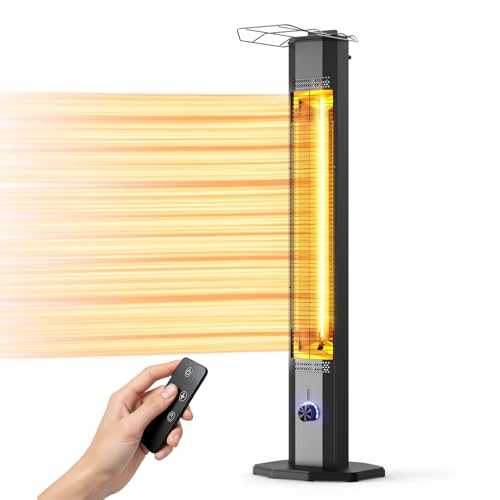
- BWP Score10.0
BWP Score is a ranking system developed by Bestwinterproducts.com. BWP score has no relationship or impact from any manufacturers or sales agent websites. Learn more
- BrandNfccra

- BWP Score9.8
BWP Score is a ranking system developed by Bestwinterproducts.com. BWP score has no relationship or impact from any manufacturers or sales agent websites. Learn more
- BrandEAST OAK
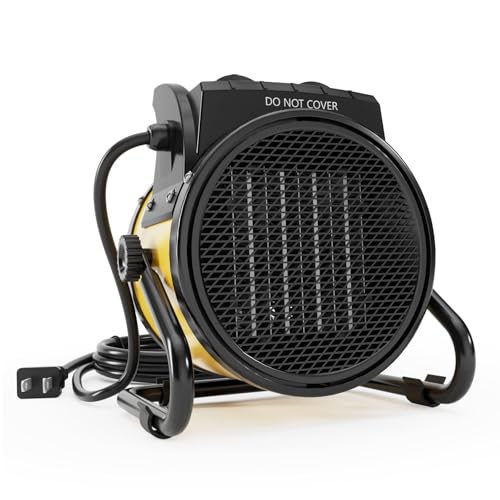
- BWP Score9.6
BWP Score is a ranking system developed by Bestwinterproducts.com. BWP score has no relationship or impact from any manufacturers or sales agent websites. Learn more
- BrandJoanolga
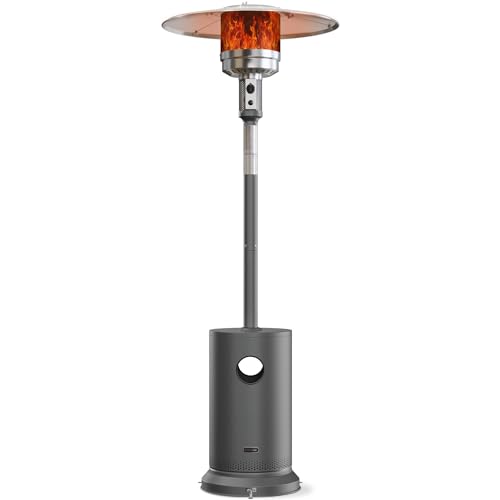
- BWP Score9.0
BWP Score is a ranking system developed by Bestwinterproducts.com. BWP score has no relationship or impact from any manufacturers or sales agent websites. Learn more
- BrandEAST OAK

- BWP Score8.8
BWP Score is a ranking system developed by Bestwinterproducts.com. BWP score has no relationship or impact from any manufacturers or sales agent websites. Learn more
- BrandAmazon Basics
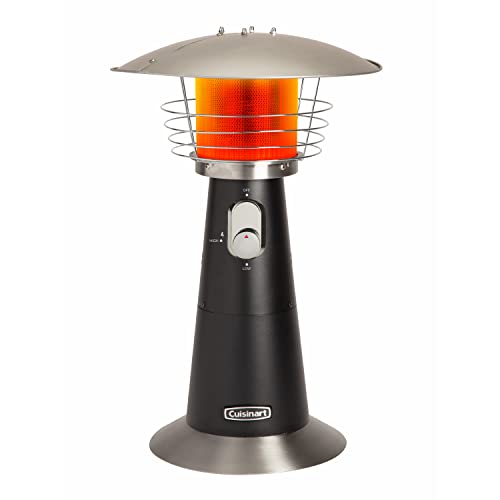
- BWP Score8.8
BWP Score is a ranking system developed by Bestwinterproducts.com. BWP score has no relationship or impact from any manufacturers or sales agent websites. Learn more
- BrandCuisinart

- BWP Score8.8
BWP Score is a ranking system developed by Bestwinterproducts.com. BWP score has no relationship or impact from any manufacturers or sales agent websites. Learn more
- BrandAmazon Basics
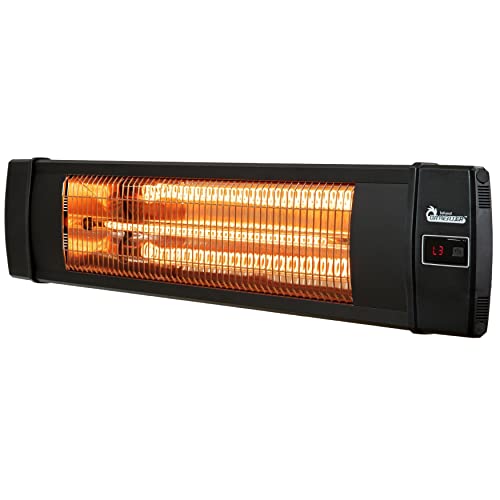
- BWP Score8.6
BWP Score is a ranking system developed by Bestwinterproducts.com. BWP score has no relationship or impact from any manufacturers or sales agent websites. Learn more
- BrandDR. INFRARED HEATER

- BWP Score8.6
BWP Score is a ranking system developed by Bestwinterproducts.com. BWP score has no relationship or impact from any manufacturers or sales agent websites. Learn more
- BrandPamapic
Last update on 2026-09-29 / Affiliate links / Images, Product Titles, and Product Highlights from Amazon Product Advertising API
FAQs
Is propane hotter than electric for outdoor heating?
Propane generates much higher raw heat output, with standard full-size models producing 40,000 to 50,000 BTUs compared to about 5,100 BTUs from a 1500W electric heater. But much of that propane heat rises into the air or blows away with the wind. Electric infrared heaters warm your body and clothing directly like sunlight, making them feel just as warm at close range while consuming far less total energy.
Can you leave an electric patio heater outside in the rain?
You can leave an electric heater outside only if it carries a certified water-resistance rating, such as an IPX5 rating marked on the product label. This ensures the internal wiring resists water spray from any direction. Even with a weather-rated heater, you should use a durable, fitted cover when it is not in use, and keep electrical plugs elevated away from standing puddles.
How long does a 20-pound propane tank usually last?
A standard 20-pound propane tank lasts roughly 8 to 10 hours when running a 40,000 to 50,000 BTU patio heater on high. Setting the control knob to low or medium can extend runtime to 12 or 15 hours. Smaller tabletop propane heaters rated around 11,000 BTUs can run for up to 30 or 40 hours on a single 20-pound cylinder.
Can you place a patio heater directly on a wooden deck?
Most freestanding patio heaters can sit safely on a wood deck because their heat radiates outward and upward rather than down into the floor. Tall propane towers keep their burner high above the deck and house the gas tank in the base, keeping the bottom cool. For tabletop gas models or electric floor towers, confirm the manufacturer instructions allow placement on wood surfaces, and ensure the base rests flat and level.


Best Warm Winter Scarves 2026 For Cozy Comfort

Best Green Ski Goggles 2026 For Clear Vision On Slopes

12 Best Corner Electric Fireplace 2026: My Ultimate Guide To Pick One

Best Battery Powered Snow Blower 2026 For Effortless Snow Clearing

Best Ski Goggles Under 30 Inches For Crisp Vision And Comfort

Best Cooling Scarf 2026 For Instant Relief And Comfort

Fake Snow for Grass: Create a Realistic Winter Lawn Display

Dimplex Prism Wall Mount Fireplace: Sleek Heat With Modern Flame Style





