
Which Type of Portable Room Heater Fits Your Space?

Most people assume one universal space heater works best for every chilly room, but that belief usually leads to noisy nights or high electric bills. In reality, a ceramic fan heater is best for quick, direct warmth in a small office, while an oil-filled radiator is best for silent, gentle heat in a bedroom. One blows hot air right where you sit, while the other slowly warms the surrounding air and holds that comfort over hours.
The right choice depends on how quickly you need relief and how much noise you can tolerate. Fan units warm a drafty corner within seconds but create background hum, whereas oil radiators take longer to get going but operate in complete silence. Wet spaces like bathrooms also require specialized safety shut-offs that regular heaters lack. Here is how each option stacks up so you can heat your room safely and comfortably.
Ceramic, radiant, and oil-filled heaters warm spaces differently
Understanding how different heaters produce warmth solves most room heating frustrations. Portable space heaters rely on distinct heating methods, and choosing the wrong style leaves you shivering while your electric bill climbs. Some units push hot air directly across your feet, while others gradually raise the temperature of the entire room.
Ceramic fan heaters deliver fast warmth in compact rooms
Ceramic heaters rely on a ceramic heating element that warms up in seconds. Electricity flows through internal ceramic blocks, heating them almost instantly. A small internal fan then pushes warm air across the room, blowing soothing heat right where you aim it.
These units work exceptionally well when you need immediate, targeted comfort in a chilly home office or bedroom. They are lightweight, compact, and easy to carry between rooms using an integrated handle. But warmth dissipates quickly once switched off, and the fan produces a light humming sound that some light sleepers notice at night.
Oil-filled radiators provide silent heat that lingers
An oil-filled radiator is a silent radiator heater that circulates steady, lasting warmth. Although it looks like a traditional cast-iron radiator, it runs entirely on electricity. The body contains diathermic oil permanently sealed inside metal fins, meaning you never have to refill fluid. An electrical element warms the liquid, which heats the exterior metal surfaces.
Cool air from the floor naturally rises past the hot fins, creating a natural rising warm air circulation loop without any mechanical fan. These units operate in complete silence and stay warm long after shutting off, though they need twenty to thirty minutes to heat up.
Radiant heaters warm you directly rather than the air
Radiant heaters produce gentle heat that warms people and furniture directly like sunlight. Instead of heating ambient air, these units emit infrared rays that travel in a straight path. When those rays strike your clothes or skin, you feel instant warmth.
This design makes radiant heating ideal for spot heating in drafty environments. If you need a heater for an enclosed porch or an uninsulated workspace, blowing heated air often fails because drafts carry it away. But radiant heat only warms objects in its direct sightline, leaving the surrounding air cool.
Pick your heater type based on the room layout
Every room has distinct noise tolerances, air movement patterns, and moisture levels. Matching the heater style to your room layout ensures comfort without sleep disruptions or safety hazards.
Bedrooms need silent operation and steady overnight warmth
Sleeping comfortably requires quiet operation and stable temperatures. Rapid cycles of a loud fan turning on and off can wake you up throughout the night, while blown air often dries out your sinuses. An oil-filled radiator is usually the best choice for sleeping areas because it runs silently and keeps temperatures even until morning.
If you prefer a ceramic heater in a bedroom, pick a model equipped with a quiet low-power mode and an automatic display shut-off. A digital temperature dial that clicks on and off to hold your set warmth prevents the bedroom from overheating overnight.
Home offices thrive on fast personal ceramic heat
Working at a desk for long hours often leads to cold feet, especially if your office sits on an outside wall. Placing a compact ceramic heater near your desk warms your personal zone within seconds of powering on. Many models oscillate across a 70-degree arc, sweeping warm air gently across your legs.
Check the fan sound level before placing a heater near your workspace. You want a quiet motor so microphone audio stays clean during phone calls. Running the unit on a low heat setting of 750 or 900 watts often provides plenty of warmth while keeping noise low.
Bathrooms require specialized moisture shut-off protection
Freezing bathroom tiles make mornings uncomfortable, but moisture creates severe electrical hazards. High humidity, condensation on walls, and splashing water turn standard electrical appliances into dangerous shock risks. Never bring a standard bedroom or living room heater into a bathroom.
Only use heaters certified for bathroom environments with a built-in ALCI safety plug (a fast electrical shut-off plug for damp areas). This device shuts off power in a fraction of a second if it senses moisture or an electrical short. Always set bathroom units on dry surfaces far from tubs, showers, and sinks.
Large or drafty living rooms need wider air movement
Living rooms often feature open doorways and tall ceilings that scatter heat. An oscillating ceramic tower heater works well here because its height and motorized sweep distribute warm air across several people, keeping warmth at sitting level rather than letting it pool at the ceiling.
For detached workshops, concrete basements, or garages, standard plastic room heaters often struggle against the cold slab. In those chilly spaces, an electric heater for a garage with a thermostat and rugged metal casing handles rougher conditions and heavier heating demands much better.
Match heater wattage to your room size and outlets
Choosing the right size heater keeps your living space warm while protecting your home electrical system. Under-sizing leaves you cold, while drawing too much power through an old wall socket can trip breakers or create fire hazards.
Calculate roughly ten watts for every square foot
As a standard rule of thumb for residential spaces, plan for roughly ten watts of heating power for every square foot of floor space. Under this guideline, a standard 1500-watt portable heater is sized to heat a closed 150-square-foot bedroom or office as its primary warmth source.
In a larger living room measuring 300 square feet, that same 1500-watt unit serves as supplemental zone heating, taking the chill off the couch while your furnace handles baseline heating. Compact wall-plug heaters drawing 350 to 800 watts work only for tiny spaces under 80 square feet.
Plug directly into a wall outlet to protect breakers
Standard household electrical circuits in North America are rated for 15 amps at 120 volts, delivering up to 1,800 total watts. A 1500-watt heater on high draws about 12.5 amps on its own. Running a television or computer on that same circuit can push the total draw over 15 amps, tripping the breaker.
Always plug your portable heater directly into a dedicated wall outlet. Never use an extension cord, power strip, or surge protector. Those accessories cannot safely handle sustained high-amperage current and can melt, creating a direct fire hazard.
Use lower power levels to manage daily electric costs
Running a 1500-watt heater continuously for hours uses substantial electricity. You can lower operating costs by switching the unit to low heat (typically 750 or 900 watts) once the room warms up, or by letting an adjustable thermostat cycle the element on and off automatically.
Zone heating also saves money when practiced correctly. Lower your central home thermostat by five to eight degrees, and use one portable heater only in the specific room your family occupies during the evening or night.
Essential safety features prevent house fires and burn injuries
Portable electric heaters cause thousands of home heating fires every year. Following basic clearance rules and checking for built-in safety protections protects your home and family from preventable accidents.
Keep a clear three-foot perimeter around the heater
Maintain a strict three-foot safety buffer around your heater at all times. Keep thirty-six inches of open clearance from blankets, curtains, upholstered furniture, and pet beds. Always place the unit on a flat, hard, level floor, never on soft bedding or thick rugs where vents could be blocked.
Look for automatic tip-over and overheat shut-off switches
A tip-over safety switch that cuts power instantly if the unit is knocked over or tilted protects against accidental knocks by children or pets. Power cuts off before the hot grille can scorch flooring or rugs.
An automatic overheat sensor that shuts the unit off if internal parts get dangerously hot prevents fires from restricted airflow. Always verify that the heater displays a recognized safety certification mark, like UL, ETL, or CSA, on the manufacturer label.
What to do if an outlet or plug gets hot
After the heater runs for fifteen minutes on high, touch the plug head and outlet faceplate. The cord can feel slightly warm, but it should never feel hot to the touch or smell like burning plastic. If the plug or outlet feels hot, follow these steps immediately:
- Turn the heater off and unplug it by gripping the plug head, not the cord.
- Let the wall outlet and heater cool completely before touching them again.
- Stop using that wall receptacle immediately, as loose internal wire contacts create severe resistance and fire risks.
- Consult a licensed electrician to inspect and replace the worn outlet.
Choose a heater built for your exact heating habits
Selecting the best heater type comes down to matching your daily routine with your room layout. If you need silent warmth that lasts through the night in a closed bedroom, an oil-filled radiator is the ideal match. If you want fast, focused warmth for cold mornings in a drafty home office, a compact ceramic fan heater delivers immediate comfort.
Before making a final choice, measure your room dimensions and check your electrical outlet layout. Verify that the unit includes certified tip-over and overheat shut-off switches, offers multiple power settings to help control electric bills, and fits comfortably within your room without violating the three-foot safety buffer.
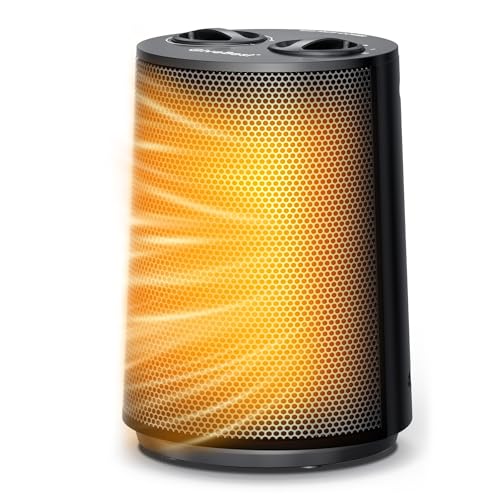
- BWP Score9.8
BWP Score is a ranking system developed by Bestwinterproducts.com. BWP score has no relationship or impact from any manufacturers or sales agent websites. Learn more
- BrandGiveBest

- BWP Score9.2
BWP Score is a ranking system developed by Bestwinterproducts.com. BWP score has no relationship or impact from any manufacturers or sales agent websites. Learn more
- BrandDREO

- BWP Score9.2
BWP Score is a ranking system developed by Bestwinterproducts.com. BWP score has no relationship or impact from any manufacturers or sales agent websites. Learn more
- BrandDREO
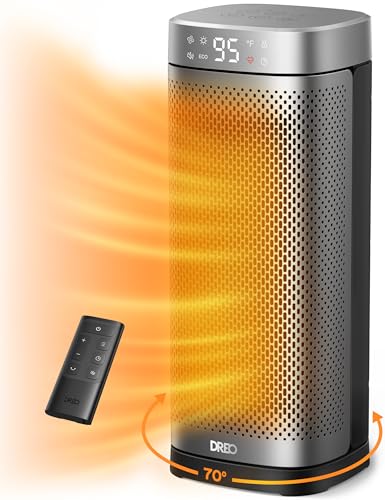
- BWP Score9.2
BWP Score is a ranking system developed by Bestwinterproducts.com. BWP score has no relationship or impact from any manufacturers or sales agent websites. Learn more
- BrandDREO

- BWP Score9.0
BWP Score is a ranking system developed by Bestwinterproducts.com. BWP score has no relationship or impact from any manufacturers or sales agent websites. Learn more
- BrandLasko

- BWP Score9.0
BWP Score is a ranking system developed by Bestwinterproducts.com. BWP score has no relationship or impact from any manufacturers or sales agent websites. Learn more
- BrandLasko

- BWP Score9.0
BWP Score is a ranking system developed by Bestwinterproducts.com. BWP score has no relationship or impact from any manufacturers or sales agent websites. Learn more
- BrandBrightown

- BWP Score8.8
BWP Score is a ranking system developed by Bestwinterproducts.com. BWP score has no relationship or impact from any manufacturers or sales agent websites. Learn more
- BrandBLACK+DECKER

- BWP Score8.8
BWP Score is a ranking system developed by Bestwinterproducts.com. BWP score has no relationship or impact from any manufacturers or sales agent websites. Learn more
- BrandGiveBest
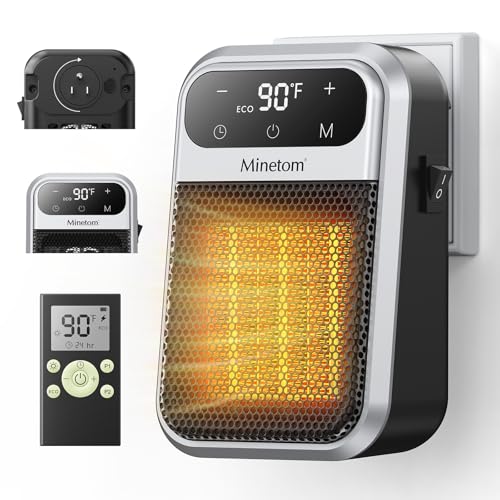
- BWP Score8.2
BWP Score is a ranking system developed by Bestwinterproducts.com. BWP score has no relationship or impact from any manufacturers or sales agent websites. Learn more
- BrandMinetom
Last update on 2026-09-30 / Affiliate links / Images, Product Titles, and Product Highlights from Amazon Product Advertising API


Best Warm Winter Scarves 2026 For Cozy Comfort

Best Green Ski Goggles 2026 For Clear Vision On Slopes

12 Best Corner Electric Fireplace 2026: My Ultimate Guide To Pick One

Best Battery Powered Snow Blower 2026 For Effortless Snow Clearing

Best Ski Goggles Under 30 Inches For Crisp Vision And Comfort

Best Cooling Scarf 2026 For Instant Relief And Comfort

Fake Snow for Grass: Create a Realistic Winter Lawn Display

Dimplex Prism Wall Mount Fireplace: Sleek Heat With Modern Flame Style





