
Which Propane Heater Type Is Right for Your Garage?

Check how many hours each garage visit lasts before picking a burner style. The right heat source depends directly on your project length. A forced-air fan heater works best for blasting rapid heat into the room during short tasks, while a radiant heater is ideal for quiet, spot warmth directly at your workbench. For all-day winter work, a wall-mounted vented system offers steady comfort without filling the air with dampness.
That decision shifts based on how well your garage breathes, how much blower noise you can stand, and your concern over tool rust. Unvented propane puts moisture straight into the air, which easily coats cold hand tools if fresh airflow is low. Well-sealed garages trap this humidity, while drafty spaces lose hot air instantly. Here is a clear breakdown of each design so you can pick the safest, most comfortable match for your shop.
Compare Forced-Air, Radiant, and Wall-Mounted Units Before Choosing
Propane heaters for garages fall into four main designs, and each handles cold air differently. Choosing the right design prevents wasted fuel, excess noise, and disappointing warmth when winter temperatures plummet. Understanding how each unit delivers heat helps you pick the right match for your workspace.
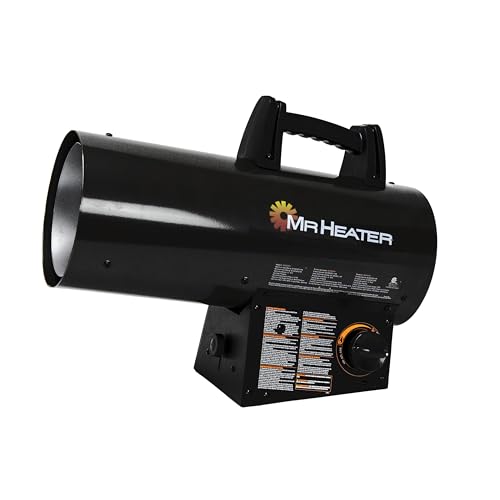
Forced-air propane heaters, often called torpedo or barrel heaters, use a powerful internal fan that pushes warm air across the room. These units burn gas inside an open chamber while an electric fan forces cold air past the burner. They produce intense heating power, rated between 30,000 and 125,000 BTUs (British Thermal Units, a measure of heating power). Because they distribute heated air rapidly across hundreds of square feet, they can raise the temperature of a freezing garage within ten to fifteen minutes. The trade-off is noise. These blowers roar like miniature jet engines, making conversation or listening to music difficult while they run.
Portable radiant cabinet heaters operate on an entirely different principle. Instead of blowing air, these enclosed units hold a standard 20-pound propane cylinder inside their metal housing and burn fuel across ceramic plaques. These ceramic plaques glow cherry red, throwing off gentle heat that warms people and furniture directly like sunlight. They create zero fan noise, kick up no dust, and operate completely without electricity. While they do not warm an entire multi-car garage as quickly as a forced-air blower, they keep you remarkably warm if you work directly in front of them.
Tank-top radiant heaters mount directly to the collar of a standard propane cylinder. They feature one or two round infrared burner dishes protected by wire safety guards. These heaters hook up in minutes and heat up in seconds. They cost very little up front and offer targeted warmth at an outdoor work table or an open garage bay. However, the exposed burner sits on an open tank, requiring extra caution around moving equipment, lumber, and children.
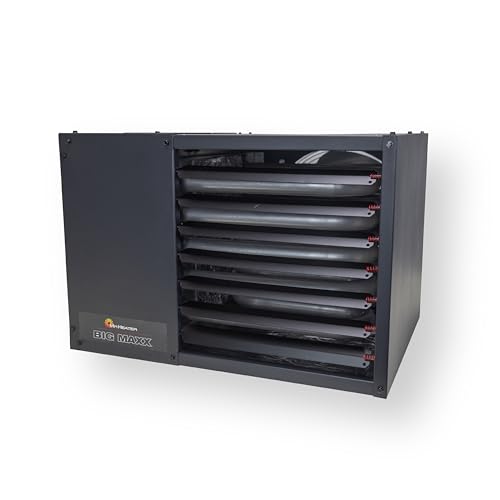
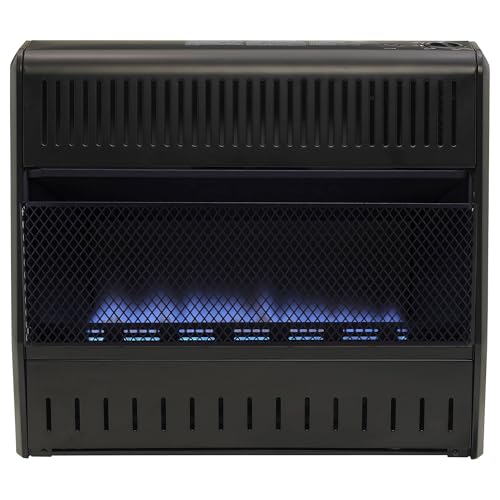
Vent-free wall-mounted heaters mount permanently to wall studs and run either infrared radiant plaques or blue-flame convection burners. Blue-flame heaters warm the air that naturally floats up past the burner, circulating steady warmth through the whole room by convection. Vent-free wall units save valuable floor space and usually feature automatic temperature dials that click on and off to hold your set warmth. Vented unit heaters, such as ceiling-hung furnaces, represent the permanent, premium choice. They vent exhaust gases and moisture through an exhaust pipe in the roof or wall, giving you safe, clean, dry air at the cost of professional installation and higher upfront expenses.
Match the Heater Style to Your Daily Work Habits and Space
How you use your garage determines which propane heater makes your time comfortable. A quick oil change requires a different heat pattern than an all-day woodworking project or a quiet home gym session.
If you use your garage for short, intermittent chores, such as tuning up a lawnmower or unpacking holiday bins, rapid warm-up is your primary goal. A fan-blown forced-air heater is the clear winner for these brief visits. You can fire it up, raise the temperature from freezing to comfortable in under ten minutes, finish your project, and turn it off. The loud fan noise rarely bothers you during a short project, and the rapid blast of warm air cuts through concrete chill instantly.
If you spend hours standing at a workbench, detailing a vehicle, or lifting weights, steady quiet heat matters far more than rapid room-filling power. Running a loud forced-air blower for four hours causes ear fatigue and headache. In this scenario, a portable radiant cabinet heater is the better choice. Positioned four to six feet from your work area, it beams continuous infrared warmth directly at your body, keeping your hands agile and your muscles warm without stirring up chemical fumes or shop dust.
Your work materials also dictate the safest heater choice. Woodworkers, furniture refinishers, and painters should avoid open-flame forced-air blowers. These heaters suck in ambient air, meaning airborne sawdust, lacquer fumes, or mineral spirits can get pulled directly across an open propane flame. In woodworking shops, stationary unvented blue-flame wall heaters or sealed, vented ceiling units provide far safer warmth. If you have reliable 240-volt wiring in your walls and prefer to avoid propane tanks altogether, check out our guide on the best electric heater for garage with thermostat models for steady, clean heat.
Electrical access is another decisive factor. Fan-blown forced-air units require a standard 120-volt household wall outlet to spin their fan motor and run their internal spark ignition. If your detached garage, barn, or pole shed lacks electrical wiring, a forced-air heater will not turn on. In unpowered workspaces, portable radiant cabinet heaters and tank-top heaters shine because they rely entirely on mechanical valves and piezo push-button sparkers, requiring zero electrical cords.
Calculate Your Garage Heating Power by Measuring Square Footage and Drafts
Selecting the right size heater requires calculating your garage square footage and accounting for heat loss through walls and garage doors. Propane heat is measured in BTUs per hour. Choosing a heater with too little heating power leaves your garage frigid, while buying an oversized unit wastes fuel and causes room temperatures to fluctuate uncomfortably.
To calculate your garage floor size, measure the length and width of the space in feet and multiply the two numbers. A standard 1-car garage measures roughly 200 to 300 square feet. A standard 2-car garage ranges from 400 to 500 square feet, while a 3-car garage typically covers 600 to 900 square feet. Ceiling height changes these requirements significantly. A garage with twelve-foot ceilings contains fifty percent more air volume than a garage with standard eight-foot ceilings, requiring proportionally higher heating power to achieve the same indoor comfort.
Insulation quality makes an enormous difference in how many BTUs you actually need:
- Well-insulated garages: If your garage walls feature fiberglass batts, finished drywall, and an insulated roll-up door, you need roughly 25 to 35 BTUs of heating power per square foot. A 10,000 to 18,000 BTU cabinet heater easily warms a 1-car or modest 2-car insulated garage.
- Uninsulated or drafty garages: If your garage has exposed 2x4 framing, uninsulated sheet metal doors, concrete block walls, or open roof rafters, heat escapes almost as fast as you produce it. Drafty spaces demand 50 to 80 BTUs per square foot to offset cold air infiltration. Similar to warming other open, unsealed rooms, which we discuss in our look at the best heater for enclosed porch spaces, loose doors and unsealed windows quickly sap heating power.
For an uninsulated 2-car garage during freezing weather, a variable forced-air heater delivering 30,000 to 60,000 BTUs provides the brute strength needed to overpower drafts and keep the workspace usable. For larger 3-car garages or detached shops measuring up to 1,600 square feet, units producing 60,000 to 80,000 BTUs ensure you can work in comfort even on sub-zero winter mornings.
Follow Strict Airflow and Clearance Rules to Keep Your Air Safe
Safety is the most critical consideration when burning liquid propane inside an enclosed space. Propane combustion consumes oxygen and produces carbon monoxide (a colorless, odorless, poisonous gas), carbon dioxide, and water vapor. Using unvented propane heaters safely requires strict adherence to ventilation, placement, and air-monitoring rules.
Never operate an unvented burner in an airtight garage with all doors and windows sealed shut. Unvented portable heaters require fresh makeup air to support clean combustion. Always create intentional cross-ventilation by cracking an exterior window two to three inches or propping open the roll-up garage door one to two inches from the concrete floor. This steady intake of outdoor air prevents oxygen depletion and stops combustion gases from gathering inside your breathing zone.
Follow the 3-foot safety buffer around every heater. Maintain at least 36 inches of clear, unobstructed space on all sides and above the unit. Keep the direct heat path clear of anything that can burn, melt, or catch fire:
- Gasoline cans, lawnmower fuel tanks, and bar oil jugs.
- Sawdust piles, scrap lumber, cardboard storage boxes, and shop towels.
- Paints, aerosol spray cans, lacquers, and mineral spirits.
- Vehicle tires, plastic mud flaps, and rubber air hoses.
For forced-air torpedo heaters, extend the front clearance to at least eight to ten feet. These units blow an intense column of superheated air that can blister car clearcoat, melt plastic tool cases, or ignite dry rags across the room.
Verify that your portable heater includes essential safety mechanisms. Look for a built-in low-oxygen shutoff sensor (ODS), which automatically cuts gas flow to the burner if oxygen levels in the room drop below safe thresholds. Confirm the unit features a tip-over safety switch that cuts fuel instantly if the unit is knocked over or tilted. Finally, install a dedicated, battery-powered carbon monoxide detector at eye level on a wall opposite your workspace. If the alarm ever sounds, shut off the gas cylinder immediately, open all garage doors, and step outside into the fresh air.
Protect Your Cold Metal Tools From Burning Propane Moisture
One hidden side effect of burning propane in an unvented space is airborne moisture. The chemical process of burning liquid propane produces roughly one pound of water vapor for every pound of fuel consumed. If you burn through a standard 20-pound propane cylinder with an unvented burner, you introduce nearly two and a half gallons of water directly into your garage air.
This moisture creates severe condensation problems on cold tools. Concrete floors, heavy steel anvils, wrench sets, and cast-iron table saw tops take hours to absorb heat. When warm, moisture-rich air generated by an unvented heater hits these ice-cold metal surfaces, the water vapor condenses instantly into visible beads of liquid. Within forty-eight hours, bare steel and cast iron will develop a layer of orange rust.
You can prevent tool rust while using propane heat by taking practical shop precautions:
- Maintain steady air exchange: Running a small exhaust fan or keeping your overhead garage door cracked an inch allows humid air to escape before it settles on cold iron tables.
- Protect bare metal surfaces: Apply a generous coat of paste wax, silicone-free machine oil, or dedicated corrosion-inhibiting spray to cast-iron tool beds and hand planes before winter begins.
- Warm the shop gradually: Avoid firing up a high-output forced-air heater on maximum blast for five minutes and immediately turning it off. This blast rapidly heats the air without warming your heavy tools, creating maximum condensation. Running a lower, steady heat setting warms equipment surfaces more evenly, reducing temperature shock.
Look for Key Build Features When Selecting Your Garage Heater
When selecting a propane heater for your garage, focus on practical build features that ensure long-lasting reliability and safe operation. Inspect the product specifications carefully to confirm the heater matches your physical floor layout and ventilation capacity.
Choose heaters built with rugged, powder-coated steel housing that can withstand bumps, stray boards, and dusty shop conditions. Check that the gas hose connection features solid brass fittings and includes a factory-supplied pressure regulator. If you select a portable forced-air model, look for variable output dials that let you adjust the heating power from high to low, allowing you to conserve fuel once the room reaches a workable temperature.
Verify that any heater you purchase displays a recognized safety certification mark from UL, ETL, or CSA on its rating plate. For unvented wall or cabinet models, make sure the low-oxygen shutoff sensor (ODS) and electric piezo igniter are factory standard. Checking these core features ensures you get dependable winter heat without compromising shop safety.
- BWP Score10.0
BWP Score is a ranking system developed by Bestwinterproducts.com. BWP score has no relationship or impact from any manufacturers or sales agent websites. Learn more
- BrandMr. Heater

- BWP Score9.4
BWP Score is a ranking system developed by Bestwinterproducts.com. BWP score has no relationship or impact from any manufacturers or sales agent websites. Learn more
- BrandInoKraft

- BWP Score9.4
BWP Score is a ranking system developed by Bestwinterproducts.com. BWP score has no relationship or impact from any manufacturers or sales agent websites. Learn more
- BrandInoKraft

- BWP Score9.2
BWP Score is a ranking system developed by Bestwinterproducts.com. BWP score has no relationship or impact from any manufacturers or sales agent websites. Learn more
- BrandAvenger

- BWP Score9.0
BWP Score is a ranking system developed by Bestwinterproducts.com. BWP score has no relationship or impact from any manufacturers or sales agent websites. Learn more
- BrandDyna-Glo

- BWP Score8.8
BWP Score is a ranking system developed by Bestwinterproducts.com. BWP score has no relationship or impact from any manufacturers or sales agent websites. Learn more
- BrandMr. Heater

- BWP Score8.8
BWP Score is a ranking system developed by Bestwinterproducts.com. BWP score has no relationship or impact from any manufacturers or sales agent websites. Learn more
- Brandthermomate

- BWP Score8.8
BWP Score is a ranking system developed by Bestwinterproducts.com. BWP score has no relationship or impact from any manufacturers or sales agent websites. Learn more
- BrandGASLAND
- BWP Score8.6
BWP Score is a ranking system developed by Bestwinterproducts.com. BWP score has no relationship or impact from any manufacturers or sales agent websites. Learn more
- BrandMr. Heater
- BWP Score7.0
BWP Score is a ranking system developed by Bestwinterproducts.com. BWP score has no relationship or impact from any manufacturers or sales agent websites. Learn more
- BrandProCom
Last update on 2026-09-29 / Affiliate links / Images, Product Titles, and Product Highlights from Amazon Product Advertising API
FAQs
Can I safely run a propane heater with the garage door fully closed?
You should never run an unvented propane heater inside a closed garage without proper ventilation. Burning propane consumes oxygen and creates carbon monoxide, carbon dioxide, and water vapor. Always crack an overhead door or an exterior window at least one to two inches to provide a continuous stream of fresh makeup air. Only direct-vent, sealed-combustion garage furnaces can operate safely with all exterior doors and windows completely sealed.
Does a propane garage heater require an electrical outlet?
It depends entirely on the design of the heater. Fan-blown forced-air heaters require a standard 120-volt household electrical outlet to power the internal fan motor and electronic ignition. Portable radiant cabinet heaters, tank-top heaters, and most wall-mounted unvented heaters use mechanical valves and battery-operated or piezo spark igniters, allowing them to operate completely without electricity.
What is the difference between radiant heat and blue-flame convection?
Radiant heaters use infrared energy to warm solid objects directly, warming your body and tools just like sunlight without needing to heat the surrounding air first. Blue-flame heaters warm the cold air directly inside the unit, causing it to rise toward the ceiling and circulate throughout the entire room via natural convection. Radiant heat works best in drafty, open garages, while blue-flame heat performs better in well-insulated, enclosed spaces.
Why does my garage smell like gas or exhaust when the heater runs?
A faint smell of combustion during the first few minutes of startup is normal as the burner reaches operating temperature and burns off dust. However, a strong, persistent odor resembling rotten eggs signals an unburned propane gas leak, requiring you to shut off the tank valve immediately and check connections with soapy water. A sharp, eye-stinging exhaust smell indicates incomplete combustion, which often happens when the burner lacks adequate fresh air or has dirty gas orifices.


Best Warm Winter Scarves 2026 For Cozy Comfort

Best Green Ski Goggles 2026 For Clear Vision On Slopes

12 Best Corner Electric Fireplace 2026: My Ultimate Guide To Pick One

Best Battery Powered Snow Blower 2026 For Effortless Snow Clearing

Best Ski Goggles Under 30 Inches For Crisp Vision And Comfort

Best Cooling Scarf 2026 For Instant Relief And Comfort

Fake Snow for Grass: Create a Realistic Winter Lawn Display

Dimplex Prism Wall Mount Fireplace: Sleek Heat With Modern Flame Style





