
What Type of Space Heater Is Safe for a Bathroom?

A ceramic heater rated for bathroom use is the safest way to warm up a freezing bathroom quickly. The right version for you depends on whether you can mount a unit to the wall or need a portable option. Regular heaters can short-circuit around thick steam, but bathroom-safe models feature protected heating parts and an ALCI safety plug, a special plug that cuts the electricity instantly if water gets too close.
Your available floor space and layout guide the final pick. Wall units are ideal because they stay high above wet tiles, while portable ceramic heaters suit renters who have plenty of dry counter or floor space away from the tub. Every safe setup also needs a wall outlet with its own test and reset buttons. Here is how to find the right style to keep your washroom cozy without any electrical danger.
Bathroom-rated ceramic heaters provide the safest and fastest warmth
Ceramic heaters built specifically for bathrooms perform better and stay far safer than any other heating option. They rely on a ceramic heating element that warms quickly without glowing wire coils. In a damp, humid space, that technical difference saves lives. Older electric heaters pull electricity through exposed metal wire coils that turn bright orange. If a stray drop of water, a burst of heavy steam, or floating towel lint lands on an open coil, it can scorch instantly or start an electrical fire.
A bathroom-rated ceramic unit uses solid ceramic stones that heat up as electricity flows through them. An internal fan pushes warm air across the room, spreading heat evenly across cold tile floors. Because the ceramic blocks never get red hot, they do not burn dust or lint floating in the air. This design delivers clean, odorless heat without glowing elements that could ignite hanging fabrics.
Ceramic elements also balance their own temperature naturally. As the ceramic stones get hotter, their internal resistance rises, which naturally limits heat buildup and prevents runaway overheating. That makes them ideal for small, enclosed spaces where temperatures rise fast. Bathroom-specific models enclose these parts in sealed plastic housings. Their internal wiring and switches resist moisture, giving you fast warmth while keeping water vapor away from electrical connections.
Cold bathroom surfaces make the room feel much chillier than the rest of your house. Porcelain sinks, glass shower doors, and tile floors act as thermal sponges that suck warmth out of the air. A ceramic heater with a fan pushes air actively into the room, creating an envelope of moving warm air that counteracts those chilly fixtures within two to three minutes.
Standard room heaters fail dangerously around bathroom moisture
Many people wonder if they can move a standard bedroom or living room heater into the bathroom for a quick morning shower. You should never use a regular indoor space heater in a bathroom. Standard heaters are manufactured strictly for dry living spaces. When you run a hot shower, dense steam fills the room and settles on cool surfaces. That airborne moisture easily enters the open vents of a regular heater, coating internal wiring, switches, and motor components with fine water droplets.
That trapped dampness leads to immediate danger. Water creates an electrical bridge across bare terminals, which can cause short circuits, melt internal plastic components, and spark house fires. Over time, recurring humidity also corrodes electrical contacts. Corroded wiring generates extreme resistance, making the plug and power cord dangerously hot during normal operation.
The greatest threat is electrical shock. Damp air, wet bare feet, and dripping skin dramatically lower your body's natural resistance to electric current. If moisture bridges an electrical circuit inside an unsealed heater, simply brushing against the heater frame with damp skin can cause a severe or fatal shock. While a standard unit works well to warm drafty spaces like a dry sunroom, bathrooms introduce liquid water hazards that dry-room appliances cannot survive.
Standard heaters also lack sealed controls. Turning a mechanical knob on an ordinary room heater with damp hands can allow water droplets to seep into the internal switch contacts. Bathroom-specific heaters use sealed membrane buttons or rubberized covers to ensure moisture never reaches active electrical pathways.
Wall-mounted heaters keep warmth high and floors dry
Choosing between a wall-mounted model and a portable floor unit depends on your living situation, but wall-mounted heaters are always the safer option. Bathrooms have limited floor space, slick tile, and standing water puddles near the tub or shower door. Fastening a heater securely to the wall keeps all electrical parts well above floor splashes and damp bath mats.
A wall-mounted heater also eliminates tripping hazards. You will never kick the power cord or knock the unit over while toweling off. Mounting the heater three to five feet off the floor also helps warmth circulate better. Instead of blowing hot air across cold floor tiles where drafts linger, a wall unit pushes heat directly across your torso and living area.
Portable ceramic heaters still serve a useful role for renters who cannot drill mounting holes into tiled walls. A portable unit costs less upfront and requires no installation tools, but it demands strict caution. You must place it on an elevated, completely dry surface or in a far, dry corner of the bathroom floor. Never set a portable floor heater right outside the shower door where water drips off your body when stepping out.
Other heater styles make poor choices for bathrooms. Oil-filled radiator heaters take thirty minutes to reach full warmth, which wastes electricity when you only need ten minutes of heat for a morning shower. Radiant bar heaters create severe burn risks if someone accidentally bumps into the hot metal housing in tight quarters. A compact ceramic heater, whether mounted or portable, provides the quick, controlled warmth a bathroom requires.
Whichever style fits your room layout, you must account for electrical capacity. Standard bathroom heaters in American homes run on 120-volt circuits and draw up to 1,500 watts, which equals roughly 12.5 amps. Sizing follows a simple guideline: budget roughly 10 watts per square foot of room space. A 1500W heater warms a closed 150 sq ft master bath quickly, while a compact 800W model easily warms an 80 sq ft half-bath without overloading your household circuit breaker.
Three safety features protect your bathroom from electrical shock
Never bring any heater into a bathroom unless it includes three critical safety protections built into its design.
First, verify the cord has an ALCI plug (a safety plug that cuts power instantly if water touches the heater). Look at the wall plug itself. An ALCI plug features a large plastic box attached directly to the prongs, complete with manual reset buttons on the side. This device continuously monitors the flow of electricity passing through the power cord. If water splashes into the heater grille or moisture causes a current leak, the plug breaks the circuit in a fraction of a second. That instant shut-off protects you even if your home wiring is older.
Many modern bathrooms have a GFCI outlet (a wall outlet with safety buttons that protects against shock), but having an ALCI plug on the cord provides double protection against accidental shocks. A wall outlet protects the home circuit, but an ALCI plug specifically protects the power cord and the appliance itself. If the cord gets pinched under a door or splashed with water, the ALCI cuts power immediately before current reaches the floor.
Second, check the product packaging for an IP24 rating (a splash-proof rating that protects internal parts from water drops). This rating confirms that the manufacturer designed the outer casing and front grille to stop water droplets sprayed from any angle from reaching live electrical parts inside. General indoor heaters carry no water protection rating, leaving their heating elements exposed to steam.
Third, make sure the heater features an automatic overheat sensor that shuts the unit off if internal parts get dangerously hot. Air intakes in bathrooms often catch floating towel lint or hairspray residue. An overheat sensor cuts power before restricted airflow causes internal melting or fire. If you choose a portable heater, also verify it includes a tip-over safety switch that cuts power instantly if the unit is knocked over or tilted. Always look for recognized certification marks such as UL or ETL on the back specification label.
Five rules keep your heater safe from splashing water
Safe bathroom heating requires strict placement rules. Even a heater with water-resistant parts must stay clear of direct water contact. Follow these steps every time you use a heater in your bathroom:
- Maintain the 3-foot safety buffer. Measure at least 3 feet (36 inches) between the heater and your bathtub, shower curtain, and sink basin. Never place a heater where you can reach the controls while sitting in a tub or standing under a showerhead. Keep it far away from open water sources at all times.
- Plug directly into the wall. Never plug your bathroom heater into an extension cord, power strip, or surge protector. Extra cords create trip hazards across wet floors and can easily overheat, melt, or short circuit when exposed to damp floor tiles. Plug the heater directly into a dedicated wall outlet.
- Keep towels and fabrics away. Maintain at least 3 feet of clear space around the heater. Keep hanging bath towels, bathrobes, shower curtains, and toilet paper rolls far away from the hot air grille. Never drape a damp towel across the heater casing to warm it up, as covering the grille traps heat and creates a serious fire hazard.
- Dry your hands before touching switches. Never turn dials, adjust temperatures, or unplug the unit with wet hands or while standing barefoot on a damp rug. Dry off completely with a towel before reaching for any controls, or use a handheld remote from a safe distance across the room.
- Turn the heater off when leaving. Run your heater only while you are awake and inside the bathroom. Shut the heater off before you step out of the room, and never leave it running unattended while you leave the house or go to sleep.
If water ever accidentally splashes directly onto your heater, do not touch the unit. Walk to your electrical panel, flip the breaker for the bathroom to shut off power safely at the source, and then unplug the unit. Allow the heater to dry out completely in a warm, dry room for several days before inspecting it.
If your wall outlet ever feels warm to the touch, or if your electrical panel breaker trips when the heater starts up, stop using the heater immediately. Turn the power switch off, unplug the unit from the wall, and allow it to cool down completely. Do not plug it back in until you have a licensed electrician inspect your bathroom wiring. Much like installing an electric heater for garage with thermostat control, ensuring proper electrical capacity is necessary whenever high-draw heating appliances run on household circuits.
What to look for before buying a bathroom heater
Finding the right heater for a cold bathroom comes down to installation style, physical clearance, and built-in electrical safety.
Start by evaluating your bathroom layout. If you have open drywall space away from the shower, a wall-mounted ceramic heater provides the cleanest setup. Mounting high off the floor keeps the unit away from water spills, clears floor space, and keeps the power cord off damp tiles. Look for a unit that includes mounting hardware and a cord long enough to reach your outlet without stretching tightly across the wall.
If you rent an apartment or have solid tile walls that you cannot drill into, choose a freestanding portable ceramic unit with a broad, stable base that will not slide on slick surfaces. Check that the portable model carries a tip-over switch that immediately stops the motor if it is bumped.
Check the power cord before completing your purchase. Make sure the heater comes equipped with an integrated ALCI safety plug right on the power cable. Never buy an unrated space heater with a standard two-prong lamp cord for bathroom use. Look for an official splash-proof rating, such as an IP24 mark, printed on the retail box or inside the user manual.
Finally, look for simple, sealed controls. A digital temperature dial that clicks on and off to hold your set warmth keeps the room cozy without wasting power or overheating small spaces. Multiple power settings, such as a low 750W or 800W setting and a high 1500W setting, let you match the heat output to your room size without overloading shared electrical circuits. Confirm that the heater carries an established safety listing mark like UL or ETL before adding it to your home.

- BWP Score10.0
BWP Score is a ranking system developed by Bestwinterproducts.com. BWP score has no relationship or impact from any manufacturers or sales agent websites. Learn more
- BrandGiveBest

- BWP Score9.6
BWP Score is a ranking system developed by Bestwinterproducts.com. BWP score has no relationship or impact from any manufacturers or sales agent websites. Learn more
- BrandBrightown

- BWP Score9.2
BWP Score is a ranking system developed by Bestwinterproducts.com. BWP score has no relationship or impact from any manufacturers or sales agent websites. Learn more
- BrandDREO
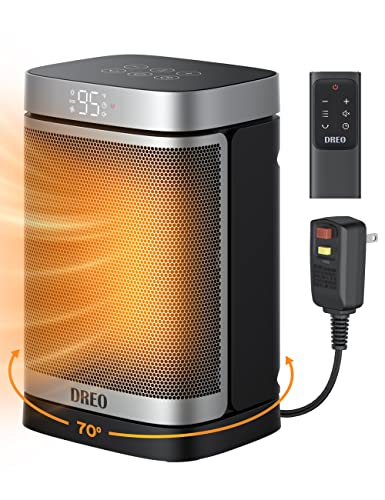
- BWP Score9.2
BWP Score is a ranking system developed by Bestwinterproducts.com. BWP score has no relationship or impact from any manufacturers or sales agent websites. Learn more
- BrandDREO

- BWP Score9.2
BWP Score is a ranking system developed by Bestwinterproducts.com. BWP score has no relationship or impact from any manufacturers or sales agent websites. Learn more
- BrandDREO

- BWP Score9.2
BWP Score is a ranking system developed by Bestwinterproducts.com. BWP score has no relationship or impact from any manufacturers or sales agent websites. Learn more
- BrandDREO

- BWP Score9.0
BWP Score is a ranking system developed by Bestwinterproducts.com. BWP score has no relationship or impact from any manufacturers or sales agent websites. Learn more
- BrandDREO

- BWP Score8.8
BWP Score is a ranking system developed by Bestwinterproducts.com. BWP score has no relationship or impact from any manufacturers or sales agent websites. Learn more
- BrandAmazon Basics

- BWP Score8.8
BWP Score is a ranking system developed by Bestwinterproducts.com. BWP score has no relationship or impact from any manufacturers or sales agent websites. Learn more
- BrandDREO
Last update on 2026-09-29 / Affiliate links / Images, Product Titles, and Product Highlights from Amazon Product Advertising API


Best Warm Winter Scarves 2026 For Cozy Comfort

Best Green Ski Goggles 2026 For Clear Vision On Slopes

12 Best Corner Electric Fireplace 2026: My Ultimate Guide To Pick One

Best Battery Powered Snow Blower 2026 For Effortless Snow Clearing

Best Ski Goggles Under 30 Inches For Crisp Vision And Comfort

Best Cooling Scarf 2026 For Instant Relief And Comfort

Fake Snow for Grass: Create a Realistic Winter Lawn Display

Dimplex Prism Wall Mount Fireplace: Sleek Heat With Modern Flame Style





