
What Type of Space Heater Is Right for a Small Room?

Most people assume any small space heater will do the job in an office or bedroom, but a compact ceramic fan heater is actually the best choice for everyday warmth. While standard heaters often crowd walkways or trip household electrical breakers, ceramic units circulate warm air across the floor within seconds. Their outer casings also cool down quickly, making them safe and easy to position in tight spaces.
Daily habits can shift that decision, though. If complete silence matters most for sleeping through the night, a compact oil-filled radiator is better because it releases steady heat without fan hum, even though it warms up more slowly. Floor space also matters, as every heater needs at least three feet of clear space away from bedding, curtains, and desks. Here is how to match the right heat style to your room layout, schedule, and safety needs.
Why Compact Ceramic Fan Heaters Win in Small Spaces
Small rooms present a distinct heating puzzle. A bedroom or home office tends to gather cold air quickly near the floor, but shutting the door can make the space stuffy if a heater is too large. For rooms between 100 and 150 square feet, a compact heater with a ceramic heating element that warms up in seconds offers the most practical answer.
Inside these units, electricity runs through small ceramic blocks that heat up almost instantly. Aluminum fins absorb this heat, and a fan that pushes warm air across the room circulates it evenly within minutes. Instead of waiting for a heavy radiator to slowly warm, you feel direct warmth across your desk or bed within seconds of turning the power dial.
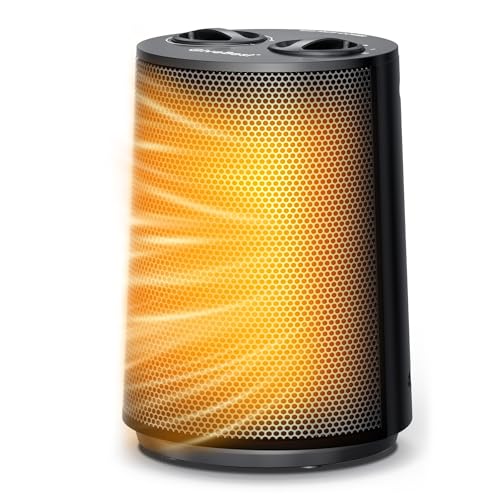
Footprint also gives ceramic heaters a major edge. Many compact models measure under seven inches wide and stand less than ten inches tall. They tuck neatly into floor corners or rest on sturdy desks without cluttering walkways.
Ceramic heaters also cool down quickly once turned off. Unlike oil-filled units that stay hot to the touch for over half an hour, a ceramic element sheds its heat within minutes of unplugging. That rapid cooldown reduces burn risks in tight quarters where pets or children move nearby.
Ceramic Versus Oil-Filled Radiators: Picking Speed or Silence
Choosing a heater for a compact room usually comes down to ceramic fan models versus oil-filled radiators. Both plug into standard wall outlets, but they distribute heat differently. Picking the right one depends on whether you prioritize quick warmth or total silence.
A ceramic heater relies on active airflow. It uses an internal fan to blow air across heated ceramic plates, creating fast, targeted warmth that spreads through an enclosed room in minutes. The tradeoff is noise. The spinning fan produces a steady hum. Many people welcome this gentle sound as background white noise while working, but light sleepers may find it distracting in a quiet bedroom.
An oil-filled radiator is a silent radiator heater that circulates steady, lasting warmth. It features metal fins filled with sealed thermal oil that an internal electric element warms. The metal exterior then releases gentle heat that warms people and furniture directly like sunlight through natural air convection. With no fan motor, an oil-filled radiator runs in total silence and will not blow dust or dry out your sinuses overnight.
The drawback of an oil-filled radiator is bulk and slow warmup time. These units are heavy and take fifteen to twenty minutes to produce noticeable heat. For quick morning work sessions, a ceramic fan heater is far more practical. For overnight bedroom warmth, an oil-filled radiator is worth the extra floor space. If your space suffers from window leaks, pairing your unit with draft protection, similar to picking a heater to warm drafty spaces, keeps that warmth from escaping.
Sizing Wattage Correctly to Stop Tripped Circuit Breakers
The most common mistake in small spaces is using a heater that draws more electricity than home wiring can supply. Electric heaters require heavy electric power draw, and running an oversized unit will repeatedly trip your circuit breaker.
Standard household wall outlets in the United States run on 120-volt circuits protected by 15-amp breakers. A heater running on high draws 1,500 watts, which equals roughly 12.5 amps of continuous current. That leaves only 2.5 amps of buffer on that circuit. If your room shares that circuit with a computer, monitors, or a television, running full heat can instantly overload the breaker.
To avoid outages, follow the standard sizing rule of ten watts per square foot of living space:
- A 50-square-foot tiny office or under-desk area needs only 500 watts.
- A 100-square-foot secondary bedroom needs about 1,000 watts.
- A 150-square-foot primary bedroom requires roughly 1,500 watts in deep winter.
Multiple heat settings help balance this electrical draw. Many ceramic heaters feature a low setting of 750 or 900 watts alongside the 1,500-watt high mode. Running on low draws only six to eight amps, providing steady heat while leaving capacity for other electronics.
An adjustable thermostat dial that clicks on and off to hold your set warmth is equally vital. Much like choosing an electric heater with a thermostat for steady heating in work areas, a thermostat prevents small rooms from turning into dry saunas and saves electricity by pausing power once the room reaches your comfort level.
Clearance and Power Cord Safety in Tight Quarters
Safety rules are critical when floor space is tight. In a ten-by-ten bedroom packed with furniture, maintaining a clear zone takes conscious planning.
Always maintain a three-foot safety buffer around your heater. Keep bedding, blankets, curtains, clothes, and wastebaskets at least thirty-six inches away from all sides. Never tuck a heater under the edge of a bed, behind an office chair, or close to hanging curtains.
Plugging the heater directly into a wall outlet is a non-negotiable rule. Never use an extension cord, power strip, or surge protector. Space heaters draw heavy current for hours. Standard power strips are not built for continuous 12.5-amp loads, which can cause internal wiring to overheat, melt, and ignite carpets.
Verify that your heater includes two essential safety shutoffs:
- A tip-over safety switch that cuts power instantly if the unit is knocked over or tilted. If an office chair bumps the heater, a mechanical base switch shuts it down immediately.
- An automatic overheat sensor that shuts the unit off if internal parts get dangerously hot. If fabric falls over the grille or dust blocks airflow, this sensor prevents plastic parts from warping or catching fire.
If your wall outlet feels warm to the touch, stop using the heater immediately. A warm outlet indicates loose internal wiring that requires inspection by a licensed electrician.
Six Plain Steps to Set Up a Small-Room Heater Safely
Setting up a heater in tight quarters takes only a few minutes, but following an orderly process prevents fire risks and electrical outages. Follow these steps whenever you position a heater in your bedroom or home office:
- Pick a flat, open floor spot at least three feet from all furniture and fabrics. Clear space ensures the intake grille draws air freely and prevents the front grille from scorching bedding, curtains, or woodwork.
- Make sure the floor surface is level, firm, and unpadded. Setting a heater on a thick carpet, soft mattress, or wobbly stool can block bottom vents and prevent safety switches from resting flat.
- Inspect the cord and plug directly into a dedicated wall outlet. A direct connection handles heavy electrical current safely without melting extension cords or tripping power strips.
- Confirm the tip-over safety switch operates properly before leaving the unit. Gently tilting the unit on a hard surface while it runs verifies that the automatic shutoff cuts power immediately.
- Start on the high heat setting to warm the room, then drop down to low. High power breaks the initial morning chill quickly, while dropping to 750 or 900 watts maintains warmth without overloading your electrical circuit.
- Adjust the temperature dial until the heating element gently clicks off. Setting your comfort cutoff allows the heater to cycle automatically, keeping the room comfortable and cutting energy waste.
What to Look for in a Small-Room Space Heater
When shopping for a small-room space heater, focus on compact dimensions and built-in safety controls rather than extreme heat output. Because a closed small room holds heat effectively, an oversized unit will simply crowd your floor and overheat the air.
Look for a compact ceramic model measuring under ten inches tall with a broad, stable base that resists tipping. A built-in carry handle makes moving the unit between your desk and bedside effortless. Look for dual power levels, such as a low 750-watt or 900-watt mode paired with a 1,500-watt high mode, so you can manage your electrical draw on shared circuits.
Check the packaging for recognized electrical safety marks, such as UL, ETL, or CSA certification symbols. These marks confirm that independent safety organizations evaluated the wiring, overheat sensors, and tip-over switches against strict safety codes. Finally, pick a unit with a simple thermostat dial to maintain steady warmth automatically throughout the day.
- BWP Score9.8
BWP Score is a ranking system developed by Bestwinterproducts.com. BWP score has no relationship or impact from any manufacturers or sales agent websites. Learn more
- BrandGiveBest

- BWP Score9.2
BWP Score is a ranking system developed by Bestwinterproducts.com. BWP score has no relationship or impact from any manufacturers or sales agent websites. Learn more
- BrandDREO

- BWP Score9.2
BWP Score is a ranking system developed by Bestwinterproducts.com. BWP score has no relationship or impact from any manufacturers or sales agent websites. Learn more
- BrandDREO

- BWP Score9.0
BWP Score is a ranking system developed by Bestwinterproducts.com. BWP score has no relationship or impact from any manufacturers or sales agent websites. Learn more
- BrandGaiatop

- BWP Score8.8
BWP Score is a ranking system developed by Bestwinterproducts.com. BWP score has no relationship or impact from any manufacturers or sales agent websites. Learn more
- BrandAmazon Basics

- BWP Score8.8
BWP Score is a ranking system developed by Bestwinterproducts.com. BWP score has no relationship or impact from any manufacturers or sales agent websites. Learn more
- BrandBLACK+DECKER

- BWP Score8.8
BWP Score is a ranking system developed by Bestwinterproducts.com. BWP score has no relationship or impact from any manufacturers or sales agent websites. Learn more
- BrandAmazon Basics

- BWP Score8.6
BWP Score is a ranking system developed by Bestwinterproducts.com. BWP score has no relationship or impact from any manufacturers or sales agent websites. Learn more
- BrandLerat
Last update on 2026-09-29 / Affiliate links / Images, Product Titles, and Product Highlights from Amazon Product Advertising API
FAQs
Can I safely run a space heater in a small bedroom overnight?
Yes, you can run a space heater overnight if the unit includes an automatic tip-over switch, an overheat sensor, and sits at least three feet away from all bedding. For sleeping, a compact oil-filled radiator is often the best choice because it produces steady heat without fan noise or dry air. Always plug the unit directly into a wall outlet and leave floor space clear around it.
How many watts do I need to heat a ten-by-ten bedroom?
A ten-by-ten-foot bedroom measures 100 square feet, which requires about 1,000 watts of heating power under typical winter conditions. Most compact heaters provide a low setting around 750 to 900 watts and a high setting of 1,500 watts. Running on high for ten minutes warms the room quickly, after which the low setting maintains comfortable warmth easily.
Why does my bedroom space heater keep tripping the electrical breaker?
A space heater trips the breaker when the electrical load exceeds the circuit capacity, which is typically 15 amps in residential bedrooms. A heater on high draws 12.5 amps, leaving minimal room for computers, televisions, or phone chargers on the same circuit. Switching your heater to its low heat setting of 750 or 900 watts reduces the draw and prevents tripped breakers.
Can I place a small ceramic space heater on top of a desk or dresser?
You can place a mini personal heater on a desk or dresser if the surface is completely flat, hard, and heat-resistant. Never set a heater on soft surfaces like a bed, sofa, or cushioned bench, which can block bottom intake vents. Ensure the front grille sits at least three feet away from computer screens, papers, and hanging blinds.


Best Warm Winter Scarves 2026 For Cozy Comfort

Best Green Ski Goggles 2026 For Clear Vision On Slopes

12 Best Corner Electric Fireplace 2026: My Ultimate Guide To Pick One

Best Battery Powered Snow Blower 2026 For Effortless Snow Clearing

Best Ski Goggles Under 30 Inches For Crisp Vision And Comfort

Best Cooling Scarf 2026 For Instant Relief And Comfort

Fake Snow for Grass: Create a Realistic Winter Lawn Display

Dimplex Prism Wall Mount Fireplace: Sleek Heat With Modern Flame Style





