
What Type of Space Heater Is Right for Your Room?

Check how quickly the heat is needed before buying any heater. Warming cold hands at a desk requires a completely different design than heating a bedroom through the night. For instant spot warmth, a ceramic fan heater is the best choice because it blows hot air immediately. For silent, sustained comfort across a whole room, an oil-filled radiator works best by slowly releasing steady heat that lingers even after the unit cycles off.
The right pick also depends on noise tolerance, room drafts, and the electrical outlets available. Fan blowers can disturb light sleepers, while heavy radiators take longer to get going in drafty spaces. Electrical circuits also have strict limits, so running high-power settings on a shared breaker requires caution. The breakdown below explains how each heater design functions so the room stays comfortable, quiet, and safe.
How do the main types of space heaters actually work?
Every electric space heater turns electrical power into heat, but each style delivers that warmth into your living space through a completely different method. Choosing the right design depends on whether you want instant warmth aimed at your body, gentle heat that fills an entire room, or a steady glow that fights off chilly drafts.
Ceramic fan heaters use a ceramic heating element that warms up in seconds paired with an internal electric fan. Electric current flows through small ceramic blocks inside the housing. As those blocks heat up, the fan pushes warm air across the room. Because air circulates actively, you feel hot air blowing across your legs and hands the moment you flip the power switch. These units heat up quickly, but the warmth dissipates almost as soon as the fan turns off.
Radiant and infrared heaters work like direct sunlight on a crisp winter afternoon. Instead of blowing hot air, they produce gentle heat that warms people and furniture directly like sunlight. The infrared waves travel through the air without heating the ambient atmosphere first. When those waves hit your clothing, a couch, or a wooden tabletop, the solid surface absorbs the energy and gets warm. This direct approach makes radiant heat the most practical choice for uninsulated spaces, open garages, or drafty spots where moving air quickly escapes. If you are looking for a reliable heater to warm drafty spaces, radiant heaters keep you comfortable because cold air leaks cannot blow the heat away.
Oil-filled radiator heaters rely on thermal storage and natural air circulation. An oil-filled radiator is a silent radiator heater that circulates steady, lasting warmth through permanently sealed internal channels. The diathermic oil inside never burns away and never requires refilling. An electric heating element in the base warms the oil, which flows through the metal fins. The hot metal gently warms the air resting against the fins, causing that warm air to rise toward the ceiling. As warm air rises, it pulls cooler air from floor level into the bottom of the heater, creating a slow, natural convection current that heats the whole room without a noisy fan.
When is a ceramic fan heater your best choice?
A ceramic fan heater is your best option when you need immediate, targeted heat in a small space. If you sit down at a chilly desk in your home office, you do not want to wait twenty minutes for a heavy radiator to warm up. A ceramic unit delivers a steady stream of hot air within two seconds of powering on, warming your hands, lap, and feet right away.
These heaters are lightweight, compact, and easy to reposition. You can place one on the floor beneath your desk, set it on a sturdy table, or move it from the kitchen to the home office as your workday progresses. Many compact ceramic heaters include an oscillating base that swings side to side across a 70-degree arc. This sweeping motion spreads the warm airflow across your entire workstation instead of scorching your shins in one stationary spot. Some designs also feature an adjustable vertical tilt, letting you angle the warm breeze straight up toward your torso or down toward your cold feet.
Keep the tradeoffs in mind before picking a ceramic fan heater for a quiet space. The internal fan makes a steady humming sound. While many people enjoy this whir as soothing white noise during the workday, light sleepers often find the sound annoying in a bedroom. Additionally, ceramic heaters offer zero thermal mass. As soon as the internal thermostat clicks off, the ceramic element cools down instantly, and an uninsulated room can feel chilly again within minutes.
Why choose an oil-filled radiator for bedrooms or long periods?
An oil-filled radiator is the ideal choice for bedrooms, home nurseries, and spaces where you plan to spend hours reading or resting. The biggest advantage is complete silence. Radiator heaters have no spinning fan blades and no rushing airflow. Aside from a soft click when the thermostat turns the heating coil on or off, an oil-filled radiator operates with zero noise, making it the top choice for undisturbed sleep.
Radiator heaters also provide much more consistent room comfort than fan models. The dense oil sealed inside the metal fins absorbs heat and releases it slowly into the surrounding room. Even after the heating element cycles off to save electricity, the metal fins continue radiating gentle warmth for twenty to thirty minutes. This thermal mass eliminates the frustrating cycle of hot drafts followed by cold chills that fan heaters often create.
Another major benefit is air quality. Fan-forced heaters blow air aggressively across glowing hot elements, which can scorch airborne dust, create dry indoor air, and irritate your sinuses. A radiator gently warms the air through natural rising currents, leaving floor dust and pet hair undisturbed. The main drawback is speed: an oil-filled radiator takes fifteen to thirty minutes to reach full operating temperature. If you need a heavy-duty heater for a cold workshop rather than a bedroom, an electric heater for steady warmth built with rugged metal housing can withstand harsh shop dust and concrete cold.
How do you match heater wattage to your room?
Matching your heater power to the size of your room prevents cold spots while protecting your household electrical circuits. In standard homes with eight-foot ceilings, you can use a simple sizing rule: budget roughly 10 watts of electric heating power for every square foot of floor space.
- Small personal zones (up to 50 sq ft): Compact heaters drawing 400 to 600 watts provide plenty of warmth for under-desk foot warming or small cubicles without wasting electricity.
- Closed bedrooms and home offices (100 to 150 sq ft): A standard 1500-watt heater set on high, or a 900-watt setting in a well-insulated room, provides steady, whole-room warmth.
- Large living rooms (200 sq ft and above): A single 1500-watt heater cannot warm an entire open-concept floor plan. In large rooms, use the heater strictly for personal zone warmth near your couch or favorite chair.
Understanding your household circuit capacity is critical to avoid tripping your electrical breakers. In standard United States homes, ordinary wall outlets operate on 120-volt lines protected by 15-amp or 20-amp circuit breakers. A 1500-watt space heater running on its highest setting pulls approximately 12.5 amps of continuous electrical current.
A standard 15-amp household circuit can safely support 1,440 continuous watts under typical electrical guidelines. That means a 1500-watt heater running on high consumes virtually all the safe capacity of that single circuit branch. If you plug a desktop computer, a laser printer, a television, or a coffee maker into an outlet that shares that same breaker, the breaker will snap off. To prevent interruptions, run your heater on a low or medium power level (such as 750W or 900W) when sharing a circuit, or make sure the heater plugs into a dedicated outlet branch that has no other major electronics running.
What safety features and clearances are completely non-negotiable?
Space heaters are powerful electrical appliances that demand strict safety habits. Following basic placement rules and verifying built-in protective sensors keeps your home warm without creating fire hazards.
- Maintain the 3-foot safety buffer: Always keep at least 3 feet (36 inches) of completely clear space on every side of the heater. Keep bedding, curtains, throw blankets, upholstered chairs, papers, and pet beds well outside this perimeter. Never drape clothing or damp towels over a space heater to dry them.
- Plug directly into a wall receptacle: Never plug an electric space heater into an extension cord, power strip, or multi-outlet surge protector. High continuous amperage creates electrical resistance inside thin extension wires and cheap plastic power strip housings. Over time, that resistance causes cords to soften, melt, and ignite carpets or baseboards. Always push the heater plug firmly and directly into a wall outlet.
- Verify a tip-over safety switch: A reliable heater must have a tip-over safety switch that cuts power instantly if the unit is knocked over or tilted. Whether a playful dog bumps the heater or someone kicks it accidentally in the dark, the internal pendulum switch cuts electricity the moment the heater leaves its upright position.
- Demand an automatic overheat sensor: An automatic overheat sensor that shuts the unit off if internal parts get dangerously hot prevents disaster if an intake vent gets blocked. If dust bunnies accumulate or a fallen blanket covers the grille, this sensor cuts power before plastic components warp or catch fire.
- Look for recognized safety marks: Check the rating label on the back or bottom of the heater for certified safety marks from testing laboratories like UL, ETL, or CSA. These marks confirm the heater meets recognized United States electrical safety standards.
Always inspect the wall outlet and the heater power cord after thirty minutes of use. Touch the plastic face of the wall outlet carefully with the back of your hand. If the outlet or the plug prongs feel unusually hot, or if you smell burning plastic, turn the heater off and unplug it immediately. Stop using that wall outlet and contact a licensed electrician to inspect and replace the worn receptacle.
What should you look for when choosing a compact heater?
When shopping for a compact heater to warm a chilly home office, bedroom, or sitting area, prioritize controls that give you flexible heat management. Look for a unit equipped with a digital temperature dial that clicks on and off to hold your set warmth. An accurate thermostat keeps your room at a comfortable temperature automatically, preventing the heater from running nonstop and driving up your electric bill.
Choose a model that offers multiple heat settings rather than a simple on-off switch. Having a low power level (such as 600W or 900W) alongside a 1500W high setting allows you to warm your immediate seating area without overloading your household circuit breaker. Built-in shutoff timers running from 1 to 12 hours are also helpful, ensuring the heater turns off automatically after you fall asleep or leave for work. Finally, check for a sturdy base with a wide footprint, a cool-touch exterior case, and an integrated carry handle so you can move the unit safely between rooms whenever you need warmth.

- BWP Score10.0
BWP Score is a ranking system developed by Bestwinterproducts.com. BWP score has no relationship or impact from any manufacturers or sales agent websites. Learn more
- BrandFLANUR

- BWP Score9.8
BWP Score is a ranking system developed by Bestwinterproducts.com. BWP score has no relationship or impact from any manufacturers or sales agent websites. Learn more
- BrandDUOMIY

- BWP Score9.2
BWP Score is a ranking system developed by Bestwinterproducts.com. BWP score has no relationship or impact from any manufacturers or sales agent websites. Learn more
- BrandDREO

- BWP Score9.2
BWP Score is a ranking system developed by Bestwinterproducts.com. BWP score has no relationship or impact from any manufacturers or sales agent websites. Learn more
- BrandDREO

- BWP Score9.2
BWP Score is a ranking system developed by Bestwinterproducts.com. BWP score has no relationship or impact from any manufacturers or sales agent websites. Learn more
- BrandDREO

- BWP Score9.2
BWP Score is a ranking system developed by Bestwinterproducts.com. BWP score has no relationship or impact from any manufacturers or sales agent websites. Learn more
- BrandDREO
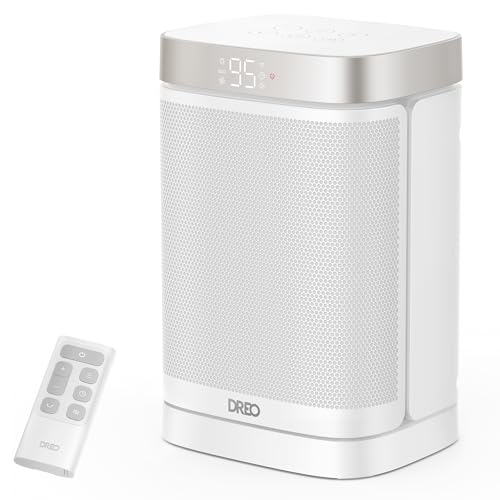
- BWP Score9.2
BWP Score is a ranking system developed by Bestwinterproducts.com. BWP score has no relationship or impact from any manufacturers or sales agent websites. Learn more
- BrandDREO

- BWP Score9.2
BWP Score is a ranking system developed by Bestwinterproducts.com. BWP score has no relationship or impact from any manufacturers or sales agent websites. Learn more
- BrandDREO

- BWP Score8.8
BWP Score is a ranking system developed by Bestwinterproducts.com. BWP score has no relationship or impact from any manufacturers or sales agent websites. Learn more
- BrandAmazon Basics

- BWP Score8.8
BWP Score is a ranking system developed by Bestwinterproducts.com. BWP score has no relationship or impact from any manufacturers or sales agent websites. Learn more
- BrandAmazon Basics
Last update on 2026-09-30 / Affiliate links / Images, Product Titles, and Product Highlights from Amazon Product Advertising API
FAQs
Can a small space heater warm an entire living room?
A compact space heater cannot warm a large open living room on its own. Standard electric space heaters are limited to 1500 watts, which provides enough warmth for roughly 150 square feet of enclosed space. In a spacious 300-square-foot living room, a portable heater serves as personal zone heat, keeping people on the sofa comfortable while leaving the farther corners of the room cool.
Which type of space heater uses the least electricity?
All electric space heaters turn electrical power into heat at nearly identical efficiency, but low-wattage personal ceramic heaters drawing 400 to 600 watts use the least total electricity when placed right next to you. Oil-filled radiators help lower operating costs over long periods because their heat-retaining oil stays hot after the internal heating coil cycles off. Setting an adjustable thermostat to a moderate temperature saves more electricity than any specific heating technology.
Is it safe to run a space heater all night while sleeping?
You can safely run a space heater overnight if it has an automatic overheat sensor, a tip-over shutoff switch, and at least 3 feet of clear space away from bedding and curtains. Oil-filled radiators are the safest choice for overnight bedroom use because they have no exposed heating elements, run completely silently, and do not blow dry air across the room. Always plug the unit directly into a wall receptacle rather than an extension cord to prevent the cord from overheating while you sleep.
Why does my space heater shut off suddenly after a few minutes?
A space heater usually shuts off because its automatic overheat sensor detected excessive heat build-up inside the housing. This commonly happens when the air intake grille collects household dust, the unit sits too close to a wall, or the heater is resting on thick carpet that blocks airflow underneath. Turn the heater off, unplug it from the wall, let it cool completely for twenty minutes, clear any lint from the grilles, and place it on a flat, hard surface before turning it back on.
.jpg)

Best Warm Winter Scarves 2026 For Cozy Comfort

Best Green Ski Goggles 2026 For Clear Vision On Slopes

12 Best Corner Electric Fireplace 2026: My Ultimate Guide To Pick One

Best Battery Powered Snow Blower 2026 For Effortless Snow Clearing

Best Ski Goggles Under 30 Inches For Crisp Vision And Comfort

Best Cooling Scarf 2026 For Instant Relief And Comfort

Fake Snow for Grass: Create a Realistic Winter Lawn Display

Dimplex Prism Wall Mount Fireplace: Sleek Heat With Modern Flame Style





