
Which Type of Tankless Water Heater Fits Your Home?

The best type of tankless water heater is a whole-house unit for daily living, unless hot water is only needed in one remote spot, which calls for a small single-sink heater. That choice changes based on how many faucets run at the exact same second. Taking a shower while someone starts the laundry requires serious heating muscle, while washing hands in a backyard workshop needs only a minor boost.
The electrical panel in the basement or garage also changes what makes sense. Heavy whole-home electric models demand thick wiring and multiple dedicated switches in the breaker box, while basic under-sink warmers plug right into standard wall outlets. Winter ground temperatures matter just as much, since freezing incoming water forces any unit to work twice as hard. Checking household routines, electrical limits, and local climate makes choosing the right match straightforward.
The Short Version
- Location dictates type: Whole-house units heat water for multiple bathrooms at once, while single-sink point-of-use heaters warm water only for the single faucet directly above them.
- 110-volt outlets cannot run showers: Small 110-volt heaters lack the power to heat fast-moving water, making them suitable only for handwashing or rinsing dishes.
- Your breaker panel sets the limit: Whole-house electric models require substantial power, often demanding a 200-amp main panel and multiple dedicated double-pole switches.
- Winter groundwater alters output: In cold climates, near-freezing inlet water forces heaters to work twice as hard, cutting warm water flow during winter months.
Whole-House Versus Single-Sink Units: How They Differ and Where Each Belongs
Choosing the right tankless heater begins with deciding whether you need hot water throughout your entire home or just at one distant fixture. Traditional water heaters keep 40 to 50 gallons hot around the clock in a central tank. Tankless models work differently by flash-heating water only when a tap opens. Because they warm water on demand, their placement and heating capacity define how well they serve your daily routines.
A single-sink heater, often called a point-of-use unit, installs directly under a counter or next to an isolated fixture. In many homes, waiting for hot water at a distant powder room or kitchen island means running the faucet for a minute or more while cool water clears from pipes. Placing a compact single-sink heater beneath that faucet delivers hot water in seconds. These compact boxes solve frustrating wait times, but their small heating elements can only serve that single tap. If you are adding hot water to an outbuilding or detached workspace, pairing a compact sink unit with an electric heater for a garage with a thermostat gives you a functional area without digging trenches to extend your home's central plumbing lines.
A whole-house tankless unit replaces your central water tank completely. It mounts to a utility wall and connects directly to your home's primary plumbing lines. When properly sized, it delivers continuous hot water to multiple fixtures simultaneously. You can shower in one bathroom while the dishwasher runs without sudden temperature drops. However, whole-house models require extensive electrical power and central placement to perform efficiently.
Why 110-Volt Heaters Handle Handwashing but Fail on Showers
Many shoppers see compact 110-volt tankless units and wonder if they can install one to power a bathroom shower. A 110-volt heater cannot generate enough thermal energy to support a shower. Heating running water instantly requires substantial electrical wattage, and standard household outlets have strict physical limits.
A standard 110-volt household circuit generally supplies units rated between 3,000 and 5,000 watts. When you wash your hands, the water flow rate is modest, usually between 0.5 and 0.8 gallons per minute. At that gentle pace, water moves slowly across the heating elements, absorbing enough warmth to rise 25 to 30 degrees. That is plenty of heat for washing hands or rinsing a plate comfortably.
A shower demands a much higher water flow rate. Modern low-flow shower heads require 1.5 to 2.0 gallons per minute, while older heads draw 2.5 gallons per minute. If you push 2 gallons of cold water every minute through a 3,000-watt heating chamber, the water rushes past before absorbing meaningful warmth. The water temperature will barely rise by 5 degrees, leaving you with cold water. To produce enough instantaneous heat for a shower, you need a heavy-duty 240-volt unit drawing between 13,000 and 24,000 watts.
Sizing Your Electrical Panel: Breaker and Wire Requirements
Before purchasing an electric tankless water heater, you must inspect your home's breaker box. Electric tankless units draw massive bursts of electricity the moment a hot faucet opens. An undersized electrical panel will trip immediately or prevent installation altogether.
Older homes frequently operate on a 100-amp main electrical service. Modern households with central air conditioning, an electric range, and a clothes dryer typically require a 200-amp panel to handle large power draws. Because a whole-house tankless heater draws heavy current, installing one on a 100-amp service often overloads the system, requiring an expensive panel upgrade from an electrician.
Whole-house electric units also rely on a double-pole breaker, which is a paired circuit switch for heavy 240V power. Unlike single switches that run standard 120-volt wall outlets, a double-pole breaker connects across two electrical bus bars inside your panel to supply 240 volts. Large tankless models rarely run on a single switch. An 18-kilowatt model usually requires two separate 40-amp double-pole breakers, while a 24-kilowatt unit often requires three separate 40-amp double-pole breakers.
Review this checklist before selecting an electric model:
- Check main panel amperage: Look at the main switch at the top of your breaker box. Confirm the handle reads 150A or 200A rather than 100A.
- Count empty switch slots: Count your available breaker spaces. A unit requiring two double-pole breakers takes four blank vertical slots.
- Account for competing appliances: Look at existing high-draw breakers. If your panel powers central air, a dryer, and an installed heater for a mobile home or living addition, spare capacity may be limited.
- Verify wire gauge: High-amperage breakers require heavy copper wire, such as 8-gauge wire for 40-amp circuits. Standard thin household wire cannot handle this load safely.
Incoming Cold Water Temperature and Required Flow Rate
The performance of any tankless water heater depends directly on the season and your geographic location. Tankless heaters do not create a fixed output temperature on their own. Instead, they produce a temperature rise added to the incoming cold water temperature, known in plumbing as the inlet temperature.
In warm southern climates like Florida or Texas, municipal water lines sit in warm soil, keeping incoming water around 65°F to 75°F year-round. Raising that water to a comfortable 105°F shower requires only a 30- to 40-degree temperature rise. Under these conditions, a moderate whole-house unit easily runs two showers at once.
In northern climates like Michigan or New York, winter groundwater drops to 35°F or 40°F. Reaching that same 105°F shower requires a steep 65-degree temperature jump, which demands twice the heating effort from the elements.
When an electric tankless unit reaches its maximum wattage, internal sensors protect you from lukewarm water by automatically restricting the water flow rate. If incoming water is near freezing, the unit slows down the stream so the water has time to heat. A unit that supplies two full showers in July might only deliver enough flow for one weak shower in January. Always size your system using your area's coldest winter inlet temperature so you avoid weak water pressure in winter.
Safe Installation Checks and When to Hire a Licensed Tradesperson
Combining high-voltage electricity and pressurized water in one cabinet requires careful installation practices. A simple wiring or plumbing error can cause electrical shocks, leaks, or fire hazards.
Keep these vital safety checks in mind during any tankless installation:
- Use dedicated circuits: Never share circuit breakers or wiring between a tankless water heater and other appliances. Each wire must run directly from the breaker panel to the heater.
- Verify solid grounding: Ensure all copper ground wires are securely connected to the panel ground bar. A solid ground prevents electrical shock if an internal element fails.
- Install isolation valves: Place dedicated shutoff valves with hose drain ports on the cold inlet and hot outlet lines. These allow you to flush mineral scale from the heating chamber annually without cutting pipes.
- Fit a pressure relief valve: Water expands as it heats rapidly. A certified pressure relief valve protects your plumbing from dangerous pressure buildup.
Stop and call a licensed electrician or plumber if your breaker panel shows rust, heat discoloration, or lacks open breaker slots. A licensed professional is also necessary if you need to upgrade your main service to 200 amps or if plumbing connections require soldering copper lines near structural wood.
Choosing the Right Tankless Setup for Your Home
Selecting the best tankless water heater comes down to your home's layout and electrical panel capacity. If your goal is eliminating long waits for hot water at a single distant sink, an under-counter single-sink heater provides the fastest, most economical fix without requiring electrical panel renovations.
If you need continuous hot water for showers, laundry, and daily family routines, choose a whole-house multi-element unit. Before buying, verify that your main electrical panel has the spare amperage and open switch slots to support high-draw breakers. Also confirm that the unit can handle your coldest winter groundwater temperatures without reducing shower flow to a trickle. Checking these requirements first ensures steady hot water without overloaded circuits.

- BWP Score10.0
BWP Score is a ranking system developed by Bestwinterproducts.com. BWP score has no relationship or impact from any manufacturers or sales agent websites. Learn more
- BrandVeferdo

- BWP Score9.4
BWP Score is a ranking system developed by Bestwinterproducts.com. BWP score has no relationship or impact from any manufacturers or sales agent websites. Learn more
- BrandECOTINYMACH
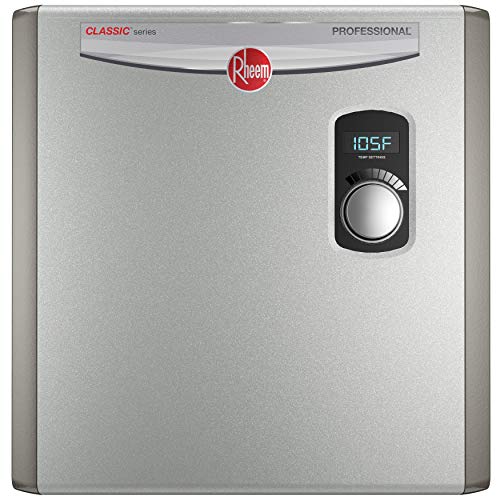
- BWP Score8.6
BWP Score is a ranking system developed by Bestwinterproducts.com. BWP score has no relationship or impact from any manufacturers or sales agent websites. Learn more
- BrandRheem

- BWP Score8.6
BWP Score is a ranking system developed by Bestwinterproducts.com. BWP score has no relationship or impact from any manufacturers or sales agent websites. Learn more
- BrandRanein

- BWP Score8.6
BWP Score is a ranking system developed by Bestwinterproducts.com. BWP score has no relationship or impact from any manufacturers or sales agent websites. Learn more
- BrandEcoSmart
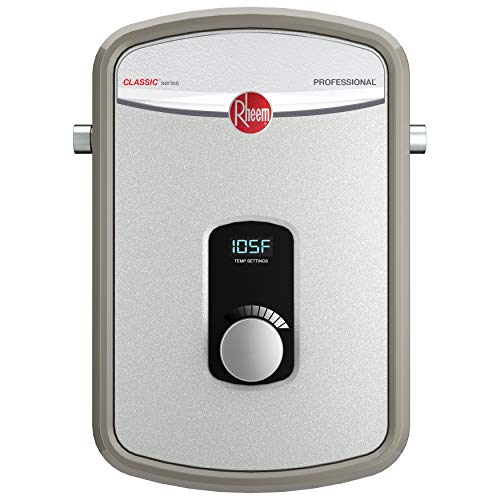
- BWP Score8.2
BWP Score is a ranking system developed by Bestwinterproducts.com. BWP score has no relationship or impact from any manufacturers or sales agent websites. Learn more
- BrandRheem

- BWP Score8.2
BWP Score is a ranking system developed by Bestwinterproducts.com. BWP score has no relationship or impact from any manufacturers or sales agent websites. Learn more
- Brandxwdzswgs

- BWP Score8.0
BWP Score is a ranking system developed by Bestwinterproducts.com. BWP score has no relationship or impact from any manufacturers or sales agent websites. Learn more
- BrandECOTINYMACH

- BWP Score7.2
BWP Score is a ranking system developed by Bestwinterproducts.com. BWP score has no relationship or impact from any manufacturers or sales agent websites. Learn more
- Brandxwdzswgs
Last update on 2026-09-30 / Affiliate links / Images, Product Titles, and Product Highlights from Amazon Product Advertising API
FAQs
Can a tankless water heater plug into a standard wall outlet?
Most whole-house tankless water heaters cannot plug into an outlet and must be hardwired directly into your main electrical panel using heavy copper wire and dedicated 240-volt breakers. Small single-sink heaters can plug into a standard 110-volt or 120-volt wall outlet, but they still require a dedicated circuit that does not share power with microwaves, hair dryers, or other appliances.
How do I know if my electrical panel can handle a whole-house tankless unit?
Look at the main breaker switch at the top of your panel box to check its total amperage rating, which is typically 100, 150, or 200 amps. Whole-house electric tankless units generally demand a 200-amp main electrical service along with two to three empty double-pole breaker slots. If your panel is rated at 100 amps or has no open slots, hire a licensed electrician to evaluate your system before buying.
Why does my hot water get weaker or cooler during winter months?
During winter, incoming cold water temperature drops significantly, forcing the heater to work twice as hard to reach your target temperature. If the heater reaches its maximum wattage, it will automatically restrict the water flow rate to maintain heat, resulting in lower pressure. Sizing your heater for your region's coldest groundwater temperatures prevents this seasonal drop in water pressure.
Do tankless water heaters save money compared to standard storage tanks?
Tankless units reduce energy use because they only heat water while a tap is running, eliminating the standby heat loss of keeping 40 to 50 gallons hot all day. However, upfront costs for wiring, heavy breakers, and installation can offset these utility savings for several years. They save the most money in homes where storage tanks waste substantial standby energy between uses.


Best Warm Winter Scarves 2026 For Cozy Comfort

Best Green Ski Goggles 2026 For Clear Vision On Slopes

12 Best Corner Electric Fireplace 2026: My Ultimate Guide To Pick One

Best Battery Powered Snow Blower 2026 For Effortless Snow Clearing

Best Ski Goggles Under 30 Inches For Crisp Vision And Comfort

Best Cooling Scarf 2026 For Instant Relief And Comfort

Fake Snow for Grass: Create a Realistic Winter Lawn Display

Dimplex Prism Wall Mount Fireplace: Sleek Heat With Modern Flame Style





