
Which Type of Water Heater Is Right for Your Home?

Most homeowners assume a tankless system is automatically the best upgrade for every house. In reality, a hybrid heat pump delivers the lowest monthly energy bills for electric homes, while a standard storage tank remains the simplest, most affordable choice upfront. Tankless models deliver endless hot water, but they only make sense if the building already has the fuel supply to support them.
Finding the right fit comes down to three main details: the existing power source, household hot water demand, and physical space. Switching from a tank to tankless can require expensive breaker box upgrades or larger gas lines that take people by surprise. Daily habits also matter, because running two showers and a dishwasher at the same time requires far more volume than a small household needs. Here is how each system compares so you can choose the right setup without any costly surprises.
Four heater styles balance upfront costs against daily efficiency
Every home water heater falls into one of four basic designs. A standard storage tank keeps 30 to 80 gallons of water piping hot around the clock inside an insulated cylinder. Cold water enters through a long tube at the bottom, warms up over a gas burner or electric heating element, and exits from the top whenever you open a hot tap. These tanks are familiar, reliable, and inexpensive to purchase. But they suffer from standby heat loss, which means they burn energy to keep water hot even while your family sleeps or works.
Tankless water heaters heat water only when you turn on a faucet. Water flows through a compact metal box mounted on a wall, where a powerful gas flame or electric element flash-heats the liquid on demand. You get an endless supply of hot water, and the unit consumes zero fuel when the taps are closed. The drawback is a strict limit on flow rate. If someone runs a load of laundry while another person showers, a tankless unit can struggle to deliver enough volume to both fixtures at the same time.
Hybrid heat pump water heaters use advanced technology to dramatically cut electricity consumption. Instead of creating heat directly with power-hungry electric coils, a hybrid heater pulls heat from surrounding air into the water using a compressor and refrigerant. The system operates like a refrigerator running in reverse. It uses standard electric elements only as a backup when hot water demand spikes. These units cost more upfront and need a large utility room with plenty of surrounding air, but they slash daily electricity costs compared to standard electric tanks.
Point-of-use mini heaters provide dedicated hot water right at an individual fixture. These compact units tuck neatly inside a bathroom vanity or kitchen base cabinet, holding between 1.5 and 10 gallons of water or heating small streams on demand. They do not replace a central household heater. Instead, they eliminate long waits at distant faucets by warming the water immediately where you wash your hands or rinse dishes.
Your utility connections decide which heater you can install
Before shopping for a water heater, inspect the fuel and power supplies in your home. Your existing utility connections often eliminate certain heater styles immediately. Forcing the wrong heater type into an incompatible house can trigger thousands of dollars in surprise electrical rewiring or gas pipe replacements.
Electrical service limits represent the biggest obstacle for homeowners considering electric tankless units. Electrical service refers to the total power capacity of your home breaker box, commonly rated at 100, 150, or 200 amps in residential houses. A standard 50-gallon electric storage tank draws around 18 to 20 amps on a single 30-amp, 240-volt circuit. In contrast, a whole-house electric tankless heater requires an enormous burst of power to heat freezing water instantly. Many electric tankless models require three or four separate 40-amp or 50-amp breakers, pulling up to 120 or 150 amps at once. If your home has a 100-amp or 150-amp breaker panel, installing an electric tankless heater will overload your system unless you pay for a full electrical panel upgrade.
Gas lines and exhaust venting present similar boundaries for natural gas and propane heaters. Standard gas storage tanks burn a modest amount of fuel, typically venting exhaust naturally up an existing metal or brick chimney through a 1/2-inch gas supply line. Whole-house gas tankless heaters burn gas at a much higher rate. They frequently require an upgrade to a 3/4-inch gas line from the meter to supply enough fuel. They also produce cooler, acidic exhaust that cannot share an old chimney. Instead, they require dedicated PVC or stainless steel vent pipes routed directly through an exterior wall.
Match tank capacity and water flow to your family
Buying the wrong size water heater leads to freezing showers or wasted utility dollars. Sizing a storage tank is entirely different from sizing a tankless system, so you must evaluate how your family actually uses water during busy morning routines.
Storage tanks rely on a measurement called the First Hour Rating, printed on the yellow EnergyGuide label. This rating tells you how many gallons of hot water the tank can deliver in a single hour, starting with a full tank of hot water and counting new water warmed during that hour. You can choose the right storage capacity using these household benchmarks:
- 1 to 2 people: A 30 to 40-gallon tank providing a First Hour Rating of 45 to 55 gallons handles one shower and a sink running at the same time.
- 3 to 4 people: A 40 to 50-gallon tank with a First Hour Rating of 60 to 70 gallons supports back-to-back morning showers without running out of warmth.
- 5 or more people: A 55 to 80-gallon tank or a high-capacity hybrid heat pump with an 80-plus gallon First Hour Rating handles simultaneous showers, dishwashing, and laundry.
Tankless heaters are sized by water flow rate in gallons per minute, known as GPM, alongside incoming groundwater temperature. To size a tankless unit, add up the flow rates of every fixture your household might run at the exact same moment. A standard showerhead uses about 2.0 GPM, a bathroom sink faucet uses 1.0 GPM, and a kitchen sink draws about 1.5 GPM. If two family members shower while the kitchen faucet runs, your tankless heater must produce at least 5.5 GPM.
Incoming groundwater temperature changes everything for tankless systems. In warm southern states, ground water enters the home at 65 degrees Fahrenheit, requiring only a modest temperature boost to reach 120 degrees. In cold northern states, winter ground water enters at 40 degrees Fahrenheit. Heating that freezing water up to 120 degrees requires an 80-degree temperature rise, which cuts the hot water output of a tankless heater roughly in half. Always verify that a tankless unit can produce your required flow rate during the coldest week of winter.
Long-term energy savings often beat low purchase prices
The true cost of a water heater includes the purchase price, professional installation fees, and ten to fifteen years of monthly utility bills. Choosing the cheapest model in the showroom often costs substantially more over the working life of the appliance.
Standard electric storage tanks carry the lowest purchase price and simplest installation. However, traditional electric resistance elements are the most expensive method for heating water. These tanks run their elements frequently to combat standby heat loss, resulting in steady, high electric bills month after month. They are best suited for rental properties, vacation cabins, or tight budgets where low upfront spending is the top priority.
Hybrid heat pump water heaters cost significantly more to buy than standard electric tanks, but they use up to three times less electricity. Because a hybrid heater pulls heat from surrounding air into the water, it slashes hundreds of dollars off annual electric bills in an all-electric home. For most homeowners with electric utilities, the energy savings fully recover the higher purchase price within several years. A hybrid unit also dehumidifies and cools the room it sits in, which is a great bonus in damp basements or warm garages.
Natural gas tankless units carry high equipment and installation costs due to specialized venting and gas line upgrades. But natural gas is generally cheaper than electricity in many regions, and tankless units run only when you open a tap. A quality tankless unit also lasts roughly 20 years, whereas traditional storage tanks rarely survive past 10 or 12 years before tank rust leads to leaks. Over a 20-year period, a gas tankless system provides excellent value for large families that use heavy amounts of hot water every day.
Water hardness also impacts your long-term ownership costs. Hard water contains dissolved minerals that settle at the bottom of standard storage tanks as sediment. You must drain and flush a storage tank once a year to wash out this buildup and protect the bottom heating element. In tankless heaters, hard water minerals bake directly onto the narrow copper or stainless steel heat exchanger tubing. Left unchecked, scale buildup restricts water flow and causes the unit to overheat. If you live in an area with hard water, budget for an annual descaling flush using a pump and vinegar, or install a whole-house water softener to protect your investment.
Hire a licensed professional for high-risk venting and wiring
Water heaters combine pressurized water, intense heat, high-voltage electricity, and flammable gas within a single appliance. A failed installation can cause house fires, carbon monoxide leaks, burst pipes, and ceiling collapses. Knowing which tasks require a licensed professional protects both your family and your home insurance policy.
Always practice safe action first. If you ever smell rotten eggs near a gas heater, see scorched wiring at a junction box, or notice water pouring from the tank, shut off the supplies immediately. Turn the gas shutoff valve a quarter turn so the handle sits perpendicular to the pipe, or switch off the dedicated double-pole breaker in your main electrical panel. Then close the cold water shutoff valve on top of the heater to stop incoming water pressure.
Keep this checklist of high-risk installation tasks that strictly require a qualified plumber or electrician:
- Gas line sizing and combustion venting: Connecting gas pipe requires precise pressure checks, leak detection with bubbling solution, and correct slope on exhaust flues. Improper venting can pull toxic carbon monoxide back into living spaces.
- High-amperage electrical wiring: Upgrading breakers, pulling thick 6 AWG copper wire, and balancing circuit loads in your breaker box require a licensed electrician to avoid overheating wires inside your walls.
- Temperature and pressure relief valve piping: The safety valve on the side of a tank prevents catastrophic tank explosions if water overheats. It must be piped downward with rigid metal or approved plastic pipe to within six inches of the floor or into an exterior drain.
- Sealed combustion in restricted rooms: Installing a water heater in an enclosed utility closet or manufactured home requires sealed combustion closets that draw fresh air directly from outside. These setups follow strict clearance rules, similar to the ventilation requirements needed when heating an enclosed living space with a heater for a mobile home.
- Local building permits and inspections: Most towns and cities require a plumbing permit when replacing a water heater. A city inspector checks that seismic straps, expansion tanks, and drain pans meet current local codes.
Compact mini-tank heaters solve long waits at distant faucets
Replacing an entire central water heating system is not always necessary if your main tank is still healthy. When your only frustration is waiting two minutes for hot water to reach an upstairs master bath, a kitchen island sink, or an addition, a compact point-of-use mini-tank provides a fast and affordable solution.
These compact heaters sit directly inside the cabinet under a sink or mount to an adjacent wall. They tap into the existing cold or hot water supply line, heating a small reservoir of water right where you need it. When you turn on the faucet, steaming hot water flows immediately without wasting gallons down the drain while you wait for water to travel from a basement tank. They also work wonderfully in detached garages or workshops where running underground hot water pipes is impractical, functioning alongside a garage heater with a thermostat to keep workspace sinks fully functional in winter.
Before purchasing a compact under-sink heater, measure your cabinet space carefully. Check the clearance around existing sink drainpipes, garbage disposals, and pull-out trash bins to confirm the unit can sit upright with room for plumbing connections. Next, check your electrical supply under the cabinet. Many mini-tanks plug directly into a standard 120-volt household wall outlet, but they require a grounded circuit that is not overloaded by other heavy appliances. Confirm the pipe connection sizes on your sink valves, and ensure the unit comes with a certified temperature and pressure relief valve to guarantee safe operation inside closed cabinetry.
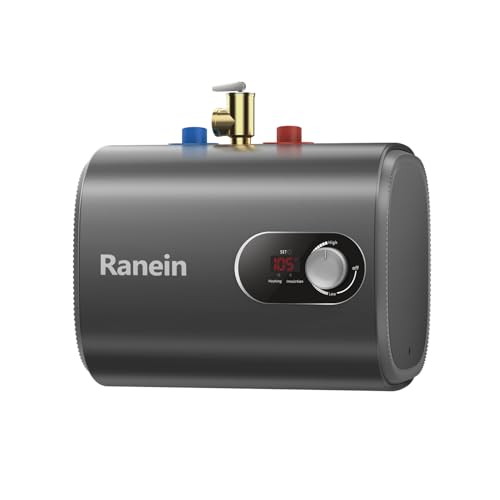
- BWP Score9.6
BWP Score is a ranking system developed by Bestwinterproducts.com. BWP score has no relationship or impact from any manufacturers or sales agent websites. Learn more
- BrandRanein

- BWP Score9.4
BWP Score is a ranking system developed by Bestwinterproducts.com. BWP score has no relationship or impact from any manufacturers or sales agent websites. Learn more
- BrandNessxa

- BWP Score9.4
BWP Score is a ranking system developed by Bestwinterproducts.com. BWP score has no relationship or impact from any manufacturers or sales agent websites. Learn more
- BrandNessxa

- BWP Score9.2
BWP Score is a ranking system developed by Bestwinterproducts.com. BWP score has no relationship or impact from any manufacturers or sales agent websites. Learn more
- BrandOrbek
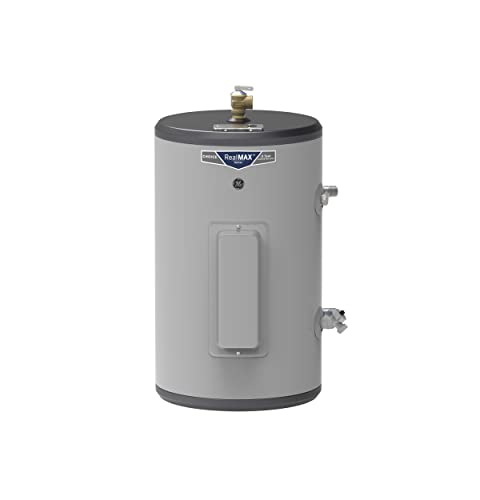
- BWP Score9.0
BWP Score is a ranking system developed by Bestwinterproducts.com. BWP score has no relationship or impact from any manufacturers or sales agent websites. Learn more
- BrandGE

- BWP Score8.8
BWP Score is a ranking system developed by Bestwinterproducts.com. BWP score has no relationship or impact from any manufacturers or sales agent websites. Learn more
- BrandHUVOPUMO

- BWP Score8.4
BWP Score is a ranking system developed by Bestwinterproducts.com. BWP score has no relationship or impact from any manufacturers or sales agent websites. Learn more
- BrandVEVOR

- BWP Score8.2
BWP Score is a ranking system developed by Bestwinterproducts.com. BWP score has no relationship or impact from any manufacturers or sales agent websites. Learn more
- Brandxwdzswgs

- BWP Score8.2
BWP Score is a ranking system developed by Bestwinterproducts.com. BWP score has no relationship or impact from any manufacturers or sales agent websites. Learn more
- BrandKENUOS

- BWP Score8.0
BWP Score is a ranking system developed by Bestwinterproducts.com. BWP score has no relationship or impact from any manufacturers or sales agent websites. Learn more
- BrandECOTINYMACH
Last update on 2026-09-30 / Affiliate links / Images, Product Titles, and Product Highlights from Amazon Product Advertising API


Best Warm Winter Scarves 2026 For Cozy Comfort

Best Green Ski Goggles 2026 For Clear Vision On Slopes

12 Best Corner Electric Fireplace 2026: My Ultimate Guide To Pick One

Best Battery Powered Snow Blower 2026 For Effortless Snow Clearing

Best Ski Goggles Under 30 Inches For Crisp Vision And Comfort

Best Cooling Scarf 2026 For Instant Relief And Comfort

Fake Snow for Grass: Create a Realistic Winter Lawn Display

Dimplex Prism Wall Mount Fireplace: Sleek Heat With Modern Flame Style





