
Which Water Heater Type Fits Your Home and Budget?

Most homeowners assume that modern tankless models are automatically the superior choice for every house. In reality, the best type depends on your power setup and budget. A hybrid heat pump, which pulls warmth from the surrounding air, cuts monthly electric bills the most. Traditional storage tanks cost the least upfront, while tankless units save floor space and supply continuous hot water on demand.
Your final pick hinges on existing gas or electric connections, breaker panel capacity, and how many showers run at once. Choosing a system without checking those details can trigger costly electrical rewiring or new exhaust venting. Balancing daily water needs with your home layout prevents surprise installation fees and cold showers. Here is how each main option stacks up in everyday use.
The Short Version
- Standard storage tanks cost the least to purchase and install, but keeping a large cylinder of water hot around the clock creates higher monthly energy bills.
- Hybrid heat pumps pull heat from surrounding air to warm water, delivering the lowest electric bills of any option and paying for themselves over time if you have sufficient space.
- Tankless units heat water on demand as it flows without storage, providing endless hot showers and saving floor space, but they often require expensive electrical panel or gas line upgrades.
- Point-of-use systems serve a single fixture directly, eliminating long delays for hot water at distant taps without forcing you to replace your entire central plumbing setup.
The Four Main Water Heater Types Compared
Water heaters fall into four distinct categories. The right choice depends on your existing utility hookups, how much physical space you have, and how your household uses water during peak morning routines.
1. Traditional Storage Tank Water Heaters
Storage tank water heaters remain the most common setup in North American homes. These units store anywhere from 30 to 80 gallons of water in an insulated steel tank, heating it continuously using natural gas burners or electric heating elements. Because hot water sits waiting at your set temperature, it is ready immediately when you turn on a tap.
The main advantage is a low upfront cost. Replacing an old tank with a similar model is usually straightforward because your existing pipes, electrical wires, or gas vents line up directly. But storage tanks suffer from standby heat loss, meaning heat escapes through the tank walls even when you are asleep or away at work. Once the tank empties from back-to-back showers, you must wait through the recovery rate (the time needed to reheat an emptied tank) before anyone can get warm water again.
2. Tankless On-Demand Water Heaters
A tankless water heater heats water on demand as it flows without storage. Cold water enters the unit through a pipe, passes through a powerful heating element or high-output gas burner, and exits hot within seconds. Because these units mount directly to a wall, they free up valuable square footage in basements, utility closets, and garages.
The biggest benefit is endless hot water. As long as you stay within the unit capacity, a shower will never run cold. Tankless models also eliminate standby heat loss completely. The drawback lies in upfront equipment and installation costs. Tankless performance is strictly limited by its flow rate (the gallons of hot water provided per minute). If your family runs multiple showers, a sink, and a washing machine at the exact same moment, the water temperature can drop noticeably.
3. Hybrid Heat Pump Water Heaters
A hybrid heat pump pulls heat from surrounding air to warm water stored inside an attached tank. Instead of generating heat directly through electric resistance coils, it operates much like a refrigerator running in reverse. It absorbs ambient warmth from the utility room, concentrates that heat, and transfers it directly into the water.
This design makes hybrid units the most energy-saving electric option available. They use up to a third of the electricity consumed by a standard electric tank, which slashes monthly utility bills. Standard electric coils kick in only when demand spikes, such as when hosting holiday guests. The catch is physical size and location. Heat pumps stand taller than basic tanks and need roughly 700 to 1,000 cubic feet of surrounding air space to breathe, along with a drain line for condensed moisture. They also exhaust cool, dry air, which can make unheated basements feel chilly in winter.
4. Point-of-Use Mini-Tank and Compact Heaters
A point-of-use heater is a small heater dedicated to a single sink, shower, or appliance. These compact units usually hold between 1.5 and 4 gallons of water or use a compact electric heating chamber that fits directly beneath a counter or inside a vanity cabinet.
Point-of-use units solve the frustration of waiting minutes for hot water to travel from a basement heater to a distant kitchen sink or detached garage. They deliver warmth right at the faucet, saving gallons of water that would otherwise drain away while waiting. However, these units have small capacities. They cannot provide enough warm water to run a whole house, so they serve as helpers alongside your central system rather than primary whole-home heaters.
Utility Compatibility: Checking Your Power, Gas, and Venting
Before falling in love with a specific water heater, inspect your home utility connections. Buying a unit that does not match your existing setup can turn a simple weekend job into an expensive remodeling project involving permits, trenching, and electrical rewiring.
- Gas Line Capacity: A standard gas tank uses a modest burner that usually runs on a half-inch gas pipe. A whole-house gas tankless unit demands a massive burst of fuel to heat high-speed water instantly. It frequently requires a larger three-quarter-inch or one-inch gas supply line. If your meter or pipe is too small, a gas tankless unit will starve for fuel during peak demand.
- Electrical Panel and Breakers: A standard electric storage tank runs on a single 30-amp, 240-volt double-pole breaker. In contrast, an electric whole-house tankless heater draws immense power, often requiring three or four separate 40-amp or 50-amp breakers. If your home has an older 100-amp or 150-amp electrical panel, adding a whole-house electric tankless model can require a complete service panel upgrade to 200 amps or more. Point-of-use units are much gentler on your panel, typically drawing around 1,440 to 1,500 watts on a standard 120-volt circuit.
- Venting and Exhaust Pathways: Standard gas tanks vent hot exhaust gases upward through a metal chimney pipe using natural draft. High-efficiency condensing tankless units and advanced tanks use electric blowers that push cooler exhaust out horizontally through plastic PVC pipes. This means installers may need to drill new holes through an exterior wall. If you are retrofitting a tight utility room or an enclosed manufactured home, verify dedicated venting requirements just as you would when selecting a heater for mobile home utility closets.
- Air Clearance for Heat Pumps: Because a hybrid heat pump extracts warmth from ambient air, placing it in a tiny, unvented closet will starve the compressor. It requires either a large open utility space, a louvered closet door that lets air circulate freely, or dedicated ductwork that channels room air across the intake grille.
Sizing for Household Demand: Peak Flow and Family Size
Picking the correct capacity prevents the shock of a sudden cold shower while avoiding the wasted expense of buying more capacity than your home will ever need. Sizing works differently depending on whether you choose a storage tank or an on-demand unit.
When sizing a storage tank or hybrid heat pump, look at the First Hour Rating (FHR) on the yellow EnergyGuide label. This number tells you how many gallons of hot water the tank can deliver in one busy hour starting from a full hot tank. For a home with one or two people, a 30 to 40-gallon tank usually covers normal use. A family of three or four typically needs a 50-gallon to 60-gallon tank. For five or more people, step up to a 65 to 80-gallon tank. If your family members shower back-to-back, keep in mind that natural gas tanks have a much faster recovery rate than traditional electric tanks, reheating an emptied reservoir in roughly half the time.
When sizing a tankless water heater, forget gallon storage capacity and focus entirely on flow rate and temperature rise. Calculate your peak simultaneous use. A modern showerhead flows at roughly 1.5 to 2.5 gallons per minute (GPM), a bathroom sink uses about 0.5 to 1.5 GPM, and a dishwasher or washing machine uses 1.5 to 3.0 GPM. If you want to run two showers and a sink at the same time, you need a unit rated for at least 4.5 to 5.5 GPM under local conditions.
Incoming water temperature changes everything for tankless sizing. In warm southern states, ground water enters your home around 65 degrees Fahrenheit, requiring the heater to boost the temperature by only 55 degrees to hit a comfortable 120 degrees. In northern states during winter, groundwater can enter at a frigid 40 degrees Fahrenheit. The unit must raise the water by 80 degrees, which cuts its maximum flow rate nearly in half. Always size a tankless heater using your coldest winter incoming water temperatures rather than summer ratings.
Upfront Cost Versus Ongoing Monthly Bills
A water heater is one of the top energy-consuming appliances in your home, trailing only your central heating and cooling system. Deciding between options requires balancing what you spend today against what you pay on your utility bills every month for the next ten to fifteen years.
Traditional storage tanks carry the lowest purchase price and the simplest installation costs. If you need a fast replacement on a tight budget, a basic tank gets your hot water restored quickly without surprise contractor bills. But because it keeps water hot day and night, it consumes more energy over its operating life than any modern alternative.
Hybrid heat pumps carry a higher purchase price, but they slash electric consumption so dramatically that they often save hundreds of dollars a year on electric bills compared to standard electric tanks. In many utility regions, local energy rebates help offset the initial purchase. For homes that rely entirely on electricity, a hybrid heat pump delivers the fastest real-world financial payback.
Gas tankless units cost more to buy and install due to venting and gas line modifications. But because they burn fuel only when a faucet turns on, they eliminate standby waste and last roughly 20 years, compared to the 10 to 12-year lifespan of standard tanks. If you plan to remain in your home for five years or more, the comfort of endless hot water combined with lower gas usage often justifies the upfront investment.
Common Mistakes That Cause Cold Showers and Blown Budgets
Replacing a water heater involves plumbing, high heat, and significant electrical or fuel loads. Avoid these common mistakes that lead to early equipment failure, unexpected costs, or performance issues.
- Ignoring Mineral Scale in Hard Water Areas: When hard water heats up, dissolved minerals like calcium and magnesium separate and settle as hard scale. In tankless units, this scale coats the narrow heat exchanger passages, restricting water flow and causing overheating errors. In tank models, sediment forms a thick blanket at the bottom, trapping heat, reducing efficiency, and causing popping noises. If you have hard water, flush your system once a year and use a sediment flushing tool to clear out heavy mineral clogs.
- Assuming an Electric Tankless Is an Easy Swap: Many homeowners assume replacing an old electric tank with a small electric tankless box is a simple afternoon project. They discover too late that their main home panel cannot supply the required 100 to 150 amps without tripping the main breaker whenever the heat or stove turns on. Always calculate your home total electrical load before purchasing an electric tankless model.
- Placing a Hybrid Heat Pump in a Freezing Location: Hybrid units need heat from the air. Installing one in an unconditioned, freezing garage in a northern climate severely degrades efficiency. When room temperatures drop too low, the unit shuts off its heat pump compressor and switches to standard electric coils, erasing your energy savings. If your workspace or garage houses plumbing and utility connections, maintaining steady warmth with a heater for garage with thermostat protects pipes from freezing and keeps surrounding air temperatures within safe operational ranges.
- Neglecting Pressure Relief Valves: Every water heater must have an operational temperature and pressure relief valve (a spring-loaded safety valve that opens if water gets too hot or builds excessive pressure). Never cap, plug, or reduce the discharge pipe connected to this valve. Doing so creates a dangerous pressure vessel risk inside your living space.
When to Add a Dedicated Point-of-Use Water Heater
Sometimes the issue is not the size or age of your main water heater, but the distance between the heater and your fixtures. In long ranch homes, multi-story layouts, or properties with detached spaces, hot water can take over a minute to travel through cold copper or PEX pipes. A compact point-of-use water heater solves this specific issue by warming water directly where it is used.
Before choosing a point-of-use unit, measure your installation space carefully. If you plan to install a mini-tank inside a bathroom vanity or under a kitchen sink, check the height, width, and depth against your existing drain pipes, shutoff valves, and garbage disposal. Look for models with standard 120-volt grounded plugs that can plug directly into an available wall outlet, but verify that the circuit is not already overloaded by high-draw appliances like microwaves or dishwashers.
For sinks used strictly for handwashing or quick rinsing, a mini-tank holding 2 to 4 gallons provides enough ready volume without long recovery waits. Check that the unit includes an adjustable front temperature dial, sturdy mounting brackets for wall or cabinet floor placement, and standard half-inch plumbing connections for easy hookup to your sink supply lines.
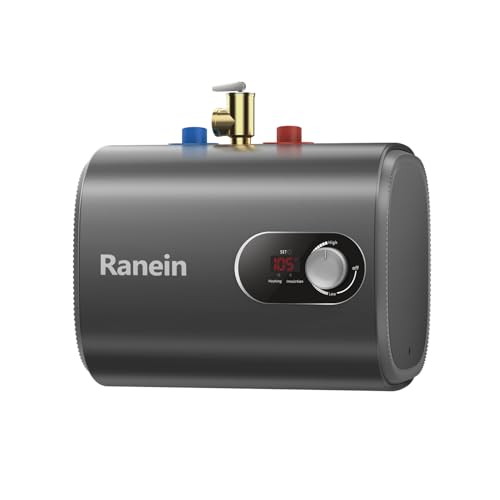
- BWP Score9.6
BWP Score is a ranking system developed by Bestwinterproducts.com. BWP score has no relationship or impact from any manufacturers or sales agent websites. Learn more
- BrandRanein

- BWP Score9.4
BWP Score is a ranking system developed by Bestwinterproducts.com. BWP score has no relationship or impact from any manufacturers or sales agent websites. Learn more
- BrandNessxa

- BWP Score9.2
BWP Score is a ranking system developed by Bestwinterproducts.com. BWP score has no relationship or impact from any manufacturers or sales agent websites. Learn more
- BrandOrbek

- BWP Score9.2
BWP Score is a ranking system developed by Bestwinterproducts.com. BWP score has no relationship or impact from any manufacturers or sales agent websites. Learn more
- BrandSediment Buster

- BWP Score8.8
BWP Score is a ranking system developed by Bestwinterproducts.com. BWP score has no relationship or impact from any manufacturers or sales agent websites. Learn more
- BrandHUVOPUMO

- BWP Score8.6
BWP Score is a ranking system developed by Bestwinterproducts.com. BWP score has no relationship or impact from any manufacturers or sales agent websites. Learn more
- BrandTouwenzd
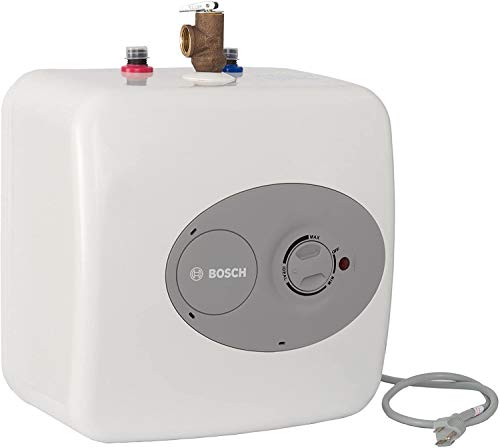
- BWP Score8.4
BWP Score is a ranking system developed by Bestwinterproducts.com. BWP score has no relationship or impact from any manufacturers or sales agent websites. Learn more
- BrandBOSCH

- BWP Score8.2
BWP Score is a ranking system developed by Bestwinterproducts.com. BWP score has no relationship or impact from any manufacturers or sales agent websites. Learn more
- BrandKENUOS

- BWP Score8.2
BWP Score is a ranking system developed by Bestwinterproducts.com. BWP score has no relationship or impact from any manufacturers or sales agent websites. Learn more
- Brandxwdzswgs

- BWP Score8.0
BWP Score is a ranking system developed by Bestwinterproducts.com. BWP score has no relationship or impact from any manufacturers or sales agent websites. Learn more
- BrandECOTINYMACH
Last update on 2026-09-30 / Affiliate links / Images, Product Titles, and Product Highlights from Amazon Product Advertising API
FAQs
Is a tankless water heater worth the higher upfront price?
A tankless water heater is worth the investment if your household frequently runs out of hot water, if you need to reclaim floor space, and if you plan to stay in your home long enough to benefit from its 20-year lifespan. However, if your home requires expensive electrical panel upgrades or larger gas lines to support it, a high-efficiency storage tank or hybrid heat pump may offer a much better return on investment.
Can I install a hybrid heat pump water heater in a small closet?
You should not install a hybrid heat pump in a small, sealed closet because it needs continuous access to roughly 700 to 1,000 cubic feet of surrounding air to pull heat effectively. If you must place it inside a closet, you need to install a fully louvered door or connect dedicated intake and exhaust ductwork to draw air from an adjacent room.
How often should I flush my water heater to remove sediment?
You should flush your water heater at least once every twelve months to clear out mineral scale and sediment that settles at the bottom of the tank or inside tankless heat exchangers. In areas with very hard well water, flushing every six months helps maintain energy efficiency, prevents burner overheating, and extends the operational life of the heating elements.
What size water heater do I need for a family of four?
For a family of four using a traditional storage tank or hybrid heat pump, a 50-gallon to 60-gallon unit with a high First Hour Rating provides enough water for morning routines. If you choose a tankless system, select a unit that delivers at least 4.5 to 5.5 gallons per minute so it can handle two showers and a sink running simultaneously in cold weather.


Best Warm Winter Scarves 2026 For Cozy Comfort

Best Green Ski Goggles 2026 For Clear Vision On Slopes

12 Best Corner Electric Fireplace 2026: My Ultimate Guide To Pick One

Best Battery Powered Snow Blower 2026 For Effortless Snow Clearing

Best Ski Goggles Under 30 Inches For Crisp Vision And Comfort

Best Cooling Scarf 2026 For Instant Relief And Comfort

Fake Snow for Grass: Create a Realistic Winter Lawn Display

Dimplex Prism Wall Mount Fireplace: Sleek Heat With Modern Flame Style





