
What Does a Tankless Water Heater Cost to Buy and Install in 2026?

Check the main breaker box or utility closet before setting any budget. The physical equipment is only part of the story, because professional installation often costs more than the heater itself. While the unit hangs neatly on a wall, connecting it to enough power or safe exhaust routes usually drives the true bottom line.
Total expenses shift based on how much hot water a home demands and how it is powered. A tiny point-of-use heater for a single hand sink stays simple, but running multiple showers at once requires a heavy-duty setup. Electric systems often call for thicker wiring or a panel upgrade, while gas models require special venting pipes to carry exhaust safely outside. Knowing how these pieces fit together will help plan the right setup without getting blindsided by unexpected bids.
Why does total cost differ from equipment price?
When shopping for a tankless water heater, the shelf price looks straightforward. A compact wall-mounted box takes up little space, and the appliance price seems manageable. But the equipment is only the first piece of your budget. In many homes, the money spent on labor, pipe fittings, electrical wiring, and permits matches or exceeds the cost of the heater itself.
This price gap happens because a traditional tank and a tankless unit operate on different principles. Replacing an old tank with another tank is a simple swap. A plumber drains the old cylinder, sets the replacement in the same footprint, and reconnects existing lines in a few hours because your home infrastructure already matches what the tank needs.
A tankless unit heats water on demand as it rushes toward your faucet. Producing instant heat requires a massive surge of energy. If your house was built around a traditional tank, your electrical panel, gas line, and exhaust vents were never sized for that sudden load. Retrofitting those utilities takes licensed trade work, which is why contractor bids often double or triple the equipment price.
What hidden installation expenses drive up plumber bids?
Contractor estimates vary widely because each home requires different structural and utility modifications. Here are the five site upgrades that drive up installation bids:
- Electrical panel upgrades and wiring runs: Whole-house electric tankless units draw huge amounts of electricity. A standard model often requires two or three double-pole breakers (large switches in your electrical panel for heavy power). If your main panel is rated for 100 or 150 amps, an electrician may need to upgrade your entire service to 200 amps. Running heavy copper wire from the panel to the heater also adds substantial material and labor expense.
- Gas pipe upsizing: Gas-fired tankless models need a large volume of fuel the instant a tap opens. Standard tanks usually run on a half-inch pipe, but tankless gas units often require a three-quarter-inch or one-inch line. If your meter sits far from the heater, a plumber must drill through joists and run new, wider iron pipe across the house.
- Dedicated exhaust venting: Tankless gas heaters produce acidic exhaust. By code, they cannot share a chimney with a furnace. They require dedicated venting (pipes carrying exhaust gases safely outside) made from specialized stainless steel or rigid plastic that resists corrosion. Contractors must cut through rim joists or roof decking to route and seal these lines.
- Plumbing re-routing and isolation valves: Wall-mounted heaters do not align with old tank plumbing, requiring plumbers to solder new copper or plastic lines. A proper installation also requires isolation valves. These service valves let you shut off house water and flush the heater with cleaning solution during routine maintenance.
- Permits and code compliance: Municipalities require plumbing and electrical permits for water heaters. Inspectors check for required expansion tanks, pressure relief valves, and safe electrical clearances, which adds permit fees and administrative time to your bill.
Should you choose point-of-use or a whole-house system?
To control your budget, decide whether you need whole-house capacity or targeted hot water at a single fixture. The market divides tankless equipment into two clear categories:
A point-of-use heater is installed right at a single sink, shower, or appliance. Because it serves one fixture, its energy demand is low. Many small electric models run on standard household circuits or a single dedicated breaker, tucking neatly inside a vanity or kitchen cabinet.
These compact heaters are sized by GPM (water flow in gallons per minute). A small under-sink unit delivers roughly 1.0 GPM with a modest temperature rise. That provides plenty of warm water to wash hands or rinse dishes, but it cannot deliver enough volume for a full shower.
A whole-house system delivers 3.0 to 5.0 GPM or more, allowing someone to shower upstairs while the kitchen dishwasher runs. But supporting multiple open taps demands heavy electrical service or large gas lines, triggering the expensive utility upgrades mentioned above.
If your central water heater works well but takes two minutes to reach a remote bathroom or an outbuilding, a point-of-use unit is a budget-friendly fix. For example, when outfitting a detached garage alongside a steady heater for a garage workshop, an under-sink electric unit provides warm water without touching your central plumbing.
How much does maintenance and daily use cost over time?
After installation, your ongoing costs center on monthly utility bills and routine maintenance.
A tankless unit lowers energy waste by eliminating standby heat loss. Traditional water heaters constantly reheat stored water all day, even when no one is home. A tankless unit only consumes power while a hot water tap is running. While this lowers your monthly utility bill, the savings accumulate gradually over years rather than cutting your overall expenses in half overnight.
The main maintenance expense is managing scale buildup (hard mineral crust inside the heating pipes). Because water heats instantly against hot internal elements, minerals like calcium and magnesium bake onto the metal pipes. Over time, this crust insulates the heat exchanger, chokes water flow, and causes the unit to overheat or shut down.
To keep your heater running efficiently, you must flush the heat exchanger every 12 to 18 months. You connect two hoses to the isolation valves, place a small utility pump in a bucket with three gallons of white vinegar, and circulate the liquid through the heating core for an hour. Doing this yourself costs very little. But hiring a plumber for an annual flush can quickly consume your yearly energy savings. In areas with hard water, adding a water softener or scale filter upstream protects your investment.
How do you inspect your home setup before buying?
Before ordering equipment or calling a contractor, perform a quick visual inspection of your home. Checking these key points tells you whether your house is ready for tankless:
- Check your electrical panel: Open your breaker box door and read the number stamped on the main breaker handle, which is typically 100, 150, or 200. Next, count the unused breaker spaces. A whole-house electric unit requires at least 200-amp service and several open double-pole breaker spaces. If your panel is rated for 100 amps or completely full, expect an expensive panel upgrade.
- Measure your gas line: Check the pipe feeding your current water heater. If it is a thin half-inch line and sits far from your gas meter, a plumber must run a wider three-quarter-inch or one-inch pipe to supply enough fuel.
- Trace the venting path: Gas units need dedicated venting (pipes carrying exhaust gases safely outside). Look above your heater for a direct path through an exterior wall or roof. Running exhaust pipes through finished living spaces adds substantial labor.
- Calculate your peak water flow: A showerhead draws 1.5 to 2.5 GPM, while a sink uses 0.5 to 1.5 GPM. If your household runs two fixtures at once, you need at least 3.0 to 4.0 GPM of capacity to avoid cold water surprises.
- Factor in groundwater temperature: In northern winters, street water enters your home near 40°F, requiring an 80-degree rise to reach a 120°F shower. That steep temperature rise cuts heater flow output in half compared to warm southern states.
- Verify specialty home requirements: In a manufactured home, verify the unit is certified for HUD-code housing, similar to selecting a compliant heating setup for a mobile home where clearances and ventilation are strictly regulated.
What type of tankless heater matches your home needs?
Choosing the right water heater comes down to balancing your hot water expectations with your home utility limitations. There is no single style that fits every living situation.
For single sinks, utility basins, or half baths, a compact point-of-use electric heater offers an affordable fix. These small wall-mounted units fit inside vanity cabinets, run on standard household electrical circuits, and eliminate long waits for hot water.
If you need hot water for a seasonal cabin, workshop, or outdoor shower, portable propane tankless heaters provide steady warmth using standard liquid propane tanks and a garden hose. They operate outdoors without electrical upgrades, keeping project costs low.
For a full household replacement, whole-house gas or high-voltage electric models provide continuous hot water that never runs out. Before buying, verify recognized safety certifications like ETL or UL listings on the data label. Look for a clear digital temperature display for safe adjustments, and confirm safety features like dry-fire prevention and automatic thermal shutoffs to protect your home.
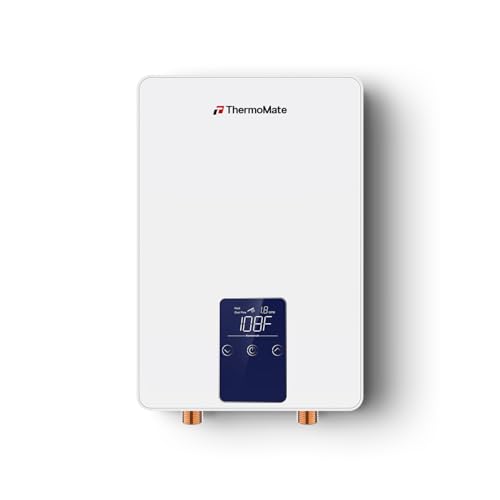
- BWP Score9.7
BWP Score is a ranking system developed by Bestwinterproducts.com. BWP score has no relationship or impact from any manufacturers or sales agent websites. Learn more
- Brandthermomate

- BWP Score9.6
BWP Score is a ranking system developed by Bestwinterproducts.com. BWP score has no relationship or impact from any manufacturers or sales agent websites. Learn more
- Brandxwdzswgs

- BWP Score9.4
BWP Score is a ranking system developed by Bestwinterproducts.com. BWP score has no relationship or impact from any manufacturers or sales agent websites. Learn more
- BrandKENUOS

- BWP Score8.9
BWP Score is a ranking system developed by Bestwinterproducts.com. BWP score has no relationship or impact from any manufacturers or sales agent websites. Learn more
- BrandBaococo

- BWP Score7.6
BWP Score is a ranking system developed by Bestwinterproducts.com. BWP score has no relationship or impact from any manufacturers or sales agent websites. Learn more
- BrandECOAPTUNIT

- BWP Score7.5
BWP Score is a ranking system developed by Bestwinterproducts.com. BWP score has no relationship or impact from any manufacturers or sales agent websites. Learn more
- Brandxwdzswgs

- BWP Score7.5
BWP Score is a ranking system developed by Bestwinterproducts.com. BWP score has no relationship or impact from any manufacturers or sales agent websites. Learn more
- BrandWestinghouse

- BWP Score7.4
BWP Score is a ranking system developed by Bestwinterproducts.com. BWP score has no relationship or impact from any manufacturers or sales agent websites. Learn more
- BrandBaococo
Last update on 2026-10-11 / Affiliate links / Images, Product Titles, and Product Highlights from Amazon Product Advertising API
FAQs
Can a tankless water heater handle two showers at once?
Yes, but only if the unit flow rate matches your household demand and incoming water temperature. Running two showers simultaneously requires roughly 3.0 to 5.0 GPM. In cold winter climates, you need a high-capacity whole-house unit so water stays hot when multiple taps open.
Does a tankless unit really lower monthly energy bills?
A tankless heater lowers energy bills by eliminating standby heat loss from a storage tank. You only pay to heat water when a faucet runs. The monthly savings are steady and welcome, but they accumulate gradually over years rather than cutting your overall utility bill in half.
How long does a tankless water heater usually last?
Most tankless water heaters last around twenty years with regular maintenance, which is nearly double the life of a standard storage tank. Without stored water sitting inside a large steel cylinder, the risk of tank rust is gone. Routine vinegar flushes prevent scale buildup and keep heating elements working.
What happens to a tankless heater during a power outage?
A tankless water heater will not produce hot water during an electrical blackout. Gas models also require electric control boards and electronic igniters to operate safely. Unlike an old storage tank that holds fifty gallons of warm water, a tankless unit stops heating the moment power cuts out.


Best Warm Winter Scarves 2026 For Cozy Comfort

Best Green Ski Goggles 2026 For Clear Vision On Slopes

12 Best Corner Electric Fireplace 2026: My Ultimate Guide To Pick One

Best Battery Powered Snow Blower 2026 For Effortless Snow Clearing

Best Ski Goggles Under 30 Inches For Crisp Vision And Comfort

Best Cooling Scarf 2026 For Instant Relief And Comfort

Fake Snow for Grass: Create a Realistic Winter Lawn Display

Dimplex Prism Wall Mount Fireplace: Sleek Heat With Modern Flame Style





