
What Is the Typical Lifespan of a Portable Heater?

Most portable electric heaters last between three and five years of standard winter use. That timeline changes dramatically based on the internal design, because small units with spinning fans wear down much faster than sealed radiators. A compact ceramic fan heater usually delivers 1,500 to 2,500 hours of heat before giving up, while a sturdy oil-filled model can easily reach seven to ten years.
Daily habits play a major role in that lifespan. Running a unit all day every week burns out electrical parts far quicker than warming a home office for two hours in the morning. Trapped pet hair and dust also force the machine to run hotter than intended, which slowly damages the internal safety switches. Here is how to tell where your heater stands, how to stretch its seasons, and when a struggling unit has become unsafe to keep.
The Short Version
- Most portable electric space heaters last between 3 and 5 years, or roughly 1,500 to 2,500 hours of regular winter heating.
- Models equipped with a small internal fan that pushes heat out wear down faster as moving parts collect lint and motor bearings dry out.
- Silent radiator heaters warming sealed fluid inside metal fins have no moving parts and can easily last 7 to 10 years.
- Replace any heater immediately if the cord feels hot, the plug shows discoloration, or an electrical burning smell lingers.
Typical Lifespan by Heater Type
How long a portable heater lasts depends heavily on how it generates and moves warmth. Some models rely on motorized parts to blow air, while others use natural convection and direct radiation. Understanding the design inside your heater sets a realistic expectation for its working life.
Ceramic fan heaters usually last between 3 and 5 years. Electricity flows through a ceramic heating block that warms up in seconds, while a small internal fan that pushes heat out circulates that air across the room. The ceramic element rarely fails on its own. The weak link is the small blower motor. Over several seasons, dust enters the motor bearings and lubricant dries out, causing the fan to buzz, drag, and stop spinning.
Infrared and quartz heaters typically last between 3 and 6 years. These units produce gentle heat that warms people and furniture directly like sunlight, using quartz tubes or carbon filaments. Much like heavy-duty light bulbs, these heating tubes last between 3,000 and 5,000 hours before their internal wire filaments snap.
Oil-filled radiator heaters offer the longest service, frequently lasting 7 to 10 years. These units provide silent warmth that circulates naturally without fans. An electric element warms diathermic oil sealed permanently inside steel fins. With no fan motors or exposed glowing parts, there is almost nothing mechanical to wear out. Only external switches or thermostat contacts degrade over time.
Running hours matter as much as calendar years. A heater running 8 hours daily all winter racks up roughly 1,000 hours per season, reaching its limit in 2 or 3 years. Running the same unit for just one hour on chilly mornings can stretch its life past 6 years.
Why Some Heaters Wear Out Faster Than Others
Two identical heaters can experience very different lifespans based on daily use and room conditions. Portable electric space heaters draw substantial power. In standard American homes, a typical portable unit pulls up to 1,500 watts, drawing about 12.5 amps on a standard 120-volt household circuit. Handling that heavy load creates internal heat that slowly ages wiring and switches.
Moving parts explain why fan heaters wear out sooner than static radiators. Fan motors spin continuously in hot conditions, and oscillating models sweep back and forth across a 70-degree range. That mechanical motion stresses internal wire harnesses and wears out small gears. Stationary heaters with no moving parts avoid this physical strain entirely.
Dust buildup accelerates heater wear faster than normal age. When household dust and pet hair enter the intake grille, they coat the heating elements. This blanket of debris traps heat inside the chassis and restricts airflow. That excess heat forces the automatic overheat safety switch to trip repeatedly. Overheat sensors are built for emergency protection, not constant cycling. Tripping multiple times each week degrades the sensor until it refuses to reset or fails to trip when real danger strikes.
Your heating environment also changes the equation. A clean bedroom puts minimal stress on components. In contrast, running a lightweight plastic heater in an uninsulated garage, workshop, or drafty sunroom exposes parts to sawdust and humidity. For harsh, chilly spaces, choosing an electric heater for a garage with a thermostat protects parts with rugged metal housing. Similarly, selecting the right heater for an enclosed porch ensures your unit can handle cold drafts without running constantly at maximum output until it burns out.
Clear Signs It Is Time to Replace Your Heater
You do not have to wait for an electric heater to quit completely before replacing it. Aging units give clear physical warnings when internal parts reach the end of their safe lifespan.
- Grinding or screeching fan noise: If your fan heater rattles, clicks, or squeals upon startup, the motor bearings are dry and failing. A dragging fan cannot move air fast enough, causing internal temperatures to spike.
- Persistent burning odors: A faint smell of burning dust is normal for the first 20 minutes of winter use. But if you notice a sharp smell of hot plastic, scorched rubber, or ozone that lingers during operation, turn the unit off. That odor points to melting wire insulation.
- Frequent sudden shutoffs: If the heater runs for 10 minutes and shuts down while the room is still cold, the automatic overheat safety switch is tripping because airflow is choked or the sensor has degraded.
- Lukewarm airflow: When a fan runs at full speed but blows cool or barely warm air, part of the ceramic heating block has cracked or an internal lead has severed.
- Erratic controls and flickering displays: If buttons fail to respond, the display resets, or a dial clicks constantly without changing heat, internal contact points are worn out.
Simple Steps to Extend Your Heater's Working Life
A quick cleaning routine twice per winter can add years of safe operation to your portable heater. Keeping vents clear of dust prevents premature motor and switch failure.
- Unplug the heater and let it cool: Turn the power switch off and pull the plug from the wall. Wait at least 30 minutes for all grilles and internal components to cool completely before inspecting them.
- Vacuum exterior grilles: Fit your vacuum cleaner with a soft dusting brush attachment. Gently vacuum the front heat grille and rear air intake vents to remove pet hair, dust bunnies, and surface lint.
- Clear internal dust with compressed air: Hold a can of compressed air upright and blow short bursts through the intake slats. This dislodges deep dust trapped around the fan blades and heating block without opening the plastic housing. Never spray liquid cleaners inside.
- Check the cord and plug prongs: Inspect the full length of the power cord for cracks, pinching, or stiff rubber. Verify the metal plug prongs are straight, clean, and free of black discoloration.
- Store the unit safely off-season: When winter ends, coil the cord loosely in wide loops rather than wrapping it tightly around the heater body. Store the unit inside a clean box or bag in a dry closet to keep dust and humidity out of the motor.
Immediate Safety Hazards: When to Stop Using It Right Away
Certain equipment failures present immediate fire and shock risks. Space heaters are involved in thousands of home fires each year, usually from electrical faults or lack of clearance. If you observe any of the following critical hazards, unplug the heater and retire it immediately.
- Hot plug prongs or wall plates: While a power cord may feel slightly warm during use, the plug prongs and the plastic wall outlet plate should never feel hot to the touch. If the plug feels soft or leaves dark heat marks around the wall outlet, stop using the heater immediately and call an electrician.
- Frayed cords or exposed copper: Never wrap electrical tape around a split, cracked, or pet-chewed heater cord. Damaged insulation on a high-draw appliance can quickly ignite nearby carpet or rug fibers.
- Melted or distorted plastic housing: Any bubbling or warping around the front heat grille proves internal temperatures exceeded the housing's thermal limits. This indicates the automatic overheat safety switch failed to protect the appliance.
- Instantly tripping the circuit breaker: A 1,500-watt heater should run smoothly on an unloaded 15-amp circuit. If the breaker trips the second you turn the heater on, an internal short circuit has formed.
- A non-responsive tip-over switch: Place your running heater on a level floor and gently tilt it forward. A working tip-over safety switch must cut power instantly. If it keeps running while tilted, it is unsafe to keep in your home.
What to Look for in a Modern Replacement Heater
When an old heater shows wear or fails safety checks, buying a modern replacement is far safer and more economical than attempting complex repairs. Today's portable heaters offer significantly stronger safety systems and quieter operation than models built a decade ago.
Always verify third-party safety certification before purchasing any new unit. Look for recognized marks like UL, ETL, or CSA on the manufacturer label, which confirm the design meets rigorous national electrical standards. Ensure the model features an automatic overheat sensor and a physical tip-over safety switch that cuts power instantly if knocked over by children or pets.
Choose a heating style that matches your room. A compact ceramic fan heater warms people quickly in home offices and small bedrooms, while a silent radiator heater provides gentle, lasting warmth for overnight use. Look for multiple heat settings, such as 750W Low and 1500W High, which let you save energy and reduce component wear on milder days. Always plug your heater directly into a dedicated wall outlet, and maintain a strict 3-foot safety buffer between the heater and any furniture, drapes, or bedding.
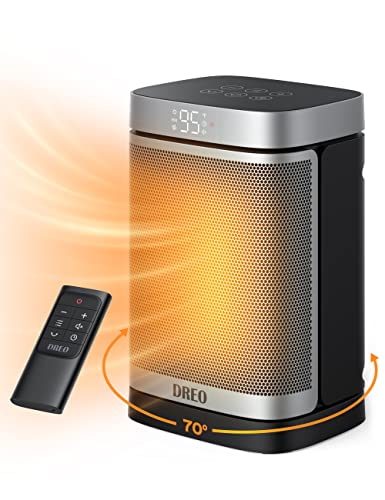
- BWP Score9.5
BWP Score is a ranking system developed by Bestwinterproducts.com. BWP score has no relationship or impact from any manufacturers or sales agent websites. Learn more
- BrandDREO
Last update on 2026-10-10 / Affiliate links / Images, Product Titles, and Product Highlights from Amazon Product Advertising API
FAQs
Can a portable space heater safely last for ten years?
Oil-filled radiator heaters can reach ten years because they have no fan motors or exposed glowing parts. Ceramic fan heaters rarely reach ten years safely because motor bearings dry out and dust wears down thermal safety switches. If a fan heater reaches seven years of age, inspect the cord, motor noise, and safety switches carefully before using it again.
Is it safe to leave an older space heater running overnight?
Leaving an older space heater running while sleeping is unsafe, especially if the unit is more than three or four years old. Older appliances carry higher risks of motor failure and worn overheat switches that can overheat without warning. For overnight warmth, use a modern heater with a certified safety listing, tip-over protection, and an auto-off timer, keeping it at least 3 feet from bedding.
Can I open the heater casing to replace worn-out parts myself?
Never open the casing of an electric heater to replace switches, fan motors, or internal wiring yourself. Space heaters draw high current at 12.5 amps, and amateur repairs create immediate fire and shock risks. When a heater stops working, trips breakers, or develops a loose switch, replacing the appliance is the safest path.
How do I safely dispose of an old portable heater?
Avoid throwing a broken space heater into ordinary household trash. Most heaters contain recyclable copper, aluminum, and steel that municipal e-waste programs can reclaim. Check with your local waste agency for small appliance drop-off sites. Before dropping it off, cut the power cord near the housing so no one plugs in a hazardous appliance.


Best Warm Winter Scarves 2026 For Cozy Comfort

Best Green Ski Goggles 2026 For Clear Vision On Slopes

12 Best Corner Electric Fireplace 2026: My Ultimate Guide To Pick One

Best Battery Powered Snow Blower 2026 For Effortless Snow Clearing

Best Ski Goggles Under 30 Inches For Crisp Vision And Comfort

Best Cooling Scarf 2026 For Instant Relief And Comfort

Fake Snow for Grass: Create a Realistic Winter Lawn Display

Dimplex Prism Wall Mount Fireplace: Sleek Heat With Modern Flame Style





