
Where Is the Fuse or Reset Button on a Water Heater?

Check your home electrical box before unscrewing any metal plates on the appliance. Standard residential water heaters do not have an internal fuse, so searching inside the casing will only lead to confusion. Instead, electric tanks protect themselves with a red reset button hidden behind the top access cover, while the actual electrical fuse sits inside your main house service panel.
Finding the right part depends on the type of water heater in front of you. Gas tanks skip these buttons entirely, while campers and RVs actually use a small safety heat fuse wire tucked right near the outdoor burner tube. For a typical home electric tank, you only need to check the reusable switch on the tank body or the circuit breaker on the wall. Here is how to find the right switch safely and get your hot water running again.
Look for a red reset button instead of a fuse on home tanks
If you walked down to your basement or utility closet looking for a glass cylinder or a screw-in plug, you can stop hunting. Standard residential water heaters do not have an internal fuse hidden inside their metal jacket. Electric storage water heaters use an internal safety switch called a high-limit switch, which most people know simply as the red reset button. This safety switch protects your home by shutting down all electrical current if the water inside the steel cylinder gets dangerously hot.
Standard electric home water heaters run on 240 volts of electricity. If a thermostat fails and the heating elements run nonstop, the water can boil and build severe steam pressure inside the tank. The red reset button is designed to pop outward when the internal temperature climbs past safe limits, usually around 170 to 180 degrees Fahrenheit. When this button trips, it disconnects both power lines heading into the heating elements. The water goes cold, but your tank avoids dangerous pressure buildup.
Gas water heaters do not have an electrical fuse or a red reset button at all. Traditional gas models do not plug into a wall outlet and generate their own tiny electrical signals using a heat-sensing metal probe called a thermocouple. Some sealed gas units have a small thermal switch near the burner access door that trips if the burner compartment starves for air. If you own a standard gas tank and have no hot water, your problem is usually a blown-out pilot light, a dirty burner, or a failed gas control valve.
If your home water heater stops heating, the actual electrical fuse is located in your main home electrical box on the wall of your basement, garage, or utility room. Inside the tank itself, you are looking for that red reset button, not a replaceable fuse wire. Poking around inside the heater panels with metal tools while expecting to pull out an automotive-style fuse is dangerous and can lead to a severe electrical shock.
Shut off the power before pressing the red reset button
Resetting the red button on an electric water heater takes only a few minutes, but you must treat the appliance with extreme caution. The wires behind the outer access panel carry 240 volts, which is twice the power of a standard wall outlet. Follow these steps in order to safely inspect and reset the switch:
- Cut the electrical power at the source. Walk to your main home electrical box. Find the double-pole circuit breaker labeled for the water heater and switch it firmly to the OFF position. If your home uses an older fuse box, unscrew or pull the cartridge block that feeds the water heater circuit. Never remove any metal cover plate on the water heater while the circuit is live.
- Remove the upper metal cover plate. Electric water heaters typically have two metal cover plates on the side of the tank, one near the top and one near the bottom. The red reset button is almost always located behind the upper metal cover plate. Use a flathead or Phillips screwdriver to remove the two screws holding this upper plate, then set the plate aside.
- Move the insulation out of the way. Behind the metal plate, you will see a piece of fiberglass or foam insulation, often covered by a flexible plastic protective guard. Gently fold back the insulation and lift the plastic guard. Do not pull, yank, or touch any exposed electrical terminals or bare copper wires with your fingers.
- Locate and press the red button. Look directly in the center of the upper thermostat housing. You will see a small, bright red button. Press this red button firmly with your thumb. If the safety switch was tripped, you will hear and feel a distinct, firm click as the internal spring resets into place. If the button feels mushy or does not click, the switch may not have tripped, meaning your issue lies elsewhere.
- Replace the insulation and metal cover. Fold the insulation back down so it covers the thermostat, put the plastic guard back over the components, and screw the upper metal cover plate securely back into place. Never operate an electric water heater with the metal cover plates removed.
- Restore power and monitor the tank. Return to your home electrical box and flip the circuit breaker back to the ON position. Listen near the tank for a faint humming or clicking sound, which indicates that the heating elements are warming the water. Wait about an hour, then check a nearby faucet to confirm that warm water has returned.
Inspect your main home electrical box for tripped breakers or blown fuses
When an electric water heater suddenly goes cold and the red button on the tank has not clicked, the electrical disconnect happened in your main home electrical box. Water heaters draw significant power, usually 4,500 watts across two 120-volt legs of current. That steady electrical load can cause older breakers to trip or cartridge fuses to blow during periods of heavy hot water demand.
Modern homes use circuit breakers rather than disposable fuses. Look for a double-pole breaker, which looks like two switches joined together by a small plastic handle, usually labeled for 30 amps. When this breaker trips, the handle will sit in a middle position between ON and OFF, often displaying a small red or orange flag in a viewing window. To reset it, push the handle firmly all the way to the OFF position until you hear it snap, then push it back to the ON position.
If you live in an older house that still uses a fuse panel, your water heater will likely be protected by a cartridge fuse block. This is a rectangular pull-out plastic or Bakelite block with metal prongs on the back that holds two cylindrical cartridge fuses. Check your panel using these safety precautions:
- Keep your hands completely dry and stand on a dry wooden board or rubber mat if the floor around the panel is damp concrete.
- Grasp the handle of the cartridge block firmly and pull it straight out of the panel box without twisting or touching the metal contact clips.
- Check the cylindrical fuses for signs of discoloration, melted casing, or burnt odors.
- Use an electrical continuity checker or multimeter to confirm whether the fuse has blown internally.
- Replace a blown cartridge fuse only with an exact match in physical size, voltage rating, and amperage. Never insert a fuse with a higher amp rating or bridge the terminals with metal wire or foil, which creates an immediate fire hazard.
Check the burner compartment for a melting safety fuse on RV water heaters
While residential water heaters do not have internal fuses, recreational vehicle water heaters are a major exception. If you are troubleshooting an Atwood, Dometic, or similar electronic-ignition water heater in a camper, travel trailer, or motorhome, there is an actual physical fuse installed on the exterior of the tank. This part is called a thermal cutoff, and it acts as an emergency heat fuse designed to melt if fire rolls backward out of the burner tube.
Heating spaces and appliances in small recreational spaces requires unique safety safeguards. For example, whether you are picking a dedicated heater for van life or setting up a secondary heating appliance, compact quarters demand strict fire prevention controls. On an RV water heater, the burner assembly sits behind an exterior hatch on the outside wall of the vehicle. If road dust, dirt, or spiderwebs clog the burner tube, the propane flame cannot draft properly through the exhaust. The flame rolls backward toward the electronic circuit board.
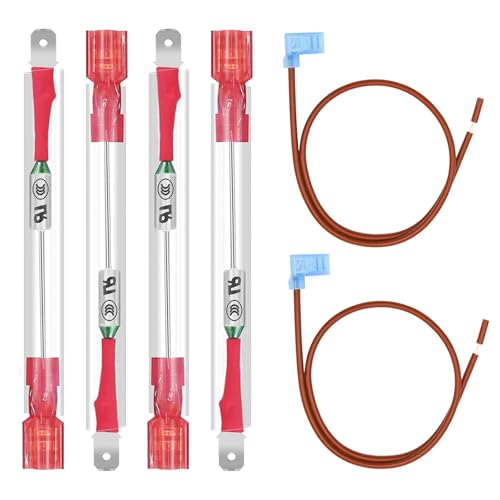
The safety heat fuse sits right in the path of that burner tube. It looks like a clear, flexible plastic sleeve containing a short piece of wire and a small metal diode, connected between the thermostat and the control board. Inside this metal diode is a special fusible alloy engineered to melt permanently if the surrounding air reaches 98°C (208°F). Once that alloy melts, the electrical circuit breaks instantly. Power to the gas solenoid valve shuts off, and the heater refuses to spark or ignite.
To inspect an RV safety heat fuse, open the exterior access door and find the clear sleeve mounted just above the burner assembly. If the wire inside the sleeve appears broken, charred, or separated, the fuse has melted. You can confirm this by temporarily unplugging the fuse wire and checking continuity across the terminals. If the circuit is open, the fuse did its job by sacrificing itself to prevent an RV fire. Never bypass this safety heat fuse by connecting the wire directly to the thermostat; doing so eliminates your only defense against an open flame under your vehicle wall.
Identify why the safety switch shut down before turning power back on
A tripped red reset button or a melted thermal cutoff wire is an alert, not a random glitch. While a power surge from a summer thunderstorm can occasionally trip a safety switch, repeated tripping points to a physical hardware failure inside the heating system. Before you repeatedly reset the button, look for these common warning signs:
- A shorted heating element: Over years of use, mineral scale builds up in the bottom of an electric tank. The lower element can crack open, exposing the live electrical wire directly to the water. This creates an electrical short that overheats the tank and trips the red button.
- A thermostat with welded electrical contacts: Thermostats click open and closed thousands of times. Over time, the internal electrical points can weld together from electrical arcing. When this happens, the element never turns off, the water reaches scalding temperatures, and the high-limit switch trips to prevent an explosion.
- Loose terminal wiring: High electrical current flowing through loose screw terminals generates intense resistance heat. That localized heat can warm the metal bracket of the thermostat and cause the red button to trip, even if the water in the tank is relatively cool.
- Insect obstructions in RV burners: In campers, tiny spiders are drawn to the odorant in propane gas and build dense webs inside the burner tube. This blocks the fuel-air mix and forces the flame backward toward the thermal cutoff.
You should stop troubleshooting and call a licensed plumber or electrician if you notice severe warning signs. If the red reset button trips again immediately after you press it, shut the power off and leave it off. If you smell scorched plastic, notice blackened or melted wire insulation behind the access panel, or see water leaking around the electrical bracket, the tank requires professional component replacement.
Choose the right replacement thermal fuse parts for an RV water heater
When replacing a blown safety heat fuse on an RV water heater, choosing the correct replacement kit restores your hot water safely. These parts are sold as complete thermal cutoff kits rather than loose electrical fuses. Look for kits that provide the thermal cutoff wire inside its clear protective sleeve alongside matching copper connecting wires.
Always verify the temperature rating printed on the replacement fuse sleeve or product packaging. Standard replacement cutoffs are built to melt at 98°C (208°F), matching original factory safety ratings for camper appliances. Using a generic fuse with a higher melting point could allow dangerous flame rollout to burn your vehicle before the safety switch activates.
Check the female spade connectors on the replacement wire to ensure they fit tightly onto your thermostat terminals. A loose spade terminal creates electrical resistance, which can melt the new fuse prematurely. If you spend significant time traveling or live in a manufactured home setup where you rely on specialized equipment like a heater for a mobile home, keeping two spare thermal cutoffs in your onboard tool kit ensures you can restore hot water quickly after cleaning out your burner tube.
- BWP Score7.4
BWP Score is a ranking system developed by Bestwinterproducts.com. BWP score has no relationship or impact from any manufacturers or sales agent websites. Learn more
- BrandWTNYOU
Last update on 2026-10-11 / Affiliate links / Images, Product Titles, and Product Highlights from Amazon Product Advertising API
FAQs
Why does my electric water heater reset button keep tripping?
The red reset button trips repeatedly when the water inside the tank gets too hot or when an electrical component creates localized heat. The most common causes are a thermostat with contacts welded in the ON position, a cracked heating element shorting against the water, or loose wiring screws generating heat at the terminal bracket. If resetting the switch once does not solve the problem, keep the power off and replace the thermostat or heating element.
Can I bypass the red reset button or RV thermal fuse to get hot water temporarily?
No, you should never bypass the red reset button on a home water heater or the thermal cutoff wire on an RV unit. These devices serve as emergency safety shutoffs designed to prevent catastrophic steam explosions or vehicle fires when primary controls fail. Bypassing a safety switch leaves high-voltage elements or open propane flames completely unregulated, creating an immediate danger to your home and family.
Is there a fuse inside a tankless water heater?
Yes, many modern electric and gas tankless water heaters contain internal glass cylinder fuses or small automotive-style blade fuses mounted directly on their electronic computer boards. These fuses protect the sensitive electronic circuit board from power surges on your home electrical grid. If your tankless water heater display screen is completely blank and the wall outlet has power, consult the manufacturer manual to locate and inspect the board fuse.
How do I know if my heating element is broken rather than the switch?
If your water heater still provides lukewarm water or runs out of hot water much faster than usual, one of the two heating elements has likely failed while the safety switch remains functional. When the high-limit switch or red reset button trips, it shuts off power to both elements simultaneously, leaving the water completely cold. You can verify a failed heating element by turning off the power and measuring the electrical resistance across the element screws with a multimeter.


Best Warm Winter Scarves 2026 For Cozy Comfort

Best Green Ski Goggles 2026 For Clear Vision On Slopes

12 Best Corner Electric Fireplace 2026: My Ultimate Guide To Pick One

Best Battery Powered Snow Blower 2026 For Effortless Snow Clearing

Best Ski Goggles Under 30 Inches For Crisp Vision And Comfort

Best Cooling Scarf 2026 For Instant Relief And Comfort

Fake Snow for Grass: Create a Realistic Winter Lawn Display

Dimplex Prism Wall Mount Fireplace: Sleek Heat With Modern Flame Style





