
Where to Buy a Tankless Water Heater in 2026

Decide who handles the installation before browsing store shelves. That single choice determines the right path: order from retail and online stores if you plan to do the work yourself, or purchase through a licensed installer to secure full labor coverage. Choosing your path upfront prevents buying a heavy box that a local technician might decline to mount.
Timing and warranty rules also shape where to shop. A sudden breakdown requires walking into a local hardware store today to get hot water running tonight, whereas a planned upgrade gives you time to order online. Some manufacturers also restrict parts coverage if equipment is not sourced through certified trade channels. Checking your home electric panel and existing pipes first ensures you pick the right source without running into expensive installation hurdles.
Comparing Big-Box Stores, Online Retailers, and Wholesale Supply Houses
Where you purchase your tankless water heater shapes your installation schedule, your total project cost, and what happens if the box arrives with broken parts. Most homeowners look at three main sources: local big-box home improvement stores, major online retailers, and wholesale trade stores (often called plumbing supply houses). Each channel serves a different type of buyer and carries its own set of trade-offs.
Big-box home improvement centers are the easiest starting point if you face an unexpected breakdown. If your old water heater springs a leak on a Saturday morning, a retail store allows you to inspect the physical box, put the unit in your trunk, and start working that afternoon. These stores keep customer returns simple. If you bring home a unit and immediately realize it will not fit your utility closet, you can return it to the customer service counter without paying freight shipping fees. But retail shelves tend to stock entry-level or mid-tier units designed for basic replacements. If your home has four bathrooms and requires a high water flow rate per minute (the volume of hot water measured in GPM that the heater can produce), big-box locations rarely keep those high-capacity units on the floor. You will likely have to place a special order anyway.
Online retailers and plumbing specialty websites provide the broadest selection and the most aggressive equipment prices. You can browse dozens of configurations, compare fuel types, and find niche units suited for specific setups. Ordering online lets you search for specialized designs, such as high-efficiency gas models or portable propane units. If you are setting up a remote cabin, an outdoor shower, or outfitting a camper where hot water needs mirror the space-saving demands of a heater for van life, online catalogs offer small-format solutions that local shelves never carry. The primary downside to buying online is shipping transit. Tankless water heaters contain delicate copper heat exchangers, sensitive circuit boards, and ceramic flame sensors. A heavy box dropped by a delivery courier can bend the internal frame without showing obvious damage on the cardboard exterior. Returning a 40-pound or 60-pound unit across the country often involves restocking fees ranging from 15 to 30 percent, and you may be stuck paying steep freight charges unless you verify that the seller covers damaged deliveries.
Wholesale trade stores are where professional plumbing contractors buy their equipment. These supply houses carry commercial-grade brands and heavy-duty residential lines that manufacturers keep off retail shelves. The staff behind the counter at a wholesale store understands plumbing codes, venting rules, and local water conditions. The hurdle for homeowners is access. Many supply houses sell exclusively to licensed contractors with established commercial accounts. Some locations allow over-the-counter public sales, but they rarely offer consumer-friendly return policies. Once an electrical or gas appliance leaves a trade counter, all sales are usually final. If you buy the wrong model from a supply house, you cannot simply bring it back for a quick refund.
Why Buying Through a Plumber Often Protects Your Warranty
One of the most frustrating surprises for homeowners is buying a shiny new tankless unit online, calling three local plumbers, and having all three refuse to install it. Plumbers do not turn down customer-supplied heaters out of spite. They refuse them because customer-bought equipment creates serious business and liability risks.
When an installer supplies the water heater directly from their trusted wholesale distributor, they provide a bundled warranty covering both the equipment and their own labor. If a brand-new valve leaks or an internal sensor fails on day three, the contractor handles the problem. They pull a replacement unit from their distributor, swap the defective appliance, and collect a labor credit directly from the manufacturer. You make one phone call, and your hot water is restored at zero extra cost.
The situation changes completely when you supply the box yourself. If a plumber installs a unit you bought from an online discount store and the circuit board refuses to power up, the plumber still has to bill you for their time. They spent three hours mounting brackets, cutting pipe, and running gas lines. They cannot work for free while you spend two weeks mailing the defective heater back to an online merchant. You end up paying the plumber twice: once for the failed install, and again when the replacement finally arrives.
Manufacturer warranties also feature strict clauses regarding who installs the equipment. Many major brands state in their user manuals that the full parts warranty remains valid only if a licensed, qualified professional installs the system according to local building codes. If you install a gas unit yourself without a permit and an internal part fails two years later, the manufacturer may request a copy of the professional installation invoice before honoring the warranty claim. Letting your plumber supply the unit costs more up front because of their equipment markup, but that markup buys you single-source accountability. If you plan to hire a contractor, always call them before buying the heater yourself.
Critical Home Checks to Make Before Ordering
Tankless water heaters do not operate like traditional storage tanks. A standard tank warms 40 or 50 gallons of water slowly over several hours using a modest burner or electrical element. A tankless unit must heat water instantly as it rushes through the pipe, which requires a massive surge of energy. Before purchasing a unit from any retailer, check these four mechanical points in your home to prevent buying a machine your house cannot support.
- The main electric switch box (breaker panel): A whole-house electric tankless heater demands an immense amount of power. Many models require three or four separate 40-amp or 60-amp double-pole breakers. If your home has an older 100-amp or 150-amp electrical service, installing a whole-home electric tankless unit is impossible without a multi-thousand-dollar electrical panel upgrade. Verify your home's total electrical service capacity before ordering an electric model.
- Gas supply line diameter: Standard gas tank water heaters typically run on a 1/2-inch gas pipe rated around 35,000 to 40,000 BTUs. Whole-house gas tankless units require between 150,000 and 199,000 BTUs to heat water on demand. Delivering that much fuel often requires a larger 3/4-inch or 1-inch gas line running all the way back to your gas meter, along with an upgraded gas meter from your utility company.
- Exhaust pipe pathways (venting): Gas tankless units cannot share a standard chimney or basic metal exhaust pipe with your furnace. They produce pressurized, acidic exhaust air that must exit through dedicated, sealed exhaust pipe materials such as category III stainless steel or specialized plastic pipes like PVC or polypropylene. Check where the exhaust pipe will exit your house, ensuring it sits well away from windows, doors, and fresh-air intake vents.
- Incoming groundwater temperature: The colder your winter groundwater, the less hot water your heater can produce each minute. A unit rated for 5 gallons per minute in southern Florida may produce only 2.5 gallons per minute during a January freeze in Michigan. If you live in a manufactured home or rural property with specialized utility hookups, matching incoming water volume and pipe clearance is just as critical as finding an approved heater for a mobile home.
How to Choose the Right Buying Channel for Your Timeline
Selecting where to spend your money comes down to your personal mechanical skills, your budget, and how urgently you need hot water. Following a step-by-step approach prevents you from getting stuck with an unreturnable unit sitting in your hallway.
- Decide who is doing the physical labor: If you are hiring an independent licensed plumber or heating contractor, call them first. Ask frankly: "Do you install customer-supplied tankless water heaters, and how does that affect your labor guarantee?" If they prefer providing the unit, let them supply it through their wholesale trade store. If they agree to install your unit, ask them for the exact model number or required fuel specifications before you open your browser.
- Assess your urgency during an emergency replacement: If your current heater has failed and your family is taking cold showers, skip online shipping entirely. Head to a regional big-box store or call local plumbing supply houses that sell to homeowners. Paying slightly more at a local retail counter gets hot water running the same day and eliminates the risk of hidden shipping damage.
- Compare total delivered prices if doing a planned DIY upgrade: If you are replacing an existing tankless unit yourself or adding a small electric point-of-use heater under a kitchen sink, online retailers offer the best value. Check the seller's return window, make sure they do not charge a 20 percent restocking fee for opened boxes, and confirm that the shipment includes liftgate delivery so the courier does not drop a heavy appliance onto your driveway.
- Inspect the delivery immediately upon arrival: If you order online, open the cardboard box the moment the driver leaves. Check the outer metal casing for small dents, inspect the pipe connections for warped threads, and look inside the casing with a flashlight for loose screws or cracked plastic clips. Reporting freight damage within the first 48 hours is critical to securing a free replacement.
Choosing the Right Tankless Style for Your Space
When you start browsing retail aisles or online catalogs, you will encounter three general styles of tankless water heaters. Knowing what role each style fills helps you focus on the right buying aisle and avoids sizing mistakes.
Point-of-use electric units are compact appliances designed to fit inside a single cabinet, directly beneath a sink or adjacent to a remote fixture. These units produce a modest water flow rate per minute, making them ideal for handwashing sinks, wet bars, or garage utility tubs. They run on standard residential electrical circuits and do not require exterior exhaust pipes. Before buying a point-of-use model, measure the physical clearance inside your cabinet and confirm the exact voltage of the nearby wall outlet.
Whole-house gas systems represent the standard replacement for central storage tanks in family homes. These larger wall-mounted appliances burn natural gas or liquid propane to supply multiple showers, dishwashers, and washing machines simultaneously. They require dedicated intake and exhaust piping, a continuous electrical connection for their internal computers, and an adequately sized fuel line. When shopping for whole-house models, focus on your household's peak water demand and your regional groundwater temperature to ensure the burner can maintain steady warmth during winter.
Outdoor and portable propane units are self-contained heaters built for barns, poolside rinses, campsites, and detached workshops. They mount to exterior walls or mobile stands, venting directly into the open air without complex interior pipe runs. Before buying an outdoor model, check your local freezing weather habits. Outdoor units require manual draining or built-in freeze protection components if exposed to sub-freezing temperatures, as trapped water will expand and crack the internal copper heating coils.

- BWP Score9.6
BWP Score is a ranking system developed by Bestwinterproducts.com. BWP score has no relationship or impact from any manufacturers or sales agent websites. Learn more
- Brandxwdzswgs

- BWP Score8.3
BWP Score is a ranking system developed by Bestwinterproducts.com. BWP score has no relationship or impact from any manufacturers or sales agent websites. Learn more
- Brandthermomate
- BWP Score8.1
BWP Score is a ranking system developed by Bestwinterproducts.com. BWP score has no relationship or impact from any manufacturers or sales agent websites. Learn more
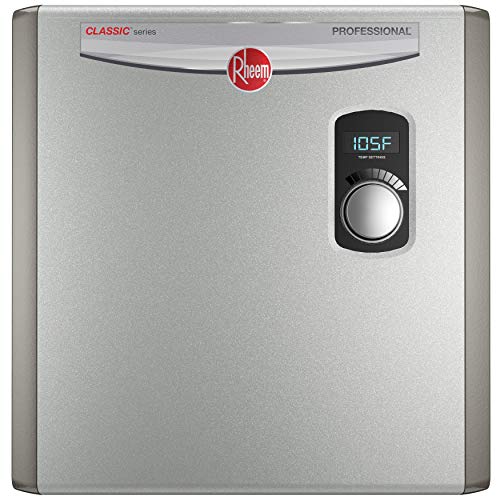
- BrandRheem
- BWP Score8.0
BWP Score is a ranking system developed by Bestwinterproducts.com. BWP score has no relationship or impact from any manufacturers or sales agent websites. Learn more
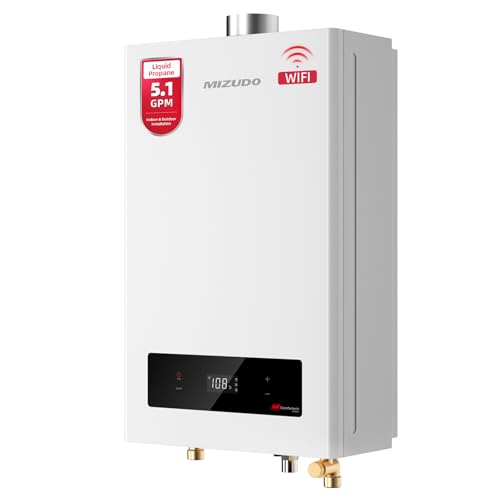
- BrandMIZUDO

- BWP Score7.1
BWP Score is a ranking system developed by Bestwinterproducts.com. BWP score has no relationship or impact from any manufacturers or sales agent websites. Learn more
- BrandOrbek

- BWP Score7.1
BWP Score is a ranking system developed by Bestwinterproducts.com. BWP score has no relationship or impact from any manufacturers or sales agent websites. Learn more
- BrandBaococo
Last update on 2026-10-08 / Affiliate links / Images, Product Titles, and Product Highlights from Amazon Product Advertising API
FAQs
Can I buy a tankless water heater myself and hire someone to put it in?
You can buy the unit yourself, but you must confirm that your installer accepts customer-supplied equipment before making the purchase. Many licensed plumbers refuse customer-bought units to avoid disputes over factory defects and lost labor time. Installers who do agree to put in your unit will typically guarantee only their pipe connections, leaving you entirely responsible for any equipment warranty claims.
Is it safe to order a tankless water heater online?
Ordering online is safe if you purchase from authorized dealers that package heavy appliances securely and offer clear return terms. You must inspect the package immediately upon delivery for hidden shipping damage, such as bent chassis panels or cracked internal fittings. Always confirm that the online merchant does not charge excessive restocking fees or return freight costs if the model arrives damaged.
Will buying a tankless unit at a retail store void the warranty?
Buying from a retail store does not void the manufacturer warranty by itself, but improper installation can. Most major water heater brands require professional installation by a licensed trade contractor to keep the full parts and labor protections active. Always read the warranty section of the manufacturer manual to confirm whether DIY work or unpermitted installations limit your coverage.


Best Warm Winter Scarves 2026 For Cozy Comfort

Best Green Ski Goggles 2026 For Clear Vision On Slopes

12 Best Corner Electric Fireplace 2026: My Ultimate Guide To Pick One

Best Battery Powered Snow Blower 2026 For Effortless Snow Clearing

Best Ski Goggles Under 30 Inches For Crisp Vision And Comfort

Best Cooling Scarf 2026 For Instant Relief And Comfort

Fake Snow for Grass: Create a Realistic Winter Lawn Display

Dimplex Prism Wall Mount Fireplace: Sleek Heat With Modern Flame Style





