
Where to Install a Tankless Water Heater?

Walk over to the wall closest to your existing water lines and check if it faces outside. That location is usually best because the most practical place to mount a unit is an exterior wall in a utility room, basement, or garage. Placing it there keeps pipe runs short and gives exhaust fumes an easy, direct path outside without cutting through multiple finished rooms.
A few factors might change that spot for your home. Gas models need exhaust pipes running outdoors, while all-electric units require no vents and can fit inside a small closet. Mounting an outdoor-rated unit saves indoor space, but freezing winter temperatures can damage exposed pipes. Distance matters just as much, because placing the heater closer to your main bathroom cuts hot water wait times. Reviewing these details helps you choose the safest wall before running any new lines.
Top Indoor Locations for Your Tankless Water Heater
Basements are often the easiest indoor spot for a whole-house tankless water heater. The main cold water line usually enters through the basement wall or floor slab. Mounting your heater here keeps plumbing runs short because you tie directly into the primary trunk line. Basements also offer solid foundation walls or exposed framing studs that easily support the hanging bracket. Running exhaust pipes carrying gas fumes outdoors is straightforward through the rim joist, which is the wooden band of framing sitting directly above your concrete foundation. Basements usually feature floor drains, making it simple to route the acidic condensate drainage line produced by high-efficiency gas models.
A ground-floor utility room or laundry room is the next best indoor option. These rooms already house plumbing supply lines, drain lines, and high-capacity electrical or gas connections. A utility room is often centrally located, balancing pipe distances to your kitchen, laundry, and main bathrooms. This central position helps minimize hot water delivery delays across your entire house. Just make sure the wall provides enough open room so the heater cabinet does not block your washer, dryer, or furnace access panels.
An attached garage provides generous wall space and keeps mechanical noise outside your everyday living zones. However, garage mounting requires specific safety precautions. Building codes frequently mandate mounting the unit at least 18 inches above the garage floor to prevent the open burner from igniting heavier-than-air gasoline fumes from parked cars or lawnmowers. You must also protect the unit from accidental vehicle impact by placing it out of vehicle travel paths or behind a sturdy barrier post.
Closets can work well, especially for compact electric models or direct-vent gas units. Electric heaters do not burn fuel or create combustion gases, so they easily fit inside linen closets or under-sink cabinets right near your fixtures. Gas units placed in closets require careful planning. Gas flames need combustion air (fresh air needed for gas flames to burn safely) to operate without creating dangerous carbon monoxide. You must install a direct-vent gas unit that pulls outside air through a dedicated intake pipe, or fit the closet door with permanent air louvers. Most local plumbing codes strictly ban non-direct-vent gas appliances in bedrooms and bathrooms for safety.
Indoor Versus Outdoor Mounting and Winter Freeze Risks
Choosing between an indoor wall and an exterior outdoor wall depends almost entirely on your local climate. Outdoor installations are popular in warm southern and southwestern regions where freezing temperatures rarely happen. Mounting the heater on an exterior house wall frees up valuable interior storage and utility space. It also saves money during installation because the heater discharges its exhaust directly into the open air, completely eliminating the need for indoor exhaust pipes carrying gas fumes outdoors.
In areas with cold winters, outdoor mounting introduces severe risks. Outdoor units often include internal electric heating elements to protect their internal copper heat exchangers down to a certain temperature. But these elements do not protect the exposed cold water intake pipes or hot water supply lines running along your exterior siding. If those external water lines freeze, water pressure drops to zero and the pipes can split, causing major water damage once the ice thaws.
Winter storms also bring power outages. Outdoor tankless heaters rely on household electricity to run their internal freeze-protection heating blocks. When the power cuts out during a winter freeze, that freeze protection stops working instantly. Water trapped inside the narrow copper passages of the heat exchanger can freeze, expand, and crack the metal core within hours. If you choose an outdoor mount in a borderline climate, you must install manual drain valves and drain the unit completely whenever a severe storm threatens your electrical grid.
If you place an indoor unit in a garage in a cold climate, remember that unheated garages can drop below freezing during prolonged cold snaps. Insulating the garage walls and adding an electric heater for a garage with a thermostat helps maintain a steady indoor temperature above 40 degrees Fahrenheit. This simple step prevents cold drafts from freezing the delicate water lines connected to your heater. If you are mounting a unit in a manufactured home, verify that the heater is explicitly listed for HUD-code construction, just as you would when selecting a dedicated heater for a mobile home.
Venting Paths, Clearances, and Pipe Runs: A Wall Checklist
Picking the exact wall for your tankless heater is not just about finding open space. It directly affects the total cost of installation, the safety of your family, and how long you wait for hot water at the sink. Gas tankless water heaters burn a massive amount of fuel in short bursts to heat water instantly. That rapid burning produces intense, hot exhaust gases that must exit your home cleanly and quickly.
The ideal wall for an indoor gas unit is an exterior-facing wall. Mounting the unit directly against an exterior wall allows you to run exhaust pipes carrying gas fumes outdoors straight through the wall over a very short distance. Short, direct horizontal vent runs cost far less in piping materials and create less resistance for the exhaust blower fan. If you mount the heater on an interior wall, you must route vent pipes up through multiple floors, closets, or ceilings to penetrate the roof, which dramatically drives up labor and material expenses.
One of the biggest frustrations for new tankless owners is waiting too long for hot water to reach a distant faucet. Tankless heaters do not store preheated water; they begin heating only when a tap opens and water begins flowing. If your heater sits 60 feet away in the basement and your primary shower is on the second floor, all the standing cold water in that pipe must flow out before hot water arrives. Placing your heater on a wall closer to your highest-use fixtures significantly cuts that wait time and reduces wasted water down the drain.
Tankless heaters are compact, but they are heavy when filled with water. You must mount the hanging bracket directly into solid wooden wall studs or solid masonry. Never attempt to hang a tankless heater from hollow drywall using plastic anchors. In addition, you must preserve clearance (open safety space around the unit). Maintain the manufacturer's required gap between the heater cabinet and nearby combustible drywall, ceilings, and storage shelves. Technicians also need at least two feet of open workspace beneath the unit to connect service hoses and flush out mineral scale once a year.
Before drilling holes or running pipes, confirm that your chosen mounting wall meets these essential requirements:
- Structural backing: Solid wood studs or concrete masonry capable of holding the full weight of the heater and piping.
- Venting route: A short path for exhaust pipes carrying gas fumes outdoors, terminating at least 3 feet away from operable windows and doors.
- Safe clearance: Sufficient clearance (open safety space around the unit) on all sides, keeping flammable materials at a safe distance.
- Fuel and power access: Close proximity to an adequate gas line or your main electrical panel, plus a standard 120-volt outlet for internal controls.
- Plumbing and drainage: Straightforward water pipe tie-ins and a nearby floor drain or pipe for condensation runoff.
Choosing the Right Tankless Water Heater Setup
Understanding your home layout helps you pick the right category of tankless heater before you begin cutting into drywall. Whole-house gas tankless units are the most popular choice for busy family households because they produce high flow rates that can supply multiple showers at the same time. These units work best on exterior walls in basements, garages, or utility rooms where routing short exhaust pipes through the wall is simple. In warm southern climates, outdoor propane or natural gas models eliminate indoor exhaust piping altogether.
For homes with lower hot water demand or tight spaces, electric tankless models offer distinct advantages. Electric units require zero venting, making them perfect for small closets, under-sink cabinets, or interior laundry rooms right next to your fixtures. You can also place small point-of-use electric heaters under distant bathroom vanities to eliminate the delay caused by long plumbing runs from your main water heater.
Before buying any unit, check your home infrastructure carefully. Gas models often require a three-quarter-inch or one-inch gas supply line, which is larger than the half-inch line used by older tank heaters. Electric models avoid venting issues but draw huge electrical currents, often requiring 100 to 150 amps of capacity across multiple circuit breakers. You should also confirm whether the gas model you want uses standard plastic venting or requires specialized stainless steel exhaust piping that handles higher temperatures.
Running gas lines, upgrading electrical service, and cutting exhaust penetrations through exterior walls involve serious safety risks. An undersized gas line can cause the burner to misfire, while a loose exhaust joint can release lethal carbon monoxide into your living quarters. Unless you have licensed trade credentials, hire a licensed plumber or gas technician to handle the final connections and ensure your installation meets local safety codes.
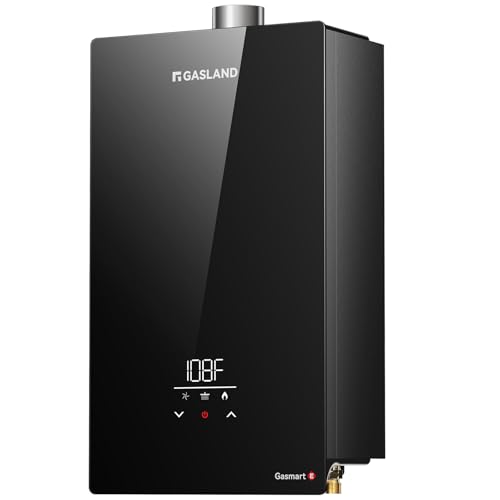
- BWP Score8.9
BWP Score is a ranking system developed by Bestwinterproducts.com. BWP score has no relationship or impact from any manufacturers or sales agent websites. Learn more
- BrandGASLAND

- BWP Score8.8
BWP Score is a ranking system developed by Bestwinterproducts.com. BWP score has no relationship or impact from any manufacturers or sales agent websites. Learn more
- BrandCAMPLUX ENJOY OUTDOOR LIFE
Last update on 2026-10-09 / Affiliate links / Images, Product Titles, and Product Highlights from Amazon Product Advertising API
Frequently Asked Questions
Can a tankless water heater be mounted directly on drywall?
You can mount a tankless water heater against drywall, but the mounting bracket must anchor into solid wood wall studs behind it. The unit and connected copper pipes are too heavy for hollow-wall anchors, which will tear out over time. If your wall studs do not line up with the unit bracket, screw a three-quarter-inch piece of plywood across two studs first, then mount the heater bracket securely onto that wooden backing plate.
Does an indoor gas tankless water heater need an exterior wall?
An indoor gas heater does not strictly require an exterior wall, but choosing an exterior wall keeps installation simple and inexpensive. Mounting on an interior wall requires running exhaust pipes carrying gas fumes outdoors upward through interior ceilings, living spaces, and your roof. That vertical path requires more expensive piping, extra labor, and careful planning to ensure the exhaust blower can push fumes out without excessive backpressure.
How close should a tankless water heater be to my showers and sinks?
Placing your tankless heater within 20 to 30 feet of your most frequently used bathroom delivers hot water with minimal delay. Long pipe runs force you to wait while gallons of standing cold water clear out of the lines. If your home has a spread-out floor plan, placing the heater centrally or installing a small point-of-use electric unit under distant sinks solves the wait-time problem completely.


Best Warm Winter Scarves 2026 For Cozy Comfort

Best Green Ski Goggles 2026 For Clear Vision On Slopes

12 Best Corner Electric Fireplace 2026: My Ultimate Guide To Pick One

Best Battery Powered Snow Blower 2026 For Effortless Snow Clearing

Best Ski Goggles Under 30 Inches For Crisp Vision And Comfort

Best Cooling Scarf 2026 For Instant Relief And Comfort

Fake Snow for Grass: Create a Realistic Winter Lawn Display

Dimplex Prism Wall Mount Fireplace: Sleek Heat With Modern Flame Style





