
Which Electric Water Heater Is Better, A. O. Smith or Rheem?

Neither major manufacturer is universally superior, because one builds a sturdier storage tank while the other leads in smart controls and instant heating. That balance shifts immediately depending on the style of heater your home actually supports.
A few practical limits decide the winner for your household. A busy family with standard wiring usually benefits from a thick tank with rugged drain valves that resist leaks over many years. Meanwhile, tight spaces often demand a wall-mounted unit that warms water on demand, but that setup pulls massive electrical current that can overload an older breaker panel. Fast access to replacement parts at your nearest hardware counter also counts when cold water strikes unexpectedly. Here is how the two makers compare on durability, home wiring limits, and everyday repairs.
The Short Version
- A. O. Smith has an edge in traditional electric storage tanks, offering rugged tank construction, commercial-grade glass lining, and durable brass drain valves that resist leaking during routine maintenance.
- Rheem leads in modern tankless units and digital control, offering precise single-degree temperature adjustments, compact point-of-use options, and responsive diagnostics.
- Your home electrical panel often makes the final decision for you, as high-power tankless units require substantial breaker capacity that older panels cannot supply without expensive electrical work.
- Replacement parts are readily accessible for both brands, with Rheem parts widely available at The Home Depot and A. O. Smith parts stocked at Lowe's and local plumbing supply houses.
The Quick Verdict: Where Rheem Wins and Where A. O. Smith Wins
Rheem wins whenever you need flexible sizing, compact wall-mounted equipment, or modern digital control. Rheem has invested heavily in self-modulating tankless technology, which adjusts electrical power automatically to match your hot water demand. Their lineup covers everything from small under-sink units to whole-home systems. For example, Rheem offers a 3.5kW 120V point-of-use unit that delivers up to 0.5 GPM (gallons per minute), an 8kW 240V model providing up to 1.95 GPM, an 11kW 240V model producing up to 2.68 GPM, and a 24kW 240V model that delivers up to 5.9 GPM. Rheem also builds an 18kW 240V tankless unit featuring an external digital thermostatic control with an LED display accurate to within one degree. If you need a compact tank instead of tankless, Rheem makes a 2.5-gallon mini-tank measuring 11 by 11 by 17 inches and weighing 17.6 pounds, which fits easily inside tight sink cabinets.
A. O. Smith wins when you want a dependable, classic storage tank that sits in a basement or utility closet and works quietly for a decade. A. O. Smith prioritizes heavy mechanical construction over electronic gadgets. Their tanks feature commercial-grade glass coatings and heavy-duty fittings built to handle hard tap water. Even their compact specialty tanks reflect this focus on solid installation. Their 10-gallon residential tank measures 16 by 16 by 18.25 inches, while their 20-gallon residential model measures 18 by 18 by 24.75 inches and weighs 61 pounds. Both compact models include side-mounted plumbing and electrical connections, which make connecting pipes and wiring much easier in low-clearance crawl spaces or under workbenches.
If your home setup requires an on-demand unit or you want exact digital control from an LED screen, Rheem is the natural choice. If you are replacing a standard 40-gallon or 50-gallon floor tank and want durable plumbing fittings that withstand mineral scale, A. O. Smith is the sturdier pick.
Tank Durability: Glass Lining, Anode Rods, and Drain Valves
Water heater failure almost always looks the same: water pools around the base because the internal steel tank rusted through. Once an inner tank develops a pinhole leak, the heater cannot be patched and must be replaced immediately. Understanding how A. O. Smith and Rheem protect their tanks against rust helps you avoid an unexpected basement flood.
Every electric storage tank protects its inner steel shell using an interior porcelain enamel glass lining. When hot water expands and contracts the steel during daily heating cycles, tiny microscopic cracks form in the lining. To stop water from reaching the bare metal, both manufacturers install an anode rod (a protective metal rod inside the tank that prevents rust). This metal rod attracts the corrosive minerals in your water, corroding away slowly so the steel tank stays intact. A. O. Smith equips many of its tanks with commercial-grade anode rods built around a stainless steel core wire, which keeps the rod from breaking apart prematurely in aggressive water. Rheem uses standard magnesium or aluminum anode rods that perform well in typical municipal water. You can preserve the tank life of either brand by inspecting the anode rod every three years and replacing it before the protective metal wears down to the bare wire.
The drain valve (a tap at the base of the tank used to empty water and sediment) is where A. O. Smith holds a clear mechanical advantage. A. O. Smith regularly uses heavy-duty brass drain valves on their residential tanks. Brass handles heat changes without cracking and resists cross-threading when you attach a garden hose. Rheem frequently installs composite plastic drain valves on their entry-level and mid-grade retail storage tanks. These plastic valves work fine when the unit is new, but over five to eight years, hot water and mineral scale make the plastic brittle. If you use pliers on a stuck plastic valve or accidentally bump it with a heavy object, the valve can crack or strip, forcing an emergency tank drainage.
Mineral scale is another silent threat to tank life. As water heats up, minerals settle at the bottom of the tank, burying the lower heating element (a metal rod inside the tank that heats the water). When sediment builds up, it traps heat against the bottom metal plate, causing popping noises and overheating the steel. Attaching a standard garden hose to your drain valve once a year to flush out two or three gallons of sediment keeps your heating elements clean and helps your tank reach its full design lifespan.
Electric Requirements: Standard Tanks Versus Tankless Demands
Switching water heater brands or styles can cause unexpected electrical trouble if you do not check your electrical panel first. A homeowner might buy an on-demand heater to save space, only to discover their home wiring cannot handle the power draw.
Standard electric storage tanks from both A. O. Smith and Rheem have very manageable electrical requirements. A typical 40-gallon or 50-gallon tank runs on a single dedicated 240-volt, 30-amp circuit breaker (an electrical switch in your main box that shuts off power during an overload). The electrical cable connecting the panel to the heater uses standard 10-gauge copper wire. Because standard tanks heat water gradually over an hour, they draw a steady, moderate current. Almost any modern single-family home with a 100-amp or 200-amp electrical panel can run a standard electric tank without any modifications.
A tankless water heater (a compact heater that warms water instantly without storing it) behaves completely differently. Because it does not store heated water, it must warm freezing cold ground water up to 120 degrees Fahrenheit in the few seconds it flows past the heating elements. That instant heating process requires massive amounts of electrical power.
Before buying any electric water heater, run through this electrical checklist at your main panel:
- Open the metal door on your main breaker box and look at the main switch at the top. Read the number stamped on the switch handle. If the main switch reads 100 amps, your panel cannot support a whole-home electric tankless heater without a costly utility service upgrade. Homes with 200-amp service have far more room for high-demand units.
- Look for empty breaker spaces. A standard tank requires only one double-pole breaker slot. Whole-home tankless models, like an 18kW or 24kW unit, often require two to three separate 40-amp or 50-amp double-pole breakers.
- Check the gauge of the existing wiring running to your water heater closet. Standard tanks use 10-gauge wire, which cannot carry the heavy current demanded by large tankless systems. Tankless units require thick 8-gauge or 6-gauge copper wiring.
- Verify your local incoming water temperature. In colder northern climates, winter ground water can enter your home at 40 degrees Fahrenheit. A tankless unit needs far more electrical power to heat freezing water than it does to heat 65-degree groundwater in the South.
For your personal safety, never remove the protective inner metal cover of your breaker box. Touching the raw bus bars behind that cover can cause severe shock or death. If you are uncertain whether your panel has the spare capacity for an electric tankless unit, hire a licensed electrician to evaluate your home electrical load.
Proper utility space planning extends beyond electrical wiring. If you plan to install your water heater in a detached workshop or cold utility garage, keeping the surrounding room above freezing protects exposed pipes from bursting. Setting up a reliable electric heater for a garage with a thermostat keeps the ambient air stable through winter freezes and reduces heat loss from your plumbing lines.
Parts Availability and Warranty Support
When an electric water heater stops producing hot water, you need replacement parts quickly. In most cases, the heater has not completely failed. The problem is usually a tripped reset button (a small button, often red, that switches the unit back on after it cuts out), a burned-out heating element, or a worn-out thermostat. How fast you can restore hot water depends heavily on which brand you pick and where you shop.
Rheem holds an advantage for convenient retail parts availability. Home Depot carries a broad selection of genuine Rheem parts right on the store shelf. If a heating element burns out on a holiday weekend, you can usually drive to the nearest store, buy a replacement element, and fix the unit the same afternoon. A. O. Smith parts are stocked primarily at Lowe's and independent plumbing supply counters. While Lowe's carries common A. O. Smith maintenance parts, local plumbing supply warehouses often carry the deeper inventory of factory-original A. O. Smith parts, though they may close on weekends.
Fortunately, standard storage tanks from both brands use universal screw-in heating elements. As long as you match the wattage and voltage stamped on your old element (such as 4,500 watts at 240 volts) and use a standard 1.5-inch element socket wrench, an element from either brand will thread into the other. However, if you purchase a tankless model or a smart tank with digital touchscreens, parts are no longer universal. Rheem tankless units use brand-specific electronic boards and thermostatic flow sensors. If one of those digital sensors fails, you cannot buy a generic replacement at the hardware store; you must order through the manufacturer or wait for a supply house delivery.
Both brands offer similar manufacturer warranties on their tanks, typically ranging from 6 to 12 years. The quality difference between a 6-year and a 12-year tank often comes down to internal components rather than the outer steel shell. Twelve-year warranty models from both brands generally include thicker anode rods, heavier brass drain valves, and higher-grade heating elements. When installing any new heater in specialized spaces like manufactured housing, confirm that the model carries mobile home listing marks. Similar to choosing a heater for a mobile home, certified models feature secure mounting tabs and specific exterior air intake designs to meet residential building codes safely.
Choosing the Right Water Heater Style for Your Home
Selecting the right electric water heater comes down to evaluating your physical floor space, your household hot water routine, and the capacity of your electrical panel. Neither brand is the correct choice for every home, but specific designs solve specific everyday household problems.
For homes with busy morning routines where multiple showers, sinks, and laundry run at the same time, a traditional full-sized storage tank remains the most dependable choice. Standard storage tanks do not care how many faucets you open simultaneously; they simply supply hot water from their stored volume until the tank runs low, all while running on a safe, modest electrical circuit.
For homes with long plumbing runs, remote utility sinks, or under-counter handwashing stations, a compact mini-tank or a small point-of-use unit eliminates the long wait for warm water. These compact heaters tuck neatly inside cabinets, warming water directly at the fixture so you do not waste water waiting for hot water to travel across the house from the main utility room.
If you want to free up valuable floor space in a tight utility closet and have modern 200-amp electrical service, a whole-home tankless unit provides continuous hot water that never runs out during back-to-back showers. Before purchasing any unit, verify the physical dimensions of your utility area, measure doorway clearances, check your electrical panel for available breaker slots, and confirm whether your current plumbing connects from the top or the side of the heater.
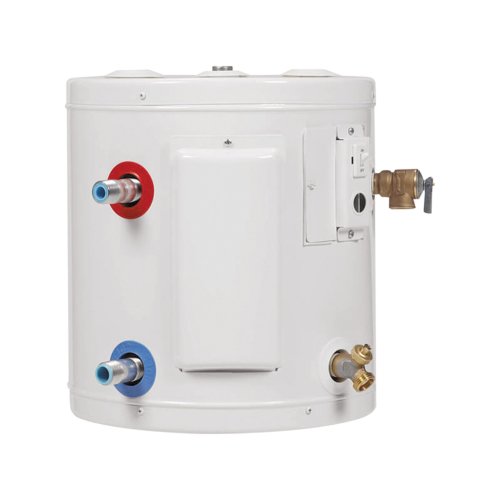
- BWP Score9.5
BWP Score is a ranking system developed by Bestwinterproducts.com. BWP score has no relationship or impact from any manufacturers or sales agent websites. Learn more
- BrandA. O. Smith

- BWP Score8.9
BWP Score is a ranking system developed by Bestwinterproducts.com. BWP score has no relationship or impact from any manufacturers or sales agent websites. Learn more
- BrandA. O. Smith
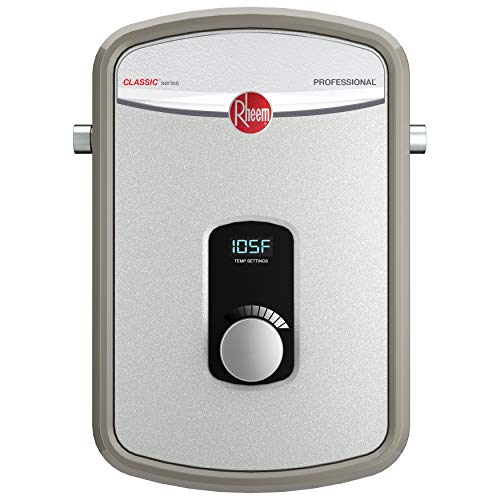
- BWP Score8.2
BWP Score is a ranking system developed by Bestwinterproducts.com. BWP score has no relationship or impact from any manufacturers or sales agent websites. Learn more
- BrandRheem

- BWP Score8.1
BWP Score is a ranking system developed by Bestwinterproducts.com. BWP score has no relationship or impact from any manufacturers or sales agent websites. Learn more
- BrandRheem
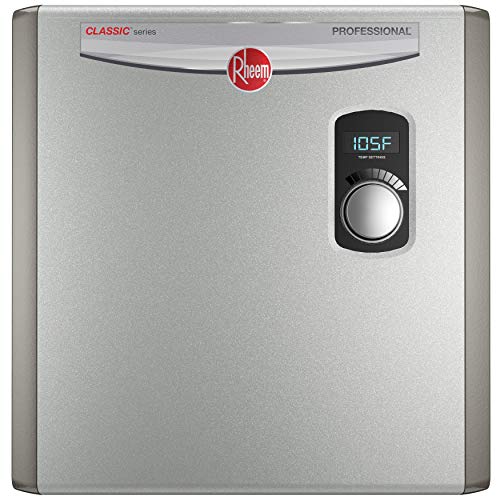
- BWP Score8.1
BWP Score is a ranking system developed by Bestwinterproducts.com. BWP score has no relationship or impact from any manufacturers or sales agent websites. Learn more
- BrandRheem

- BWP Score8.0
BWP Score is a ranking system developed by Bestwinterproducts.com. BWP score has no relationship or impact from any manufacturers or sales agent websites. Learn more
- BrandRheem

- BWP Score7.9
BWP Score is a ranking system developed by Bestwinterproducts.com. BWP score has no relationship or impact from any manufacturers or sales agent websites. Learn more
- BrandRheem
- BWP Score7.5
BWP Score is a ranking system developed by Bestwinterproducts.com. BWP score has no relationship or impact from any manufacturers or sales agent websites. Learn more
- BrandRheem
Last update on 2026-10-16 / Affiliate links / Images, Product Titles, and Product Highlights from Amazon Product Advertising API
FAQs
Which brand lasts longer before rusting out or leaking?
Both brands generally last between 8 and 12 years when cared for properly. A. O. Smith holds a slight advantage in tank longevity due to their commercial-grade glass lining and standard brass drain valves that resist leaking during maintenance flushes. Inspecting your tank's anode rod every three years and flushing out mineral sediment annually has a far bigger impact on tank lifespan than the brand name on the label.
Are Rheem or A. O. Smith heating elements easier to replace yourself?
Both brands use standard screw-in heating elements that are equally simple to replace using an inexpensive element socket wrench. Replacement heating elements and thermostats follow universal industry sizes, meaning you can find compatible parts for either brand at almost any local home improvement store. Always switch off the circuit breaker in your main electrical panel and confirm the power is completely off before removing the access panels.
Does my electrical panel have enough power for an electric tankless unit?
Standard electric storage tanks run on a single 30-amp, 240-volt breaker, which fits easily into almost any home electrical panel. Whole-home electric tankless units, however, often demand between 80 and 120 amps of dedicated electrical service across multiple breaker slots. If your home has a 100-amp main electrical service, you will likely need an expensive electrical service upgrade before installing a whole-house tankless heater.
Is there a quality difference between store models and professional supply models?
The core steel tank construction is largely the same, but professional supply house models usually include better hardware and longer warranty coverage. Plumber-grade units from both brands frequently feature solid brass drain valves and thicker anode rods, whereas entry-level big-box store models often rely on composite plastic drain valves. Purchasing a model with a longer warranty period from either brand secures more durable internal components that resist water corrosion longer.


Best Warm Winter Scarves 2026 For Cozy Comfort

Best Green Ski Goggles 2026 For Clear Vision On Slopes

12 Best Corner Electric Fireplace 2026: My Ultimate Guide To Pick One

Best Battery Powered Snow Blower 2026 For Effortless Snow Clearing

Best Ski Goggles Under 30 Inches For Crisp Vision And Comfort

Best Cooling Scarf 2026 For Instant Relief And Comfort

Fake Snow for Grass: Create a Realistic Winter Lawn Display

Dimplex Prism Wall Mount Fireplace: Sleek Heat With Modern Flame Style





