
Why Does a 1500W Oil-Filled Radiator Heater Stand Out?

It produces silent heat that lingers longer. Inside the metal fins, a permanently sealed fluid warms up and gently transfers heat into the room through natural airflow. Because there is no loud blower fan, you get steady, draft-free warmth that never dries out your sinuses or kicks up dust. The metal body holds onto that energy, releasing gentle lingering heat even after the thermostat clicks off.
How well it suits your space depends on heating speed, room size, and home wiring. Fluid takes ten to twenty minutes to heat up, so it cannot blast instant warmth like a ceramic fan. It performs best in closed bedrooms or home offices up to 200 square feet. Running on high also draws roughly 12.5 amps, which requires a dedicated wall outlet to prevent tripped breakers. Here is how that quiet cycle works and whether it fits your space.
The Short Version
- Gentle, silent operation: An oil-filled radiator uses diathermic oil (a heat-storing fluid sealed inside the fins) to distribute warmth through natural convection (warm air rising naturally without a fan), eliminating motor hum, rattling parts, and gusty drafts.
- Long-lasting residual warmth: Thanks to thermal retention (metal staying warm after shutoff), the radiator continues warming your room for up to half an hour after the thermostat clicks off, saving power and smoothing out temperature drops.
- Healthier indoor air: Because there are no red-hot exposed coils, these heaters do not scorch airborne dust, emit burning smells, or strip moisture from the air, making them ideal for sensitive sinuses and allergies.
- Standard household power: At 1500 watts on high, the unit draws roughly 12.5 amps, which fits standard 120-volt circuits as long as you plug it directly into a wall outlet without sharing the line with heavy appliances.
How Sealed Thermal Fluid Generates Silent Heat
Most portable space heaters rely on a small fan blowing air across a red-hot metal coil or ceramic block. An oil-filled radiator works on an entirely different concept. The outer body consists of a series of hollow, welded steel fins. Inside those fins sits a specialized diathermic oil, which is a heat-storing fluid sealed inside the fins at the factory. An electric resistance element rests submerged in the reservoir at the bottom of the unit.
When you plug the heater in and turn the dial, electricity flows into that submerged heating element. The element warms the surrounding fluid, which begins to circulate through the vertical channels of the steel fins. As the hot fluid circulates, it transfers its thermal energy directly into the steel exterior of the heater. The oil itself is never burned as fuel, never vaporizes, and never needs to be topped off or replaced. It serves solely as a heat reservoir and transfer liquid inside a permanently closed loop.
Once the heavy metal fins become hot, they heat the surrounding air through convection, which is warm air rising naturally without a fan. Cool air near the floor gets pulled upward past the hot fins, warms up, and rises into the upper half of the room. As that warm air cools down across the ceiling, it sinks back to the floor to be reheated. This natural circulation creates a steady, gentle loop of warmth without needing a single moving part. You get a quiet, consistent blanket of heat that fills the entire room from floor to ceiling.
Thermal Retention: Warmth That Lingers After Shutoff
The standout advantage of an oil-filled radiator over standard space heaters is thermal retention, which means the metal and fluid stay hot long after the electricity shuts off. Standard ceramic heaters or wire-element blowers create instant heat, but the moment their thermostat clicks off, the warmth vanishes in seconds. Thin metal grilles cool down immediately, leaving the room feeling chilly before the heater kicks back on. This creates uncomfortable hot-and-cold waves throughout the day.
Oil has an exceptionally high capacity to store thermal energy. Think of it like a heavy cast-iron skillet on your kitchen stove. When you turn off the gas burner under cast iron, the pan does not go cold immediately. It stays scorching hot for twenty minutes, slowly radiating heat into the kitchen. An oil radiator behaves the exact same way. Once the internal fluid reaches operating temperature, the entire metal mass acts as an energy sponge.
This dynamic changes how the heater uses electricity. When the room reaches your desired temperature, the internal thermostat clicks off and stops drawing power from the wall. Even though the electric draw drops to zero, the heater continues radiating heat for 20 to 30 minutes while the fluid slowly cools down. The room temperature stays stable, your living space avoids abrupt temperature drops, and the heater cycles on and off far less frequently than a fan-forced heater.
Air Comfort: How It Compares on Noise, Dust, and Dryness
Anyone who has tried sleeping next to a fan-forced space heater knows the frustrations: a steady drone from the motor, dry sinuses by morning, and the faint smell of singed lint. An oil-filled radiator solves each of these comfort problems because of how gently it warms the surrounding environment.
Noise is the most obvious difference. Oil radiators are completely silent during operation. Because there is no motorized fan blade pushing air, the only sound you might occasionally hear is a soft click from the thermostat switch or a faint ping as the steel expands during initial warmup. For home offices where you take phone calls, or bedrooms where light sleepers wake up at the slightest buzz, this silence is unmatched.
The impact on indoor air quality is just as noticeable. Fan-forced ceramic units run their internal heating elements at very high temperatures. When household dust, pet dander, and microscopic fibers pass over those scorching elements, they burn. This combustion creates a distinct dry, singed smell and produces irritating airborne particles that trigger coughing and dry out nasal passages. An oil radiator spreads its heat across a much larger surface area, so the exterior metal stays well below the temperature where dust burns. The air stays clean and odorless.
Finally, fan-forced heaters act like small leaf blowers in your room. They stir up dust and pet dander from rugs and floors, keeping those allergens suspended in the breathing zone. Natural convection lifts air so gently that it does not kick settled dust into your face. If you are heating an uninsulated, drafty space, you might occasionally need a fan-driven unit such as a heater to warm drafty spaces to push heat directly against incoming drafts. But for an enclosed, insulated living room or bedroom, an oil radiator delivers a far calmer, cleaner environment.
Electrical Safety: Running 1500 Watts on Standard Home Circuits
Most portable electric radiators sold in North America top out at 1500 watts on their highest setting. While this delivers substantial heating power, you must manage the electrical load properly to ensure safety and avoid tripped breakers in older or standard homes.
Every electrical device exerts a specific amperage, which is the electric pull from the wall outlet. At 1500 watts on a standard 120-volt household circuit, a heater pulls roughly 12.5 amps of continuous current. Most residential bedroom and living room branch circuits are protected by a 15-amp circuit breaker. Because the radiator pulls 12.5 amps, you have less than 2.5 amps of remaining capacity on that entire circuit. If you plug in a gaming computer, an iron, a vacuum cleaner, or a television on the same circuit while the heater runs on high, the breaker will trip to protect the wiring behind your walls from overheating.
Follow this checklist to operate your 1500-watt radiator safely:
- Plug directly into a wall outlet: Never connect a space heater to an extension cord, power strip, or multi-outlet surge protector. The continuous 12.5-amp draw can overheat thin extension cords and melt plastic power strips, creating a serious fire hazard.
- Keep a 3-foot safety buffer: Maintain at least 3 feet (36 inches) of open clearance on all sides of the heater. Keep bedding, curtains, clothing, upholstered furniture, and paper well away from the hot metal fins.
- Inspect the plug periodically: After the unit has run for an hour, lightly touch the rubber plug head at the wall. It should feel slightly warm. If the plug or the outlet cover plate feels distinctly hot to the touch, or if you smell hot plastic, turn off the unit immediately, unplug it, and have a licensed electrician replace the wall receptacle. Loose internal outlet contacts create electrical resistance that generates dangerous heat.
- Verify built-in safety controls: Check that the heater features a tip-over safety switch that cuts power instantly if the unit is knocked over or tilted, along with an automatic overheat sensor that shuts the unit off if internal parts get dangerously hot. Look for recognized safety certification marks like UL or ETL on the product label.
- Step down to lower power levels: Most 1500-watt radiators offer multi-stage switches (such as 600W, 900W, and 1500W). Start the heater on 1500W to bring the room up to temperature, then switch it down to a lower wattage mode. The low or medium setting pulls significantly fewer amps, maintaining your comfort while freeing up electrical capacity on your circuit.
While detached workshops or cold outbuildings might warrant a heavy-duty hardwired setup like a dedicated heater built for steady warmth on a 20-amp or 240-volt line, a standard 1500-watt portable radiator easily satisfies standard indoor living spaces when plugged into a dedicated 15-amp wall outlet.
Best Uses: When an Oil Radiator Beats a Ceramic Heater
While an oil radiator offers exceptional comfort, it is not the universal answer for every heating situation. Understanding its strengths helps you match the appliance to your specific living routine.
An oil-filled radiator is the ideal choice for:
- Bedrooms overnight: The lack of fan noise allows uninterrupted sleep. The steady radiant warmth keeps the room at an even temperature throughout the night without glowing elements illuminating the room.
- Home offices during working hours: When you spend eight hours sitting at a desk, a fan heater can blow dry air into your eyes and rustle papers. A radiator sits silently in the corner, keeping the entire room warm without disturbing phone calls or virtual meetings.
- Enclosed rooms up to 200 square feet: Based on the standard residential guideline of 10 watts per square foot of living space, a 1500-watt unit easily heats an enclosed bedroom, nursery, or dining area up to 150 to 200 square feet.
- Long, continuous heating sessions: The longer the unit stays on, the more efficient its thermal storage becomes. It builds up a deep heat reserve that keeps energy consumption smooth and steady over hours of use.
When is a ceramic fan heater a better choice? Choose a ceramic heater if you need instant warmth for short periods. If you only want to take the chill off a bathroom for ten minutes while getting dressed, an oil radiator will frustrate you. An oil unit requires 15 to 25 minutes of warm-up time before the steel fins reach full operating heat and start circulating warm air. Ceramic blowers produce blast-furnace heat within ten seconds, making them better for quick, temporary spot heating.
What to Look for When Choosing an Oil-Filled Radiator
When selecting a portable oil-filled radiator for supplemental room heat, look for features that balance comfort, convenience, and safety. A good radiator should give you flexible control over its heat output while making daily movement and setup hassle-free.
First, check the wattage settings. Models with multiple power switches (such as 600-watt, 900-watt, and 1500-watt options) allow you to tailor the electrical draw to your home circuit. Using the lower settings after the room reaches temperature conserves electricity and avoids tripping shared circuit breakers.
Next, consider the thermostat style. Traditional mechanical dials click on and off based on an internal sensor, which works reliably and lasts for years. Digital thermostats and programmable timers offer more precision, allowing you to set exact temperatures or program the heater to warm the bedroom half an hour before you wake up.
Physical construction matters as well. Oil radiators are heavy because of their steel housing and liquid contents, typically weighing between 16 and 27 pounds. Look for wide-set caster wheels that snap or fold out smoothly to prevent tipping while rolling across thick carpeting. A sturdy, heat-insulated carry handle and an integrated cord storage bracket keep the power cord neatly wrapped and out of walking pathways when moving the heater between rooms.

- BWP Score9.4
BWP Score is a ranking system developed by Bestwinterproducts.com. BWP score has no relationship or impact from any manufacturers or sales agent websites. Learn more
- BrandDREO
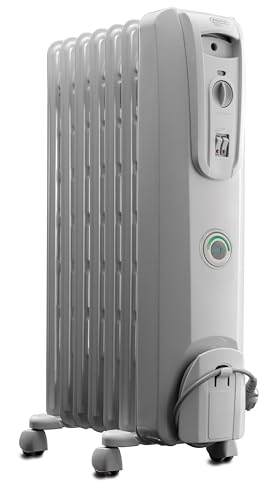
- BWP Score8.9
BWP Score is a ranking system developed by Bestwinterproducts.com. BWP score has no relationship or impact from any manufacturers or sales agent websites. Learn more
- BrandDe'Longhi
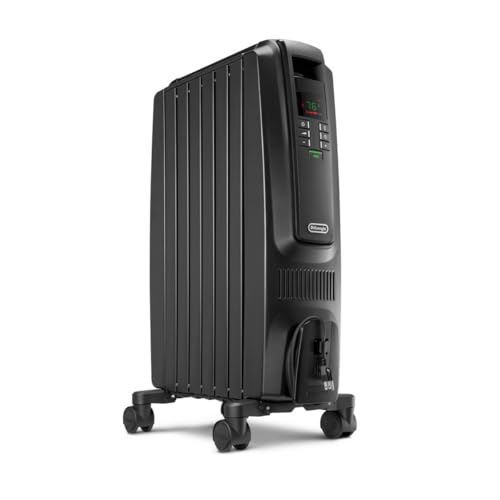
- BWP Score8.8
BWP Score is a ranking system developed by Bestwinterproducts.com. BWP score has no relationship or impact from any manufacturers or sales agent websites. Learn more
- BrandDe'Longhi
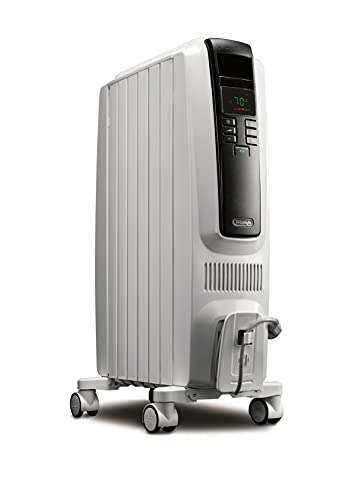
- BWP Score8.4
BWP Score is a ranking system developed by Bestwinterproducts.com. BWP score has no relationship or impact from any manufacturers or sales agent websites. Learn more
- BrandDe'Longhi

- BWP Score8.0
BWP Score is a ranking system developed by Bestwinterproducts.com. BWP score has no relationship or impact from any manufacturers or sales agent websites. Learn more
- BrandPELONIS

- BWP Score7.4
BWP Score is a ranking system developed by Bestwinterproducts.com. BWP score has no relationship or impact from any manufacturers or sales agent websites. Learn more
- BrandPELONIS

- BWP Score7.2
BWP Score is a ranking system developed by Bestwinterproducts.com. BWP score has no relationship or impact from any manufacturers or sales agent websites. Learn more
- BrandCAYNEL
Last update on 2026-10-07 / Affiliate links / Images, Product Titles, and Product Highlights from Amazon Product Advertising API
Frequently Asked Questions
Do you ever need to refill or replace the oil in an oil-filled radiator?
No, you will never need to refill or replace the fluid. The specialized oil is permanently sealed inside the heavy steel fins during manufacturing. It does not evaporate, burn off, or break down over time because it is never exposed to oxygen. If you ever notice an oily residue or liquid leaking from your radiator, the steel seal has been compromised; unplug the heater immediately and dispose of it safely, as it cannot be serviced at home.
Can you safely leave an oil-filled radiator running overnight in a bedroom?
Yes, an oil radiator is one of the safest portable electric heaters to run overnight when used correctly. It has no exposed glowing wires to ignite stray dust or bedding, and its metal shell stays well below combustion temperatures. To run it safely while sleeping, plug it directly into a sound wall outlet, maintain a 3-foot buffer zone clear of all blankets and curtains, and confirm that its built-in tip-over switch and automatic overheat shutoff sensors are functional.
Why does an oil radiator make clicking or popping sounds when first turned on?
Soft clicking or gentle popping noises during the first 10 to 15 minutes of operation are completely normal. These sounds happen as the electrical heating element warms up the cool fluid and the steel fins expand slightly with rising temperatures. You will also hear a distinct mechanical click whenever the internal thermostat cycles the power on or off. Once the oil circulates freely and the steel stabilizes at operating temperature, the heater runs in near-total silence.
Will a 1500-watt oil heater use less electricity than a 1500-watt ceramic fan heater?
Both heaters consume the exact same amount of electrical energy, 1500 watts per hour, whenever their heating elements are actively drawing power. However, an oil radiator often lowers your overall energy consumption over long heating sessions because of thermal retention. While a ceramic heater turns off and immediately lets the room cool down, an oil radiator continues radiating stored warmth for 20 to 30 minutes after cycling off, keeping the thermostat in its resting phase longer.


Best Warm Winter Scarves 2026 For Cozy Comfort

Best Green Ski Goggles 2026 For Clear Vision On Slopes

12 Best Corner Electric Fireplace 2026: My Ultimate Guide To Pick One

Best Battery Powered Snow Blower 2026 For Effortless Snow Clearing

Best Ski Goggles Under 30 Inches For Crisp Vision And Comfort

Best Cooling Scarf 2026 For Instant Relief And Comfort

Fake Snow for Grass: Create a Realistic Winter Lawn Display

Dimplex Prism Wall Mount Fireplace: Sleek Heat With Modern Flame Style





