
Why a 16-Inch Electric Fireplace Stove Heater Works So Well

Cold drafts seep across a small bedroom floor, leaving someone shivering under a blanket beside a loud, clunky space heater. A compact 16-inch electric stove solves this by packing full heating strength into a tabletop frame that adds the warm visual glow of real embers without crowding the space.
How well it works in daily life depends on your specific setup. These small units comfortably warm single rooms, but drafty window frames and tall ceilings will thin out the heat much faster. You also need a dedicated wall outlet that does not share power with other heavy appliances, along with clear floor space away from blankets and curtains. Here is how these compact stoves perform in real spaces, what safety steps matter, and where they work best.
Choose a Compact 16-Inch Frame to Save Floor Space
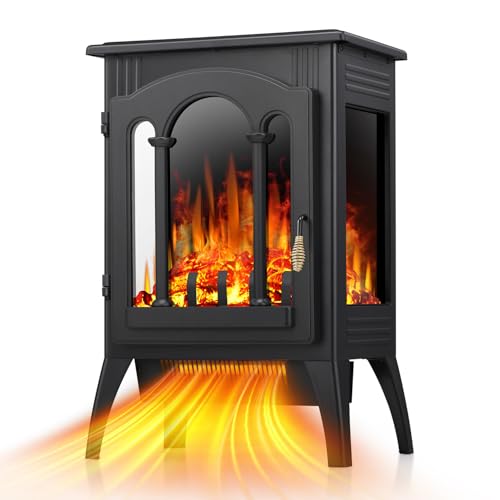
Traditional space heaters often look like utilitarian plastic boxes or metal grates. They stand out awkwardly in a finished bedroom, living room, or home office. A compact 16-inch electric stove heater solves this design problem by giving you the charming appearance of a classic wood-burning stove in a footprint small enough to sit on an end table, a desk, or an unused corner of the floor.
At roughly 16 inches wide or tall and weighing between 9 and 15 pounds, these small stoves are easy to move. You can pick one up and carry it from your home office during the workday to your bedside table at night. Their compact cabinet design, often featuring black tempered glass and molded legs, lets you add a warm focal point to any room without rearranging your furniture or blocking walkways.
The real secret behind their practicality comes down to household electrical limits. In the United States, standard 120-volt household wall outlets cap portable electric heaters at 1500 watts (the maximum heat setting for standard home wall outlets). A large electric fireplace mantle produces the exact same heat output as a compact 16-inch tabletop stove. Both draw the same electrical power and push out the same thermal warmth. Choosing the 16-inch size gives you full heating power while keeping your floor open and clutter-free.
Match Your Room Size to the 750-Watt and 1500-Watt Settings
Understanding how electric heat works in typical rooms prevents disappointment. The standard sizing guideline for electric space heaters in US homes is roughly 10 watts of power per square foot of living space. On its 1500-watt high setting, a compact stove heater produces enough warmth to serve as the primary heating source for a closed 150-square-foot bedroom or small office.
In larger areas, such as an open 220-square-foot living room, a 16-inch stove functions as supplemental heating (warming just the room you occupy so you do not have to raise the central thermostat for the whole house). It creates a warm pocket of air right where you sit, rather than trying to warm the entire house.
Most 16-inch models feature two distinct heat settings: 750 watts on low and 1500 watts on high. The 750-watt low power level draws about 6.25 amps of electricity. This setting is ideal for maintaining warmth once the room is already comfortable, or for providing gentle, close-range heat beneath a desk. It keeps your personal space cozy without causing spikes in your electric bill.
The 1500-watt high setting draws about 12.5 amps to deliver rapid, powerful warmth. Use high heat when you first enter a chilly room in the morning to raise the air temperature quickly. Rooms with high ceilings or drafty windows lose heat faster than a small heater can supply it. If you need to warm an uninsulated, breezy space, you may need a specialized heater to warm drafty spaces. In a standard finished bedroom, however, balancing high and low settings keeps the room comfortable all winter.
Run the Flame Effect Alone to Keep Electric Bills Down
One major advantage of an electric fireplace stove over a standard space heater is independent flame operation. The visual display and the heating coils operate on separate internal electrical circuits. You can turn the flame visual on and off without ever engaging the heating coils, giving you complete control over your power consumption and room atmosphere.
Inside the stove cabinet, low-energy LED lights and reflective rotating elements project lifelike, dancing flame patterns against a faux brick back panel and glowing ember bed. While the 1500-watt heating element draws considerable power, the LED flame display draws only a few watts of electricity. Running the flame effect by itself costs mere pennies per week, allowing you to enjoy a relaxing glow every evening without driving up your electric bill.
This independent control turns the stove into a functional decor piece across all four seasons. During freezing winter nights, you run both the heater and the flame to get physical warmth and cozy visuals at the same time. During mild autumn afternoons, cool spring mornings, or warm summer evenings, you can shut off the heat entirely and leave the amber embers glowing while you read or relax. It delivers the comforting ambiance of a hearth without adding unwanted heat to the room.
Check Built-In Safety Cutoffs Before Plugging It In
Because compact stoves generate serious warmth in tight quarters, built-in safety mechanisms are vital before plugging the unit in.
Start by confirming that the unit has an automatic overheat sensor (a safety feature that shuts the unit off if internal parts get dangerously hot). If household dust accumulates on the intake grille, or if someone accidentally drapes a sweater over the stove, this thermal sensor detects the rising internal temperature and cuts power immediately. This prevents internal wiring and components from melting or creating a fire hazard.
Next, look for a tip-over safety switch (an internal lever that cuts power instantly if the unit is knocked over or tilted). Small 16-inch stoves are lightweight and often sit at tabletop height or along busy floor paths. If a pet bumps into the side table or a child knocks the unit sideways, the tip-over switch instantly cuts all power to the heating coils and the fan. The heater will not continue blowing hot air against a tabletop or carpet while resting on its side.
Finally, check the exterior cabinet design. Quality compact models feature cool-touch exterior housings made of black tempered glass, heat-resistant composite, or insulated metal. The hot air blows out through a dedicated front vent grille, leaving the top, sides, and control knobs safe to touch. Always look for a recognized safety mark, such as UL or ETL, on the manufacturer label to confirm it meets strict electrical standards.
Follow These Steps to Position Your Stove for Safe Airflow
Correct placement ensures your stove heater warms the room efficiently without posing any safety risks. Follow these practical steps when setting up your unit:
- Select a solid, level surface: Place the stove on a flat, sturdy surface like a hardwood floor, tiled hearth, or solid wooden table. Avoid soft surfaces like beds, sofas, or thick rugs that could block bottom vents or cause the unit to wobble.
- Maintain the 3-foot safety buffer: Keep all flammable materials at least 3 feet (36 inches) away from the front, sides, and back of the heater. This includes curtains, bedding, throw blankets, upholstered furniture, and paper. Proper clearance ensures that heated air circulates freely without scorching fabrics.
- Inspect the intake and exhaust vents: Before turning the unit on, look at the rear intake vents and the front heat discharge grille. Make sure there is no dust, pet hair, or packaging clinging to the grilles so air can enter the back and blow straight out the front.
- Plug directly into a dedicated wall outlet: Plug the heater cord directly into a standard 120-volt wall receptacle. Never use an extension cord, power strip, or surge protector. These secondary cords are rarely rated for continuous 12.5-amp electrical draws and can overheat, melt, or cause electrical fires.
- Check for circuit load balance: Do not plug the heater into an electrical circuit that is already running other high-draw appliances like a microwave, toaster, or hair dryer. A standard 15-amp home circuit can handle roughly 1800 watts total, so a 1500-watt heater running alongside another appliance will trip your breaker.
- Monitor the initial operation: Turn the heater on and let it run for 10 to 15 minutes. Verify that the fan blows steady warm air and that the power cord feels cool to the touch. If the plug or the wall outlet plate feels hot, shut the unit off immediately, unplug it, and consult a qualified electrician.
Pick a Stove Heater Designed for Your Everyday Living Space
When shopping for a compact electric stove heater, look for design details that make daily operation simple, safe, and comfortable. Focus on the physical footprint first. Measure your intended tabletop, desk corner, or fireplace opening to ensure the unit fits comfortably while preserving the required 3-foot buffer from walls, curtains, and furniture.
Choose a model that features both dual heat settings (750W and 1500W) and an adjustable thermostat dial. Having two power settings lets you adjust your electrical load based on room size and weather. An adjustable thermostat dial clicks the heating element on and off automatically to maintain your target comfort level, preventing the room from overheating and saving electricity throughout the day.
Look for convenient controls that keep your fingers away from the hot air exhaust, such as dials hidden behind a faux stove door. If you move the stove between rooms, look for a lightweight frame under 15 pounds. Finally, confirm the label displays certified safety listings like ETL or UL, proving that the internal shutoffs and wiring meet rigorous safety standards.

- BWP Score9.7
BWP Score is a ranking system developed by Bestwinterproducts.com. BWP score has no relationship or impact from any manufacturers or sales agent websites. Learn more
- BrandAckMizz

- BWP Score9.4
BWP Score is a ranking system developed by Bestwinterproducts.com. BWP score has no relationship or impact from any manufacturers or sales agent websites. Learn more
- BrandROVSUN

- BWP Score8.1
BWP Score is a ranking system developed by Bestwinterproducts.com. BWP score has no relationship or impact from any manufacturers or sales agent websites. Learn more
- BrandDuraflame
- BWP Score7.9
BWP Score is a ranking system developed by Bestwinterproducts.com. BWP score has no relationship or impact from any manufacturers or sales agent websites. Learn more
- BrandElectactic

- BWP Score8.1
BWP Score is a ranking system developed by Bestwinterproducts.com. BWP score has no relationship or impact from any manufacturers or sales agent websites. Learn more
- BrandPuraFlame
Last update on 2026-10-06 / Affiliate links / Images, Product Titles, and Product Highlights from Amazon Product Advertising API
Frequently Asked Questions
Can a 16-inch stove heater warm an entire bedroom?
Yes, a 16-inch stove heater can easily warm an average bedroom measuring up to 150 square feet. On its 1500-watt setting, it delivers the same thermal output as a full-sized space heater. If your bedroom is larger than 150 square feet or has high ceilings, it will provide comfortable supplemental warmth in the area closest to the unit.
Will running a 1500-watt stove heater trip your circuit breaker?
A 1500-watt heater draws about 12.5 amps, which fits safely within a standard 15-amp household circuit. However, it will trip the breaker if you run other high-wattage appliances, like a vacuum or hair dryer, on the same circuit at the same time. To prevent trips, plug the heater directly into a wall outlet on a circuit with minimal electrical load.
Is the outside of the stove safe to touch around children and pets?
Most modern 16-inch electric stoves feature a cool-touch exterior cabinet made of insulated metal, composite, or tempered glass that remains safe to the touch. The only area that gets genuinely hot is the metal grille where the fan blows the heated air into the room. Always keep curious pets and small children at a safe distance from this front exhaust grille.
Can you use a compact stove heater in an RV or camper?
You can use a compact stove heater in a recreational vehicle, provided you manage your electrical power carefully. When connected to shore power, running the stove on its 750-watt low setting helps avoid overloading your vehicle breaker or inverter. For mobile setups, many travelers review specialized options like a heater to stay warm off-grid to balance limited power with reliable warmth.


Best Warm Winter Scarves 2026 For Cozy Comfort

Best Green Ski Goggles 2026 For Clear Vision On Slopes

12 Best Corner Electric Fireplace 2026: My Ultimate Guide To Pick One

Best Battery Powered Snow Blower 2026 For Effortless Snow Clearing

Best Ski Goggles Under 30 Inches For Crisp Vision And Comfort

Best Cooling Scarf 2026 For Instant Relief And Comfort

Fake Snow for Grass: Create a Realistic Winter Lawn Display

Dimplex Prism Wall Mount Fireplace: Sleek Heat With Modern Flame Style





